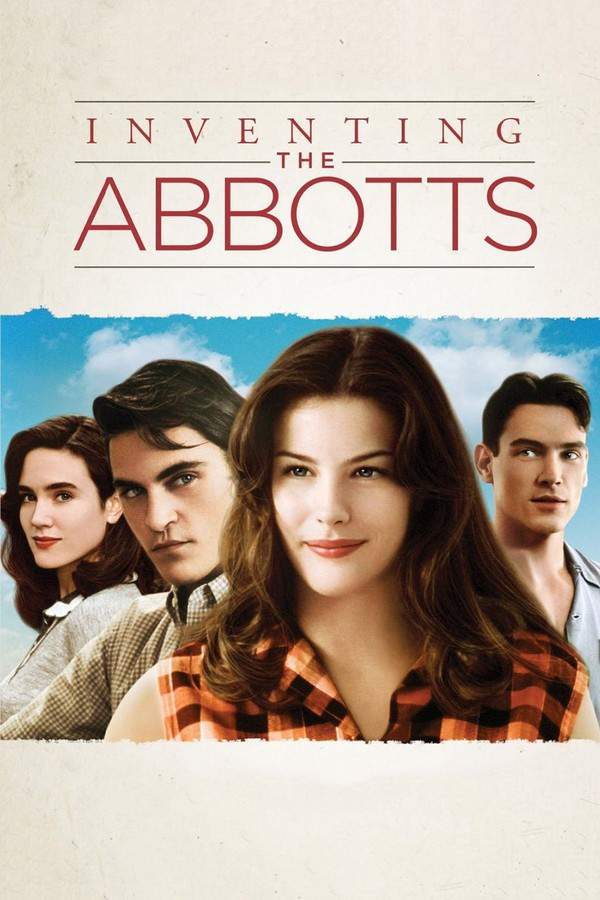
In Haley, a small town in Illinois during the 1950s, the lives of two closely linked families dangerously intersect, shaping a web of desire, pride, and loss. Two brothers, J.C. and Doug Holt Joaquin Phoenix grow up under the care of their single, hardworking mother, while their father’s reckless vanity ends in tragedy after a bet on a frozen lake with Lloyd Abbott. Lloyd, who has just acquired their father’s patent for a steel file-drawer, climbs into wealth and social prominence, becoming one of Haley’s most admired figures. Lloyd and his distant wife, Joan, preside over three striking daughters: Alice, Eleanor Jennifer Connelly, and Pamela Liv Tyler. The town’s social calendar—birthdays, milestones, and parties—becomes the stage on which the Abbott sisters shine, and the Holt brothers’ fates begin to twist around theirs.
Driven by a sense of grievance and a passion for retribution, J.C. resolves to avenge what he believes was the family’s wronged fortune: the perception that the Abbott wealth was stolen from them. He targets the Abbott daughters, striking first with Eleanor, the wildest of the three. Their illicit liaison leaves a scar: Eleanor is removed from Haley and sent away to a mental hospital, a searing consequence that reverberates through the town and through J.C.’s consciousness. Meanwhile, Doug, who initially admires his brother’s libertine lifestyle, gathers conflicting feelings as he finds himself drawn to Pamela, the youngest and most virginal of the sisters. The dynamics between the siblings become dangerously tangled, and the lines between loyalty, longing, and betrayal blur in the heat of a summer that exposes the fragility of family ties.
During a subsequent summer, J.C. returns to seduce Alice, who is in the midst of divorcing an abusive husband after giving birth to their daughter. This romance, too, becomes a source of heartbreak and a target of Lloyd’s protective, sometimes extreme measures to keep the families apart. The siblings’ fates continue to collide as Doug and Pamela reconnect years later—this time at the University of Pennsylvania and Bryn Mawr College—yet the template of secrecy persists: J.C. has also begun a relationship with Pamela, fracturing the fragile trust between the brothers. The reverberations of their choices ripple through the town, leaving a trail of hurt that cannot be erased.
When the siblings return home for their mother’s funeral, they uncover a pivotal document that confirms their late father sold his patent for a 1937 DeSoto Coupe convertible. This revelation compounds their sense of injustice and deepens J.C.’s resentment that wealth and power have remained out of reach for their family for reasons they deem arbitrary. Yet amidst the tension and competing loyalties, Doug confronts the truth of his own heart: he proclaims his love for Pamela, and in a gesture that answers years of doubt, he and Pamela choose each other. The adult Doug, now narrating this story, recounts their eventual marriage and the life that follows—two daughters born from a union that began in the shadow of complicated passion and family conflict.
What emerges is a portrait of how intertwined fates in a close-knit town can drive people to act with intensity, sometimes at the cost of harmony and happiness. The film invites readers to consider how revenge, desire, and miscommunication can pull siblings and lovers into a spiral that tests loyalty, pushes moral boundaries, and ultimately reframes the meaning of family. The final chapters pivot on the slow acknowledgment of love’s endurance, even after a landscape of betrayals, and the memory of a father’s choice—whether just or unjust—continues to echo through the generations.