Plot Explained Spoilers guaranteed!
Plot Explained

Browse by genre

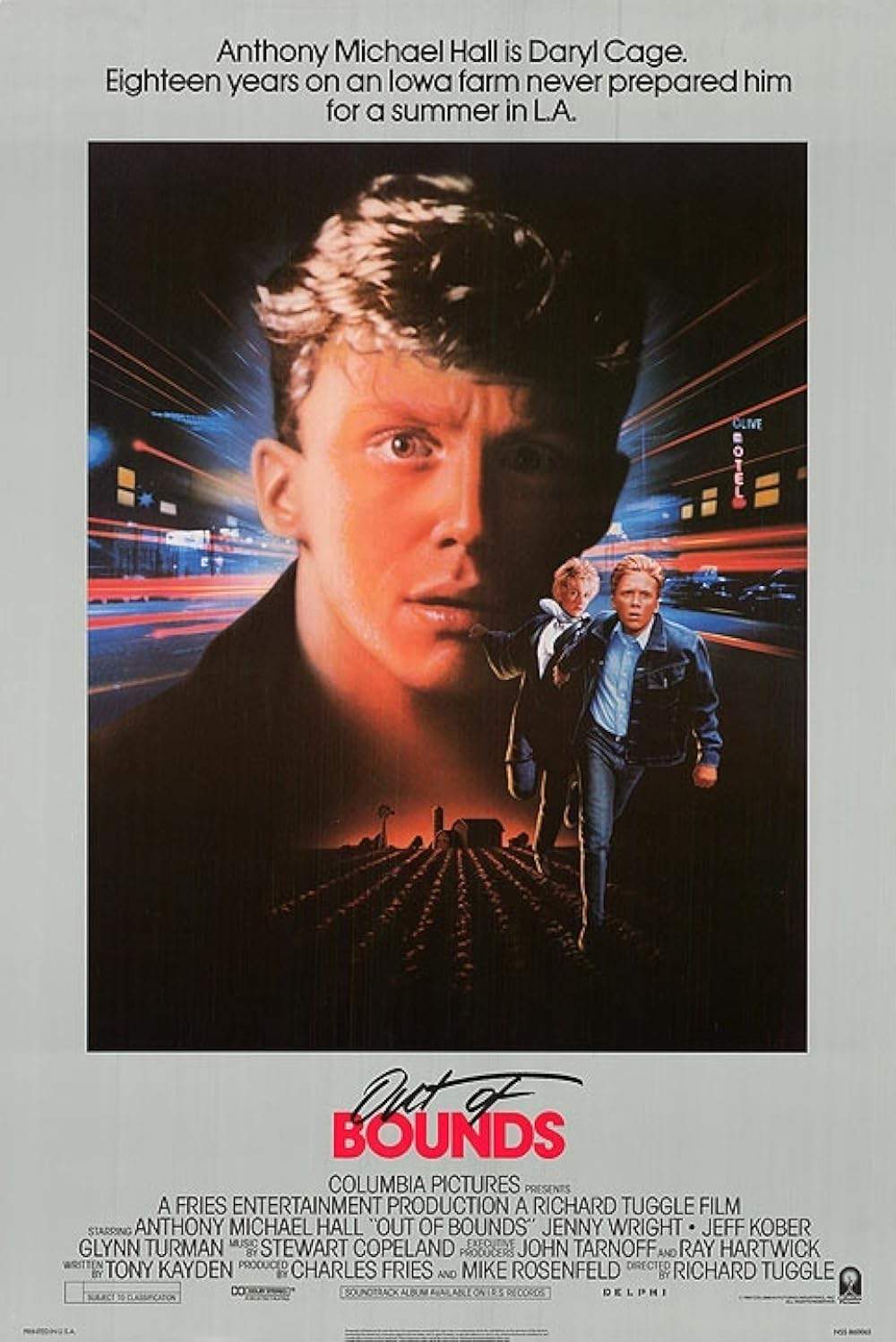
Inside Out (1986) movie poster

Timeline

Inside Out (1986) Timeline Explained – Every Event in Order

Release, runtime and language
1986 · 87 mins · English
Loading streaming availability…
Starring
Elliott Gould, Jennifer Tilly, Timothy Scott, Dana Elcar, Howard Hesseman, Kathleen Freeman

An agoraphobic must give up his sheltered life and venture outside after a series of personal and financial problems.

On this page (6)
  1. 1 Where to watch
  2. 2 Events in order (13)
  3. 3 Timeline questions answered
  4. 4 Movie threads
  5. 5 Movies like Inside Out
  6. 6 Every angle
Loading streaming availability…

13 events in order · contains spoilers

Inside Out Timeline: Events in Chronological Order

Every key event of Inside Out (1986) in order, scene by scene, with when and where it takes place. Use it to untangle flashbacks, time jumps and parallel storylines, to refresh your memory before the sequel or to find the exact scene you are thinking of.

  1. Wife reveals plan to move to Chicago

    Jimmy's estranged wife tells him she plans to leave New York with their daughter for Chicago, signaling a fracture in the family and his grip on life. The revelation lands as he sits within his luxurious but suffocating apartment, already overwhelmed by financial and personal ruin.

    Where
    New York City apartment
  2. Market crash hits his portfolio

    A bad market wipes out Jimmy's stock portfolio, accelerating the erosion of his wealth. The blow comes while he remains inside his apartment, helpless to change the outcome as the numbers compound.

    Where
    New York City
  3. Leo Gross's embezzlement exposed

    Morgan's business partner Leo Gross reassures him that the losses will be ironed out, while secretly siphoning funds from their enterprise. The scheme leverages Morgan's agoraphobia and inability to act, consolidating the financial threat from within their business walls.

    Where
    Morgan's office
  4. Gambling to cover losses

    To recoup the spiraling deficits, Jimmy escalates his bets on NFL games. What starts as casual wagering grows into a dangerous habit, feeding the sense of doom as the mount keeps rising.

    Where
    Morgan's apartment
  5. Orders of food, prostitutes and drugs

    Jimmy begins ordering food, prostitutes, and drugs by phone and later via his computer. The constant deliveries and online transactions deepen his dependency on the external world he never leaves.

    Where
    Morgan's apartment
  6. Agoraphobia confines him further

    Friends visit but are met with a man who cannot bring himself to step outside the door. His agoraphobia isolates him from friends, family, and any chance of help.

    Where
    Morgan's apartment
  7. The world reduced to screens and messages

    Jimmy watches the world through his television screens, outside cameras, and the central role of his answering machine. The devices become both his lifeline and his prison.

    Where
    Morgan's apartment
  8. Friends drift away under pressure

    Despite friends' attempts to help, Jimmy's condition pushes them away as losses continue to mount. The social circle that once mattered dissolves while he sinks deeper into isolation.

    Where
    Morgan's apartment
  9. A homeless man forms a fragile bond

    A homeless man camps in the building's entryway and forms a tenuous friendship with Jimmy through the intercom. Jimmy begins to intermittently feed and shelter him, creating a brief human connection amid the ruin.

    Where
    Building entryway
  10. Desperate finances and foreclosure

    With savings evaporating and gambling debts mounting, Jimmy faces foreclosure and an emptier life. He ends up in an empty apartment, utterly alone except for the telephone and the answering machine.

    Where
    New York City apartment
  11. Summoning courage to step outside

    In a final surge of resolve, Jimmy finds the courage to leave the apartment and rejoin the world. He begins to plan anew, stepping toward a possible fresh start.

    Where
    Outside the building
  12. He reaches out to his wife and daughter

    Jimmy makes a phone call or attempt to contact his wife and daughter, signaling a potential reconciliation before their departure. The act demonstrates a fragile hope that he can repair what has been broken.

    Where
    New York City
  13. They depart for Chicago

    The wife and daughter leave for Chicago, while Jimmy contemplates his next chapter from a distance. The film closes on his contemplation of a new beginning after the fallout.

    Where
    Chicago

Last updated: October 09, 2025 at 14:21

Was this helpful?

Timeline questions answered

Inside Out Timeline Explained: Your Questions Answered

When does it happen, and why in that order? The questions people ask about the chronology of Inside Out (1986): time jumps, flashbacks, cause and effect between scenes and the correct order of events, each answered with spoilers.

Q1

Why does Jimmy Morgan become agoraphobic and unable to leave his apartment?

Jimmy's agoraphobia develops gradually as a response to his mounting personal and financial pressures. The film reveals his condition after he has already withdrawn from the world, but the root cause appears to be the overwhelming combination of his business partner's betrayal, financial collapse, marital breakdown, and the loss of control over his carefully constructed life. Rather than face these crises head-on, he retreats further into his apartment, where the familiar environment of screens and machines feels safer than the unpredictable outside world.

Foreshadowing: Early scenes show Jimmy already surrounded by television, cameras, and his answering machine, devices that let him observe the world without entering it.

  • agoraphobia
  • mental health
  • withdrawal
  • anxiety
  • isolation
Q2

How does Leo Gross embezzle money from Jimmy while he remains trapped in his apartment?

Leo Gross exploits Jimmy's agoraphobia by assuring him that business losses will be resolved while secretly siphoning funds from their enterprise. Since Jimmy cannot bring himself to visit his office or physically oversee operations, Leo operates unchecked, using the trust of their partnership to steal money even as Jimmy's financial situation deteriorates. The embezzlement accelerates Jimmy's downfall and compounds his sense of helplessness.

Foreshadowing: When Leo visits the apartment, he reassures Jimmy about the losses in a way that deflects scrutiny and keeps Jimmy dependent on his false confidence.

  • embezzlement
  • betrayal
  • business partner
  • money theft
  • financial fraud
Q3

Why does Jimmy start ordering prostitutes and drugs to his apartment?

Jimmy uses food, escorts, and drugs as coping mechanisms to dull the pain of his accelerating downward spiral. These deliveries represent his only contact with the outside world while remaining within his psychological comfort zone. As his financial situation worsens and isolation deepens, these services become his primary sources of comfort and temporary escape from the reality he cannot face.

Foreshadowing: The film establishes early that Jimmy orders everything by phone and later via computer, showing his pattern of avoiding direct human contact while still accessing what he needs.

  • coping mechanism
  • drugs
  • prostitutes
  • escapism
  • self-destruction
Q4

Why does Jimmy form a connection with the homeless man in his building?

Jimmy sees a reflection of his own isolation in the homeless man who camps in the building's entryway. Despite his own confinement, Jimmy finds purpose in small acts of kindness, ordering meals for the transient, creating a tentative human connection that his isolated life otherwise lacks. The bond represents Jimmy's still-existing capacity for compassion, even as his own world crumbles around him.

Foreshadowing: The homeless man appears during Jimmy's deepest period of isolation, suggesting Jimmy's subconscious need for meaningful human contact despite his agoraphobic barriers.

  • homeless
  • connection
  • compassion
  • isolation
  • human bond
Q5

What triggers Jimmy to finally leave his apartment at the end of the film?

Jimmy reaches his lowest point, foreclosure, empty apartment, and the departure of his wife and daughter to Chicago, forcing him to confront the reality that he has nothing left to lose. This moment of total loss breaks through his agoraphobic paralysis. With nothing left to protect or maintain, he finds the courage to step outside and attempt to rebuild what he's broken, specifically by trying to reach his wife and daughter before they leave.

Foreshadowing: The answering machine, his last link to the outside world, becomes irrelevant as his circumstances force direct action.

  • courage
  • recovery
  • confronting fears
  • breaking free
  • turning point
Q6

Does Jimmy succeed in reconnecting with his wife and daughter before they leave for Chicago?

The ending leaves Jimmy at a threshold, having stepped outside and begun reaching out, but does not confirm whether he successfully reconciles with his wife Amy and their daughter before their departure to Chicago. The film ends on a note of hopeful uncertainty: he has taken the first step toward reconnection, but the outcome remains ambiguous, suggesting fragile hope rather than definitive resolution.

Foreshadowing: His wife revealed her plan to move to Chicago earlier in the film, establishing the deadline that pressures his final decision to act.

  • reconciliation
  • family
  • wife Amy
  • daughter
  • hope
  • Chicago
Q7

Why does Jimmy start gambling heavily on NFL games?

Jimmy escalates his gambling as a desperate attempt to recoup his mounting financial losses from the market crash and Leo's embezzlement. What begins as casual wagering becomes increasingly reckless as his debts grow. The gambling represents one last gamble to restore his finances without having to confront the outside world or admit the full extent of his situation.

Foreshadowing: His financial deterioration is shown progressively, with each loss pushing him toward riskier behavior.

  • gambling
  • nfl
  • desperation
  • financial loss
  • risk taking
Q8

What is the significance of Jimmy's answering machine throughout the film?

The answering machine becomes Jimmy's primary interface with the outside world, representing both his connection to reality and his prison. Through it, he screens visitors, manages his dwindling relationships, and maintains the illusion of control over his social interactions. As his world shrinks, the answering machine takes on almost symbolic importance, his last vestige of participation in human contact while remaining physically isolated.

Foreshadowing: Early scenes establish the answering machine as his central communication tool, foreshadowing its role as both lifeline and barrier.

  • answering machine
  • communication
  • isolation
  • technology
  • screens
Q9

What does the title Inside Out signify in relation to Jimmy's story?

The title Inside Out reflects Jimmy's psychological state: his carefully constructed external life has crumbled, turning his inner world inside out. His luxurious apartment, once a fortress of control, becomes a prison. The phrase also captures how his agoraphobia inverts his relationship with the world, he observes it from inside while living outside becomes impossible. The title captures both his internal emotional upheaval and the inversion of his previously functional life.

Foreshadowing: The film opens with Jimmy in his luxury apartment already showing signs of internal collapse, establishing the inside-out dynamic from the start.

  • title meaning
  • psychological
  • symbolism
  • internal external
  • life inversion
Q10

How does the stock market crash impact Jimmy's life beyond just financial loss?

The market crash that wipes out Jimmy's stock portfolio accelerates his complete psychological and social collapse. Since he cannot leave his apartment to take physical action, whether to liquidate assets, find new opportunities, or personally address the crisis, he becomes trapped in a helpless observer role. The financial loss strips away his identity as a successful entrepreneur, leaving him with nothing to cling to except the diminishing comforts of his apartment.

Foreshadowing: The market crash occurs early, setting in motion the cascading losses that define Jimmy's descent.

  • stock market crash
  • portfolio
  • financial ruin
  • loss
  • helplessness

Movie threads

More Movies Like Inside Out, by Mood & Story

Curated lists built around what makes Inside Out tick: the same mood, the same kind of story or the same emotional payoff. Each list explains why these movies belong together.

Movies about claustrophobic isolation like Inside Out

Stories where a confined space becomes a pressure cooker for the mind. If you enjoyed the tense, confined atmosphere of Inside Out, explore more movies where characters are trapped by their circumstances, whether physically or psychologically. These films create a powerful sense of dread and isolation, focusing on the breakdown of a person within a limited space.

  • claustrophobic
  • anxious
  • isolating
  • psychological
  • desperate
  • bleak
  • Tone: tense, anxious, melancholic
  • Pacing: slow, methodical
Why these movies?

The story pattern: The narrative pattern focuses on a character's gradual psychological decline within a confined environment. External pressures—like financial threats or betrayal—cascade upon them, forcing a reckoning that is as much internal as it is external. The story unfolds slowly, mirroring the character's entrapment.

Why they belong together: They are grouped by their shared atmosphere of suffocating tension and their focus on how isolation and confinement act as catalysts for a character's deepest fears and ultimate confrontation with reality.


Slow burn stories of personal ruin like Inside Out

Methodical character studies of a life unraveling under immense pressure. For viewers who appreciated the methodical unraveling of a life in Inside Out, this collection features movies about characters facing financial collapse, addiction, and shattered relationships. These heavy dramas explore the slow, painful consequences of choices and circumstance.

  • bleak
  • desperate
  • melancholic
  • slow burn
  • heavy
  • gritty
  • Tone: bleak, tense, melancholic
  • Pacing: slow, deliberate
Why these movies?

The story pattern: The narrative follows a linear or cyclical pattern of decline, where the protagonist's flaws and external crises feed into each other. There is a mounting sense of inevitability as their support systems—financial, social, marital—crumble, leading to a climax that is less about escape and more about facing the devastating aftermath.

Why they belong together: They share a common structure of a slow, inevitable collapse, a heavy emotional weight, and a tone that blends tense external threats with deep melancholy. The focus is on the grim realism of a life coming apart at the seams.

If you liked this

Movies Like Inside Out

Similar movies to Inside Out: the same genre, themes or kind of story. Each one comes with its own plot summary, timeline and ending explained.

Browse all movie summaries

Every angle

Inside Out (1986) Explained: Plot, Timeline & Characters

Everything about Inside Out in one place: what happens in the plot summary, the timeline in chronological order, the characters and meaning and a spoiler-free summary. What's After the Movie adds the cast, box office and post-credit scenes.

Coming soon on iOS and Android

The Plot Explained Movie Summary App

Plot summaries, endings explained and timelines on your phone. Catch up on any movie in minutes, save your favorites and never miss a twist again.

Be the first to know when we launch. Your email stays private, always.

Learn more about the app