Plot Explained Spoilers guaranteed!
Plot Explained

Browse by genre

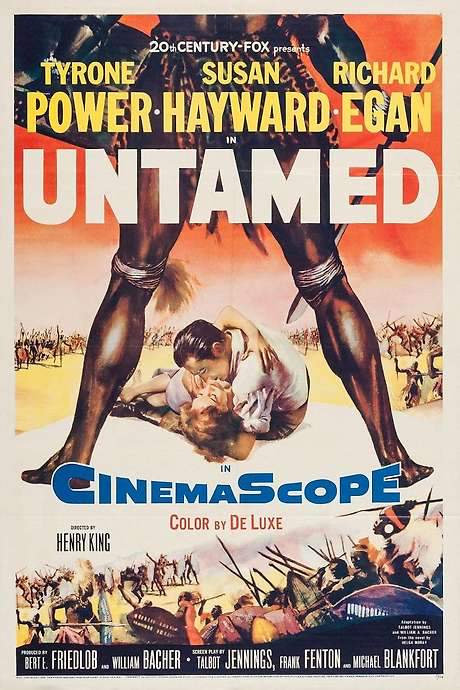
King of the Khyber Rifles (1953) movie poster

Plot Summary

King of the Khyber Rifles (1953) Plot Summary Explained

Release, runtime and language
1953 · 100 mins · English
Loading streaming availability…
Directed by
Henry King
Starring
Terry Moore, Tyrone Power, John Farrow, Alberto Morin, Michael Rennie, Guy Rolfe

Captain Alan King, a Sandhurst graduate raised on the Northwest Frontier, speaks Pashtun better than his veteran peers. After an ambush on his escort near the Khyber Pass is averted by Ahmed, an Afridi deserter, King reaches his garrison. When his officers learn his mother was a native Muslim, causing his family to be shunned, they subject him to open prejudice; Lieutenant Geoffrey Heath moves out of their quarters, while half‑Irish Lieutenant Ben Baird remains his sole ally.

On this page (6)
  1. 1 Where to watch
  2. 2 What happens: full plot
  3. 3 Plot questions answered
  4. 4 Movie threads
  5. 5 Movies like King of the Khyber Rifles
  6. 6 Every angle
Loading streaming availability…

Full plot summary · contains spoilers

What Happens in King of the Khyber Rifles: Full Plot Summary

The whole story of King of the Khyber Rifles (1953) explained, from the opening scene to the final frame: every key event, every twist and what it all adds up to. Read it as a quick recap before the sequel, to check a scene you missed, or to finally understand what really happened.

Set in 1857 along the North-West Frontier near the Khyber Pass, Captain Alan King, [Tyrone Power], freshly arrived from Sandhurst, finds himself at a frontier garrison where survival hinges on more than luck. He endures an early ambush that is thwarted thanks to Ahmed, a native Afridi deserter from the rebel forces led by Karram Khan. King, born locally and fluent in Pashto, moves through a web of prejudice tied to his mixed heritage. The tension sharpens when Lt. Geoffrey Heath, [John Justin], openly distances himself from King’s quarters, a stark reminder of the social fault lines that ripple through the troops.

Brigadier General J. R. Maitland, [Michael Rennie], champions a bold policy of equality among whites and sees in King a rare bridge to a native force. He assigns King to train and command a native unit, the Khyber Rifles, hoping to unify disciplined British leadership with fiercely loyal local fighters. This decision stirs both hope and skepticism among the ranks, setting the stage for a fragile alliance that could alter the balance of power in the region.

The general’s daughter, Susan Maitland, [Terry Moore], is drawn to King’s courage and complexity. A kidnapping attempt—foiled by King—threatens to derail any budding romance, prompting Maitland to decide that Susan should be sent back to England to keep her safe. Yet the pull between duty and desire remains, complicating the political and personal calculations for everyone involved.

To counteract the rift and to strike at a man who could rally divided tribes, King volunteers for a dangerous ruse: he will pretend to desert and lure Karram Khan into a trap. He travels to the Khyber Pass and presents himself as a defector, hoping to gain entry into the rebel leader’s confidence. The plan hinges on trust and a shared history, for Alan and Karram Khan once knew each other and speak of a past that blurs the lines between ally and foe.

The reunion is loaded with tension. Alan admits that he sees Susan as more than simply the woman he loves, and Karram probes the truth of his feelings. In a moment of precarious honesty, Alan reveals the depth of his love for Susan, even as the loyalty he owes to England complicates his loyalties to those he’s come to respect among Karram Khan’s circle.

As loyalties shift, Alan is captured and bound alongside other British officers. Karram’s men kill several of his comrades, but Alan’s life is spared when he chooses to spare Karram’s life in a moment of unexpected mercy. He returns to Maitland with a report of what transpired, and Lt. Heath confirms that Susan has left with the other women, though she shares the same feelings for Alan as before.

When an uprising looms, the conflict over technology and tradition resurfaces in a practical dilemma: the Khyber Rifles refuse to use the new Enfield rifles because the cartridges require grease, and consuming pig grease violates their religious prohibitions. Alan, who is half-Muslim, demonstrates that using the rifle is not inherently against their beliefs, helping to bridge a crucial gap. This nuanced moment allows the rebels to reconsider their stance and proceed with a combined force.

Despite the hesitation, the Khyber Rifles decide to fight with knives, relying on their skill and courage rather than firearms. In a bold assault, Alan leaps onto the enemy’s camp and faces Karram Khan in close quarters. As the struggle intensifies, one of the Khyber Rifles drives a knife into Karram Khan’s back, turning the tide of the battle. Victorious, the Khyber Rifles return to the fort, and General Maitland welcomes Alan back, recognizing a future that includes Susan for him.

Last updated: October 09, 2025 at 10:50

Was this helpful?

Plot questions answered

King of the Khyber Rifles Plot Explained: Your Questions Answered

The questions people ask most about King of the Khyber Rifles (1953): what happens in the confusing scenes, why the characters do what they do, the twists, hidden details and what the ending means. Each answer contains spoilers.

Q1

Why does Lieutenant Heath move out of Captain King's quarters?

Lieutenant Heath moves out because he learns that King's mother was a native Muslim. This makes King of mixed heritage, and the other British officers shun his family background. The prejudice is openly displayed when Heath distances himself from King, leaving only Lieutenant Ben Baird as King's ally among the officers.

Foreshadowing: The prejudice King faces early in the story establishes the social barriers he must overcome throughout the film.

  • lieutenant heath
  • prejudice
  • mixed heritage
  • captain king
  • quarters
Q2

Why does General Maitland assign King to command the Khyber Rifles?

General Maitland champions a policy of equality among white soldiers and sees King as a rare bridge between the British forces and the native fighters. Because King was raised on the Northwest Frontier and speaks Pashto flußent, Maitland believes he can train and command the native unit effectively, uniting disciplined British leadership with fiercely loyal local soldiers.

Foreshadowing: This assignment sets up King's pivotal role in uniting the Khyber Rifles for the final battle.

  • general maitland
  • khyber rifles
  • command
  • policy
  • equality
  • native unit
Q3

What is the connection between Alan King and Karram Khan?

Alan King and Karram Khan knew each other as children, having grown up together on the Northwest Frontier. This shared past becomes crucial when King pretends to desert and infiltrate Karram's rebel forces. Their childhood connection allows King to gain entry into Karram's camp and attempt to lure him into a trap.

Foreshadowing: The childhood bond between Alan and Karram adds tragic complexity to their confrontation in the rebel camp.

  • karram Khan
  • childhood
  • rebel forces
  • desertion
  • pashtun
Q4

Why does King spare Karram Khan's life after being captured?

When King is discovered attempting to kill Karram, he hesitates at the crucial moment instead of delivering the fatal blow. This hesitation comes from their shared childhood and the personal respect King has developed for Karram. Rather than killing him, King chooses mercy. Karram then spares King's life in return, though he executes the other captured British officers.

Foreshadowing: King's mercy toward Karram ultimately contributes to the resolution of the conflict.

  • capture
  • mercy
  • karram khan
  • sparing life
  • assassination
Q5

What is the Enfield rifle controversy with the Khyber Rifles?

The Khyber Rifles refuse to use the new Enfield rifles because the cartridges require grease to function, and the grease used contains pig fat. Since consuming pig grease violates Islamic dietary prohibitions, the soldiers consider it religiously forbidden to handle or fire the weapons. This creates a critical dilemma during the upcoming uprising.

Foreshadowing: This religious objection becomes a key obstacle that King must resolve before the final battle.

  • enfield rifle
  • grease
  • religious prohibition
  • khyber rifles
  • dietary restrictions
Q6

How does King resolve the religious objection to the rifles?

King, being half-Muslim himself, demonstrates to the Khyber Rifles that using the Enfield rifle is not inherently against their faith. He explains that the act of firing the weapon does not violate religious beliefs, the issue is only with consuming the grease, not with handling weapons. This nuanced interpretation helps bridge the cultural and religious divide, allowing the rebels to reconsider their stance.

Foreshadowing: King's ability to bridge both cultures proves essential to the fort's survival.

  • religious objection
  • muslim faith
  • half-muslim
  • interpretation
  • cartridges
Q7

Why is Susan Maitland sent back to England?

After King foils a kidnapping attempt on Susan, General Maitland decides she must be sent back to England for her safety. The dangerous situation with the rebels and King's involvement in the risky deception plan make it too hazardous for her to remain at the frontier garrison. This separation strains the developing romance between Susan and King.

Foreshadowing: Susan's departure creates emotional tension that persists until the film's resolution.

  • susan maitland
  • kidnapping
  • england
  • safety
  • general maitland
Q8

How does Karram Khan die in the final battle?

During the final battle, Alan leads a daring assault on Karram's camp, leaping onto the enemy's position and engaging Karram in close combat. As the struggle intensifies, one of the Khyber Rifles under King's command drives a knife into Karram Khan's back, fatally wounding him. This turns the tide of the battle and secures victory for the fort.

Foreshadowing: The knife used by the Khyber Rifles echoes their earlier refusal to use firearms, showing their loyalty to traditional methods.

  • karram khan
  • death
  • battle
  • knife
  • khyber rifles
  • final assault
Q9

Why do the Khyber Rifles fight with knives instead of rifles?

Despite the religious issue being resolved through King's explanation, the Khyber Rifles ultimately choose to fight with knives rather than firearms. They rely on their traditional combat skills and courage rather than the British-provided rifles, demonstrating their identity as warriors and their commitment to their own methods of warfare.

Foreshadowing: Their choice to fight with traditional weapons highlights their unique character as fighters.

  • knives
  • traditional weapons
  • battle
  • khyber rifles
  • combat
Q10

What does Lieutenant Heath reveal about Susan's feelings for King?

After Susan is sent to England, Lieutenant Geoffrey Heath informs King that Susan left earlier with the other women from the fort. However, Heath adds that Susan still harbors the same deep feelings for King as before. This revelation complicates King's loyalties and motivations as he continues his dangerous mission.

Foreshadowing: The confirmation of Susan's unchanged feelings sets up the hopeful ending for the couple.

  • susan feelings
  • heath
  • love
  • departure
  • england

Movie threads

More Movies Like King of the Khyber Rifles, by Mood & Story

Curated lists built around what makes King of the Khyber Rifles tick: the same mood, the same kind of story or the same emotional payoff. Each list explains why these movies belong together.

Movies about soldiers with divided loyalties like King of the Khyber Rifles

Military officers navigating prejudice and loyalty between two clashing cultures. If you liked the story of Alan King in King of the Khyber Rifles, explore more movies about military figures caught between cultures. These films feature soldiers facing prejudice, grappling with identity, and undertaking missions where their unique heritage is both a burden and a key to success.

  • divided loyalties
  • prejudiced
  • courageous
  • strategic
  • dramatic
  • tense
  • Tone: tense, dramatic
  • Pacing: steady, character-driven
Why these movies?

The story pattern: The narrative follows a protagonist whose mixed heritage or deep cultural ties to an 'enemy' group place them under suspicion within their military unit. They must overcome prejudice to prove their worth, often by undertaking a dangerous mission that relies on their insider knowledge, ultimately earning respect through courage and strategic success.

Why they belong together: Movies are grouped here for their shared focus on the internal and external conflict of a soldier straddling two worlds. They blend military strategy with deep personal drama, creating a tense atmosphere where social prejudice is as much an obstacle as battlefield enemies, leading to a cathartic resolution where loyalty is proven.

Tense colonial military adventures like King of the Khyber Rifles

High-stakes intrigue and rebellion in the volatile outposts of empire. Fans of the strategic tension and frontier atmosphere in King of the Khyber Rifles will enjoy these movies. They feature military adventures in colonial settings, where officers navigate complex loyalties, face imminent rebellion, and use clever strategy to maintain a fragile peace on the edge of empire.

  • tense
  • adventurous
  • strategic
  • colonial
  • rebellion
  • undercover
  • Tone: tense, adventurous
  • Pacing: steady, strategic
Why these movies?

The story pattern: These narratives typically unfold in a remote imperial garrison or frontier. A looming rebellion or a cunning enemy leader forces the protagonists—often military officers—to rely on wit, diplomacy, and sometimes deception rather than brute force. The plot builds steadily towards a climactic confrontation that tests strategies and loyalties.

Why they belong together: These films share a specific vibe of sustained tension within a colonial setting. They combine adventure with a strategic, almost cerebral plot, where the danger is as much from political missteps as from direct combat. The atmosphere is consistently dramatic and precarious, capturing the fragility of power in a conquered land.

If you liked this

Movies Like King of the Khyber Rifles

Similar movies to King of the Khyber Rifles: the same genre, themes or kind of story. Each one comes with its own plot summary, timeline and ending explained.

Browse all movie summaries

Every angle

King of the Khyber Rifles (1953) Explained: Plot, Timeline & Characters

Everything about King of the Khyber Rifles in one place: what happens in the plot summary, the timeline in chronological order, the characters and meaning and a spoiler-free summary. What's After the Movie adds the cast, box office and post-credit scenes.

Coming soon on iOS and Android

The Plot Explained Movie Summary App

Plot summaries, endings explained and timelines on your phone. Catch up on any movie in minutes, save your favorites and never miss a twist again.

Be the first to know when we launch. Your email stays private, always.

Learn more about the app