Year: 2021
Runtime: 2 mins
Language: Cantonese
Director: Wong Kar-wai
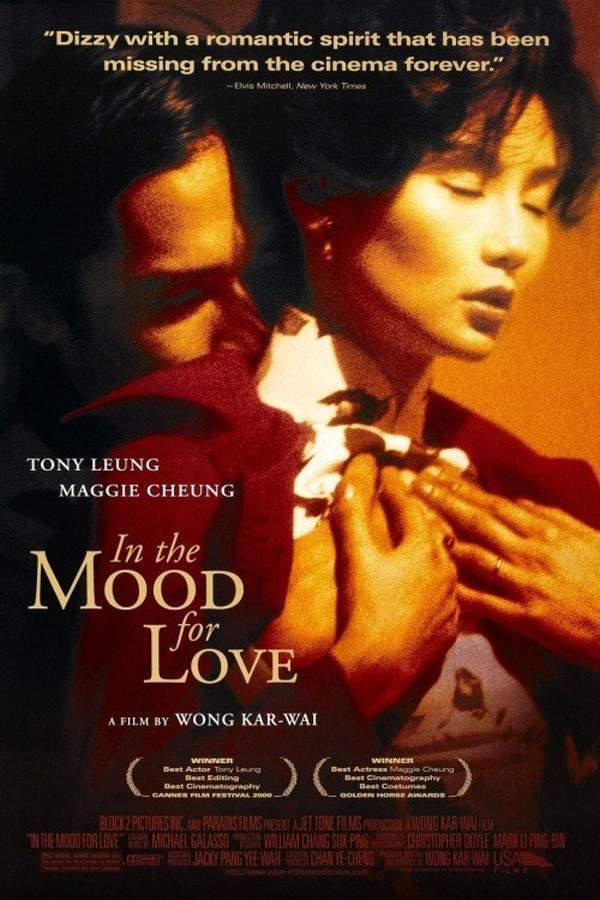
Edited from previously unreleased footage, this short film provides a rare look at Tony Leung and Maggie Cheung in roles distinct from their celebrated performances as lovers. Marking a significant moment for Asian cinema, it’s the first Asian film NFT presented at international auction houses. The artwork commemorates the first day of production for the acclaimed 2000 film and offers a glimpse into the creative process, reflecting director Wong Kar Wai's perspective on the fleeting nature of inspiration.
Warning: spoilers below!
Haven’t seen In the Mood for Love: Day One yet? This summary contains major spoilers. Bookmark the page, watch the movie, and come back for the full breakdown. If you're ready, scroll on and relive the story!
Trace every key event in In the Mood for Love: Day One (2021) with our detailed, chronological timeline. Perfect for unpacking nonlinear stories, spotting hidden connections, and understanding how each scene builds toward the film’s climax. Whether you're revisiting or decoding for the first time, this timeline gives you the full picture.
Last updated: October 01, 2025 at 10:24
Find frequently asked questions about the In the Mood for Love: Day One (2021) timeline, including chronological order, nonlinear jumps, cause-and-effect links, and scene sequence clarifications. This timeline FAQ helps explain when key events happen, how moments connect, and why the story unfolds in that specific order.
They become close because they share a unique understanding of betrayal. Both are left alone in adjacent apartments while their spouses are away, and the discovery creates an instant bond, they are the only two people who truly comprehend what the other has experienced. Their connection grows from this shared pain, not from a desire to revenge.
Their loneliness is established from the very first scene, as both return late from work to empty apartments.
They piece it together through small coincidences. Su notices her husband has a handbag that matches one Chow's wife owns, and Chow sees Su's husband wearing a tie identical to one he gave his wife. These tiny details accumulate until they both acknowledge the truth.
Early scenes show them noticing small, almost imperceptible details about each other, building their observational skills.
They reenact the affair to understand how it started and process their own hurt. By reconstructing the possible moments and places where their partners could have met, they attempt to make sense of the betrayal logically rather than emotionally. The exercise is clinical rather than reckless, they're trying to understand the mechanics of what happened.
Their conversations early on show them already comparing small details between their households.
Chow uses the martial arts serial project as a legitimate reason to spend time with Su. Recognizing that their increased proximity would draw neighbor gossip, renting a hotel room allows them to work together privately. The project becomes a shared endeavor that fills the empty hours and creates a purpose for their connection.
Earlier scenes establish that both have significant free time alone in their apartments.
Su agrees to go to Singapore with Chow and arrives at the hotel hoping to start a new life together. However, she arrives too late, the room is already empty. This moment represents the film's central tragedy: timing and hesitation prevent them from seizing their chance at happiness, not because they don't want to, but because they cannot overcome their own restraint.
Their pattern of proximity and distance throughout the film builds toward this moment of almost.
At Angkor Wat, Chow whispers a secret into a hollow in a wall and seals it with mud, mirroring an old parable he once told. This ritual symbolizes his acceptance of unexpressed love, choosing to bury his feelings rather than speak them aloud to Su. The moment represents closure through containment, not confrontation.
The parable about whispering secrets to a tree is told earlier in Singapore, establishing this as a thematic throughline.
When Su visits Chow's Singapore apartment after he's left Hong Kong, she finds a lipstick-stained cigarette butt in the ashtray. This small, stubborn sign confirms she had been there before him, a physical reminder of her presence that keeps their connection alive across distance. It becomes a symbol of memory and longing.
Earlier scenes establish Su as someone who smokes, creating this connection.
Chow accepts the Singapore job offer as a way to create distance from his painful situation in Hong Kong. When he invites Su to join him, it's both a genuine invitation to start fresh together and a test, whether she would truly leave everything behind. Her tentative agreement shows hope, but the eventual failure of their meeting represents the collapse of that hope.
His conversations with Su about their spouses foreshadow his desire to escape the situation.
They never get together because both are bound by a sense of propriety and fear of becoming like their cheating spouses. They refuse to betray each other as they have been betrayed. Their restraint is both moral and self-protective, they would rather carry the pain of unrequited love than risk corrupting it with the same betrayal that hurt them.
Their conversations throughout show they are acutely aware of not wanting to repeat their spouses' actions.
The ending reflects the film's central theme: some truths remain unspoken and some loves remain unconsummated. They continue to exist in proximity, living in adjacent apartments at one point, without ever fully crossing the threshold. The parted doors and walls that keep voices just out of reach symbolize a love that endures in memory but never in reality.
The recurring motif of walls, doors, and spaces between runs throughout the entire film.
The neighbors whisper and watch because of their increased time together and the hotel room arrangement. In the conservative 1962 Hong Kong setting, any man and woman spending private time together invites speculation. The gossip creates social pressure that contributes to their need for privacy, but also reminds them of how their behavior appears to others.
Mrs. Suen is established as nosy from the beginning, watching everyone's comings and goings.
The hollow sealed with mud represents secrets kept and unexpressed truths. When someone holds a secret, the parable goes, they whisper it into a tree hollow and seal it, keeping it safe but hidden. For Chow and Su, their love remains a secret sealed in this way: preserved in memory but never spoken aloud to each other, existing only in the spaces between what they say.
Chow tells this parable in Singapore before the Angkor Wat scene, establishing its thematic weight.
Discover curated groups of movies connected by mood, themes, and story style. Browse collections built around emotion, atmosphere, and narrative focus to easily find films that match what you feel like watching right now.
Mood-driven narratives that explore the profound ache of silent desire.Find movies like 'In the Mood for Love: Day One' that capture a similar feeling of restrained emotion and atmospheric melancholy. If you appreciated its focus on subtle yearning and quiet observation, these similar romance and drama stories will resonate with you.
Narratives in this thread often unfold with a gentle, observational pace, focusing on small, significant moments. The journey is internal, charting the slow growth of a connection defined by restraint and the haunting weight of what could have been, rather than overt action.
Movies are grouped here based on their shared devotion to a melancholic, atmospheric mood, a slow and deliberate pacing that lets emotions breathe, and a central theme of yearning that is felt more than it is expressed.
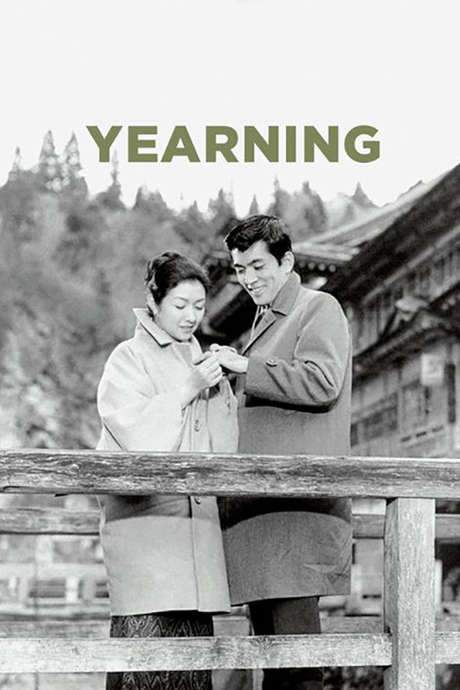
Stories that dwell on the poignant beauty and sadness of paths not taken.Discover films similar to 'In the Mood for Love: Day One' that explore the bittersweet pain of missed chances and unfulfilled romance. These movies share a focus on memory, longing, and the haunting question of what might have been.
The narrative pattern typically follows characters as they reflect on a pivotal, often quiet, moment of connection that went unconsummated. The conflict is internal and temporal, pitting memory and imagination against the reality of choices made, leading to endings that are poignant and reflective rather than resolved.
These films are united by their exploration of a specific emotional outcome: the bittersweet feeling that arises from contemplating an alternate life. They share a moderate complexity in dealing with memory and parallel timelines, and a melancholic tone centered on loss and reflection.
Don't stop at just watching - explore In the Mood for Love: Day One in full detail. From the complete plot summary and scene-by-scene timeline to character breakdowns, thematic analysis, and a deep dive into the ending - every page helps you truly understand what In the Mood for Love: Day One is all about. Plus, discover what's next after the movie.
Read a complete plot summary of In the Mood for Love: Day One, including all key story points, character arcs, and turning points. This in-depth recap is ideal for understanding the narrative structure or reviewing what happened in the movie.
Discover the characters, locations, and core themes that shape In the Mood for Love: Day One. Get insights into symbolic elements, setting significance, and deeper narrative meaning - ideal for thematic analysis and movie breakdowns.