Year: 1982
Runtime: 107 mins
Language: English
Director: Jack Hofsiss
Two In The Morning. Two Before Lunch. Two After Dinner. Two Before Bed. Every Day. An adaptation of Barbara Gordon’s nonfiction account of her addiction to Valium.
Find where to stream, rent, or buy I’m Dancing as Fast as I Can (1982) in the US with current JustWatch availability, up-to-date pricing, and platform listings for subscription, rental, and digital purchase options.
Warning: spoilers below!
Haven’t seen I’m Dancing as Fast as I Can yet? This summary contains major spoilers. Bookmark the page, watch the movie, and come back for the full breakdown. If you're ready, scroll on and relive the story!
Explore the full timeline and setting of I’m Dancing as Fast as I Can (1982). Follow every major event in chronological order and see how the environment shapes the story, characters, and dramatic tension.
Last updated: October 04, 2025 at 12:46
Meet the key characters of I’m Dancing as Fast as I Can (1982), with detailed profiles, motivations, and roles in the plot. Understand their emotional journeys and what they reveal about the film’s deeper themes.
Last updated: October 04, 2025 at 12:46
Explore the central themes of I’m Dancing as Fast as I Can (1982), from psychological, social, and emotional dimensions to philosophical messages. Understand what the film is really saying beneath the surface.
Last updated: October 04, 2025 at 12:46
Browse frequently asked questions about I’m Dancing as Fast as I Can (1982) focused on characters, relationships, themes, symbols, setting, and story context. This movie info FAQ gives spoiler-aware explanations for character arcs, world details, and thematic interpretation so readers can better understand what the film is really about.
Most of the story takes place in Barbara's home, a polished high-achieving environment where personal and professional pressures collide. The narrative also moves into clinical spaces for therapy and institutional care, reflecting the era's approach to mental health treatment.
The movie is set in the early 1980s, a period when women in demanding careers faced intense scrutiny and treatments like Valium were commonly prescribed for anxiety. Public conversations about mental health were beginning to evolve, but psychotherapy often focused on managing symptoms within high-pressure lifestyles.
The film explores the fragility of mental health under professional and personal strain, showing how Barbara's anxiety and reliance on sedatives mask deeper issues. It examines the limitations of therapy and medicine when addressing root causes, portraying recovery as a long patient process rather than a quick fix.
Derek Bauer, Barbara's live-in lover and attorney, embodies coercive control that erodes her autonomy, turning their intimate relationship into a trap. His alcoholism and need to assert ownership create a dangerous power dynamic, culminating in a brutal confinement scene that forces Barbara to confront the consequences of dependency.
The film explores how art construes reality, with Barbara overseeing a documentary project about cancer patient Jean Scott Martin that mirrors her own crisis. Tensions arise between honest depiction and optimistic framing, highlighting the responsibility of filmmakers to portray truth. The finale uses Barbara's revised beach ending as a meta-commentary on healing through art.
Barbara Gordon is a high-powered professional in a male-dominated industry whose outward success masks intense anxiety and growing dependence on Valium. Her drive to maintain composure strains personal relationships and fuels a need to control her environment. The crisis surrounding her cancer-film project triggers a painful self-discovery and journey toward recovery.
Derek Bauer is Barbara's live-in lover and attorney who exerts coercive control, blending charm with domination. His presence represents the obstructions to Barbara seeking help and pursuing creative integrity. His alcoholism and need for ownership create a dangerous power dynamic that culminates in domestic abuse.
Jean Scott Martin is a cancer patient whose illness anchors the film's emotional core. Her fear of false optimism clashes with Barbara's hopeful approach to the documentary, prompting a candid confrontation about truth in representation. Her illness and interactions with Barbara catalyze Barbara's self-awareness and commitment to genuine healing.
Barbara has two therapists with contrasting approaches. Dr. Kalman represents an insufficient treatment model, focusing on managing symptoms rather than addressing root causes. Julie Addison provides crucial support during hospitalization and recovery, offering stability and encouragement that helps Barbara rebuild confidence and re-engage with her project.
The final imagery shifts to the beach, signaling renewal and the possibility of a healthier balance. This setting serves as a meta-commentary on healing through art, as Barbara's revised ending on the beach represents her journey toward recovery and genuine creative expression.
Discover curated groups of movies connected by mood, themes, and story style. Browse collections built around emotion, atmosphere, and narrative focus to easily find films that match what you feel like watching right now.
Intimate stories of a single character's psychological collapse and struggle.If you were captivated by the raw, internal collapse in I'm Dancing as Fast as I Can, explore more movies that focus on a single character's harrowing psychological journey. These films share a similar intensity and claustrophobic feel, portraying a personal hell with unflinching honesty.
Narratives in this thread follow a linear, downward trajectory of a protagonist's psychological or physical breakdown. The conflict is largely internal or stems from dependence on a destructive force, leading to a crisis point before a difficult, often arduous, path toward some form of recovery or resolution.
Movies are grouped here for their shared high-intensity, dark tone, and heavy emotional weight. They prioritize an immersive, often painful, character study over complex plots, resulting in a consistently tense and gripping viewing experience focused on survival and redemption.

Stories where survival comes at a cost, blending hard-earned hope with lasting scars.For viewers who appreciated the difficult, nuanced ending of I'm Dancing as Fast as I Can, this collection features similar dramas about overcoming trauma. These movies don't offer easy solutions but instead focus on the heavy emotional toll and complex reality of recovery.
The narrative pattern involves a protagonist facing a severe crisis—often related to addiction, abuse, or mental health—that leads to a complete breakdown. The journey back is the core of the story, culminating in an ending that acknowledges the victory of survival while being sobered by the pain endured and the losses sustained along the way.
These films share a focus on heavy, real-world themes, a straightforward narrative structure that emphasizes emotional journey over plot twists, and a definitive bittersweet ending feel. The pacing is steady, building emotional weight methodically toward a conclusion that is hopeful yet scarred.
Don't stop at just watching - explore I’m Dancing as Fast as I Can in full detail. From the complete plot summary and scene-by-scene timeline to character breakdowns, thematic analysis, and a deep dive into the ending - every page helps you truly understand what I’m Dancing as Fast as I Can is all about. Plus, discover what's next after the movie.
Read a complete plot summary of I’m Dancing as Fast as I Can, including all key story points, character arcs, and turning points. This in-depth recap is ideal for understanding the narrative structure or reviewing what happened in the movie.
Track the full timeline of I’m Dancing as Fast as I Can with every major event arranged chronologically. Perfect for decoding non-linear storytelling, flashbacks, or parallel narratives with a clear scene-by-scene breakdown.
Discover movies like I’m Dancing as Fast as I Can that share similar genres, themes, and storytelling elements. Whether you’re drawn to the atmosphere, character arcs, or plot structure, these curated recommendations will help you explore more films you’ll love.
I’m Dancing as Fast as I Can (1982) Plot Summary & Movie Recap
I’m Dancing as Fast as I Can (1982) Scene-by-Scene Movie Timeline
I’m Dancing as Fast as I Can (1982) Spoiler-Free Summary & Key Flow
Movies Like I’m Dancing as Fast as I Can – Similar Titles You’ll Enjoy
Permanent Midnight (1998) Full Movie Breakdown
All That Jazz (1979) Ending Explained & Film Insights
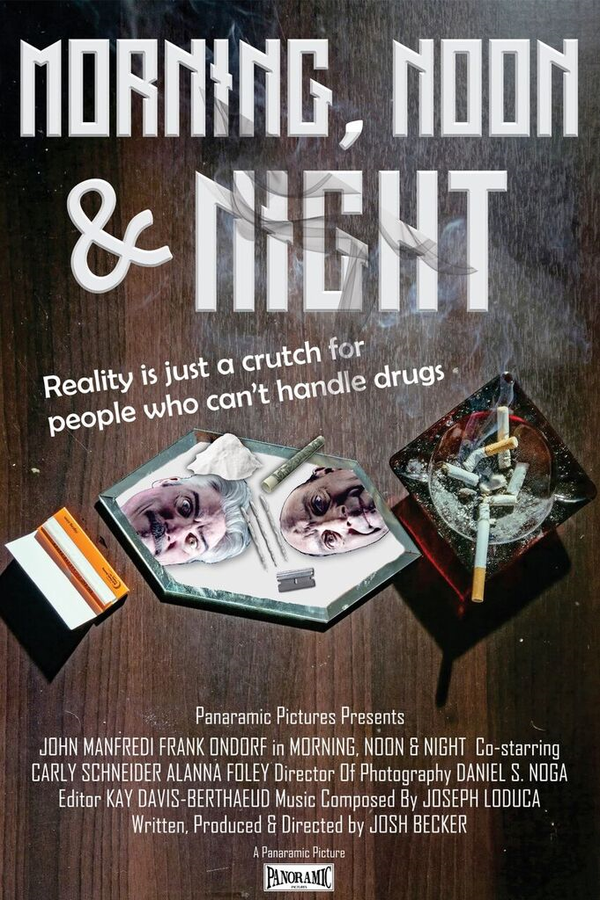
Morning, Noon & Night (2018) Detailed Story Recap
Dancing in September (2001) Plot Summary & Ending Explained
Fast Forward (1985) Film Overview & Timeline
Jo Jo Dancer, Your Life Is Calling (1986) Ending Explained & Film Insights
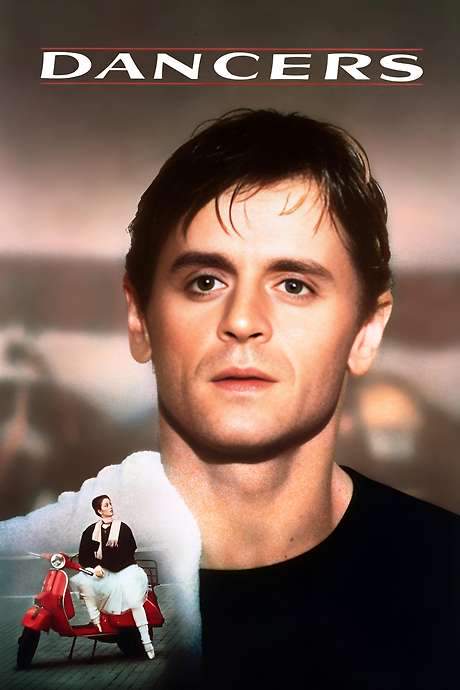
Dancers (1987) Ending Explained & Film Insights
Clean and Sober (1988) Spoiler-Packed Plot Recap
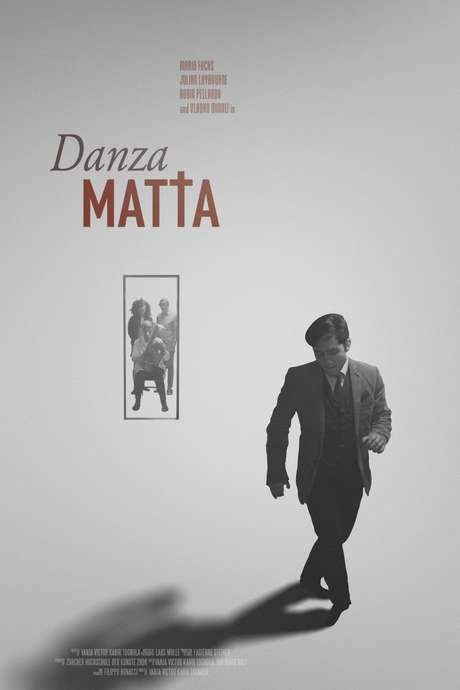
Danzamatta (2021) Spoiler-Packed Plot Recap
Dance Hall (1929) Plot Summary & Ending Explained
Dancing in the Dark (1949) Detailed Story Recap
Dance, Girl, Dance (1940) Film Overview & Timeline
Night Into Morning (1951) Full Movie Breakdown
Dancing on the Ceiling (1937) Plot Summary & Ending Explained
Slow Dancing In The Big City (1978) Complete Plot Breakdown