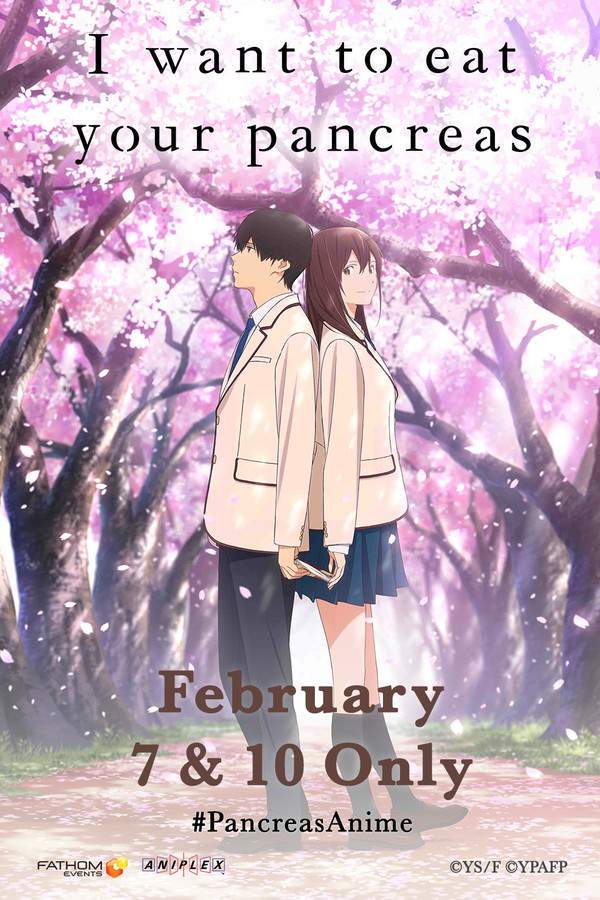
A quiet high school student discovers a girl's diary while waiting at a hospital. The diary details the experiences of a cheerful classmate facing a terminal pancreatic illness. As they spend time together, an unexpected friendship develops, allowing them to explore themes of life, death, and the importance of human connection in the face of adversity.
Warning: spoilers below!
Haven’t seen I Want to Eat Your Pancreas yet? This summary contains major spoilers. Bookmark the page, watch the movie, and come back for the full breakdown. If you're ready, scroll on and relive the story!
Trace every key event in I Want to Eat Your Pancreas (2019) with our detailed, chronological timeline. Perfect for unpacking nonlinear stories, spotting hidden connections, and understanding how each scene builds toward the film’s climax. Whether you're revisiting or decoding for the first time, this timeline gives you the full picture.
Last updated: November 08, 2024 at 01:15
Find frequently asked questions about the I Want to Eat Your Pancreas (2019) timeline, including chronological order, nonlinear jumps, cause-and-effect links, and scene sequence clarifications. This timeline FAQ helps explain when key events happen, how moments connect, and why the story unfolds in that specific order.
Sakura notices Haruki reading her diary at the hospital and decides to pursue a friendship with him specifically because he now knows her secret. Having discovered someone who understands her situation without being part of her existing circle, she sees an opportunity to create meaningful connections before her time runs out. Her cheerful approach masks her awareness that she has limited time to form these bonds.
The film hints at Sakura's intentionality from the start, she leaves her diary in a public place, suggesting she is seeking exactly the kind of connection she finds with Haruki.
Haruki initially resists Sakura's requests, but he eventually agrees largely because of her persistence and the guilt he feels from reading her diary. When she shares her list of things she wants to do before dying and asks him to join her, his sense of obligation combined with her cheerful insistence overcomes his reluctance. His agreement also stems from curiosity and a hidden desire for connection that he himself admits he lacks.
Sakura avoids telling Kyoko about her terminal illness because she fears being treated with pity rather than as a normal person. At the beach, she confides to Haruki that she doesn't want Kyoko's perception of her to change or to receive sympathetic treatment. She wants their friendship to remain authentic and unaffected by the knowledge of her impending death.
Kyoko's warning to Sakura about getting too close to Haruki gains extra weight given that Kyoko doesn't know the full truth of Sakura's condition.
Haruki flees after their kiss because he is overwhelmed by confusion and fear. He has never been in a romantic situation before and is not prepared for that level of intimacy. Additionally, he is acutely aware of Sakura's terminal condition, which makes any romantic involvement feel weighted with the inevitability of loss. His flight represents his struggle to process these complex emotions.
Takahiro is another student who is interested in Sakura romantically. When he sees the developing bond between Haruki and Sakura, combined with the aftermath of their kiss and Haruki's emotional state, Takahiro confronts him aggressively out of jealousy and frustration. The confrontation represents the complicated emotional landscape surrounding Sakura.
The title "Living with the Dead" reflects Sakura's awareness that she is already living on borrowed time due to her terminal pancreatic illness. Despite knowing she will die, she continues to live fully and joyfully, a paradox of being alive while already facing death. The diary chronicles this unique perspective of someone who must confront their mortality while still experiencing life's pleasures.
Haruki discovers numerous medication bottles in Sakura's bag, which serves as a stark reminder of her serious illness despite her constantly cheerful demeanor. This moment foreshadows the reality of her condition and creates tension, as Haruki becomes aware that her energy and optimism are happening alongside ongoing medical treatment. It grounds the film's romantic elements in the actual medical reality of her disease.
Sakura's decision to confront the harasser demonstrates her bold, live-life-fully attitude and refusal to ignore injustice. Despite being terminally ill and physically smaller than the man, she acts courageously to protect the elderly woman. This act of bravery strengthens her bond with Haruki, as he witnesses her willingness to take risks and stand up for others regardless of the personal cost.
When Sakura insists their meeting was fate, she is expressing her belief that their connection was meant to happen, particularly given the circumstances of her illness and his discovery of her diary. This reflects her philosophical acceptance of her situation and her desire to find meaning in the time she has left. She frames their relationship as something predestined that gives her remaining days purpose.
Haruki hesitates to share his first name because doing so would make their connection feel more permanent and real, which terrifies him given Sakura's terminal condition. He is afraid of becoming deeply attached to someone who will inevitably die. This hesitation reflects his overall guarded nature and fear of loss, which he eventually overcomes as their relationship deepens.
The summer vacation represents the peak of Haruki and Sakura's relationship, a period where they create lasting memories and deepen their emotional connection outside the constraints of school. These adventures allow Haruki to truly experience joy and friendship for perhaps the first time, while also giving Sakura the meaningful experiences she desired. The vacation serves as the emotional core of the film.
Sakura's request for Haruki to treat her more like a girlfriend reflects her desire for their relationship to become more romantic and intimate. She wants to experience a normal romantic relationship despite her illness, and she sees Haruki as the person she wants that experience with. This moment shows her willingness to pursue life fully even when facing death.
The ending shows Haruki finally coming to terms with his feelings and learning to embrace connection despite knowing loss is inevitable. He stops running from his emotions and accepts Sakura's presence in his life, understanding that the time they have together, even if limited, holds immense value. His growth from a withdrawn, solitary person to someone willing to face emotional vulnerability is complete.
The truth or dare game represents a pivotal moment in their relationship where Sakura's directness forces Haruki to confront his true feelings. Her bold questions push him out of his comfort zone and create an opportunity for genuine emotional intimacy. This scene marks a turning point where their friendship deepens into something more profound and emotionally vulnerable.
Discover curated groups of movies connected by mood, themes, and story style. Browse collections built around emotion, atmosphere, and narrative focus to easily find films that match what you feel like watching right now.
Stories where a deep connection blossoms under the shadow of a terminal illness.If you appreciated the heartfelt connection in I Want to Eat Your Pancreas, discover other movies that explore similar themes. These stories focus on the tender bonds formed in the shadow of mortality, blending moments of life-affirming joy with the heavy weight of an inevitable goodbye. They are quiet, character-driven dramas about the power of human connection.
The narrative pattern follows an unlikely friendship or romance that deepens as one character grapples with a terminal diagnosis. The story unfolds through a series of shared experiences, often including a 'bucket list' of adventures, leading to profound personal growth for both individuals. The journey is emotionally linear, building towards a cathartic and bittersweet conclusion that affirms the value of the time spent together.
These films are grouped by their shared focus on the emotional journey of living with a terminal condition, emphasizing human connection over medical drama. They share a bittersweet tone, steady pacing, and a heavy emotional weight, creating a cohesive viewing experience centered on love, loss, and the meaning of life.
Coming-of-age stories where joy and sorrow intertwine in a meaningful relationship.Viewers who liked the heartfelt and melancholic mood of I Want to Eat Your Pancreas will find similar stories here. These are coming-of-age dramas and romances where youthful energy mixes with deeper, more somber themes. They feature steady pacing, strong character development, and endings that are emotionally resonant and bittersweet.
The narrative follows an introverted or isolated protagonist who is drawn out of their shell by a more vibrant character. Through their shared experiences, both characters undergo significant personal growth, often learning to embrace life more fully. The journey is marked by a mix of lighthearted youthful moments and a underlying current of sadness or impermanence, leading to an ending that is emotionally satisfying yet poignant.
Movies in this thread share a specific emotional mix: the hopefulness of youth combined with a melancholic or bittersweet undercurrent. They are united by a steady, character-focused pacing, a medium intensity that allows emotions to breathe, and a central theme of transformative relationships during formative years.
Don't stop at just watching - explore I Want to Eat Your Pancreas in full detail. From the complete plot summary and scene-by-scene timeline to character breakdowns, thematic analysis, and a deep dive into the ending - every page helps you truly understand what I Want to Eat Your Pancreas is all about. Plus, discover what's next after the movie.
Read a complete plot summary of I Want to Eat Your Pancreas, including all key story points, character arcs, and turning points. This in-depth recap is ideal for understanding the narrative structure or reviewing what happened in the movie.
Discover the characters, locations, and core themes that shape I Want to Eat Your Pancreas. Get insights into symbolic elements, setting significance, and deeper narrative meaning - ideal for thematic analysis and movie breakdowns.
What really happened at the end of I Want to Eat Your Pancreas? This detailed ending explained page breaks down final scenes, hidden clues, and alternate interpretations with expert analysis and viewer theories.
Discover movies like I Want to Eat Your Pancreas that share similar genres, themes, and storytelling elements. Whether you’re drawn to the atmosphere, character arcs, or plot structure, these curated recommendations will help you explore more films you’ll love.
I Want to Eat Your Pancreas (2019) Plot Summary & Movie Recap
I Want to Eat Your Pancreas (2019) Scene-by-Scene Movie Timeline
I Want to Eat Your Pancreas (2019) Ending Explained & Theories
I Want to Eat Your Pancreas (2019) Spoiler-Free Summary & Key Flow
Movies Like I Want to Eat Your Pancreas – Similar Titles You’ll Enjoy
Your Name. (2017) Detailed Story Recap
My Oni Girl (2024) Full Summary & Key Details
Let Me Eat Your Pancreas (2017) Complete Plot Breakdown
AnoHana: The Flower We Saw That Day (2015) Ending Explained & Film Insights
Peach Girl (2017) Full Movie Breakdown
Citrus (1000) Spoiler-Packed Plot Recap
Real Girl (2018) Story Summary & Characters
O Maidens in Your Savage Season (1000) Complete Plot Breakdown
School Days (1000) Plot Summary & Ending Explained
Adachi and Shimamura (1000) Story Summary & Characters
One in a Hundred Thousand (2020) Full Summary & Key Details
The Apothecary Diaries (1000) Film Overview & Timeline
One in a Hundred Thousand (2020) Complete Plot Breakdown
The Best Student: Last Dance with 1 Year to Live (1000) Story Summary & Characters
Tak Ingin Usai Disini (2025) Movie Recap & Themes