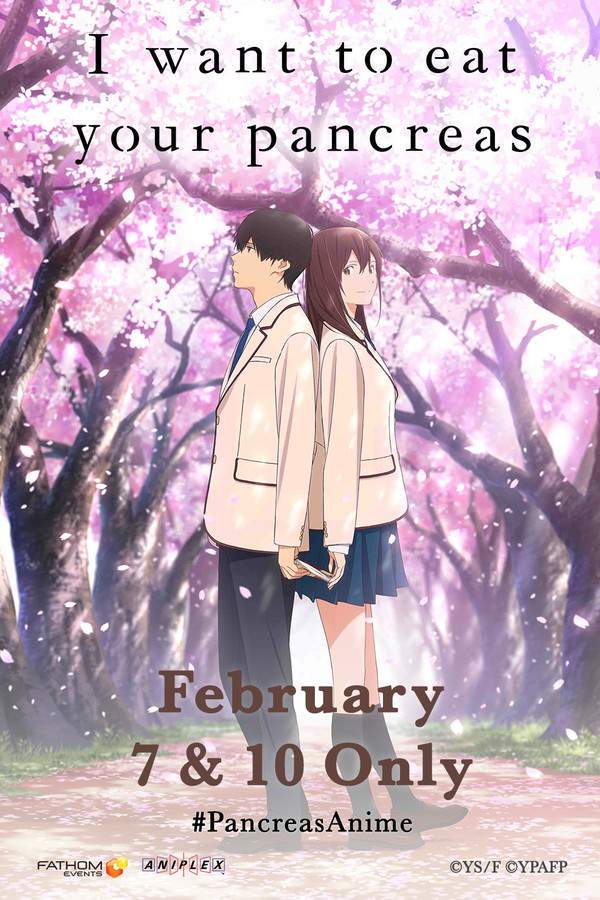
I Want to Eat Your Pancreas

I Want to Eat Your Pancreas

Year: 2019

Runtime: 108 min

Language: Japanese

Director: Shin'ichirô Ushijima

Echo Score: 85
DramaRomanceAnimation

A quiet high school student discovers a girl's diary while waiting at a hospital. The diary details the experiences of a cheerful classmate facing a terminal pancreatic illness. As they spend time together, an unexpected friendship develops, allowing them to explore themes of life, death, and the importance of human connection in the face of adversity.

Warning: spoilers below!

Haven’t seen I Want to Eat Your Pancreas yet? This summary contains major spoilers. Bookmark the page, watch the movie, and come back for the full breakdown. If you're ready, scroll on and relive the story!

Timeline & Setting – I Want to Eat Your Pancreas (2019)

Explore the full timeline and setting of I Want to Eat Your Pancreas (2019). Follow every major event in chronological order and see how the environment shapes the story, characters, and dramatic tension.

Time period

The narrative appears to take place in contemporary times, reflecting modern themes of youth and friendship. As they navigate their relationship, the characters confront challenges that resonate with the current societal attitudes toward health and connection.

Location

Hospital, Library, Café, Beach, Hotel

The story unfolds across various settings, including a hospital where pivotal moments of discovery occur, and a cozy library that becomes a central gathering place for Haruki and Sakura. The café represents the warmth of their emerging friendship, while the beach serves as a backdrop for heartfelt conversations. Lastly, the hotel offers a space for deeper emotional encounters between the two characters.

🏥 Hospital 📚 Library ☕ Café 🌊 Beach 🏨 Hotel

Last updated: October 22, 2024 at 19:18

Was this helpful?

Main Characters – I Want to Eat Your Pancreas (2019)

Meet the key characters of I Want to Eat Your Pancreas (2019), with detailed profiles, motivations, and roles in the plot. Understand their emotional journeys and what they reveal about the film’s deeper themes.

Haruki

Haruki is a reserved and introspective young man who struggles with social connections and often feels isolated. Throughout the film, he faces his fears and insecurities as he grows closer to Sakura, eventually learning to embrace vulnerability. His character represents the journey of opening up and the transformative power of friendship.

😶‍🌫️ Reserved ❤️ Growth 🤔 Introspective

Sakura

Sakura is a spirited and determined girl who fights against the limitations imposed by her terminal illness. Her vivacity and zest for life challenge those around her, especially Haruki, to appreciate the present. She embodies resilience and the will to forge meaningful connections despite her circumstances.

🌸 Spirited 💪 Resilient 🎉 Joyful

Kyoko

Kyoko is Sakura's best friend, who represents both concern and care in light of Sakura's condition. She often warns Sakura about the emotional risks associated with forming a deep bond with Haruki, showcasing the protective instincts of friendship amid vulnerability. Kyoko serves as a grounding force in the narrative.

👭 Friendship ⚠️ Concerned 💔 Loyal

Takahiro

Takahiro is another character interested in Sakura, often depicting the challenges and misunderstandings that arise from complex relationships. He confronts Haruki out of jealousy, showcasing the emotional turmoil and rivalries that can develop in the wake of friendship and love.

⚔️ Rivalry 😡 Jealousy 💔 Interest

Last updated: October 22, 2024 at 19:18

Was this helpful?

Major Themes – I Want to Eat Your Pancreas (2019)

Explore the central themes of I Want to Eat Your Pancreas (2019), from psychological, social, and emotional dimensions to philosophical messages. Understand what the film is really saying beneath the surface.

💔 Friendship

At its core, the film explores the profound connection that forms between Haruki and Sakura, highlighting the importance of companionship in the face of adversity. Sakura's illness brings a sense of urgency to their relationship, prompting them to cherish fleeting moments. Their evolving friendship demonstrates how bonds can provide solace and meaning even amid sorrow.

⏳ Mortality

The theme of mortality is a central element of the story, as Sakura's terminal illness looms over her and Haruki's experiences. This theme prompts both characters to confront their feelings about life and death, pushing them to live fully in each moment. It serves as a poignant reminder of the fragility of life and the necessity to appreciate the time we have.

🦋 Self-discovery

As the characters navigate their relationship, they each embark on journeys of self-discovery. Haruki learns to open up and embrace emotional connections, while Sakura seeks to fulfill her dreams despite her limited time. Their experiences illustrate how love and friendship can inspire personal growth and understanding.

Last updated: October 22, 2024 at 19:18

Was this helpful?

I Want to Eat Your Pancreas (2019) Character & Theme Questions Answered – Info FAQ

Browse frequently asked questions about I Want to Eat Your Pancreas (2019) focused on characters, relationships, themes, symbols, setting, and story context. This movie info FAQ gives spoiler-aware explanations for character arcs, world details, and thematic interpretation so readers can better understand what the film is really about.

Q1

Where does the story take place?

A.

The story unfolds across several key locations including a hospital where the initial discovery occurs, a cozy library that becomes a central gathering spot, a café representing the warmth of their friendship, a beach for heartfelt conversations, and a hotel that provides space for deeper emotional moments between the characters.

locationssettinghospitallibrarycafebeachhotel
Q2

What are the main settings in the movie?

A.

The primary settings include a hospital where Haruki discovers Sakura's diary, a library that serves as their regular meeting place, a café where their friendship deepens, a beach for meaningful conversations, and a hotel room where significant emotional moments occur. Each location reflects a different stage of their evolving relationship.

settingslocationsjapanhigh schoolhospitallibrary
Q3

When does the story take place?

A.

The narrative is set in contemporary times, reflecting modern themes of youth, friendship, and current societal attitudes toward health and personal connections. No specific year or era is emphasized, keeping the story grounded in present-day Japan.

time periodcontemporarymodernjapansetting
Q4

What are the main themes of the movie?

A.

The film explores three central themes: friendship and the profound human connection that forms between people facing adversity; mortality and confronting life and death through Sakura's terminal illness; and self-discovery, as both characters undergo personal growth through their relationship with each other.

themesfriendshipmortalityself-discoverylovedeath
Q5

What does the movie say about friendship?

A.

The film emphasizes how profound connections can provide solace and meaning even amid sorrow. Sakura's illness creates urgency in their relationship, prompting both characters to cherish fleeting moments. Their evolving bond demonstrates that friendship can offer emotional support and purpose during life's most challenging times.

friendshipconnectionrelationshipSakuraHaruki
Q6

How does the movie address mortality?

A.

Sakura's terminal pancreatic illness looms over the narrative, forcing both Haruki and Sakura to confront their feelings about life and death. The theme serves as a poignant reminder of life's fragility, encouraging viewers to appreciate the time they have and live fully in each present moment.

mortalitydeathterminal illnesslifepancreas disease
Q7

What role does self-discovery play in the story?

A.

Both characters undergo significant personal growth through their relationship. Haruki, initially reserved and isolated, learns to open up and embrace emotional vulnerability. Sakura, despite her limited time, pursues her dreams and seeks meaningful connections, illustrating how love and friendship can inspire profound personal understanding.

self-discoverygrowthpersonal journeyHarukiSakuracharacter development
Q8

Who is Haruki and what is his role?

A.

Haruki is a quiet, introspective high school student who struggles with social connections and often feels isolated. His character represents the journey of learning to open up and embrace vulnerability. Through his developing friendship with Sakura, he confronts his fears and insecurities, ultimately experiencing transformative personal growth.

Harukimain characterprotagonistshyreservedstudent
Q9

Who is Sakura and what defines her character?

A.

Sakura is a spirited and determined girl battling a terminal pancreatic illness. Her vibrant personality and zest for life contrast sharply with her medical condition. She embodies resilience and the fierce will to create meaningful connections despite her limited time, constantly challenging those around her to appreciate the present.

Sakuramain characterillnessterminalpancreaticcheerfuldetermined
Q10

Who is Kyoko in the movie?

A.

Kyoko is Sakura's best friend, representing concern and protective care regarding Sakura's condition. She often warns Sakura about the emotional risks of forming a deep bond with Haruki, serving as a grounding force in the narrative while showcasing the protective instincts of friendship during vulnerable times.

Kyokobest friendsupporting characterSakura friend
Q11

Who is Takahiro in the story?

A.

Takahiro is another character who shows interest in Sakura and represents the complex emotional dynamics that arise in relationships. He confronts Haruki out of jealousy, highlighting the emotional rivalries and misunderstandings that can emerge when friendship and romantic feelings intersect.

Takahirosupporting characterrivaljealousylove triangle
Q12

What is the tone and emotional style of the film?

A.

The film carries a bittersweet tone, masterfully balancing Sakura's cheerful, lighthearted energy with the heavy reality of her terminal illness. The pacing is steady, focusing on shared moments rather than complex plot mechanics. This creates a medium emotional intensity that allows the narrative's emotional weight to resonate clearly with viewers.

toneemotionalbittersweetstylepacinganimedrama
Q13

What is the movie's core message?

A.

At its core, the movie delivers a bittersweet yet affirming message about the value of human connection despite the inevitability of loss. It suggests that the time spent with loved ones, even when brief, can be life-changing and meaningful. The ending acknowledges grief while affirming that love and friendship leave lasting impacts.

messagemeaningendinglossvalue of timeconnection
Mobile App Preview

Coming soon on iOS and Android

The Plot Explained Mobile App

From blockbusters to hidden gems - dive into movie stories anytime, anywhere. Save your favorites, discover plots faster, and never miss a twist again.

Sign up to be the first to know when we launch. Your email stays private, always.

Explore Movie Threads

Discover curated groups of movies connected by mood, themes, and story style. Browse collections built around emotion, atmosphere, and narrative focus to easily find films that match what you feel like watching right now.

Movies about friendship and terminal illness like I Want to Eat Your Pancreas

Stories where a deep connection blossoms under the shadow of a terminal illness.If you appreciated the heartfelt connection in I Want to Eat Your Pancreas, discover other movies that explore similar themes. These stories focus on the tender bonds formed in the shadow of mortality, blending moments of life-affirming joy with the heavy weight of an inevitable goodbye. They are quiet, character-driven dramas about the power of human connection.

bittersweetpoignanttendermelancholichopefulintrospectiveemotional

Narrative Summary

The narrative pattern follows an unlikely friendship or romance that deepens as one character grapples with a terminal diagnosis. The story unfolds through a series of shared experiences, often including a 'bucket list' of adventures, leading to profound personal growth for both individuals. The journey is emotionally linear, building towards a cathartic and bittersweet conclusion that affirms the value of the time spent together.

Why These Movies?

These films are grouped by their shared focus on the emotional journey of living with a terminal condition, emphasizing human connection over medical drama. They share a bittersweet tone, steady pacing, and a heavy emotional weight, creating a cohesive viewing experience centered on love, loss, and the meaning of life.

Bittersweet coming-of-age movies like I Want to Eat Your Pancreas

Coming-of-age stories where joy and sorrow intertwine in a meaningful relationship.Viewers who liked the heartfelt and melancholic mood of I Want to Eat Your Pancreas will find similar stories here. These are coming-of-age dramas and romances where youthful energy mixes with deeper, more somber themes. They feature steady pacing, strong character development, and endings that are emotionally resonant and bittersweet.

bittersweetmelancholicnostalgictenderintrospectivehopefulcoming-of-agequiet

Narrative Summary

The narrative follows an introverted or isolated protagonist who is drawn out of their shell by a more vibrant character. Through their shared experiences, both characters undergo significant personal growth, often learning to embrace life more fully. The journey is marked by a mix of lighthearted youthful moments and a underlying current of sadness or impermanence, leading to an ending that is emotionally satisfying yet poignant.

Why These Movies?

Movies in this thread share a specific emotional mix: the hopefulness of youth combined with a melancholic or bittersweet undercurrent. They are united by a steady, character-focused pacing, a medium intensity that allows emotions to breathe, and a central theme of transformative relationships during formative years.

Unlock the Full Story of I Want to Eat Your Pancreas

Don't stop at just watching - explore I Want to Eat Your Pancreas in full detail. From the complete plot summary and scene-by-scene timeline to character breakdowns, thematic analysis, and a deep dive into the ending - every page helps you truly understand what I Want to Eat Your Pancreas is all about. Plus, discover what's next after the movie.

I Want to Eat Your Pancreas Summary

Read a complete plot summary of I Want to Eat Your Pancreas, including all key story points, character arcs, and turning points. This in-depth recap is ideal for understanding the narrative structure or reviewing what happened in the movie.

I Want to Eat Your Pancreas Summary

I Want to Eat Your Pancreas Timeline

Track the full timeline of I Want to Eat Your Pancreas with every major event arranged chronologically. Perfect for decoding non-linear storytelling, flashbacks, or parallel narratives with a clear scene-by-scene breakdown.

I Want to Eat Your Pancreas Timeline

I Want to Eat Your Pancreas Ending Explained

What really happened at the end of I Want to Eat Your Pancreas? This detailed ending explained page breaks down final scenes, hidden clues, and alternate interpretations with expert analysis and viewer theories.

I Want to Eat Your Pancreas Ending Explained

I Want to Eat Your Pancreas Spoiler-Free Summary

Get a quick, spoiler-free overview of I Want to Eat Your Pancreas that covers the main plot points and key details without revealing any major twists or spoilers. Perfect for those who want to know what to expect before diving in.

I Want to Eat Your Pancreas Spoiler-Free Summary

More About I Want to Eat Your Pancreas

Visit What's After the Movie to explore more about I Want to Eat Your Pancreas: box office results, cast and crew info, production details, post-credit scenes, and external links - all in one place for movie fans and researchers.

More About I Want to Eat Your Pancreas

Similar Movies to I Want to Eat Your Pancreas

Discover movies like I Want to Eat Your Pancreas that share similar genres, themes, and storytelling elements. Whether you’re drawn to the atmosphere, character arcs, or plot structure, these curated recommendations will help you explore more films you’ll love.