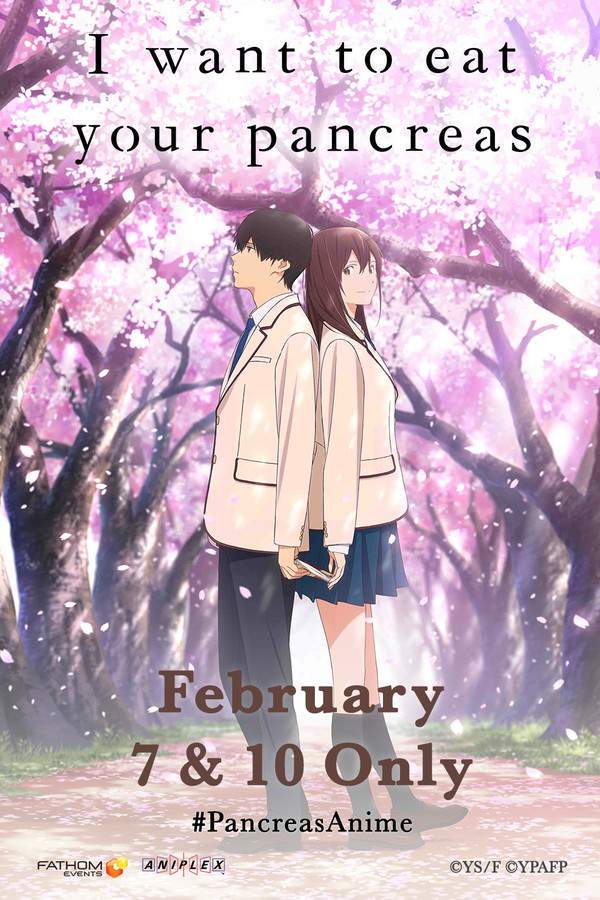
A quiet high school student discovers a girl's diary while waiting at a hospital. The diary details the experiences of a cheerful classmate facing a terminal pancreatic illness. As they spend time together, an unexpected friendship develops, allowing them to explore themes of life, death, and the importance of human connection in the face of adversity.
Warning: spoilers below!
Haven’t seen I Want to Eat Your Pancreas yet? This summary contains major spoilers. Bookmark the page, watch the movie, and come back for the full breakdown. If you're ready, scroll on and relive the story!
Still thinking about how I Want to Eat Your Pancreas (2019) ended? Here’s a full breakdown of the ending, key final moments, major twists, and the deeper meaning behind the film’s conclusion.
At the end of I Want to Eat Your Pancreas, Haruki is awaiting a meeting with Sakura after she’s been released from the hospital, but she doesn’t arrive. When he returns home, he’s stunned to see a news report revealing that Sakura was murdered unexpectedly — stabbed with a knife to the heart, killed by a random attacker linked to a series of local deaths. Her death, which was not shown on screen but hinted at earlier, hits hard because it underscores the unpredictability and suddenness of life’s end. The story’s emotional climax is heightened by this shocking turn, reminding viewers that death can strike at any moment in the most unexpected ways. Throughout the film, Sakura’s attitude and her acts of living fully serve as lessons to Haruki—highlighting the importance of cherishing each day and embracing life despite its inevitable end. Her tragic, offscreen death leaves a lasting impact, reinforcing the poignant message that life is fragile and unpredictable, yet worth appreciating deeply. In this way, the tragic ending resonates with the themes of love, mortality, and the importance of living in the present.
Last updated: June 25, 2025 at 08:44
Read frequently asked questions about the ending of I Want to Eat Your Pancreas (2019), including final-scene interpretation, twist explanations, character outcomes, and the deeper meaning behind the conclusion. This ending explained FAQ is designed for viewers searching for clear spoiler-heavy answers and ending breakdown insights.
Sakura doesn't meet Haruki because she is killed before their scheduled meeting. She is stabbed with a knife to the heart by a random attacker linked to a series of local murders. The news report about her death reaches Haruki while he waits for her, turning their anticipated reunion into a devastating moment of loss.
Earlier scenes subtly hint at the danger lurking in the background, with news mentions of local attacks that create an undercurrent of unease.
Sakura dies from a knife stabbing to the heart, murdered by a random attacker who is connected to a series of local deaths. Her death is not shown on screen but is revealed through a news report that Haruki watches at home. This violent death comes as a shocking contrast to the film's focus on her terminal pancreatic illness.
The film deliberately subverts expectations by having Sakura killed violently rather than dying from her terminal pancreatic illness. This choice emphasizes the central theme that death can strike unexpectedly at any moment, reinforcing the movie's message about the unpredictability and fragility of life.
Sakura's shocking death serves as a poignant reminder that life is fragile and unpredictable. Rather than dying peacefully from her illness as expected, she is taken suddenly by violence, underscoring the film's message that we cannot control when or how our time ends. Her death reinforces the importance of living fully in the present and cherishing every moment.
The ending delivers a powerful message that death can come suddenly and without warning, regardless of how prepared we think we are. While Sakura lived her remaining days with joy and positivity despite her illness, her death proves that life's most critical moments are beyond our control. The film urges viewers to embrace life fully and appreciate each day, echoing Sakura's own philosophy throughout the story.
Haruki is completely stunned and devastated when he sees the news report revealing Sakura's murder. Having spent months building a meaningful connection with her and learning to open up emotionally, the sudden loss represents a profound tragedy that tests everything he has gained from their friendship.
Yes, the film includes subtle hints about Sakura's impending death. News reports about a series of local murders appear throughout the narrative, creating an atmosphere of underlying danger. These references plant seeds of unease that make the final revelation feel both shocking and tragically inevitable.
The film chooses not to show Sakura's death directly, instead revealing it through a news report. This narrative choice spares viewers from graphic violence while also emphasizing the sudden, random nature of her passing. By showing only the aftermath through Haruki's perspective, the film maintains its emotional rather than exploitative approach to difficult content.
The contrast between Sakura's terminal illness and her violent death serves a deliberate thematic purpose. It demonstrates that life does not follow the narratives we expect, and that tragedy can come from entirely unexpected directions. This subversion reinforces the film's core message about embracing life despite knowing that death is inevitable and often unpredictable.
The film ends with Haruki processing the profound loss of Sakura. Having transformed from a quiet, withdrawn student into someone who learned to connect and cherish meaningful relationships, he must now carry forward the lessons she taught him about living fully. The ending suggests he will honor her memory by continuing to embrace life and connection.
Discover curated groups of movies connected by mood, themes, and story style. Browse collections built around emotion, atmosphere, and narrative focus to easily find films that match what you feel like watching right now.
Stories where a deep connection blossoms under the shadow of a terminal illness.If you appreciated the heartfelt connection in I Want to Eat Your Pancreas, discover other movies that explore similar themes. These stories focus on the tender bonds formed in the shadow of mortality, blending moments of life-affirming joy with the heavy weight of an inevitable goodbye. They are quiet, character-driven dramas about the power of human connection.
The narrative pattern follows an unlikely friendship or romance that deepens as one character grapples with a terminal diagnosis. The story unfolds through a series of shared experiences, often including a 'bucket list' of adventures, leading to profound personal growth for both individuals. The journey is emotionally linear, building towards a cathartic and bittersweet conclusion that affirms the value of the time spent together.
These films are grouped by their shared focus on the emotional journey of living with a terminal condition, emphasizing human connection over medical drama. They share a bittersweet tone, steady pacing, and a heavy emotional weight, creating a cohesive viewing experience centered on love, loss, and the meaning of life.
Coming-of-age stories where joy and sorrow intertwine in a meaningful relationship.Viewers who liked the heartfelt and melancholic mood of I Want to Eat Your Pancreas will find similar stories here. These are coming-of-age dramas and romances where youthful energy mixes with deeper, more somber themes. They feature steady pacing, strong character development, and endings that are emotionally resonant and bittersweet.
The narrative follows an introverted or isolated protagonist who is drawn out of their shell by a more vibrant character. Through their shared experiences, both characters undergo significant personal growth, often learning to embrace life more fully. The journey is marked by a mix of lighthearted youthful moments and a underlying current of sadness or impermanence, leading to an ending that is emotionally satisfying yet poignant.
Movies in this thread share a specific emotional mix: the hopefulness of youth combined with a melancholic or bittersweet undercurrent. They are united by a steady, character-focused pacing, a medium intensity that allows emotions to breathe, and a central theme of transformative relationships during formative years.
Don't stop at just watching - explore I Want to Eat Your Pancreas in full detail. From the complete plot summary and scene-by-scene timeline to character breakdowns, thematic analysis, and a deep dive into the ending - every page helps you truly understand what I Want to Eat Your Pancreas is all about. Plus, discover what's next after the movie.
Read a complete plot summary of I Want to Eat Your Pancreas, including all key story points, character arcs, and turning points. This in-depth recap is ideal for understanding the narrative structure or reviewing what happened in the movie.
Track the full timeline of I Want to Eat Your Pancreas with every major event arranged chronologically. Perfect for decoding non-linear storytelling, flashbacks, or parallel narratives with a clear scene-by-scene breakdown.
Discover the characters, locations, and core themes that shape I Want to Eat Your Pancreas. Get insights into symbolic elements, setting significance, and deeper narrative meaning - ideal for thematic analysis and movie breakdowns.
Discover movies like I Want to Eat Your Pancreas that share similar genres, themes, and storytelling elements. Whether you’re drawn to the atmosphere, character arcs, or plot structure, these curated recommendations will help you explore more films you’ll love.
I Want to Eat Your Pancreas (2019) Plot Summary & Movie Recap
I Want to Eat Your Pancreas (2019) Scene-by-Scene Movie Timeline
I Want to Eat Your Pancreas (2019) Movie Characters, Themes & Settings
I Want to Eat Your Pancreas (2019) Spoiler-Free Summary & Key Flow
Movies Like I Want to Eat Your Pancreas – Similar Titles You’ll Enjoy
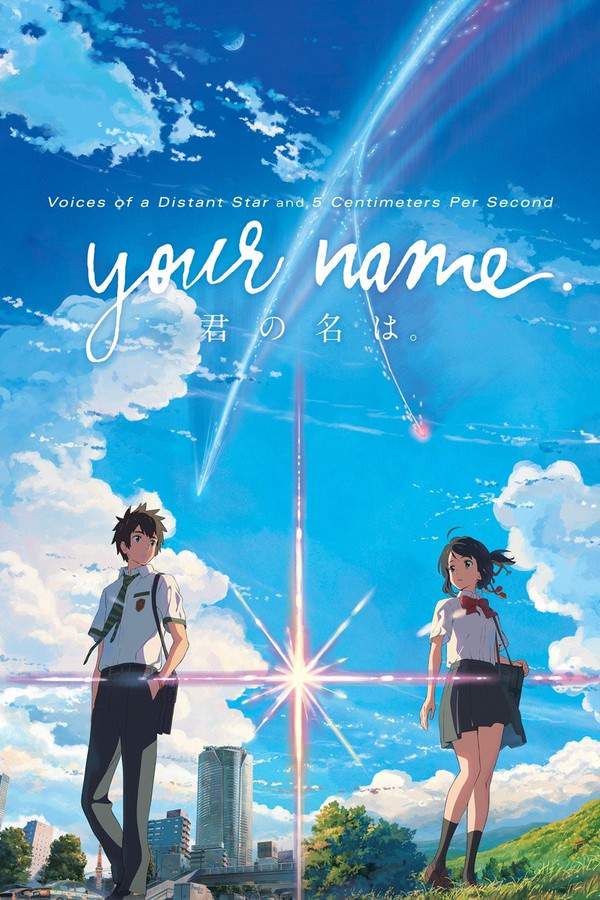
Your Name. (2017) Spoiler-Packed Plot Recap
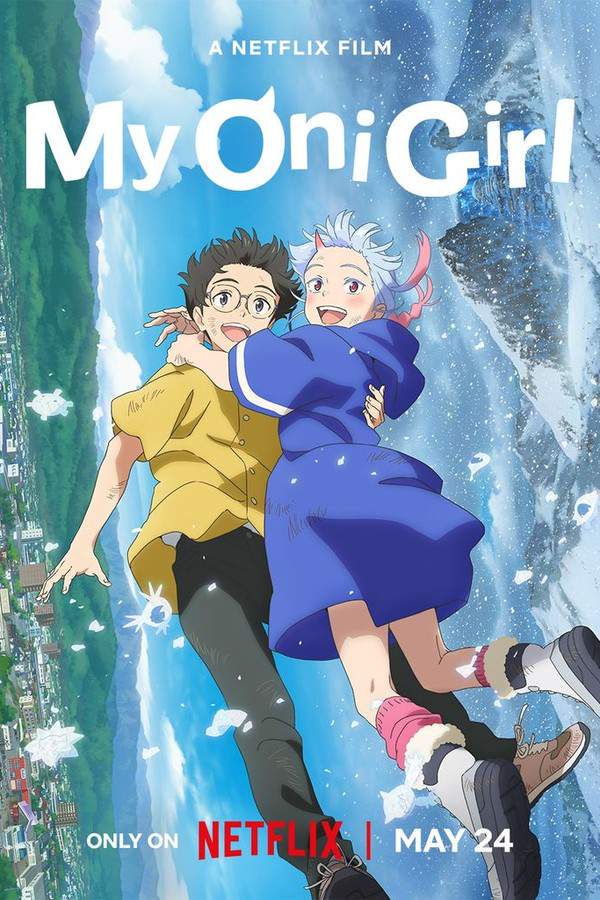
My Oni Girl (2024) Detailed Story Recap
Let Me Eat Your Pancreas (2017) Spoiler-Packed Plot Recap
AnoHana: The Flower We Saw That Day (2015) Film Overview & Timeline
Peach Girl (2017) Plot Summary & Ending Explained
Citrus (1000) Ending Explained & Film Insights
Real Girl (2018) Story Summary & Characters
O Maidens in Your Savage Season (1000) Film Overview & Timeline
School Days (1000) Plot Summary & Ending Explained
Adachi and Shimamura (1000) Full Summary & Key Details
One in a Hundred Thousand (2020) Full Summary & Key Details
The Apothecary Diaries (1000) Detailed Story Recap
One in a Hundred Thousand (2020) Movie Recap & Themes
The Best Student: Last Dance with 1 Year to Live (1000) Story Summary & Characters
Tak Ingin Usai Disini (2025) Detailed Story Recap