


Year: 2010
Runtime: 96 min
Language: canadian french
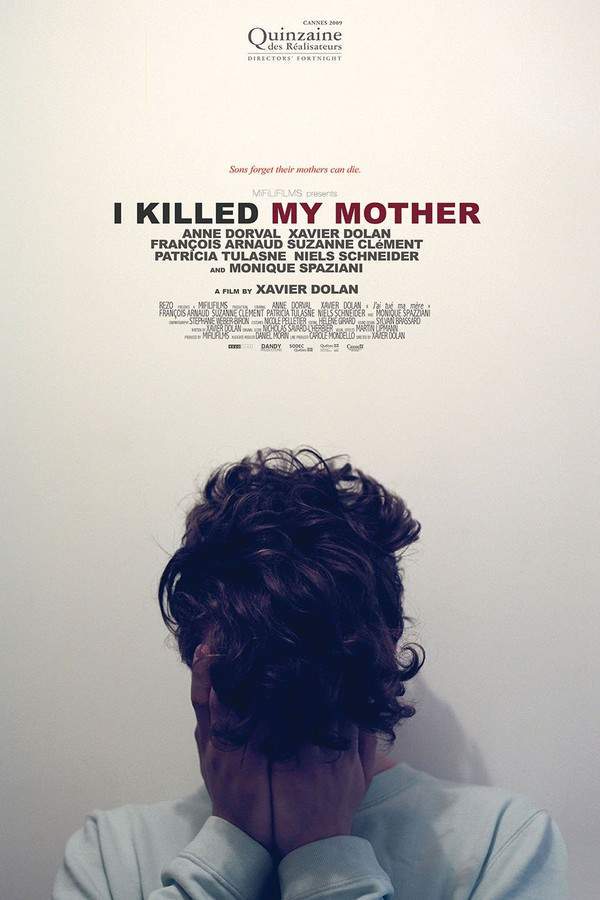
Hubert Minel, a 16-year-old living in suburban Montreal, grapples with a difficult and strained relationship with his single mother, Chantale. The film portrays the intense and often suffocating dynamics between them, exploring themes of bullying, the struggles of single parenting, and the search for self-acceptance. Through a poignant and intimate perspective, the story unfolds as a powerful coming-of-age drama, revealing the complexities of their bond and Hubert’s journey toward understanding himself.
Get a spoiler-free look at I Killed My Mother (2010) with a clear plot overview that covers the setting, main characters, and story premise—without revealing key twists or the ending. Perfect for deciding if this film is your next watch.
In the quiet streets of suburban Montreal, a teenage boy wrestles with the limits of love and autonomy. Hubert moves through a world that feels both familiar and suffocating, his thoughts often captured in a raw, introspective style that hints at the emotional turbulence beneath everyday moments. The film’s tone balances stark realism with a lyrical intimacy, inviting viewers to feel the pressure of adolescence amplified by the close‑knit, sometimes claustrophobic, environment of a small Quebec community.
At the heart of his daily life is his single mother, a fierce and weary figure whose attempts to protect and provide are tangled with frustration and longing. Chantale embodies the challenges of raising a son alone after a divorce, her relationship with Hubert swinging between tender affection and sharp conflict. Their interactions are marked by unspoken expectations, generational gaps, and the lingering presence of Richard, whose occasional visits remind both of what has been lost and what remains unsettled.
School offers a contrasting backdrop where Hubert seeks both escape and understanding. Among teachers and peers, he grapples with the desire to be seen for who he truly is, while also confronting the weight of familial expectations. A subtle, quietly explored romance with a classmate, Antonin, adds another layer to his search for identity, hinting at the complexity of growing up in a world that often demands conformity.
The film unfolds as a meditative coming‑of‑age portrait, its muted colors and lingering shots reflecting the internal landscape of a young man on the cusp of self‑discovery. Through its careful focus on mood and character dynamics, the story asks how far one can stretch the ties that bind before they begin to unravel, leaving the audience with a lingering sense of both tension and hope.
Last Updated: August 10, 2025 at 08:26
Discover curated groups of movies connected by mood, themes, and story style. Browse collections built around emotion, atmosphere, and narrative focus to easily find films that match what you feel like watching right now.
Raw and claustrophobic stories exploring the breakdown of parent-child relationships.If you appreciated the raw portrayal of familial conflict in I Killed My Mother, this thread gathers films with similar intense dynamics. These movies explore the painful complexities of parent-child estrangement, offering intimate and emotionally heavy stories about love, resentment, and the search for self within a fractured family unit.
These narratives typically focus on a protagonist, often a young adult, grappling with a deeply strained relationship with a parent. The story unfolds through a series of confrontations, quiet resentments, and a pervasive sense of being misunderstood, leading to an emotional climax that doesn't necessarily offer a neat resolution but rather a bittersweet acknowledgment of a complex, painful bond.
Movies are grouped here for their shared focus on the raw, emotionally taxing experience of familial estrangement. They connect through a high-intensity, melancholic tone, a claustrophobic atmosphere within domestic settings, and a thematic exploration of identity formation in opposition to, or in spite of, family ties.
Character-driven journeys of young adulthood marked by angst, isolation, and self-discovery.For viewers seeking more films like I Killed My Mother's poignant take on adolescence, this collection features emotionally heavy coming-of-age stories. These movies share a focus on the internal turmoil of youth, exploring themes of LGBTQ+ identity, bullying, and the painful journey toward self-acceptance with a raw, intimate, and often melancholic perspective.
The narrative pattern follows a sensitive or artistic protagonist navigating the harsh realities of adolescence. The journey is internal, characterized by emotional outbursts, moments of profound loneliness, and pivotal experiences related to self-discovery, particularly around sexuality or creative expression. The arc concludes not with pure triumph, but with a complex, bittersweet step toward maturity, acknowledging the scars of the process.
These films are united by their specific mood: a blend of angsty, raw, and melancholic feelings that define a difficult transition into adulthood. They share a heavy emotional weight, a focus on character interiority, and a narrative structure that prioritizes emotional truth over conventional plot, resulting in a powerfully resonant but somber viewing experience.
Don't stop at just watching — explore I Killed My Mother in full detail. From the complete plot summary and scene-by-scene timeline to character breakdowns, thematic analysis, and a deep dive into the ending — every page helps you truly understand what I Killed My Mother is all about. Plus, discover what's next after the movie.
Read a complete plot summary of I Killed My Mother, including all key story points, character arcs, and turning points. This in-depth recap is ideal for understanding the narrative structure or reviewing what happened in the movie.
Track the full timeline of I Killed My Mother with every major event arranged chronologically. Perfect for decoding non-linear storytelling, flashbacks, or parallel narratives with a clear scene-by-scene breakdown.
Discover the characters, locations, and core themes that shape I Killed My Mother. Get insights into symbolic elements, setting significance, and deeper narrative meaning — ideal for thematic analysis and movie breakdowns.
Visit What's After the Movie to explore more about I Killed My Mother: box office results, cast and crew info, production details, post-credit scenes, and external links — all in one place for movie fans and researchers.