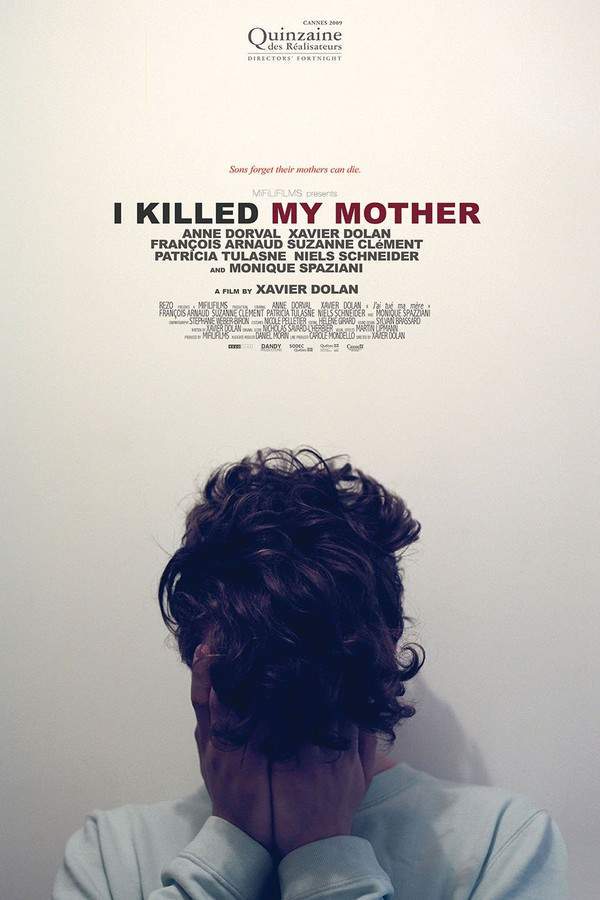
I Killed My Mother
Year: 2010
Runtime: 96 min
Language: canadian french
Hubert Minel, a 16-year-old living in suburban Montreal, grapples with a difficult and strained relationship with his single mother, Chantale. The film portrays the intense and often suffocating dynamics between them, exploring themes of bullying, the struggles of single parenting, and the search for self-acceptance. Through a poignant and intimate perspective, the story unfolds as a powerful coming-of-age drama, revealing the complexities of their bond and Hubert’s journey toward understanding himself.
Where to Watch I Killed My Mother?
Find where to stream, rent, or buy I Killed My Mother (2010) in the US with current JustWatch availability, up-to-date pricing, and platform listings for subscription, rental, and digital purchase options.


Streaming availability powered by 
Warning: spoilers below!
Haven’t seen I Killed My Mother yet? This summary contains major spoilers. Bookmark the page, watch the movie, and come back for the full breakdown. If you're ready, scroll on and relive the story!
Timeline & Setting – I Killed My Mother (2010)
Explore the full timeline and setting of I Killed My Mother (2010). Follow every major event in chronological order and see how the environment shapes the story, characters, and dramatic tension.
Last updated: October 22, 2024 at 21:46
Main Characters – I Killed My Mother (2010)
Meet the key characters of I Killed My Mother (2010), with detailed profiles, motivations, and roles in the plot. Understand their emotional journeys and what they reveal about the film’s deeper themes.
Last updated: October 22, 2024 at 21:46
Major Themes – I Killed My Mother (2010)
Explore the central themes of I Killed My Mother (2010), from psychological, social, and emotional dimensions to philosophical messages. Understand what the film is really saying beneath the surface.
Last updated: October 22, 2024 at 21:46
I Killed My Mother (2010) Character & Theme Questions Answered – Info FAQ
Browse frequently asked questions about I Killed My Mother (2010) focused on characters, relationships, themes, symbols, setting, and story context. This movie info FAQ gives spoiler-aware explanations for character arcs, world details, and thematic interpretation so readers can better understand what the film is really about.
Where is the movie set?
The film takes place primarily in suburban Montreal, with a significant portion set in Coaticook where Hubert attends a Catholic boarding school. Montreal represents the urban, culturally diverse environment of his home life, while the boarding school creates a more structured, isolating atmosphere that contrasts with his relationship with his mother.
When does the story take place?
The film is set in the contemporary period, reflecting modern societal issues including single motherhood challenges and teenage identity struggles. This contemporary setting allows the film to explore current themes like sexual orientation and generational conflicts between parents and adolescents.
What is the main theme?
The central theme revolves around the turbulent bond between Hubert and his single mother Chantale. Their relationship is marked by love, frustration, and conflict as Hubert seeks independence while feeling misunderstood. The film explores how a mother-son relationship can be simultaneously loving and destructive.
Early scenes show small tensions between Hubert and Chantale that escalate into major confrontations.
How does the film handle identity and acceptance?
Hubert's journey of self-discovery as a young queer individual plays a crucial role. His relationship with Antonin highlights the struggles of navigating one's identity amidst familial expectations and societal norms. The film shows how finding one's true self can create tension with family, especially when sexual orientation is involved.
Hubert's internal struggle with his identity is hinted at through his emotional reactions to his mother's criticism.
Why is Hubert sent to boarding school?
Hubert is sent to a Catholic boarding school in Coaticook, which represents a shift to a more structured and isolating environment. This setting becomes significant as it forces Hubert to confront his identity and independence away from his mother, while also introducing themes of bullying and the challenges of fitting in.
Who is the main character?
Hubert Minel is a complex 16-year-old living in suburban Montreal who experiences a turbulent relationship with his single mother Chantale. He is caught between longing for independence and the pain of feeling controlled. His journey involves navigating adolescence, discovering his sexuality, and learning to understand himself and his mother.
Who is Hubert's mother?
Chantale is Hubert's single mother who struggles to maintain a relationship with her son amidst personal hardships. Her character embodies the challenges of single motherhood, often swinging between moments of warmth and confrontation. She reflects her own disappointment and worries about their future, making her a complex figure rather than a simple antagonist.
Who is Antonin?
Antonin is Hubert's boyfriend and is central to his exploration of love and identity. Their relationship represents both a source of comfort and a catalyst for conflict in Hubert's life. Through Antonin, the film demonstrates the complexities of young love and the pain of betrayal as they navigate their emotions and external challenges together.
What is Ms. Cloutier's role in the story?
Ms. Cloutier is Hubert's teacher who becomes a confidante during his tumultuous journey. She represents support and understanding amidst the chaos of Hubert's life, providing him with a safe space to express his feelings and frustrations about his relationship with his mother.
What genre is the film?
I Killed My Mother is a biographical drama that functions as a coming-of-age story. It falls into the drama genre with elements of biographical storytelling, focusing on the emotional and psychological journey of its teenage protagonist rather than conventional plot-driven narrative.
Why is Montreal important to the movie?
Montreal serves as the primary setting and represents the urban, culturally diverse environment where Hubert's home life with his mother unfolds. The city's vibrant culture provides the backdrop for the intense mother-son relationship, and the contrast between urban Montreal and the rural boarding school in Coaticook highlights the emotional distance between Hubert and his mother.
What does the coming-of-age theme explore?
The film explores the challenging transition from adolescence to adulthood through Hubert's desire for independence and the conflicts that arise from it. This universal struggle shows young individuals seeking their own identities while still needing guidance and support. The journey is fraught with emotional highs and lows, representing the painful process of growing up and reconciling with one's family.

Explore Movie Threads
Discover curated groups of movies connected by mood, themes, and story style. Browse collections built around emotion, atmosphere, and narrative focus to easily find films that match what you feel like watching right now.
Movies about difficult mother-son relationships like I Killed My Mother
Raw and claustrophobic stories exploring the breakdown of parent-child relationships.If you appreciated the raw portrayal of familial conflict in I Killed My Mother, this thread gathers films with similar intense dynamics. These movies explore the painful complexities of parent-child estrangement, offering intimate and emotionally heavy stories about love, resentment, and the search for self within a fractured family unit.

Interior
2018

Ordinary People
1980

Autumn Sonata
2017
I Killed My Mother
2010

All About My Mother
2021
Father of My Children
2010

Sons and Lovers
1960

Fallen Hearts
2019
East of Eden
1955

The Arrangement
1969

Brother and Sister
2022
The Burning Plain
2009

A Sun
2020

Sarah and Son
1930
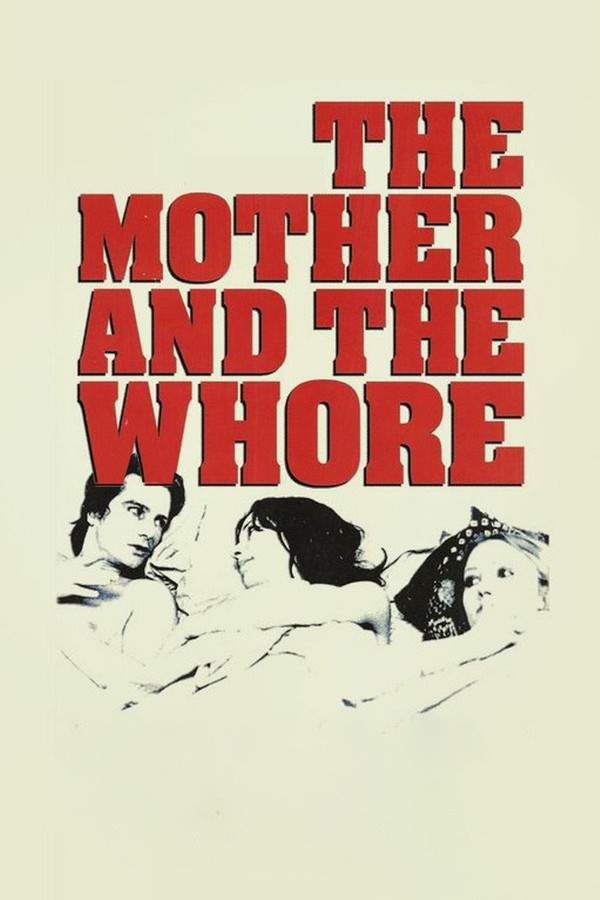
The Mother and the Whore
1973
Narrative Summary
These narratives typically focus on a protagonist, often a young adult, grappling with a deeply strained relationship with a parent. The story unfolds through a series of confrontations, quiet resentments, and a pervasive sense of being misunderstood, leading to an emotional climax that doesn't necessarily offer a neat resolution but rather a bittersweet acknowledgment of a complex, painful bond.
Why These Movies?
Movies are grouped here for their shared focus on the raw, emotionally taxing experience of familial estrangement. They connect through a high-intensity, melancholic tone, a claustrophobic atmosphere within domestic settings, and a thematic exploration of identity formation in opposition to, or in spite of, family ties.
Raw coming-of-age dramas similar to I Killed My Mother
Character-driven journeys of young adulthood marked by angst, isolation, and self-discovery.For viewers seeking more films like I Killed My Mother's poignant take on adolescence, this collection features emotionally heavy coming-of-age stories. These movies share a focus on the internal turmoil of youth, exploring themes of LGBTQ+ identity, bullying, and the painful journey toward self-acceptance with a raw, intimate, and often melancholic perspective.



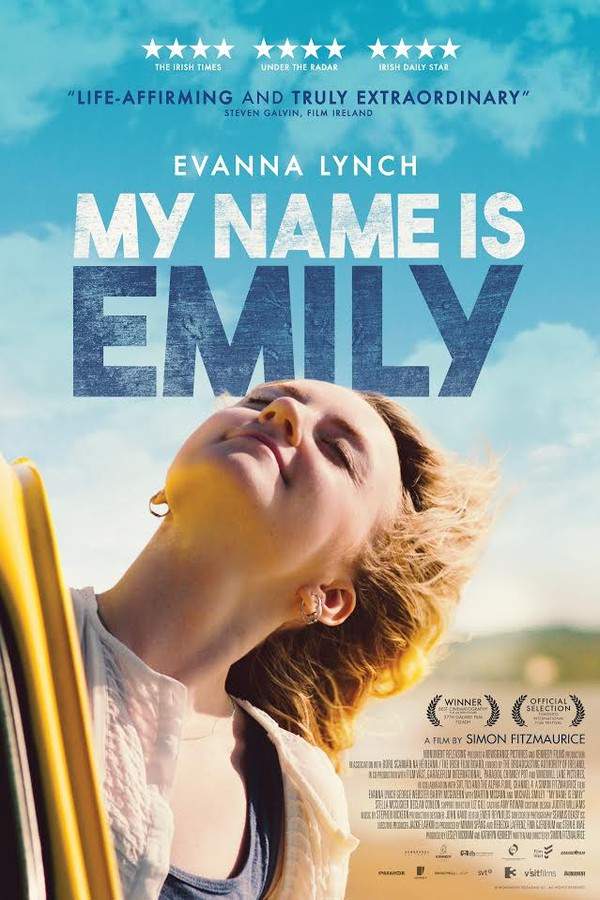
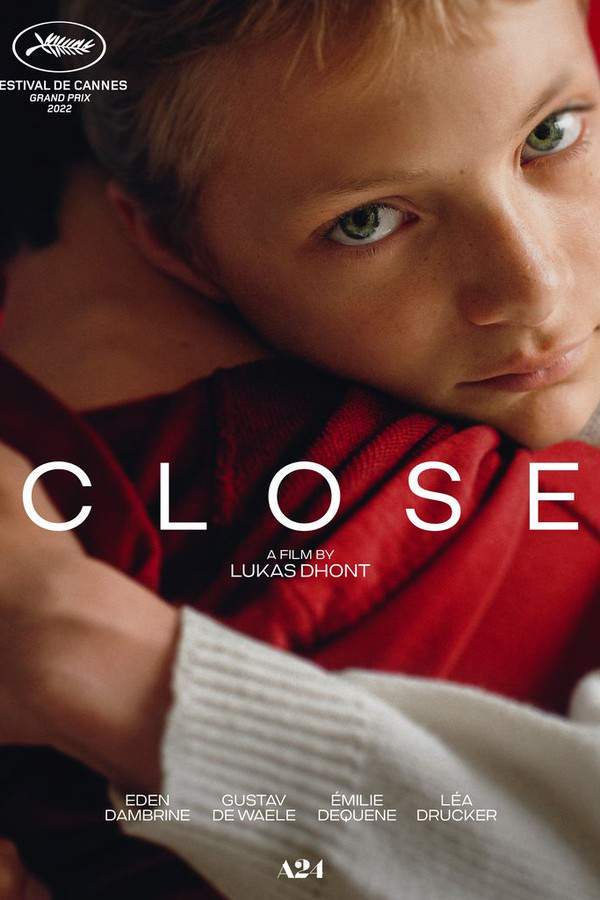

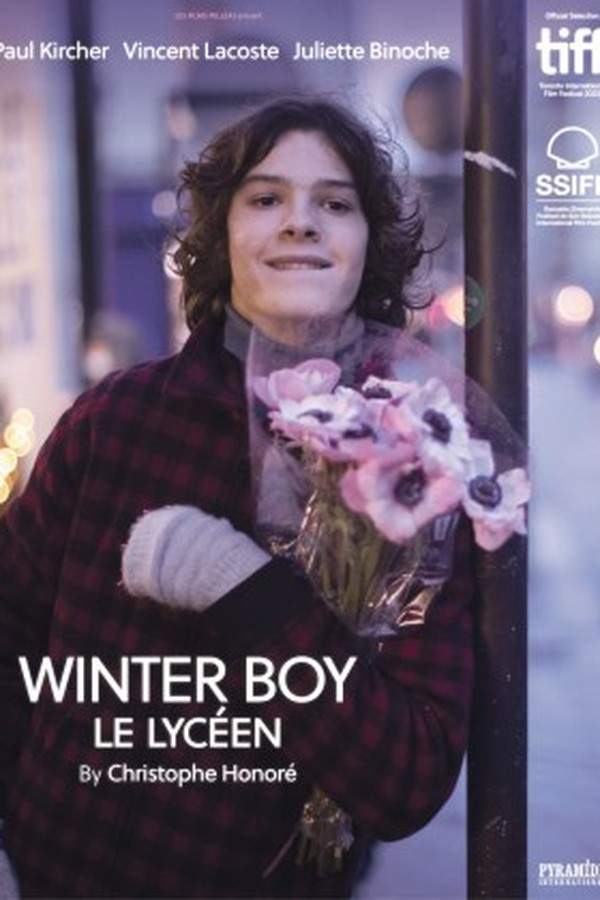

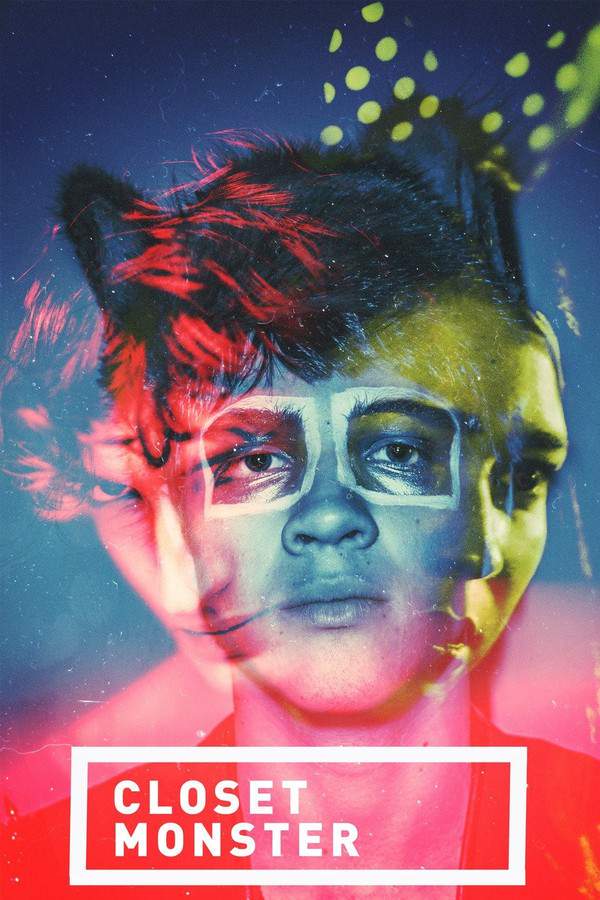
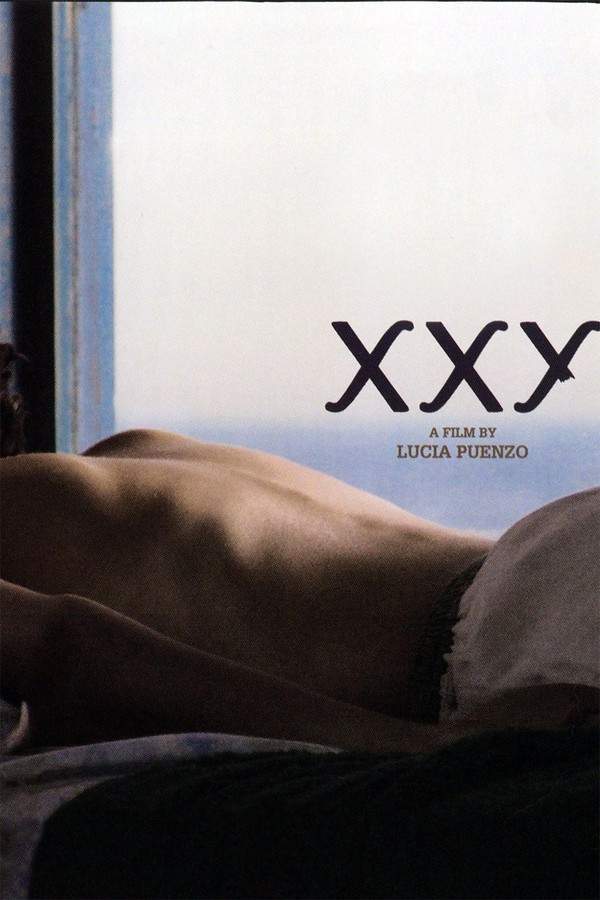
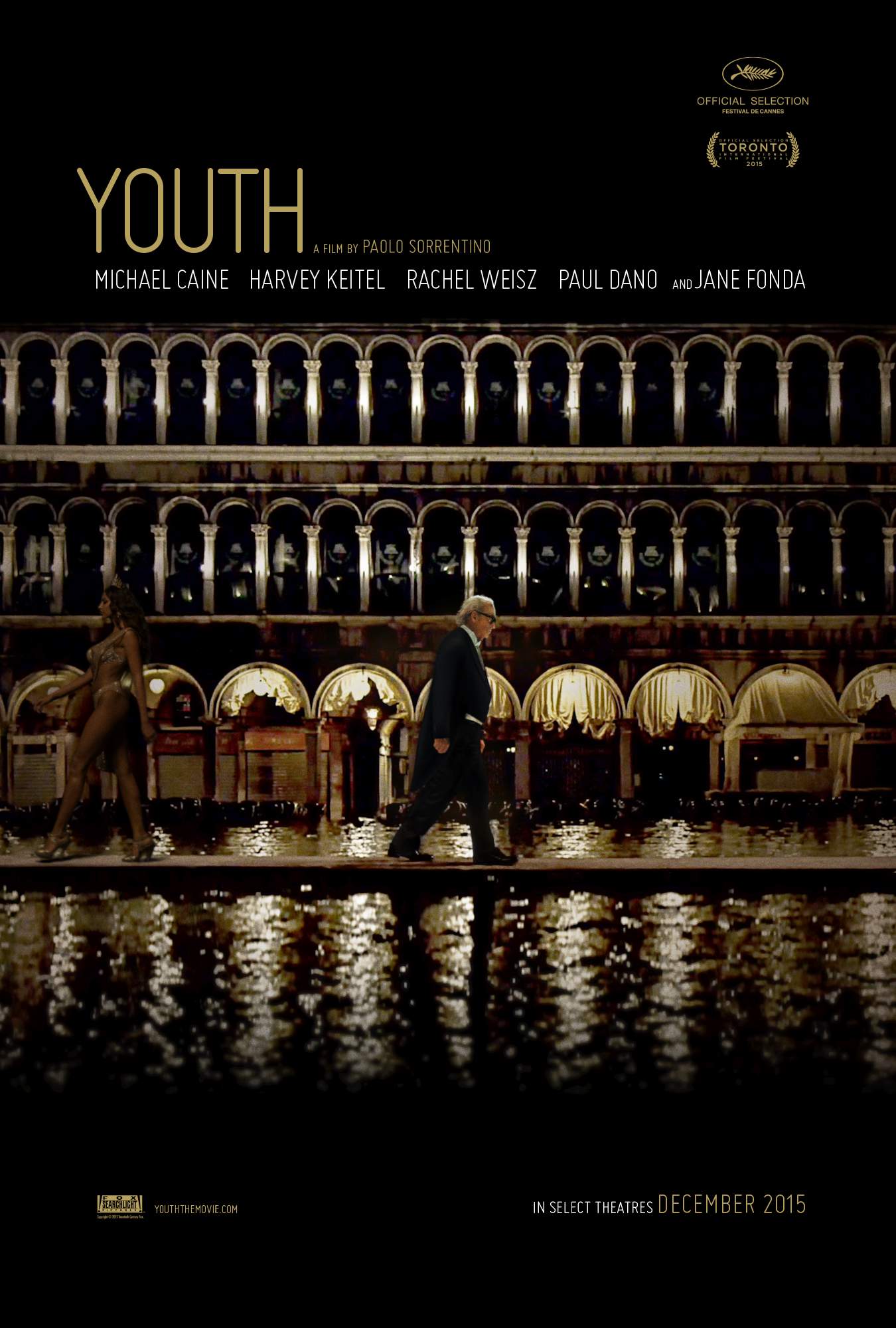


Narrative Summary
The narrative pattern follows a sensitive or artistic protagonist navigating the harsh realities of adolescence. The journey is internal, characterized by emotional outbursts, moments of profound loneliness, and pivotal experiences related to self-discovery, particularly around sexuality or creative expression. The arc concludes not with pure triumph, but with a complex, bittersweet step toward maturity, acknowledging the scars of the process.
Why These Movies?
These films are united by their specific mood: a blend of angsty, raw, and melancholic feelings that define a difficult transition into adulthood. They share a heavy emotional weight, a focus on character interiority, and a narrative structure that prioritizes emotional truth over conventional plot, resulting in a powerfully resonant but somber viewing experience.
Unlock the Full Story of I Killed My Mother
Don't stop at just watching - explore I Killed My Mother in full detail. From the complete plot summary and scene-by-scene timeline to character breakdowns, thematic analysis, and a deep dive into the ending - every page helps you truly understand what I Killed My Mother is all about. Plus, discover what's next after the movie.
I Killed My Mother Summary
Read a complete plot summary of I Killed My Mother, including all key story points, character arcs, and turning points. This in-depth recap is ideal for understanding the narrative structure or reviewing what happened in the movie.

I Killed My Mother Timeline
Track the full timeline of I Killed My Mother with every major event arranged chronologically. Perfect for decoding non-linear storytelling, flashbacks, or parallel narratives with a clear scene-by-scene breakdown.


