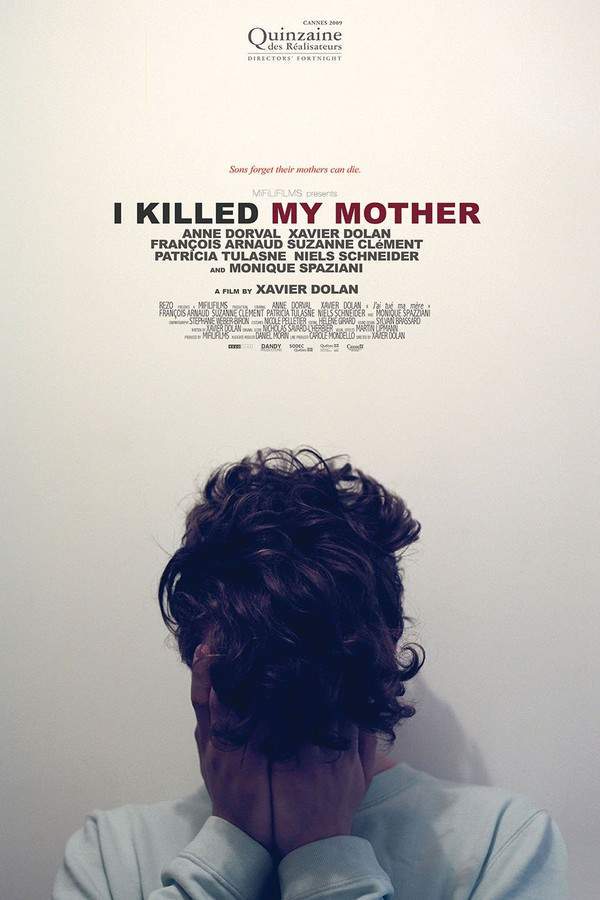
I Killed My Mother
Year: 2010
Runtime: 96 min
Language: canadian french
Hubert Minel, a 16-year-old living in suburban Montreal, grapples with a difficult and strained relationship with his single mother, Chantale. The film portrays the intense and often suffocating dynamics between them, exploring themes of bullying, the struggles of single parenting, and the search for self-acceptance. Through a poignant and intimate perspective, the story unfolds as a powerful coming-of-age drama, revealing the complexities of their bond and Hubert’s journey toward understanding himself.
Where to Watch I Killed My Mother?
Find where to stream, rent, or buy I Killed My Mother (2010) in the US with current JustWatch availability, up-to-date pricing, and platform listings for subscription, rental, and digital purchase options.


Streaming availability powered by 
Warning: spoilers below!
Haven’t seen I Killed My Mother yet? This summary contains major spoilers. Bookmark the page, watch the movie, and come back for the full breakdown. If you're ready, scroll on and relive the story!
I Killed My Mother (2010) – Full Plot Summary & Ending Explained
Read the complete plot breakdown of I Killed My Mother (2010), including all key story events, major twists, and the ending explained in detail. Discover what really happened, and what it all means.
The film opens with Hubert Minel delivering a poignant black-and-white monologue, highlighting the complex bond he shares with his mother. He expresses his deep love for her while simultaneously revealing a painful truth: he cannot stand being her son. Reflecting on his youth, he recalls a time when their relationship felt less strained.
At just 16 years old, Hubert is a Québécois navigating life in suburban Montreal alongside his single mother, Chantale. Their family dynamics have been disrupted since her divorce from Richard, Hubert’s father, which has resulted in infrequent visits and increasing tension between them. The film takes a dramatic turn when a car ride to school erupts into an argument over Chantale’s habit of applying makeup while driving. This conflict culminates when she defiantly instructs Hubert to get out and walk to school. In a moment of rebellion, Hubert tells his teacher, Ms. Cloutier, that his mother has died. When this fabrication is uncovered, Ms. Cloutier chillingly repeats, > “you killed your mother,” planting the seed for Hubert’s provocative school essay titled “I Killed My Mother.”
As the narrative unfolds, Hubert articulates his desire for independence by confiding to his mother that he wishes to live on his own. Although initially receptive, Chantale quickly retracts her approval, declaring him too young for such a leap. Meanwhile, tensions escalate as Hubert’s secret relationship with his boyfriend, Antonin, comes to light—not through Hubert, but via Antonin’s mother, who mistakenly assumes Chantale knew. Despite moments of acceptance, Chantale’s hurt is palpable, highlighting the strains in their mother-son relationship.
As discord deepens, Hubert finds solace with Ms. Cloutier, lying to his mother about staying with his boyfriend. The narrative thickens when Hubert’s father summons him for a visit, only to inform him of an unexpected decision to send him to a boarding school in Coaticook. This news leaves Hubert furious, lamenting the fact that he rarely sees his father, particularly feeling robbed of agency in his own life.
While at the Catholic boarding school, Hubert meets Eric and finds himself caught in a whirlwind of emotions, ultimately betraying Antonin. After a night out at a nightclub—filled with kissing and experimentation with drugs—Hubert returns home, initiating an emotional confrontation with his mother. Their bond seems to sway when Chantale drives Hubert to assist Antonin’s mother with a painting project. In a moment of intimacy, Hubert and Antonin share their bodies and secrets, leaving Hubert betrayed once again when he discovers Chantale has decided to keep him at boarding school for another year. Overwhelmed, he turns to frustration, trashing Chantale’s room before restoring order.
The turmoil continues as Hubert faces bullying at school, leading to his decision to run away. His note leaves Chantale distressed, stating he will be “In his kingdom,” a place which she comprehends as their former family home. In a heated exchange, the principal admonishes her, prompting her to confront him about the struggles of single motherhood. With Antonin’s support, Hubert escapes on an emotional journey that underscores the complexity of their relationship. A confrontation ensues when Chantale ultimately finds them at the beach. The film poignantly concludes with a nostalgic home video of Hubert as a child, showcasing a simpler time with his mother before the shadows of their current reality set in.
Last updated: November 15, 2024 at 18:33
I Killed My Mother (2010) Plot Questions Answered – Summary FAQ
Explore frequently asked questions about I Killed My Mother (2010) with spoiler-rich answers covering the full plot summary, major story beats, character motivations, hidden details, and ending meaning. This movie summary FAQ helps explain confusing scenes, plot twists, and narrative decisions in clear, searchable detail.
Why does Hubert tell his teacher that his mother has died?
Hubert tells this shocking lie during an argument in the car when his mother Chantale kicks him out and tells him to walk to school. In that moment of rebellion and anger, he fabricates the story to his teacher Ms. Cloutier. When the lie is uncovered, Ms. Cloutier chillingly tells him 'you killed your mother,' which later becomes the title of his provocative school essay. The lie represents Hubert's desperate attempt to express the emotional death he feels his mother has already caused him.
Why does Hubert want to move out and live on his own?
Hubert's desire for independence stems from the suffocating tension in his relationship with his mother. He feels constrained by her constant presence and the emotional conflict between them. After experiencing years of strain since his parents' divorce, Hubert believes living alone would give him the space to escape the fighting and finally breathe. However, when he confides this to Chantale, she initially considers it but quickly retracts her approval, declaring him too young.
How does Hubert's mother find out about Antonin?
Hubert's secret relationship with his boyfriend Antonin is revealed not through Hubert himself, but through Antonin's mother. She mistakenly assumes that Chantale already knows about the relationship and mentions it casually. This unintended revelation catches Hubert off guard and adds another layer of tension to the already strained mother-son relationship, as Chantale learns about her son's sexuality from someone else.
Why does Hubert's father send him to boarding school in Coaticook?
Hubert's father Richard summons him for a visit and announces the unexpected decision to send him to a Catholic boarding school in Coaticook. The film doesn't fully explain the motivation behind this choice, but it appears to be an attempt to give Hubert structure or distance from the difficult situation at home. Hubert reacts with fury, feeling robbed of agency in his own life and lamenting that he rarely sees his father anyway, making the sacrifice feel even more unjust.
What causes Hubert to run away from home?
Hubert decides to run away after experiencing intensified bullying at the boarding school combined with the emotional turmoil of his complicated relationships. He leaves a note for his mother stating he will be 'In his kingdom,' which Chantale understands as their former family home before the divorce. The decision represents his final attempt to escape what he perceives as a suffocating environment and reclaim some sense of control over his life.
What does 'In his kingdom' mean in Hubert's note?
When Hubert runs away, he leaves a note telling Chantale he will be 'In his kingdom.' She interprets this as their former family home, the place that represented their family unit before the divorce. The phrase suggests Hubert is retreating to a nostalgic, idealized version of his childhood when things were simpler and his parents were still together, symbolizing his emotional longing for the family he lost.
What happens when Chantale finds Hubert and Antonin at the beach?
After Hubert runs away, Chantale eventually tracks him down at the beach where he is with Antonin. This confrontation serves as the emotional climax of the film, bringing all the underlying tensions between mother and son to the surface. The scene encapsulates their fraught relationship, with personal truths and long-held frustrations finally being expressed between them.
Why does Hubert destroy his mother's room?
Hubert trashes Chantale's room in an emotional outburst after learning that she has decided to keep him at the boarding school for another year. This destructive act represents the culmination of his frustration, feeling trapped, unheard, and powerless over decisions affecting his own life. After the rampage, he restores the room, showing both his anger and his underlying guilt and need for his mother's approval.
Why does Hubert betray Antonin while at boarding school?
While at the Catholic boarding school in Coaticook, Hubert meets another student named Eric and becomes romantically involved with him, effectively betraying his relationship with Antonin who remains at home. This betrayal reflects the confusion and instability in Hubert's life during this period, he is surrounded by new experiences, emotional pressure from bullying, and the distance from both his mother and Antonin. The moment illustrates how the chaos in his home life spills into his other relationships.
What is the significance of the home video at the end of the film?
The film concludes with a nostalgic home video showing Hubert as a young child happily interacting with his mother in simpler times. This bittersweet ending serves as a stark contrast to the conflict and estrangement of the present day. It suggests that their bond was not always fractured, and acknowledges the loss of what they once had. The ending does not offer reconciliation but rather a mournful look back at a time before their relationship became so painful.
Why is Hubert's relationship with his mother so difficult?
The strain in Hubert and Chantale's relationship stems from multiple factors: the divorce from his father Richard which disrupted their family dynamic, the resulting infrequent visits from his father that make Hubert feel abandoned, Hubert's struggle with his sexuality and identity, and the general friction of a teenager trying to establish independence while his single mother copes with the challenges of parenting alone. The constant emotional friction creates a palpable sense of suffocation for both characters.
What does Ms. Cloutier mean when she tells Hubert 'you killed your mother'?
After Hubert's lie about his mother dying is uncovered, Ms. Cloutier delivers this chilling line to him. The statement is metaphorical rather than literal, she is suggesting that Hubert's emotional cruelty and rebellious behavior toward his mother is killing her spiritually or emotionally. The phrase haunts the film and becomes the title of Hubert's provocative essay, representing the guilt he carries about the pain he causes his mother despite loving her.

Explore Movie Threads
Discover curated groups of movies connected by mood, themes, and story style. Browse collections built around emotion, atmosphere, and narrative focus to easily find films that match what you feel like watching right now.
Movies about difficult mother-son relationships like I Killed My Mother
Raw and claustrophobic stories exploring the breakdown of parent-child relationships.If you appreciated the raw portrayal of familial conflict in I Killed My Mother, this thread gathers films with similar intense dynamics. These movies explore the painful complexities of parent-child estrangement, offering intimate and emotionally heavy stories about love, resentment, and the search for self within a fractured family unit.

Interior
2018

Ordinary People
1980

Autumn Sonata
2017
I Killed My Mother
2010

All About My Mother
2021
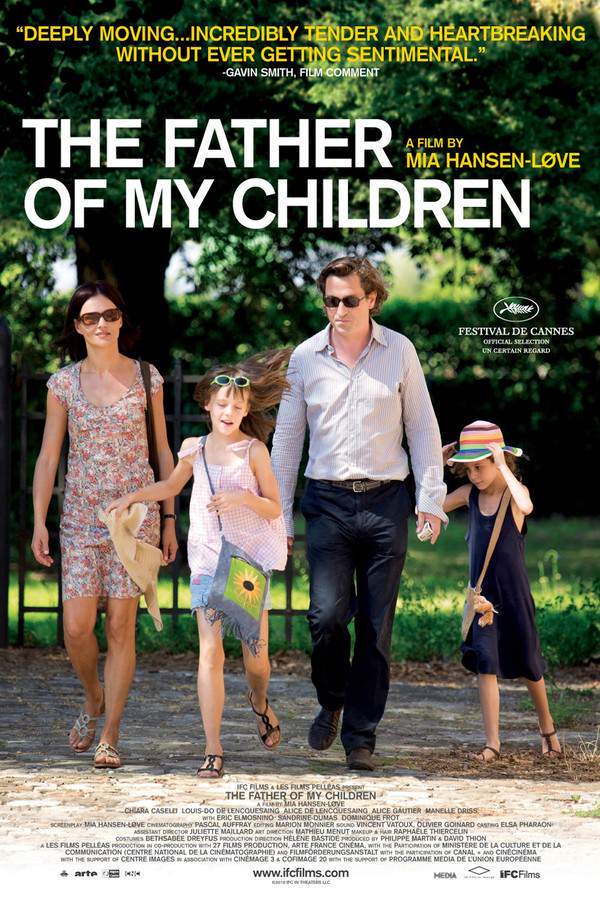
Father of My Children
2010

Sons and Lovers
1960

Fallen Hearts
2019

East of Eden
1955

The Arrangement
1969

Brother and Sister
2022
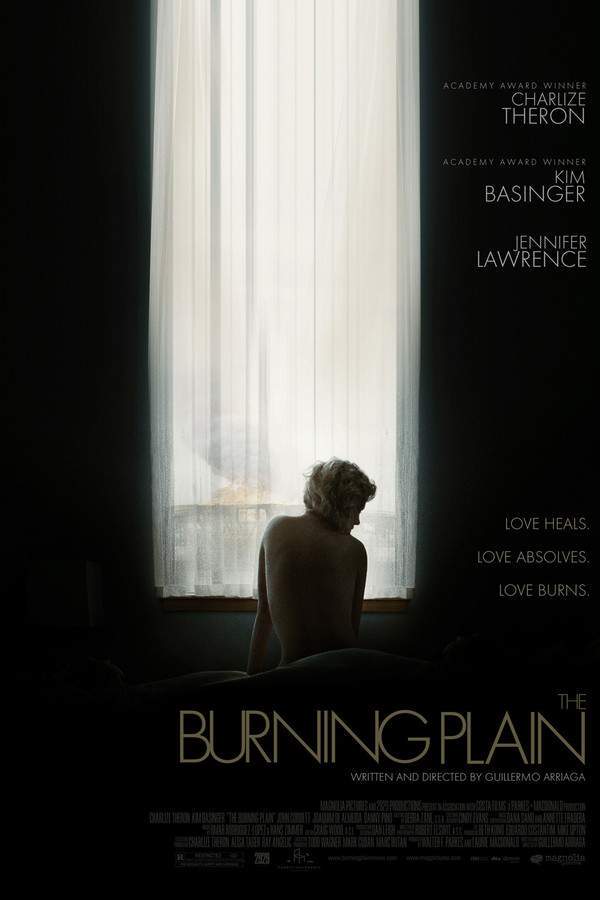
The Burning Plain
2009

A Sun
2020

Sarah and Son
1930
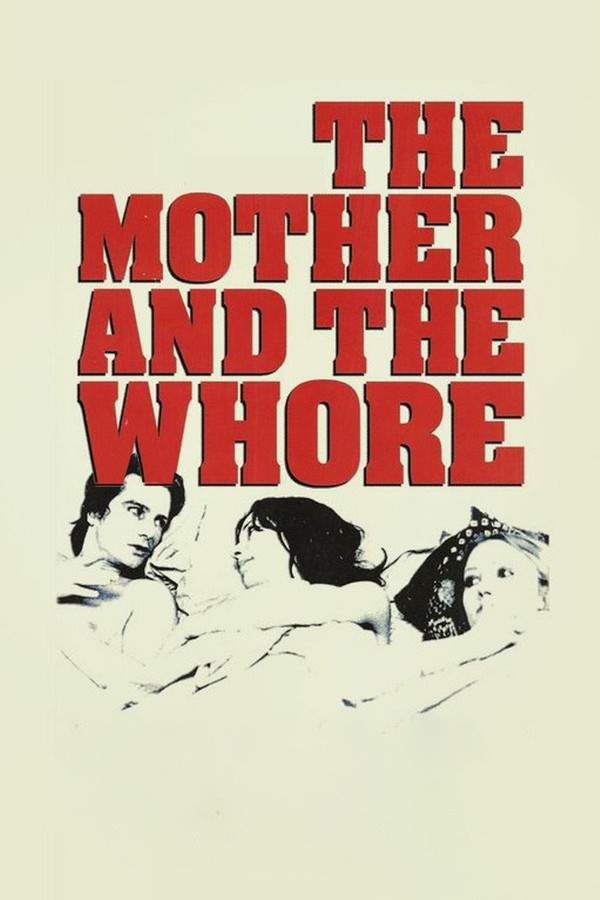
The Mother and the Whore
1973
Narrative Summary
These narratives typically focus on a protagonist, often a young adult, grappling with a deeply strained relationship with a parent. The story unfolds through a series of confrontations, quiet resentments, and a pervasive sense of being misunderstood, leading to an emotional climax that doesn't necessarily offer a neat resolution but rather a bittersweet acknowledgment of a complex, painful bond.
Why These Movies?
Movies are grouped here for their shared focus on the raw, emotionally taxing experience of familial estrangement. They connect through a high-intensity, melancholic tone, a claustrophobic atmosphere within domestic settings, and a thematic exploration of identity formation in opposition to, or in spite of, family ties.
Raw coming-of-age dramas similar to I Killed My Mother
Character-driven journeys of young adulthood marked by angst, isolation, and self-discovery.For viewers seeking more films like I Killed My Mother's poignant take on adolescence, this collection features emotionally heavy coming-of-age stories. These movies share a focus on the internal turmoil of youth, exploring themes of LGBTQ+ identity, bullying, and the painful journey toward self-acceptance with a raw, intimate, and often melancholic perspective.




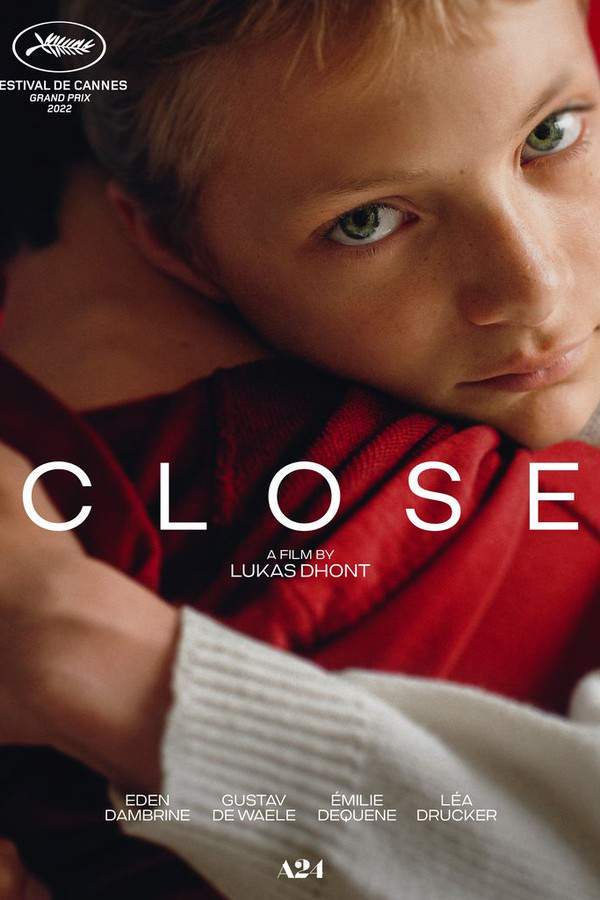

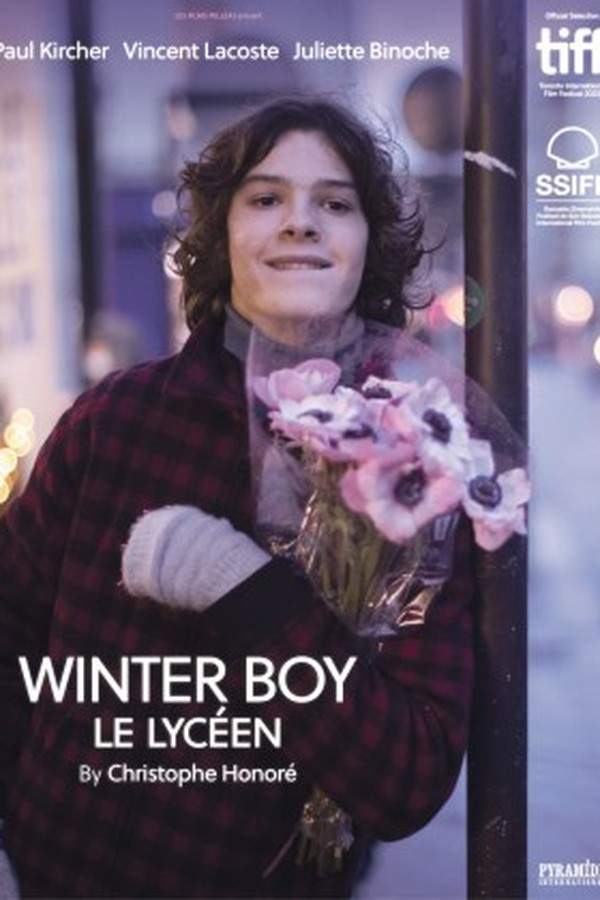

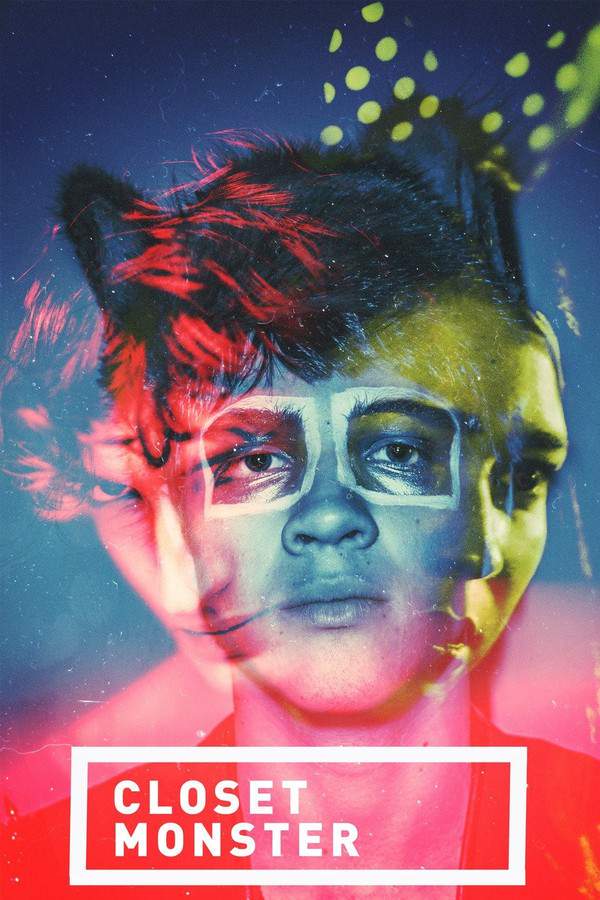
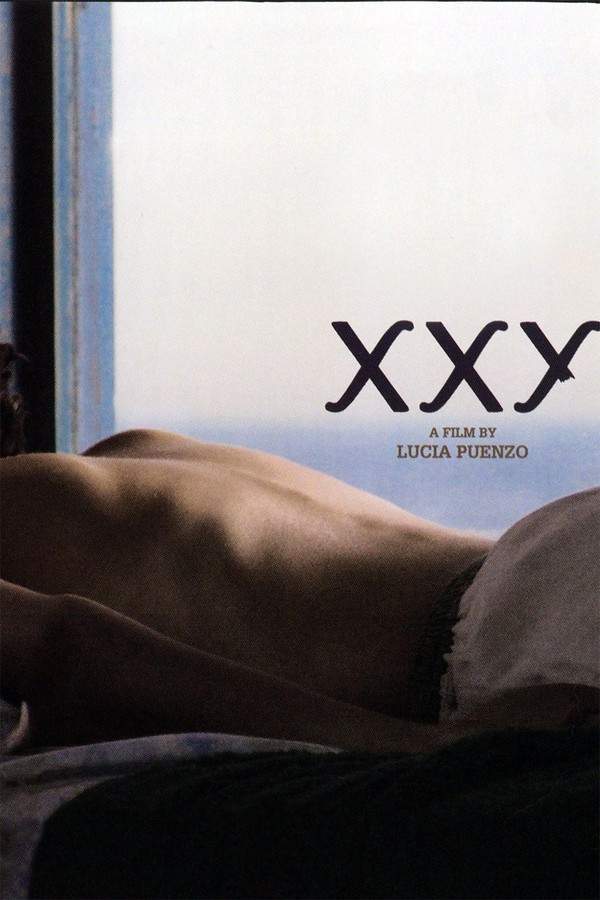


Narrative Summary
The narrative pattern follows a sensitive or artistic protagonist navigating the harsh realities of adolescence. The journey is internal, characterized by emotional outbursts, moments of profound loneliness, and pivotal experiences related to self-discovery, particularly around sexuality or creative expression. The arc concludes not with pure triumph, but with a complex, bittersweet step toward maturity, acknowledging the scars of the process.
Why These Movies?
These films are united by their specific mood: a blend of angsty, raw, and melancholic feelings that define a difficult transition into adulthood. They share a heavy emotional weight, a focus on character interiority, and a narrative structure that prioritizes emotional truth over conventional plot, resulting in a powerfully resonant but somber viewing experience.
Unlock the Full Story of I Killed My Mother
Don't stop at just watching - explore I Killed My Mother in full detail. From the complete plot summary and scene-by-scene timeline to character breakdowns, thematic analysis, and a deep dive into the ending - every page helps you truly understand what I Killed My Mother is all about. Plus, discover what's next after the movie.
I Killed My Mother Timeline
Track the full timeline of I Killed My Mother with every major event arranged chronologically. Perfect for decoding non-linear storytelling, flashbacks, or parallel narratives with a clear scene-by-scene breakdown.

Characters, Settings & Themes in I Killed My Mother
Discover the characters, locations, and core themes that shape I Killed My Mother. Get insights into symbolic elements, setting significance, and deeper narrative meaning - ideal for thematic analysis and movie breakdowns.


