Plot Explained Spoilers guaranteed!
Plot Explained

Browse by genre

I Can See You (2008) movie poster

Characters & Themes

I Can See You (2008) Characters, Setting & Themes Explained

Release, runtime and language
2008 · 97 mins · English
Directed by
Graham Reznick
Starring
Larry Fessenden, Benjamin Dickinson, Duncan Skiles, Christopher Ford, Heather Robb, Olivia Villanti

Three young ad-men enter the woods for a photo shoot, but a girlfriend’s mysterious disappearance sparks a harrowing descent into unreality.

On this page (8)
  1. 1 Where to watch
  2. 2 Characters explained (6)
  3. 3 Where & when it takes place
  4. 4 Themes & meaning (3)
  5. 5 Character & meaning questions
  6. 6 Movie threads
  7. 7 Movies like I Can See You
  8. 8 Every angle

Where to watch

Where to Watch I Can See You (2008)

Where can you watch I Can See You? Stream, rent or buy it in the US, including on Amazon Video: current JustWatch availability with up-to-date prices.

Streaming availability powered by JustWatch

6 main characters · contains spoilers

I Can See You Characters Explained: Who Is Who

The main characters of I Can See You (2008), heroes and villains: what drives them, how they change over the course of the story and what each of them reveals about the film's bigger ideas.

  • Mickey Hauser (Larry Fessenden)

    A polished spokesperson for Clara Clean, Hauser represents the glossy veneer of corporate marketing. His sudden death triggers the public eruption of an ecological scandal, forcing the team to salvage the company’s image. He embodies the pressure and risk of PR, where a flawless narrative can mask real-world harm. His absence catalyzes the search for a new ecologically-focused campaign direction.

    • 💼 Corporate
    • 🗞️ Media
    • 🎭 PR
  • Ben Richards (Benjamin Dickinson)

    An artist who struggles to finish a portrait, Richards is drawn into the ad project under eroding perception and mounting stress. His vision becomes increasingly distorted, and he experiences vivid hallucinations as the environment closes in around him. He forms a fragile romance with Summer Day, then confronts violent consequences as reality fractures. By the end, his grip on sanity is tested as he faces the consequences of a reality warped by media pressure.

    • 🎨 Artist
    • 📷 Photography
    • 🧠 Psychology
  • Doug Quaid (Duncan Skiles)

    A restless member of the creative team who pushes for a 'fantastic' campaign, often at the expense of others. He flirts with Roja and becomes a conduit for the group’s reckless enthusiasm, accelerating the turn toward the forest and the unknown. His disappearance in the woods and subsequent brutal end heightens the film’s sense of danger when ambition outruns reality.

    • 🎨 Creative
    • 💥 Impulsive
    • 🗺️ Adventure
  • Kimble (Christopher Ford)

    Kimble acts as the project’s driving force, pressuring the team to deliver a fantasy campaign while managing internal tensions. He remains practical and scheming, but the situation spirals into violence as the lines between strategy and survival blur. His actions contribute to the film’s dark finale, including the murder of Roja and a brutal confrontation with Richards.

    • 🎯 Director
    • 🧠 Cunning
    • 🔪 Violence
  • Summer Day (Heather Robb)

    An acquaintance from Richards' past who rekindles a moment of connection, adding emotional pressure to his already strained psyche. Her presence intensifies the romance subplot and foreshadows the peril that looms in the forest. Day’s disappearance and eerie echoes in Richards’ visions underscore the film’s themes of memory, desire, and danger.

    • 💞
    • 🗝️ Past connection
    • 🌫️ Mystery
  • Sonia Roja (Olivia Villanti)

    Roja is the boss’s subordinate who must deliver a flawless campaign or face consequences. She wrestles with pressure and personal unease while managing the fallout of Kimble’s plans. Roja’s fate—culminating in her murder—reflects the peril of corporate politics and the human cost of a ruthless, results-driven environment.

    • 💼 Subordinate
    • 🧠 Tension
    • 🗡️ Danger

Last updated: October 04, 2025 at 17:45

Was this helpful?

Setting

Where and When Does I Can See You Take Place?

The setting of I Can See You (2008): the year and time period, the places and locations, and how they shape the characters, the mood and the tension of the story.

Time period

Location

Delaware campsite

The Delaware campsite serves as the main backdrop for the group’s desperate search for inspiration. Surrounded by woods, it isolates the characters and heightens tension as the boundary between reality and illusion blurs. The location includes a roadside barbecue at Ivan's place and the eerie quiet of the forest where strange events unfold. It functions as a crucible where distorted perceptions and dangerous ambitions collide.

  • 🏕️ Campsite
  • 🌲 Forest

Last updated: October 04, 2025 at 17:45

Was this helpful?

3 major themes

I Can See You Meaning: Themes & Message Explained

What is I Can See You (2008) really about? The emotional, social and philosophical themes the film keeps returning to, its symbolism and the message beneath the surface.

  • Perception

    Perception is fractured as Richards’ photographs distort reality and his glasses fail him. The camera and memory cards become unreliable witnesses, turning ordinary scenes into uncanny puzzles. The forest, the romance, and the search for inspiration all bend under a shifting sense of what is real. The film suggests that media and advertising can manipulate how we see the truth, fueling paranoia rather than clarity.

  • Corporate Pressure

    The Clara Clean campaign becomes a pressure cooker, demanding a 'fantastic' result at the expense of ethics and truth. Hauser’s death exposes the high stakes of image management and the potential costs of chasing a perfect corporate narrative. The team navigates a web of expectations, where funding, deadlines, and reputation drive reckless decisions. The pursuit of a guaranteed hit reveals how power can distort creativity and morality.

  • Eco-Image

    Ecology is invoked as a selling point to mask real-world consequences, highlighting a gap between public messaging and private actions. The ecological scandal surrounding Clara Clean forces the characters to confront the difference between green branding and genuine responsibility. The environment becomes both a backdrop and a weapon in the campaign, used to manipulate public perception. The tension between environmental concern and marketing needs pushes the plot toward a morally fraught climax.

Last updated: October 04, 2025 at 17:45

Was this helpful?

Character & theme questions

I Can See You Characters & Meaning: Your Questions Answered

The questions people ask about I Can See You (2008): who the characters really are, their relationships, what the symbols mean, where it takes place and what the movie is really about. Each answer contains spoilers.

Q1

Where is the movie set?

The film takes place primarily at a campsite in Delaware, surrounded by dense forest. The remote woodland setting isolates the characters and creates an unsettling atmosphere where reality becomes increasingly unstable. Additional scenes occur at a roadside barbecue joint owned by a character named Ivan.

  • delaware
  • campsite
  • forest
  • setting
  • location
Q2

What are the main themes?

The movie explores three interconnected themes: Perception (how photographs and media distort reality), Corporate Pressure (the ruthless demands of advertising and image management), and Eco-Image (the gap between environmental messaging and corporate actions). These themes intertwine to show how advertising can manipulate truth and fuel paranoia.

  • themes
  • perception
  • corporate pressure
  • eco-image
  • advertising
Q3

Who is Mickey Hauser?

Mickey Hauser is the polished spokesperson for the Clara Clean cleaning products company. He represents the glossy facade of corporate marketing. His sudden death triggers the revelation of an ecological scandal, forcing the advertising team to scramble for a new campaign direction that could save the company's reputation.

  • mickey hauser
  • spokesperson
  • clara clean
  • corporate
Q4

Who is Ben Richards?

Ben Richards is an artist hired for the Clara Clean advertising project. He struggles with his vision and sanity as the job progresses, experiencing increasingly distorted perceptions and vivid hallucinations. He becomes romantically involved with Summer Day and ultimately faces a violent breakdown as reality fractures around him.

  • ben richards
  • artist
  • hallucinations
  • summer day
Q5

What does the film say about corporate culture?

The film portrays corporate advertising as a cutthroat world where the pursuit of a 'fantastic' result demands ethical compromises. The Clara Clean campaign becomes a pressure cooker where funding, deadlines, and reputation drive reckless decisions. It suggests that the relentless chase for a perfect corporate narrative can destroy creativity and morality.

  • corporate
  • advertising
  • pressure
  • campaign
  • ethics
Q6

How does the forest setting affect the story?

The isolated forest functions as a crucible where the characters' distorted perceptions and dangerous ambitions collide. The eerie quiet of the woods amplifies the blurring between reality and illusion. By removing the characters from civilization, the setting heightens tension and vulnerability while reflecting the psychological unraveling of the protagonist.

  • forest
  • isolation
  • setting
  • reality
  • illusion
Q7

What is the Clara Clean campaign about?

The Clara Clean campaign is the central corporate project driving the plot. It's a cleaning product campaign that becomes entangled with an ecological scandal involving the company. The team must develop a new ecologically-focused direction to salvage the company's image, revealing the tension between environmental marketing and actual corporate responsibility.

  • clara clean
  • campaign
  • ecology
  • advertising
  • scandal
Q8

Who are the main characters?

The core characters include Ben Richards (the struggling artist), Mickey Hauser (the company spokesperson who dies), Doug Quaid (the reckless creative team member), Kimble (the scheming project manager), Summer Day (Richards' romantic interest), and Sonia Roja (the subordinate tasked with delivering results). Each represents different aspects of corporate pressure and personal ambition.

  • characters
  • cast
  • ben richards
  • mickey hauser
  • kimble
Q9

How does the film explore perception and reality?

The film suggests that media and advertising can manipulate how we see the truth, fueling paranoia rather than clarity. Richards' photographs distort reality while his failing vision creates unreliable witnesses. The camera and memory cards become deceptive, turning ordinary scenes into uncanny puzzles that challenge what is real.

  • perception
  • reality
  • camera
  • photographs
  • truth
Q10

What kind of movie is this?

I Can See You is a horror-thriller that combines psychological horror with surreal violence. The tone is dark and bleak, featuring unreliable narration and dream sequences that deliberately blur the line between hallucination and reality. The film requires active interpretation from viewers as it explores themes of madness and perceptual distortion.

  • horror
  • thriller
  • psychological
  • surreal
  • dark

Movie threads

More Movies Like I Can See You, by Mood & Story

Curated lists built around what makes I Can See You tick: the same mood, the same kind of story or the same emotional payoff. Each list explains why these movies belong together.

Movies where reality unravels like in I Can See You

Stories where perception fractures and the familiar world dissolves into surreal horror. If you enjoyed the psychological disintegration in I Can See You, you'll find similar films here. These movies explore characters losing their grip on reality, featuring surreal visuals, unreliable narrators, and a palpable sense of existential dread. They are perfect for viewers seeking stories about perception vs. reality and harrowing descents into madness.

  • surreal
  • unsettling
  • hallucinatory
  • nightmarish
  • paranoid
  • disorienting
  • Tone: dark, surreal, unsettling
  • Pacing: variable, building to frantic
Why these movies?

The story pattern: Narratives in this thread typically begin in a recognizable reality that gradually becomes corrupted. Characters face events that challenge their sanity, often through psychological pressure, supernatural forces, or isolation. The story structure is designed to make the audience question what is real, culminating in a climax where reality is completely subverted or destroyed.

Why they belong together: These films are grouped by their core thematic focus on the fragility of perception. They share a commitment to creating a deeply unsettling atmosphere, employing techniques like dream sequences, ambiguous events, and visual distortion to immerse the viewer in the protagonist's unraveling mind.

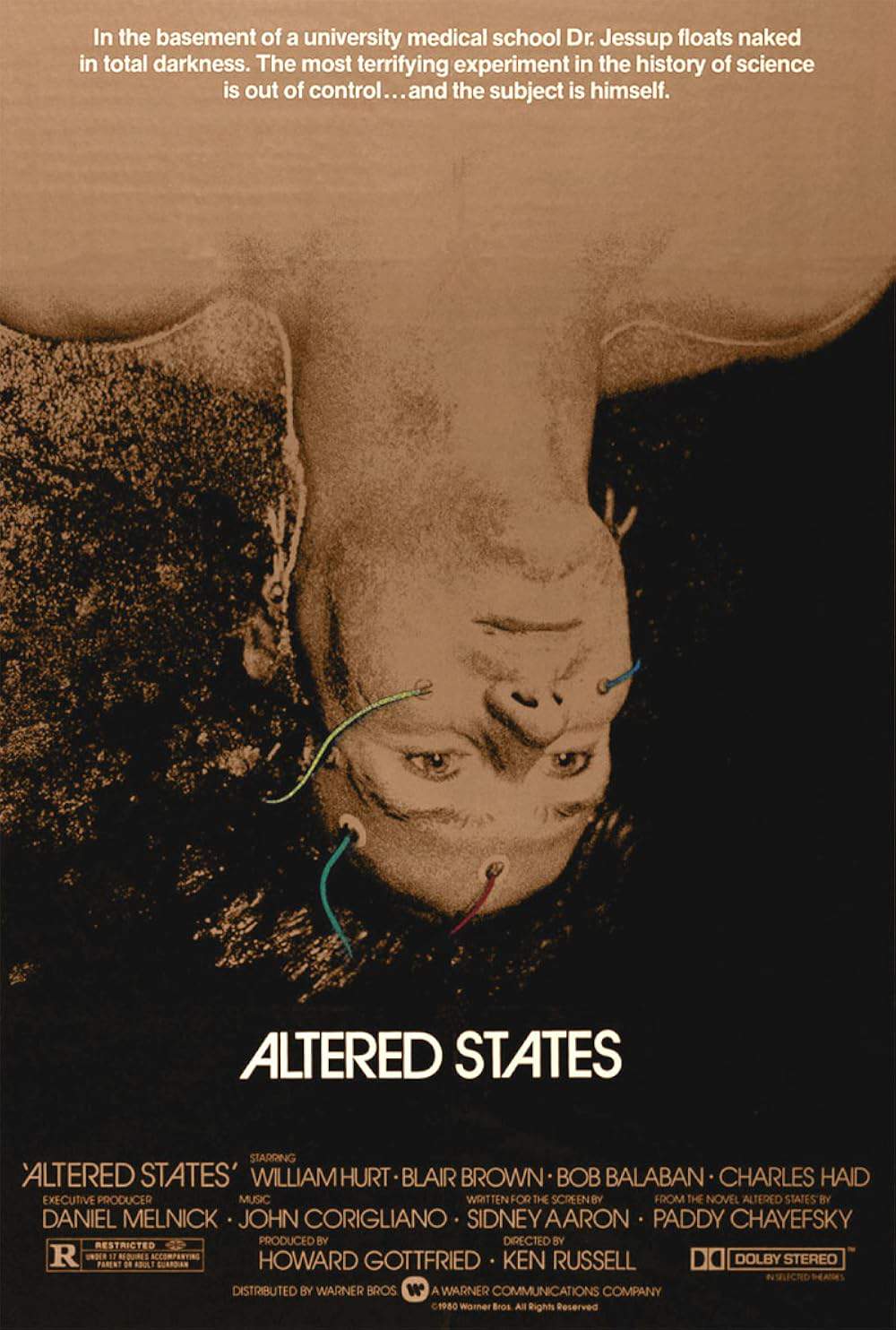
Claustrophobic thrillers of isolated paranoia like I Can See You

Characters trapped in remote locations, where isolation fuels suspicion and psychological collapse. Fans of the wooded isolation and growing distrust in I Can See You will appreciate these films. This collection highlights thrillers and horrors where characters are cut off from help, leading to a claustrophobic atmosphere and a harrowing psychological unraveling. Discover movies that master the tension of being trapped with a threat, both outside and within the group.

  • claustrophobic
  • paranoid
  • anxious
  • unsettling
  • tense
  • isolated
  • Tone: tense, claustrophobic, dark
  • Pacing: steady build, accelerating tension
Why these movies?

The story pattern: The narrative pattern involves a group being sequestered in a setting that limits escape and communication. An initial incident—often a disappearance or strange event—acts as a catalyst. Trust disintegrates as characters become increasingly paranoid, questioning each other's motives and sanity. The conflict is often as much internal (psychological) as it is external.

Why they belong together: These movies are united by their use of isolation as a narrative engine for psychological tension. They create a claustrophobic mood where the setting itself becomes a character, pressing in on the protagonists and magnifying their fears, suspicions, and ultimately, their descent into madness or violence.

If you liked this

Movies Like I Can See You

Similar movies to I Can See You: the same genre, themes or kind of story. Each one comes with its own plot summary, timeline and ending explained.

Browse all movie summaries

Every angle

I Can See You (2008) Explained: Plot, Timeline & Characters

Everything about I Can See You in one place: what happens in the plot summary, the timeline in chronological order, the characters and meaning and a spoiler-free summary. What's After the Movie adds the cast, box office and post-credit scenes.

Coming soon on iOS and Android

The Plot Explained Movie Summary App

Plot summaries, endings explained and timelines on your phone. Catch up on any movie in minutes, save your favorites and never miss a twist again.

Be the first to know when we launch. Your email stays private, always.

Learn more about the app