Plot Explained Spoilers guaranteed!
Plot Explained

Browse by genre

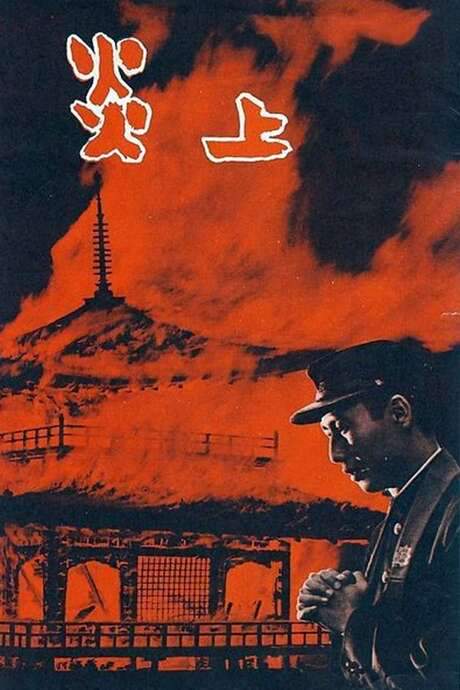
Hunting Rifle (1961) movie poster

Timeline

Hunting Rifle (1961) Timeline Explained – Every Event in Order

Release, runtime and language
1961 · 98 mins · Japanese
Loading streaming availability…
Directed by
Heinosuke Gosho
Starring
Keiji Sada, Shin Saburi, Masami Taura, Mariko Okada, Koji Nakata, Yoshie Minami

Saiko leaves her husband, a physician, after a mysterious stranger delivers a baby claiming it is his husband’s child. She then begins an affair with her cousin’s husband, complicating family ties. Tension rises when she learns her ex is planning to remarry, forcing her to confront her past decisions.

On this page (5)
  1. 1 Where to watch
  2. 2 Events in order (14)
  3. 3 Timeline questions answered
  4. 4 Movie threads
  5. 5 Every angle
Loading streaming availability…

14 events in order · contains spoilers

Hunting Rifle Timeline: Events in Chronological Order

Every key event of Hunting Rifle (1961) in order, scene by scene, with when and where it takes place. Use it to untangle flashbacks, time jumps and parallel storylines, to refresh your memory before the sequel or to find the exact scene you are thinking of.

  1. Prologue: Snowy landscape

    In a stark prologue, Misugi, a hunter, moves through a snowy landscape with his dog while a narrator describes his lean features and quiet presence. The chilly, pristine scenery frames him as a solitary, almost mythic figure. This opening sets a contemplative mood and foreshadows that the story will unfold mostly in flashback.

    When
    Prologue
    Where
    Snowy landscape
  2. Misugi marries Midori

    Misugi is newly married to Midori, a much younger woman whose presence hints at emotional distance rather than shared warmth. The marriage appears conventional on the surface, yet underlying tensions promise upheaval. This establishes the central dynamic that will drive later betrayals.

    When
    Early years after marriage
    Where
    Misugi's home
  3. Saiko's introduction and Kadota

    Saiko is introduced as Midori's elegant older cousin and Kadota's wife, a successful physician. Her charisma captivates Misugi, drawing him into a private orbit outside his marriage. The setup introduces the possibility of scandal and moral conflict within the circle.

    When
    Early in the narrative
    Where
    Kadota and Saiko's home
  4. Hamako arrives with Shoko

    Hamako arrives at Saiko's house with a small child, claiming Kadota is the father of Shoko and that Shoko is his daughter. The claim blurs the lines between truth and rumor and unsettles the family’s loyalties. This confrontation plants the seeds of betrayal that ripple through the rest of the story.

    When
    Early flashback
    Where
    Saiko's house
  5. Hamako dies; Shoko enters the family

    Hamako dies in an accident soon after, and Saiko agrees to adopt Shoko. Kadota divorces his wife, severing the legal bond as the personal entanglements deepen. The household is reorganized around the hidden histories they now share.

    When
    Soon after
    Where
    Saiko's house
  6. Misugi falls for Saiko

    Misugi visits Saiko and becomes increasingly captivated by her sophistication and education. Their meeting sparks a passionate affair that defies boundaries and threatens the stability of all involved. The relationship becomes the emotional core of the flashback.

    When
    Shortly after introduction
    Where
    Saiko's home
  7. Guilt and a vow

    Saiko feels guilty for betraying Midori, referring to themselves as criminals and expressing a vow to end her life if Midori ever discovers the truth. The weight of guilt hangs over both women and the lover, coloring every interaction. The tension between desire and duty intensifies.

    When
    During the affair
    Where
    Saiko's room
  8. Midori discovers and retaliates

    Midori learns of the affair but chooses to stay calm, a cool, controlled response that masks deeper pain. She begins short affairs with other men, and her marriage with Misugi deteriorates into coldness and loneliness. The couple drifts apart as their secret lives create widening chasms.

    When
    During the affair and after
    Where
    Midori's home
  9. Years pass; Midori's revelation to Saiko

    Years pass and the distance between Misugi and Midori grows with each unspoken consequence. The narrative compresses time to show the long, painful unraveling of their relationship and the toll of hidden desires. The couple's once-stable lives unravel into a brittle, hollow distance.

    When
    Years later
    Where
    Various
  10. Midori confronts Saiko

    During a visit to the ailing Saiko, Midori finally tells her that she knows about the affair between Misugi and Saiko. The confession crystallizes the consequences of their choices and reinforces the sense of inescapable fate. The moment marks a turning point for Saiko as she confronts the truth about her life.

    When
    Years later
    Where
    Saiko's room
  11. Kadota remarries; diary request

    Saiko learns that Kadota has remarried, adding another layer of loss to her already heavy guilt. She asks Shoko to burn her diary as a final attempt to erase the past, hoping to absolve herself through silencing the record. The request reveals her desperation to control the narrative of their shared history.

    When
    After revelation
    Where
    Saiko's home
  12. Shoko reads the diary

    Shoko refuses to destroy the diary and instead reads it, overwhelmed by the brutal realities of the adults' world it reveals. The act exposes Shoko to the painful truths about love, betrayal, and the fragility of adult life. Her reaction encapsulates the film's meditation on maturity and consequence.

    When
    Immediately after
    Where
    Shoko's space
  13. Saiko's death

    Saiko dies by poison, unable to bear the weight of her culpability and the relentless memory of her actions. Her death closes the loop on the affair and the life she led within this world of secrets. The diary remains, a tangible ledger of the adults' sad and terrible world.

    When
    After diary reading
    Where
    Saiko's room
  14. Closing image: Return to snow

    The final image returns to the prologue's snowy landscape, echoing Misugi's solitary figure as the film closes. The cyclic composition underscores the film's meditation on memory, guilt, and the inescapable pull of the past. The snow and silence leave a haunting impression of what has been lost.

    When
    End
    Where
    Snowy landscape

Last updated: October 07, 2025 at 09:32

Was this helpful?

Timeline questions answered

Hunting Rifle Timeline Explained: Your Questions Answered

When does it happen, and why in that order? The questions people ask about the chronology of Hunting Rifle (1961): time jumps, flashbacks, cause and effect between scenes and the correct order of events, each answered with spoilers.

Q1

Why does Saiko adopt Shoko but divorce Kadota?

Saiko adopts Shoko because she feels compassion for the child who lost her mother Hamako, and because Shoko represents Kadota's betrayal. However, she divorces Kadota to sever ties with him completely after his infidelity was exposed. By keeping Shoko but leaving Kadota, Saiko essentially claims the child as her own while rejecting her husband entirely.

  • saiko
  • kadota
  • shoko
  • divorce
  • adoption
  • betrayal
Q2

What draws Misugi to Saiko?

Misugi is captivated by Saiko's sophistication, education, and intellectual world, contrasting sharply with his quiet, emotionally distant marriage to the younger and inexperienced Midori. Saiko represents a realm of culture and passion that is missing from his own home, making her irresistible despite the familial bond.

Foreshadowing: The prologue establishes Misugi as a solitary, hunting figure, his pursuit of Saiko mirrors his hunting nature.

  • misugi
  • saiko
  • attraction
  • affair
  • midori
  • comparison
Q3

Why does Midori stay with Misugi after discovering the affair?

Midori chooses to stay despite knowing about the affair, though she responds with remarkable restraint. Rather than confronting her husband or causing a scene, she retreats into a cold composure and begins her own brief liaisons. This response suggests she prioritizes maintaining the marriage's form over confronting the emotional truth, possibly due to social expectations or personal pride.

Foreshadowing: The early marriage between Misugi and Midori is described as emotionally distant, suggesting Midori already felt disconnected.

  • midori
  • misugi
  • affair
  • stayed
  • revenge
  • affairs
Q4

Why does Saiko want to burn her diary?

Saiko asks Shoko to burn her diary because it contains intimate details of her affair with Misugi and all the secrets that have damaged her family. With Kadota remarrying and her own guilt mounting, Saiko hopes destroying the diary will erase the record of her betrayals and spare those left behind from the painful truths.

  • saiko
  • diary
  • burn
  • secrets
  • shoko
Q5

Why does Shoko read the diary instead of destroying it?

Shoko chooses to read the diary despite Saiko's request to burn it, driven by curiosity about her own origins and the adult world that shaped her life. Growing up with knowledge that she was adopted and that her biological father was Kadota, Shoko seeks answers about her mother Saiko's life and the truth behind the family's complex history.

  • shoko
  • diary
  • read
  • saiko
  • truth
  • origins
Q6

What leads Saiko to take her own life?

Saiko dies by poison unable to bear the weight of her guilt over betraying her cousin Midori, the affair with Misugi, and the overall destruction she caused to her family. Learning that Kadota remarried adds another layer of loss, and the fact that her diary will expose all her secrets to Shoko finalizes her sense of being beyond redemption.

  • saiko
  • suicide
  • poison
  • guilt
  • death
  • kadota remarried
Q7

Why does Midori finally tell Saiko she knows about the affair?

Midori confesses to Saiko during a visit to the ailing Saiko, years after first learning of the affair. This delayed revelation seems to stem from a need for closure, Saiko is dying, and Midori wants her to face the truth before the end. It also represents Midori finally releasing the emotional burden she has carried silently for years.

  • midori
  • saiko
  • confession
  • affair
  • confrontation
Q8

Why does the film return to the snowy prologue at the end?

The return to the snowy prologue creates a cyclic structure, showing that Misugi remains trapped in his solitary, hunting existence, haunted by memory and regret. The recurring image underscores the film's meditation on how past choices cast lasting shadows, and how patterns of pursuit and loss repeat across generations.

  • prologue
  • snow
  • ending
  • cyclic
  • memory
  • misugi
Q9

Why does Saiko refer to herself and Misugi as criminals?

Saiko calls herself and Misugi criminals because she views their affair as a moral transgression against her younger cousin Midori. The term reflects her intense guilt and self-condemnation, she sees their relationship as a violation of family trust and loyalty, equating it to a crime worthy of punishment.

  • saiko
  • misugi
  • criminals
  • guilt
  • affair
  • vow
Q10

How does Kadota's remarriage affect Saiko?

Kadota's remarriage devastates Saiko because it represents the final erasure of her former life and confirms that she has lost everything she once had. Even after divorcing him, the news that he has moved on and built a new family intensifies Saiko's sense of loss and deepens her despair, contributing to her decision to end her life.

  • kadota
  • remarriage
  • saiko
  • loss
  • divorce
Q11

How does Hamako's death affect the story?

Hamako dies in an accident shortly after arriving at Saiko's house with Shoko and claiming Kadota is the child's father. Her death removes the possibility of confirming Shoko's paternity and leaves Saiko to raise the child alone. This tragedy sets in motion Saiko's divorce from Kadota and ultimately creates the conditions for her emotional vulnerability that leads to her affair with Misugi.

  • hamako
  • death
  • accident
  • shoko
  • kadota
  • paternity
Q12

Why does Midori have her own affairs?

Midori begins having brief affairs with other men after discovering Misugi and Saiko's relationship. This appears to be her way of coping with emotional betrayal, by seeking connection outside her marriage, she mirrors the infidelity she resents while maintaining a facade of control. Her affairs also represent her withdrawal from the marriage and her own form of silent revenge.

  • midori
  • affairs
  • revenge
  • misugi
  • betrayal

Movie threads

More Movies Like Hunting Rifle, by Mood & Story

Curated lists built around what makes Hunting Rifle tick: the same mood, the same kind of story or the same emotional payoff. Each list explains why these movies belong together.

Slow burn stories of marital ruin like Hunting Rifle

Stories where domestic lives unravel under the weight of quiet betrayal. A collection of movies like Hunting Rifle, featuring slow-paced dramas about the quiet collapse of relationships. If you appreciated the heavy emotional weight and melancholic tone of Hunting Rifle, you'll find similar stories exploring betrayal, guilt, and the painful consequences of secrets within families.

  • melancholic
  • somber
  • restrained
  • tense
  • aching
  • reflective
  • Tone: melancholic, somber
  • Pacing: slow, deliberate
Why these movies?

The story pattern: These narratives often follow characters as they confront the fallout of adultery or deceit, revealing the damage through restrained interactions and emotional isolation rather than overt drama. The journey is one of regret and reflection, typically leading to a somber or sad conclusion.

Why they belong together: Movies are grouped here for their shared focus on the slow, painful unraveling of intimate bonds, their melancholic and reflective tone, and their emphasis on the heavy emotional weight of guilt and regret.
Movies about quiet suffering and regret like Hunting Rifle

Character-driven dramas centered on internal pain and the burden of past mistakes. Discover films similar to Hunting Rifle that explore themes of deep regret and quiet emotional pain. These character-driven dramas share a slow pacing and heavy emotional weight, perfect for viewers who liked the reflective and somber mood of Hunting Rifle and its focus on the consequences of past actions.

  • reflective
  • aching
  • lonely
  • quiet
  • somber
  • guilty
  • Tone: reflective, melancholic
  • Pacing: slow, atmospheric
Why these movies?

The story pattern: The narrative pattern involves characters grappling with the long-lasting effects of their choices, often in isolation. The conflict is primarily internal, with the plot serving to expose the depth of their guilt and the impossibility of undoing their past, leading to an emotionally resonant, typically sad, resolution.

Why they belong together: This thread unites movies through their dominant mood of reflective melancholy, their focus on the internal experience of guilt and regret, and their use of a slow, deliberate pace to amplify the feeling of quiet, persistent sorrow.

Every angle

Hunting Rifle (1961) Explained: Plot, Timeline & Characters

Everything about Hunting Rifle in one place: what happens in the plot summary, the timeline in chronological order, the characters and meaning and a spoiler-free summary. What's After the Movie adds the cast, box office and post-credit scenes.

Coming soon on iOS and Android

The Plot Explained Movie Summary App

Plot summaries, endings explained and timelines on your phone. Catch up on any movie in minutes, save your favorites and never miss a twist again.

Be the first to know when we launch. Your email stays private, always.

Learn more about the app