Plot Explained Spoilers guaranteed!
Plot Explained

Browse by genre

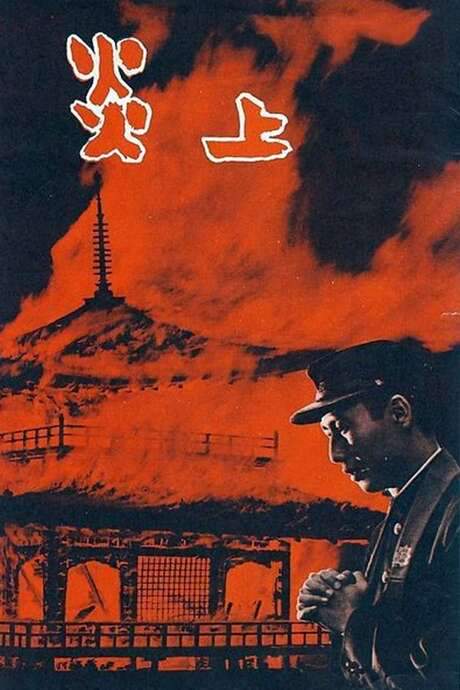
Hunting Rifle (1961) movie poster

Characters & Themes

Hunting Rifle (1961) Characters, Setting & Themes Explained

Release, runtime and language
1961 · 98 mins · Japanese
Loading streaming availability…
Directed by
Heinosuke Gosho
Starring
Keiji Sada, Shin Saburi, Masami Taura, Mariko Okada, Koji Nakata, Yoshie Minami

Saiko leaves her husband, a physician, after a mysterious stranger delivers a baby claiming it is his husband’s child. She then begins an affair with her cousin’s husband, complicating family ties. Tension rises when she learns her ex is planning to remarry, forcing her to confront her past decisions.

On this page (7)
  1. 1 Where to watch
  2. 2 Characters explained (6)
  3. 3 Where & when it takes place
  4. 4 Themes & meaning (4)
  5. 5 Character & meaning questions
  6. 6 Movie threads
  7. 7 Every angle
Loading streaming availability…

6 main characters · contains spoilers

Hunting Rifle Characters Explained: Who Is Who

The main characters of Hunting Rifle (1961), heroes and villains: what drives them, how they change over the course of the story and what each of them reveals about the film's bigger ideas.

  • Josuke Misugi (Shin Saburi)

    A hunter by habit who has become a company director and art collector. Newly married to the young Midori, he becomes involved in an intense affair with Saiko, testing his loyalties. He is portrayed as reserved and introspective, and his choices reveal the fragility of adult commitments. The prologue's hunter image frames his role as the emotional hinge of the past that drives the flashback.

    • 💔 Adulterer
    • 🧭 Conflicted
    • 🧊 Reserved
  • Midori Misugi (Mariko Okada)

    The young wife of Josuke, initially inexperienced and observant. Her discovery of the affair triggers a slow emotional disintegration and a period of loneliness. She engages in brief affairs with other men as the marriage cools, signaling her search for connection beyond her husband. Her arc embodies the cost of secrecy on a woman's life and sense of self.

    • 💔 Neglected wife
    • 🕊️ Resilient
    • 🪶 Secluded
  • Saiko Tagi (Fujiko Yamamoto)

    Midori's older cousin, married to Kadota, who becomes Misugi's lover. Sophisticated and conflicted, she views their affair as a kind of criminal act and is haunted by guilt. She vows to end her life if the truth is exposed, and later dies after Saiko asks Shoko to burn her diary, leaving behind a potent diary of secrets.

    • 💼 Sophisticated
    • 💔 Guilty
    • 📝 Diary-driven
  • Kadota (Koji Nakata)

    A physician and Midori and Saiko's link through Saiko's marriage; he is the husband of Saiko and later remarries after their separation. His presence anchors the social and moral dimensions of the affair, highlighting the complexity of intimate relationships within a professional class.

    • 🏥 Doctor
    • 🧭 Complex marriage
    • 🔒 Secretive
  • Shoko Tagi (Haruko Wanibuchi)

    The child of Hamako and Kadota who is adopted into Saiko's circle after Hamako's appearance. Shoko is a lens through which the audience perceives the impact of adult secrets on a young life; she ultimately confronts the 'sad and terrible world of adults' through the diary.

    • 👶 Innocence
    • 📜 Diary reader
    • 😮 Shocked
  • Hamako (Nobuko Otowa)

    The mother who arrives with her young child claiming Kadota's former mistress status; her appearance sparks the central conflict and leads to Saiko's diary's fate. Her death in an accident after these revelations intensifies the tragedy and the sense of consequence surrounding the affair.

    • 💔 Heartbroken
    • 💡 Catalyst
    • 🌧️ Tragic

Last updated: October 04, 2025 at 18:38

Was this helpful?

Setting

Where and When Does Hunting Rifle Take Place?

The setting of Hunting Rifle (1961): the year and time period, the places and locations, and how they shape the characters, the mood and the tension of the story.

Time period

Location

Japan

The story unfolds across Japan, focusing on intimate domestic interiors and the stark winter landscapes that frame the characters. A prologue shows a hunter moving through a snow-drenched setting, establishing a mood of isolation. Much of the drama plays out inside Saiko's, Midori's, and Kadota's homes, where private betrayals and fragile alliances push the plot forward. The season's cold climate mirrors the emotional chill that permeates the relationships.

  • ❄️ Snowy landscapes
  • 🏠 Domestic spaces

Last updated: October 04, 2025 at 18:38

Was this helpful?

4 major themes

Hunting Rifle Meaning: Themes & Message Explained

What is Hunting Rifle (1961) really about? The emotional, social and philosophical themes the film keeps returning to, its symbolism and the message beneath the surface.

  • Adultery

    The central affair between Misugi and Saiko drives the narrative and exposes how desire destabilizes marriages. The lovers trade secrecy for urgency, risking exposure that would devastate Midori. The diary that records their acts becomes a tangible symbol of guilt and accountability. The film uses this forbidden romance to explore the ethical weight of passion and its consequences.

  • Marital decline

    Misugi and Midori's relationship deteriorates into coldness and loneliness as the affair unfolds. The film traces how trust erodes and personal longing gives way to distance within the marriage. Their growing separation echoes through the family, amplifying the sense of loss and miscommunication. Time accentuates regret, reframing the romance as a casualty of hidden truths.

  • Guilt

    Saiko's sense of guilt shapes her choices and her vow that she would kill herself if Midori discovered the truth. The diary becomes a physical record of secrets that governs the fates of those involved. Shoko's later reading of the diary exposes the adults' world as sad and terrifying from a child's perspective. Guilt binds the characters, limiting their freedom and driving tragic outcomes.

  • Memory

    The opening prologue framed by Misugi's snowy life is echoed throughout as the rest of the film unfolds in a flashback. A narrator guides the viewer through past events, prompting reflection on what really happened. The structure invites viewers to piece together truth from fragments and memories. The ending circles back to the opening image, underscoring how memory preservers emotional landscapes.

Last updated: October 04, 2025 at 18:38

Was this helpful?

Character & theme questions

Hunting Rifle Characters & Meaning: Your Questions Answered

The questions people ask about Hunting Rifle (1961): who the characters really are, their relationships, what the symbols mean, where it takes place and what the movie is really about. Each answer contains spoilers.

Q1

Where does Hunting Rifle take place?

The film is set in Japan, primarily in intimate domestic interiors and stark winter landscapes. The story unfolds across different homes belonging to Saiko, Midori, and Kadota, with the cold snowy environment serving as a visual and emotional backdrop to the drama.

Foreshadowing: The opening prologue shows a hunter moving through a snow-drenched setting, establishing isolation as a central mood.

  • japan setting
  • domestic interiors
  • snowy landscape
  • locations
Q2

What is the significance of the snowy setting in Hunting Rifle?

The winter landscape mirrors the emotional chill permeating the relationships. The cold climate visually represents the isolation, loneliness, and emotional distance between characters as their marriages deteriorate and secrets fester.

  • winter
  • snow
  • emotional symbolism
  • atmosphere
Q3

What are the main themes of Hunting Rifle?

The film explores adultery as a forbidden romance that destabilizes marriages, marital decline showing how trust erodes over time, guilt as a binding force that limits freedom and drives tragic outcomes, and memory through its nonlinear narrative structure that invites viewers to piece together truth from fragments.

  • adultery
  • marital decline
  • guilt
  • memory
  • themes
Q4

What does Hunting Rifle say about adultery?

The central affair between Misugi and Saiko exposes how desire destabilizes marriages. The lovers trade secrecy for urgency, risking exposure that would devastate Midori. The diary recording their acts becomes a tangible symbol of guilt and accountability, exploring the ethical weight of passion and its consequences.

  • adultery
  • forbidden romance
  • passion
  • consequences
Q5

How does the film's structure use memory?

The film opens with a snowy prologue framed by Misugi's life, then unfolds as a flashback narrated to guide viewers through past events. This structure invites reflection on what really happened, with the ending circling back to the opening image to show how memory preserves emotional landscapes.

  • flashback
  • nonlinear narrative
  • memory
  • prologue
Q6

Who are the main characters and how are they connected?

The key characters include Josuke Misugi (a hunter-turned-director having an affair), his young wife Midori (who discovers the affair), Saiko (Midori's cousin married to physician Kadota, and Misugi's lover), and Kadota (the physician husband). Saiko's appearance with a child claiming Kadota's paternity sparks the central conflict.

  • josuke misugi
  • midori
  • saiko
  • kadota
  • characters
  • relationships
Q7

Who is Josuke Misugi in the film?

Josuke Misugi is a man who was a hunter by habit and later became a company director and art collector. Newly married to the young Midori, he becomes involved in a intense affair with Saiko, testing his loyalties. He is portrayed as reserved and introspective, with his choices revealing the fragility of adult commitments.

  • josuke misugi
  • hunter
  • director
  • character role
Q8

What happens to Midori in the story?

Midori is the young, inexperienced wife of Josuke. Her discovery of his affair with Saiko triggers slow emotional disintegration and loneliness. As the marriage cools, she engages in brief affairs with other men, searching for connection beyond her husband, ultimately embodying the cost of secrecy on a woman's life and sense of self.

  • midori
  • wife
  • emotional arc
  • betrayal
Q9

Who is Saiko and what drives her?

Saiko is Midori's older cousin, married to physician Kadota, who becomes Misugi's lover. Sophisticated and conflicted, she views their affair as a kind of criminal act and is haunted by guilt. She vows to end her life if the truth is exposed, and her diary becomes a record of secrets that governs the fates of those involved.

  • saiko
  • cousin
  • guilt
  • diary
  • suicide
Q10

What is the role of the diary in Hunting Rifle?

The diary serves as a physical record of secrets that records the affair between Misugi and Saiko. It becomes a tangible symbol of guilt and accountability, governing the fates of all characters involved. Later, Shoko's reading of the diary exposes the adults' world as sad and terrifying from a child's perspective.

  • diary
  • secrets
  • guilt
  • evidence
  • shoko
Q11

What is Shoko's role in the film?

Shoko is the child of Hamako and Kadota who is adopted into Saiko's circle. She serves as a lens through which the audience perceives the impact of adult secrets on a young life. She ultimately confronts the 'sad and terrible world of adults' through reading the diary.

  • shoko
  • child perspective
  • innocence
  • adult secrets
Q12

What is the emotional tone of Hunting Rifle?

The film has a melancholic tone established through a narrative of quiet suffering, guilt, and emotional isolation. The dominant mood is one of loss and regret, with tension arising from the strain of concealed affairs. The ending is definitively sad, centered on themes of betrayal and the damaging nature of secrets.

  • melancholy
  • sadness
  • emotional tone
  • atmosphere
Q13

Why is the movie titled Hunting Rifle?

The title refers to Josuke Misugi's background as a hunter, which is visually established in the opening prologue showing a hunter in snow. This imagery frames his role as the emotional hinge of the past that drives the flashback narrative, symbolizing his predatory pursuit of forbidden desire.

  • hunting rifle
  • title meaning
  • symbolism
  • hunter

Movie threads

More Movies Like Hunting Rifle, by Mood & Story

Curated lists built around what makes Hunting Rifle tick: the same mood, the same kind of story or the same emotional payoff. Each list explains why these movies belong together.

Slow burn stories of marital ruin like Hunting Rifle

Stories where domestic lives unravel under the weight of quiet betrayal. A collection of movies like Hunting Rifle, featuring slow-paced dramas about the quiet collapse of relationships. If you appreciated the heavy emotional weight and melancholic tone of Hunting Rifle, you'll find similar stories exploring betrayal, guilt, and the painful consequences of secrets within families.

  • melancholic
  • somber
  • restrained
  • tense
  • aching
  • reflective
  • Tone: melancholic, somber
  • Pacing: slow, deliberate
Why these movies?

The story pattern: These narratives often follow characters as they confront the fallout of adultery or deceit, revealing the damage through restrained interactions and emotional isolation rather than overt drama. The journey is one of regret and reflection, typically leading to a somber or sad conclusion.

Why they belong together: Movies are grouped here for their shared focus on the slow, painful unraveling of intimate bonds, their melancholic and reflective tone, and their emphasis on the heavy emotional weight of guilt and regret.
Movies about quiet suffering and regret like Hunting Rifle

Character-driven dramas centered on internal pain and the burden of past mistakes. Discover films similar to Hunting Rifle that explore themes of deep regret and quiet emotional pain. These character-driven dramas share a slow pacing and heavy emotional weight, perfect for viewers who liked the reflective and somber mood of Hunting Rifle and its focus on the consequences of past actions.

  • reflective
  • aching
  • lonely
  • quiet
  • somber
  • guilty
  • Tone: reflective, melancholic
  • Pacing: slow, atmospheric
Why these movies?

The story pattern: The narrative pattern involves characters grappling with the long-lasting effects of their choices, often in isolation. The conflict is primarily internal, with the plot serving to expose the depth of their guilt and the impossibility of undoing their past, leading to an emotionally resonant, typically sad, resolution.

Why they belong together: This thread unites movies through their dominant mood of reflective melancholy, their focus on the internal experience of guilt and regret, and their use of a slow, deliberate pace to amplify the feeling of quiet, persistent sorrow.

Every angle

Hunting Rifle (1961) Explained: Plot, Timeline & Characters

Everything about Hunting Rifle in one place: what happens in the plot summary, the timeline in chronological order, the characters and meaning and a spoiler-free summary. What's After the Movie adds the cast, box office and post-credit scenes.

Coming soon on iOS and Android

The Plot Explained Movie Summary App

Plot summaries, endings explained and timelines on your phone. Catch up on any movie in minutes, save your favorites and never miss a twist again.

Be the first to know when we launch. Your email stays private, always.

Learn more about the app