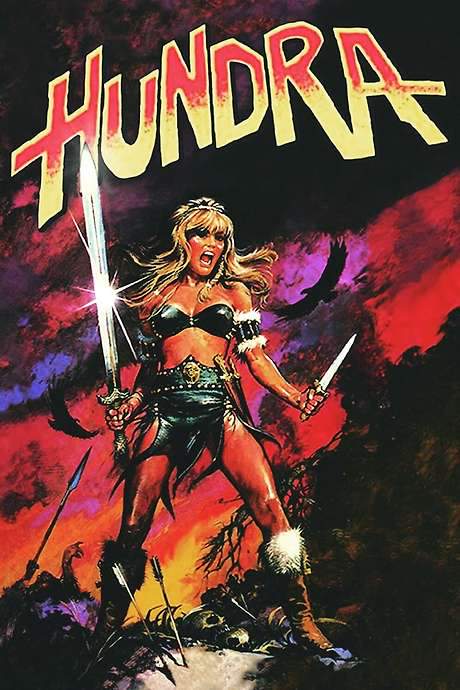
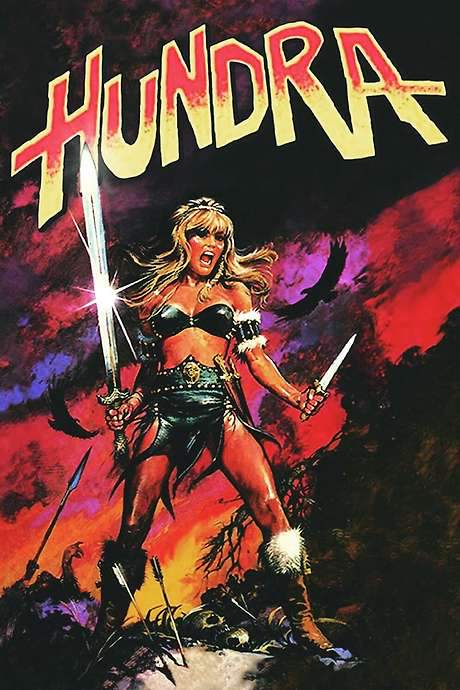
Hundra Laurene Landon belongs to a tribe of Amazons and stands out as the only member of her age who has never known a man. She makes a quiet vow to keep it that way, living with a fierce sense of independence and a belief in her own path. But fate intervenes during a hunting excursion when barbarians overwhelm her tribe, slaughtering almost everyone and leaving Hundra as the lone survivor. The devastation forces her to seek guidance from an old, wise woman, hoping for a clue about what to do next.
The elder’s reply is blunt and unsettling: if the Amazons are to avoid a final extinction, Hundra must become a mother. This revelation shatters her certainty and sets her on a difficult journey across a dangerous world in search of a father for her child. What follows is a hard-edged odyssey through encounters that test resolve and redefine what it means to be a woman choosing her own destiny.
Her search introduces a string of men who symbolize different paths and dangers. The first candidate turns out to be crude and controlling, showing bad manners that reveal a darker side—he is a sadist, complicating Hundra’s plan from the start. She then crosses paths with a ruthless robber baron who has no interest in happiness or partnership, only conquest, and who appears bent on harming her. A later encounter with an effeminate pimp adds another layer of complexity to her quest, presenting social mores and power dynamics she must navigate.
At last, a healer emerges as a potential partner. Hundra asks him to become the father of her child, but he cautions that a man will not get in the right mood if approached too bluntly. Undeterred, she turns to the support of other women who help her find a way to approach this delicate task. Through patience, strategy, and mutual aid, Hundra succeeds in seducing him, and the result is pregnancy and, eventually, the birth of a daughter.
Dark forces soon intrude on her fragile circle. An evil pagan priest abducts Hundra’s daughter, dragging her into a perilous rite designed to humiliate and subdue her. Faced with coercion and danger, Hundra is drawn into a ritual confrontation where power, fear, and strength collide. The followers’ influence over her is oppressive, but she refuses to surrender. In a pivotal turning point, she discovers that her allies have freed the child, and she fights back with renewed resolve to return to her homeland.
The story concludes with a reflective, almost mythic note: a female narrator explains that Hundra’s spirit has persisted in women ever since, a legacy that outlives the immediate struggle and continues to resonate through generations. This ending frames Hundra not merely as a conqueror of circumstances, but as a catalyst whose belief in motherhood and sisterhood becomes a lasting emblem of womanhood and resilience.