Plot Explained Spoilers guaranteed!
Plot Explained

Browse by genre

Horror Noire: A History of Black Horror (2019) movie poster

Characters & Themes

Horror Noire: A History of Black Horror (2019) Characters, Setting & Themes Explained

Release, runtime and language
2019 · 83 min · English
Echo score 77
Loading streaming availability…
Directed by
Xavier Burgin
Starring
Jordan Peele, Keith David, Loretta Devine, Ken Foree, Miguel A. Núñez Jr., Tony Todd

This documentary explores the history of Black horror cinema, revealing the significant and often overlooked contributions of African American filmmakers to the genre. It traces the evolution of Black horror from its early pioneers to modern-day films, examining the cultural and social contexts that shaped these unique and impactful stories. The film highlights the artistry and innovation within Black horror, showcasing its lasting legacy on the horror landscape.

On this page (7)
  1. 1 Where to watch
  2. 2 Where & when it takes place
  3. 3 Themes & meaning (3)
  4. 4 Character & meaning questions
  5. 5 Movie threads
  6. 6 Movies like Horror Noire: A History of Black Horror
  7. 7 Every angle
Loading streaming availability…

Setting

Where and When Does Horror Noire: A History of Black Horror Take Place?

The setting of Horror Noire: A History of Black Horror (2019): the year and time period, the places and locations, and how they shape the characters, the mood and the tension of the story.

Time period

20th century - 21st century

The documentary spans significant developments in both the 20th and 21st centuries, particularly focusing on the evolution of African-American representation in the horror genre. Key events include the civil rights movements of the 1960s, the emergence of blaxploitation in the 1970s, and the influence of modern films addressing racial themes.

Location

Hollywood, USA

The film industry hub of Hollywood in the USA has long been a dominant force in global cinema. Known for its elaborate storytelling and historically significant films, it has also been at the center of discussions regarding representation and diversity in film.

  • 🎬 Film Industry
  • 🌍 Cultural Landscape

Last updated: October 18, 2026 at 16:56

Was this helpful?

3 major themes

Horror Noire: A History of Black Horror Meaning: Themes & Message Explained

What is Horror Noire: A History of Black Horror (2019) really about? The emotional, social and philosophical themes the film keeps returning to, its symbolism and the message beneath the surface.

  • Representation

    A central theme of the documentary is the evolution of representation of African-Americans in horror films. It traces how black characters have transitioned from marginalized figures to complex protagonists. The film highlights the efforts and struggles of creators and performers to challenge negative stereotypes and push for more authentic portrayals.

  • Horror and Society

    The relationship between horror films and societal issues is examined, particularly the reflective nature of horror on real-world fears and experiences. The documentary discusses how horror can serve as both a commentary on and a critique of societal injustices, including racism and violence.

  • Cultural History

    This theme explores the historical context of African-Americans in horror cinema. The documentary traces the impacts of early films like 'The Birth of a Nation' and shifts in narrative through films like 'Get Out,' which incorporate themes of race, identity, and cultural storytelling.

Last updated: October 18, 2026 at 16:56

Was this helpful?

Character & theme questions

Horror Noire: A History of Black Horror Characters & Meaning: Your Questions Answered

The questions people ask about Horror Noire: A History of Black Horror (2019): who the characters really are, their relationships, what the symbols mean, where it takes place and what the movie is really about. Each answer contains spoilers.

Q1

What does the documentary explore about Black horror cinema?

Horror Noire is a 2019 documentary that examines the history, artistry, and cultural significance of Black horror cinema in America. It traces how African American filmmakers, performers, and storytellers have shaped the horror genre from its earliest silent-era origins through the present day. Through archival footage, film clips, and interviews with scholars and creators, the documentary highlights contributions that have often been overlooked or marginalized in mainstream horror history.

  • black horror cinema
  • documentary
  • african american filmmakers
  • horror genre history
Q2

What time period does the documentary cover?

The documentary spans more than a century of Black involvement in horror, beginning in the early 20th century and extending into the late 2010s. It pays particular attention to the civil rights era of the 1960s, the blaxploitation wave of the 1970s, and the modern resurgence of socially conscious Black horror in the 2000s and 2010s. This wide timeline allows the film to connect shifts in American racial politics directly to changes in how Black characters are portrayed on screen.

  • time period
  • 20th century
  • 21st century
  • civil rights era
  • blaxploitation
Q3

Where does the documentary take place?

While the documentary discusses horror films set in many different locations, its primary focus is on Hollywood and the U.S. film industry where mainstream horror has historically been produced. This setting is significant because Hollywood has long been the center of discussions about diversity, representation, and creative opportunity in American cinema. By grounding itself in this context, the film highlights how industry power structures have shaped which horror stories get told and by whom.

  • hollywood
  • film industry
  • usa
  • american cinema
  • power structures
Q4

Why does the documentary focus on Black horror specifically?

The documentary argues that Black horror is a distinct and vital tradition that has often been marginalized, misrepresented, or omitted from mainstream horror history. It seeks to recover the contributions of African American creators who pushed the genre forward despite limited studio support and narrow roles. By isolating this lineage, the film makes the case that Black horror is not a side note but a defining thread in the larger fabric of American horror.

  • black horror tradition
  • african american creators
  • marginalized stories
  • genre history
Q5

How does the documentary connect horror films to social issues?

The documentary repeatedly draws parallels between horror narratives and real-world anxieties experienced in Black communities, including racism, police violence, and social exclusion. It treats films like 'Get Out' as direct commentaries on racial dynamics, while also examining how earlier Black horror reflected the specific fears of its era. By framing horror as a mirror of society, the film positions the genre as a powerful cultural lens on American race relations.

  • horror and society
  • racism
  • police violence
  • social commentary
  • get out
Q6

How does the documentary describe the evolution of Black characters in horror?

According to the documentary, Black characters in horror began as marginalized victims, background figures, or vehicles for harmful stereotypes. Over time, they gradually became more central, complex protagonists, particularly through the work of Black filmmakers seeking more authentic portrayals. Modern films, the documentary argues, finally allow Black characters to drive the narrative as fully realized heroes rather than expendable victims.

  • black characters
  • representation
  • protagonists
  • stereotypes
  • character evolution
Q7

Why is 'Get Out' significant in the documentary?

'Get Out' is presented as a watershed moment that brought Black-led horror to mainstream critical and commercial success in the 2010s. The documentary uses the film as a central example of how contemporary Black filmmakers merge genre thrills with sharp social commentary about race. Its massive success is framed as proof that Black horror stories have both artistic depth and broad audience appeal, marking a turning point the film celebrates.

  • get out
  • jordan peele
  • black-led horror
  • mainstream success
  • modern horror
Q8

What films and eras does the documentary examine?

The documentary covers a wide range of titles, from early and controversial works like 'The Birth of a Nation' through modern hits such as 'Get Out.' It also shines a spotlight on less widely known films, including blaxploitation horror entries, independent Black horror productions, and influential TV moments. The breadth of its coverage, spanning roughly a century, gives the documentary its scholarly weight and helps position Black horror as a continuous tradition.

  • films examined
  • birth of a nation
  • blaxploitation
  • independent horror
  • film history
Q9

How does the documentary portray early Black representation in horror?

The film does not shy away from the painful history of how Black characters were depicted in early horror, including roles as monsters, victims, or comic relief. It connects these portrayals to the broader racial hierarchies of early 20th-century Hollywood and the limited power African Americans held in the industry. By confronting this history head-on, the documentary sets up the contrast with later, more empowering representations of Black characters.

  • early representation
  • stereotypes
  • racial hierarchies
  • early hollywood
Q10

What is the overall tone of the documentary?

Horror Noire maintains an analytical and educational tone throughout, treating its subject with scholarly seriousness rather than sensationalism. While it does not avoid difficult topics like racism, stereotyping, and police violence, it moves steadily toward an optimistic conclusion. The documentary celebrates the achievements of Black horror creators and frames the current era as a thriving, artistically rich new chapter for the genre.

  • documentary tone
  • educational
  • analytical
  • hopeful
  • celebratory
Q11

What does the documentary say about the blaxploitation era?

Horror Noire frames the 1970s blaxploitation movement as a pivotal period when Black filmmakers gained more creative control over their stories, including within the horror genre. It acknowledges the era's bold visual style and cultural impact while also examining its contradictions, including limited representation behind the camera and stereotypical tropes. The discussion sets the stage for understanding the long gap before another major wave of Black horror emerged in the 2000s and 2010s.

  • blaxploitation
  • 1970s horror
  • black filmmakers
  • creative control
  • cultural impact

Movie threads

More Movies Like Horror Noire: A History of Black Horror, by Mood & Story

Curated lists built around what makes Horror Noire: A History of Black Horror tick: the same mood, the same kind of story or the same emotional payoff. Each list explains why these movies belong together.

Hidden film histories like Horror Noire: A History of Black Horror

Documentaries that resurrect forgotten voices and redefine what we thought we knew. Explore documentaries that uncover overlooked contributions to cinema history, from marginalized filmmakers to neglected genres and traditions. If you liked Horror Noire: A History of Black Horror, these eye-opening films trace the artistry, struggle, and innovation of communities whose stories have been written out of the canon. Perfect for viewers who want thoughtful, scholarly cinema criticism and cultural rediscovery.

  • eye-opening
  • academic
  • celebratory
  • reflective
  • critical
  • empowering
  • Tone: reflective, hopeful, celebratory
  • Pacing: steady, chronological
Why these movies?

The story pattern: These documentaries typically follow a chronological march through decades, pairing archival evidence with contemporary interviews and expert commentary. They move from acknowledging the painful context of exclusion toward celebratory recognition of milestones. The narrative often alternates between critical analysis of past wrongs and triumphant showcases of breakthrough work, building toward a forward-looking, empowering conclusion that insists the story is still being written.

Why they belong together: They share a steady, reflective pacing suited to academic argument, with layered analysis that combines cultural criticism, historical context, and aesthetic appreciation. The emotional register stays measured rather than visceral, prioritizing education and empowerment over shock. Each film reframes what audiences think they know, surfacing names, films, and movements that deserve a wider audience.
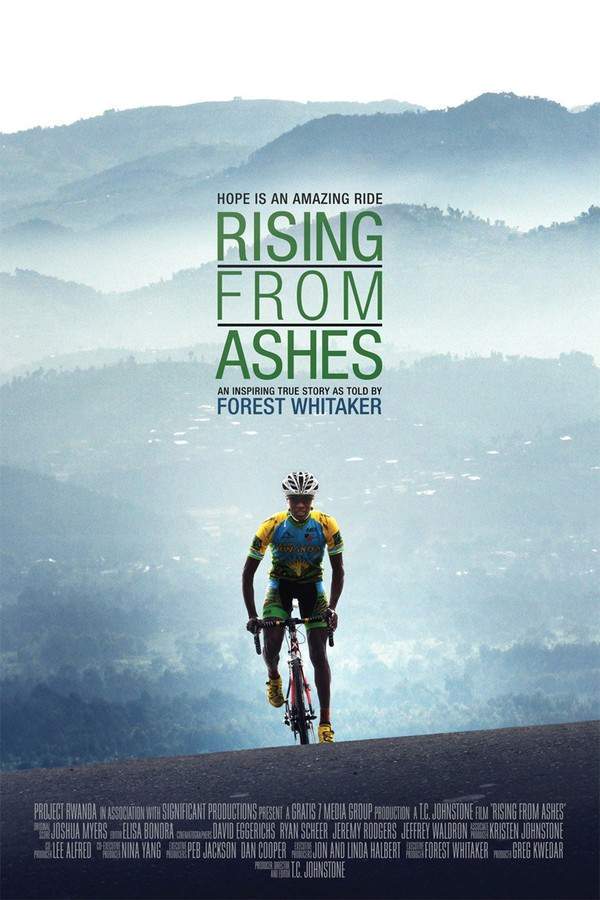
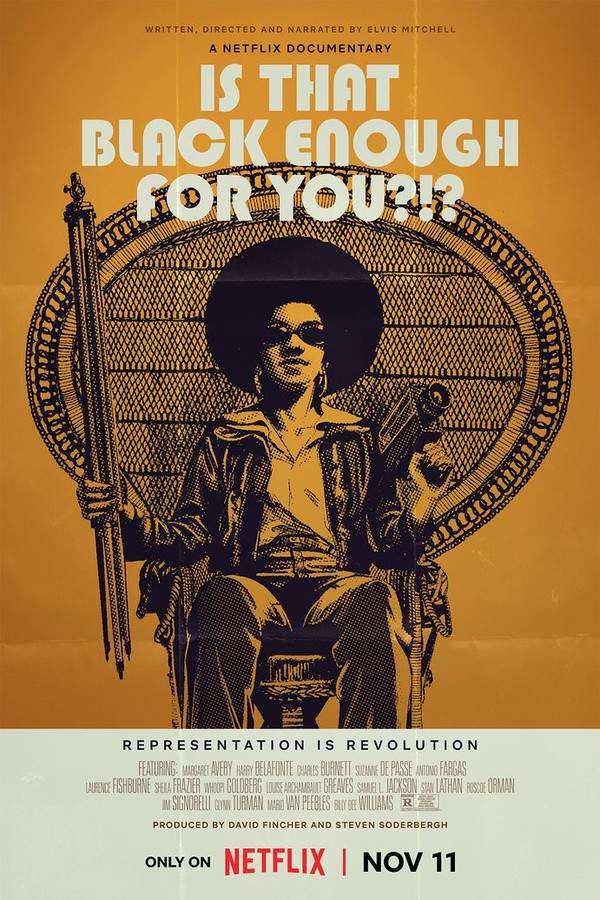
Documentaries about systemic injustice with hopeful endings like Horror Noire: A History of Black Horror

Stories that confront systemic injustice and still find a way to inspire. If you liked Horror Noire: A History of Black Horror and want more documentaries that tackle racism, civil rights, and cultural trauma but still end on an inspiring, hopeful note, these films are for you. They blend critical analysis with celebration, acknowledging painful histories while honoring the artists and communities who pushed forward anyway. Expect disturbing themes delivered with educational, empowering resolve.

  • thoughtful
  • inspiring
  • critical
  • empowering
  • civil rights
  • hopeful
  • Tone: hopeful, reflective, empowering
  • Pacing: steady, measured
Why these movies?

The story pattern: Films in this thread begin by laying out the weight of historical injustice through archival footage, testimony, and expert analysis. They then chart a slow, deliberate movement from oppression toward recognition, ending with affirmation of artistic achievement, cultural contribution, or social progress. The structure is cumulative, building toward an emotionally uplifting conclusion that honors the struggle while looking ahead with conviction.

Why they belong together: They share a hopeful tone despite dealing with disturbing themes, a steady pacing that gives context room to breathe, and a happy or empowering ending rather than a bleak or ambiguous one. Emotional weight is medium rather than devastating, prioritizing education and inspiration. Painful content is present, but always contextualized through critical, academic framing that refuses to leave the viewer in despair.

If you liked this

Movies Like Horror Noire: A History of Black Horror

Similar movies to Horror Noire: A History of Black Horror: the same genre, themes or kind of story. Each one comes with its own plot summary, timeline and ending explained.

Browse all movie summaries

Every angle

Horror Noire: A History of Black Horror (2019) Explained: Plot, Timeline & Characters

Everything about Horror Noire: A History of Black Horror in one place: what happens in the plot summary, the timeline in chronological order, the characters and meaning and a spoiler-free summary. What's After the Movie adds the cast, box office and post-credit scenes.

Coming soon on iOS and Android

The Plot Explained Movie Summary App

Plot summaries, endings explained and timelines on your phone. Catch up on any movie in minutes, save your favorites and never miss a twist again.

Be the first to know when we launch. Your email stays private, always.

Learn more about the app