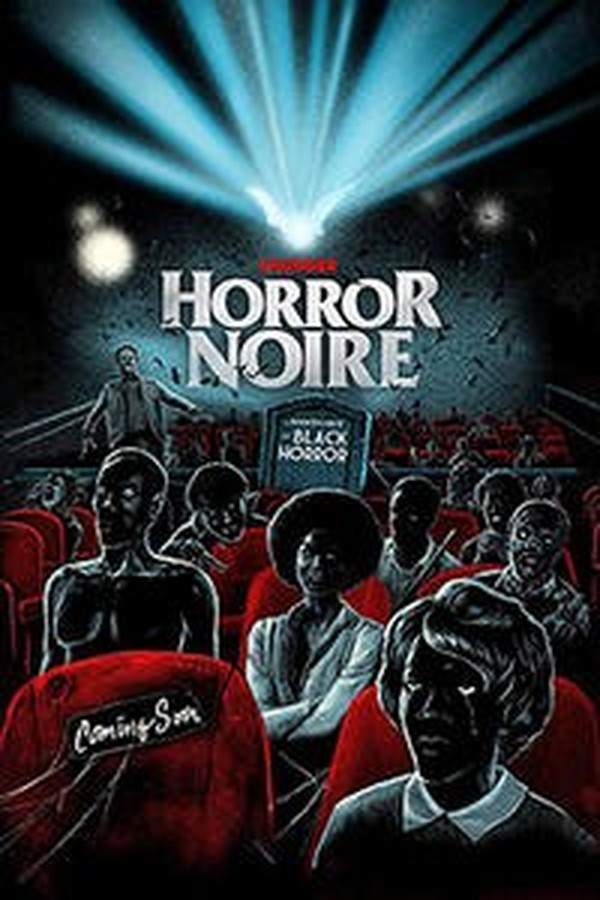
This comprehensive documentary explores the complex and often turbulent history of African-Americans within the horror movie genre. To provide a deep dive into this subject, the film features insightful interviews with a diverse group of experts and industry professionals, including filmmaker Meosha Bean, Ashlee Blackwell, author and educator Robin R. Means Coleman, and the director of Blacula, William Crain. Further perspectives are provided by Rusty Cundieff, acclaimed actor Keith David, Loretta Devine, Tananarive Due, and the legendary Ken Foree. The discussion is further enriched by contributions from Richard Lawson, Kelly Jo Minter, Miguel A. Núñez Jr., Paula Jai Parker, Jordan Peele, Tony Todd, and Rachel True.
The narrative begins by examining the damaging legacy of the 1915 film The Birth of a Nation. The documentary analyzes how this film portrayed African-Americans—often played by white actors in blackface—as sexually aggressive threats to white women while framing the Ku Klux Klan as a righteous force. It is argued that this cinematic foundation emboldened the racist depictions of black characters that persisted in cinema for decades. Moving into the 1930s through the 1950s, the film discusses the severe lack of representation, noting that black characters were typically relegated to background roles or subservient positions. Even more sinister was the use of implied racial imagery in monsters, such as the lustful nature of King Kong or the exaggerated features of the Gill-man.
A pivotal shift is identified in 1968 with the release of Night of the Living Dead. The documentary highlights this film for casting Duane Jones as the protagonist, creating a heroic black character during a decade defined by the volatility of the civil rights movement.
The film then transitions into the 1970s to explore the emergence of the blaxploitation genre. Specific films are analyzed for their cultural impact, including Blacula and Abby, while the influence of voodoo is examined through Sugar Hill. Additionally, the production and thematic depth of Ganja & Hess are brought to light. As the timeline moves into the 1980s and 1990s, the documentary scrutinizes the persistence of tokenism. It examines the trope of the black "sidekick" to a white lead and the common cliché that black characters are always the first to be killed off—though the film notes that while they may not always die first, they frequently perish regardless. Other discussed tropes include the "Magical Negro" and the tendency for black characters to sacrifice themselves for white protagonists.
Despite these challenges, several milestones are celebrated:
Candyman* is praised for its portrayal of a vengeful African-American spirit, featuring the work of Tony Todd.
Tales from the Hood*, involving Rusty Cundieff, is recognized for tackling heavy themes of police brutality, gang violence, and systemic racism.
Demon Knight* is noted for providing a "black final girl" in the form of Jada Pinkett Smith.
The film Eve's Bayou* is also mentioned for its unique contributions, despite not fitting the traditional horror mold.
The documentary also touches upon the intersection of hip-hop music and horror cinema before moving into the 21st century. It examines the rise of positive representation in modern hits such as Attack the Block and The Girl with All the Gifts. A significant portion of the finale is dedicated to the 2017 masterpiece Get Out, written and directed by Jordan Peele. The discussion focuses on its black protagonist, the nature of its white antagonists, and how the film mirrored the rise of the Black Lives Matter movement and the general state of American politics during its production.
The film concludes on a hopeful note, with the participants agreeing that African-American-centered horror is not only artistically vital but also marketable and profitable. There is a collective aspiration that the trend of positive, complex, and leading African-American representation in the horror genre will continue to grow and flourish.