



Year: 1964
Runtime: 133 min
Language: Japanese
Director: Masaki Kobayashi
An aging samurai, Hanshiro Tsugumo, requests permission from Kageyu Saito to commit seppuku, a ritual suicide signifying ultimate honor. His request stirs up long-buried tensions and exposes a complex history of loyalty, betrayal, and bitter rivalries within the clan. As the samurai's past is revealed, the traditions and obligations that bind them are tested, leading to a tragic confrontation and a profound exploration of duty and sacrifice.
Get a spoiler-free look at Harakiri (1964) with a clear plot overview that covers the setting, main characters, and story premise—without revealing key twists or the ending. Perfect for deciding if this film is your next watch.
In the waning years of the early Edo period, the rigid world of the samurai is already feeling the strain of peace. The once‑proud retainers of the Geishu Clan have been scattered, and the strict codes that once defined their lives now echo like distant drums. Within this austere setting, a lone, gaunt figure arrives at the gates of a modest clan house, seeking the ultimate act of honor that has become more ritual than resolve. The atmosphere is heavy with the weight of tradition, a quiet tension that hints at deeper, unspoken histories.
Hanshiro Tsugumo is an aging ronin whose reputation is as weathered as his tattered robes. Though deprived of a lord, he carries the dignity of a warrior who has witnessed the collapse of his clan and the erosion of the samurai way. His request to perform seppuku is not merely a personal farewell; it becomes a mirror that reflects the clan’s own anxieties about loyalty, duty, and the meaning of honor in a world that is moving beyond the sword. The stoic calm of his presence provokes a measured response from those who hold the remnants of power.
Presiding over the clan’s decision is Kageyu Saito, the elder who balances compassion with the practical concerns of maintaining his household’s reputation. He views the ritual with a mixture of reverence and wariness, aware that granting such a request could expose long‑buried tensions. Their interaction, set against the muted courtyards and the soft rustle of paper screens, establishes a delicate dance of respect and unease. The film’s tone remains contemplative and measured, inviting the viewer to contemplate the fragile line between honor and survival without ever revealing the outcomes that lie ahead.
Last Updated: August 10, 2025 at 14:19
Discover curated groups of movies connected by mood, themes, and story style. Browse collections built around emotion, atmosphere, and narrative focus to easily find films that match what you feel like watching right now.
Stories that methodically dismantle rigid codes of honor to reveal their brutal hypocrisy.For viewers seeking movies like Harakiri, this section features powerful dramas that critique rigid social codes. These films share a dark, intense tone and explore themes of disillusionment, where characters confront systemic hypocrisy, leading to tragic and morally complex confrontations.
Narratives typically unfold through a slow, deliberate confrontation. A protagonist, often carrying a hidden grievance, challenges an authoritative system. Through flashbacks or revelations, the story exposes the gulf between the system's lofty ideals and its cruel reality, building towards an inevitable and violent clash.
These films are grouped by their shared thematic focus on exposing the emptiness of rigid traditions. They create a similar emotional experience of grim disillusionment and righteous anger, driven by methodical pacing and a dark, unforgiving tone that results in a bleak, heavy conclusion.
Quiet, sorrowful beginnings that methodically build into a final, violent outburst.If you liked the pacing of Harakiri, this collection features movies that build slowly from quiet grief to explosive action. These films master variable pacing, starting with a heavy, somber mood that gradually tightens into unbearable tension before culminating in a violent and tragic release.
The narrative pattern involves a patient, often sorrowful setup where a character's true motives are concealed. The story unfolds through revelations and mounting tension, transforming the protagonist's internal pain into external, focused action. The final act is a swift, chaotic, and emotionally charged confrontation that feels both inevitable and cathartic.
Movies in this thread share a distinct pacing structure and emotional arc. They are united by the experience of a slow, methodical beginning that creates a heavy emotional weight, which then pivots dramatically into a fast-paced, high-intensity climax, resulting in a powerful and bleak emotional payoff.
Don't stop at just watching — explore Harakiri in full detail. From the complete plot summary and scene-by-scene timeline to character breakdowns, thematic analysis, and a deep dive into the ending — every page helps you truly understand what Harakiri is all about. Plus, discover what's next after the movie.
Read a complete plot summary of Harakiri, including all key story points, character arcs, and turning points. This in-depth recap is ideal for understanding the narrative structure or reviewing what happened in the movie.
Track the full timeline of Harakiri with every major event arranged chronologically. Perfect for decoding non-linear storytelling, flashbacks, or parallel narratives with a clear scene-by-scene breakdown.
Discover the characters, locations, and core themes that shape Harakiri. Get insights into symbolic elements, setting significance, and deeper narrative meaning — ideal for thematic analysis and movie breakdowns.
Visit What's After the Movie to explore more about Harakiri: box office results, cast and crew info, production details, post-credit scenes, and external links — all in one place for movie fans and researchers.
Discover movies like Harakiri that share similar genres, themes, and storytelling elements. Whether you’re drawn to the atmosphere, character arcs, or plot structure, these curated recommendations will help you explore more films you’ll love.
Harakiri (1964) Scene-by-Scene Movie Timeline
Harakiri (1964) Movie Characters, Themes & Settings
Harakiri (1964) Spoiler-Free Summary & Key Flow
Movies Like Harakiri – Similar Titles You’ll Enjoy
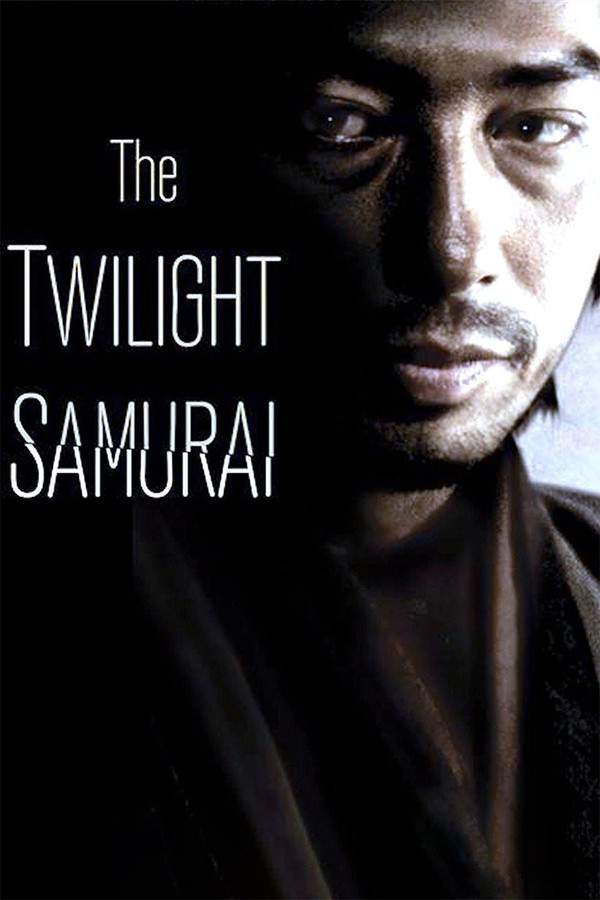
The Twilight Samurai (2004) Movie Recap & Themes
The Hidden Blade (2006) Complete Plot Breakdown
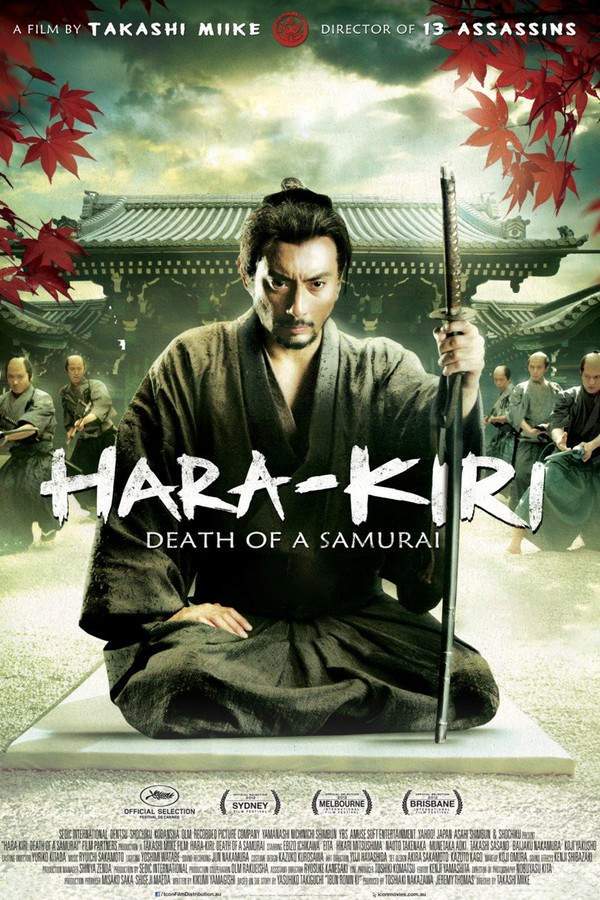
Hara-Kiri: Death of a Samurai (2012) Spoiler-Packed Plot Recap
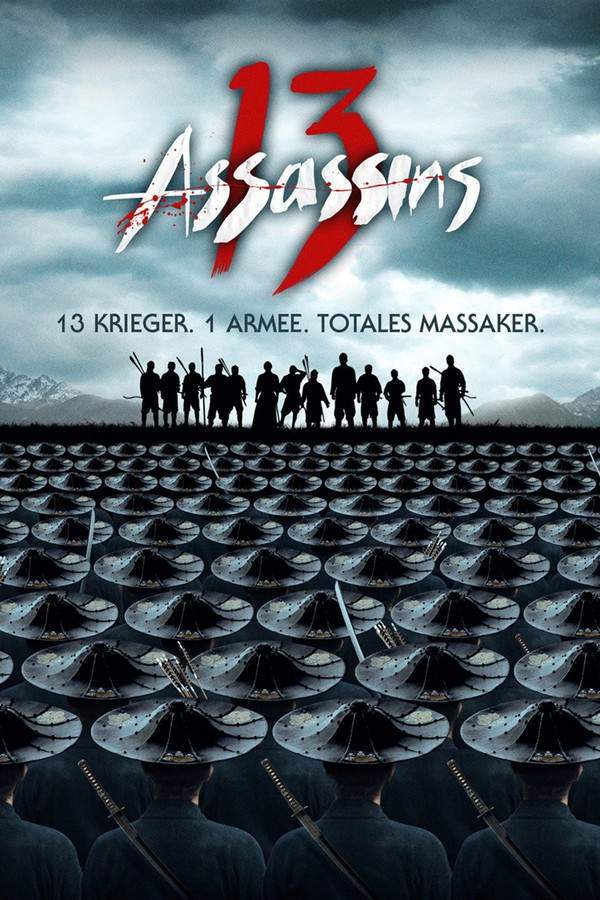
13 Assassins (2011) Story Summary & Characters
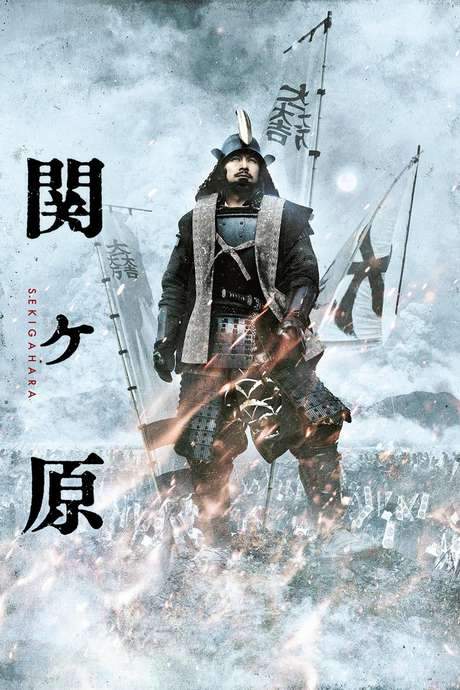
Sekigahara (2017) Full Summary & Key Details
Killing (2018) Plot Summary & Ending Explained
Samurai Resurrection (2003) Plot Summary & Ending Explained
When the Last Sword Is Drawn (2002) Full Movie Breakdown
Lost Paradise: Riding Habit Harakiri (1990) Full Summary & Key Details
Harakiri (1919) Detailed Story Recap
Bushido: The Cruel Code of the Samurai (1963) Complete Plot Breakdown
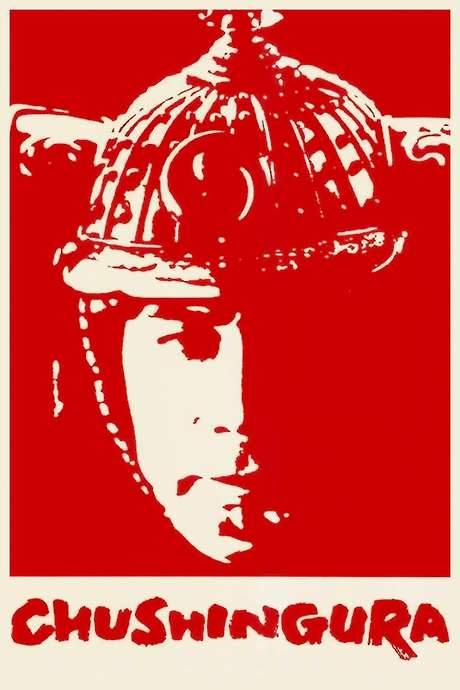
Chûshingura (1962) Full Movie Breakdown
Double Suicide of Sonezaki (1978) Story Summary & Characters
Assassination (1964) Story Summary & Characters
Samurai Assassin (1965) Story Summary & Characters