Plot Explained Spoilers guaranteed!
Plot Explained

Browse by genre

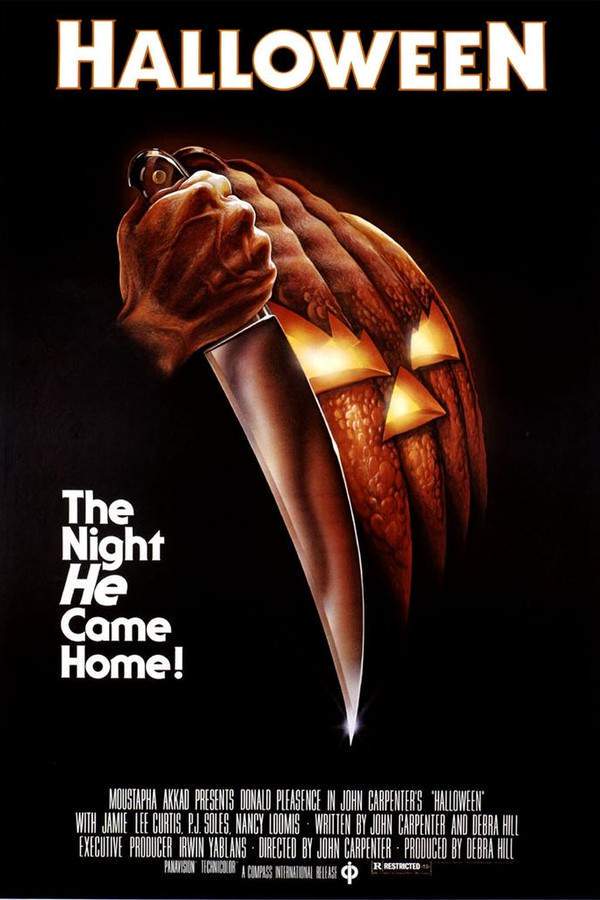
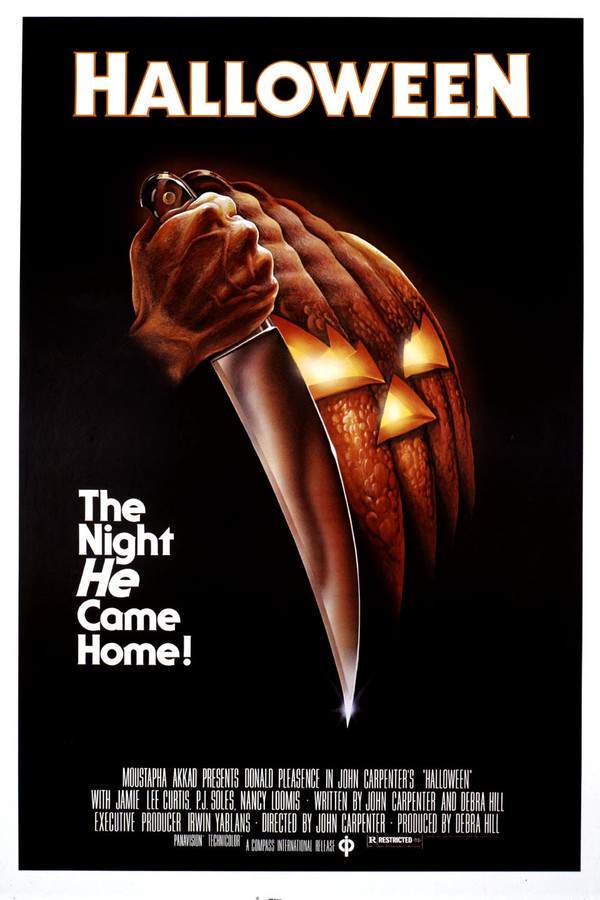
Halloween (1978) movie poster

Plot Summary

Halloween (1978) Plot Summary Explained

Release, runtime and language
1978 · 91 min · English
JustWatch #35 2
Directed by
John Carpenter
Starring
Donald Pleasence, Jamie Lee Curtis, Tony Moran
Budget
$325K

On a chilling Halloween night in 1963, a young Michael Myers commits a shocking act of violence against his sister. Fifteen years later, the now-adult Myers escapes from a mental institution and returns to his hometown of Haddonfield. Driven by a mysterious and terrifying compulsion, he stalks the town on Halloween night, unleashing a wave of fear and seeking new victims in the quiet, unsuspecting community.

On this page (6)
  1. 1 Where to watch
  2. 2 What happens: full plot
  3. 3 Plot questions answered
  4. 4 Movie threads
  5. 5 Movies like Halloween
  6. 6 Every angle

Where to watch

Where to Watch Halloween (1978)

Where can you watch Halloween? Stream, rent or buy it in the US, including on AMC+, Chilling and Cultpix: current JustWatch availability with up-to-date prices.

Streaming availability powered by JustWatch

Full plot summary · contains spoilers

What Happens in Halloween: Full Plot Summary

The whole story of Halloween (1978) explained, from the opening scene to the final frame: every key event, every twist and what it all adds up to. Read it as a quick recap before the sequel, to check a scene you missed, or to finally understand what really happened.

The film commences with a captivating opening title sequence featuring a haunting Jack-o-Lantern, accompanied by the iconic theme music of John Carpenter. As the camera draws closer, the lighting shifts to reveal a chilling figure—a man wielding a knife, hidden in the shadows.

Set on October 31, 1963, during a chilly Halloween evening in Haddonfield, Illinois, the narrative unfolds at a two-story Victorian-style home. A mysterious figure approaches the house and witnesses Judith Margaret Myers, played by Sandy Johnson, in an intimate moment with her boyfriend, David Kyle. The couple, oblivious to the lurking presence outside, is drawn deeper into their passionate embrace as they move towards the living room couch. As Judith playfully jokes about someone named Michael being around, her boyfriend dons a clown mask, prompting laughter and a suggestion to head upstairs. Following them, the ominous figure begins its ascent.

When the upstairs lights flicker out, the masked presence—revealed to be none other than Michael Myers at a young age, portrayed by Will Sandin—capitalizes on the darkness to retrieve a sharp knife from the kitchen. He stealthily navigates through the home, ultimately climbing the stairs toward Judith’s bedroom. There, she sits unaware, brushing her hair in front of the mirror. In a moment of horror, Michael confronts her and, after a brief interaction, mercilessly stabs her repeatedly, leaving her lifeless and bloodied on the floor. Michael's chilling transformation from a boy to a killer is epitomized when he is discovered by his parents, clutching the knife with a vacant stare.

Fast forward to October 30, 1978—nearly fifteen years later—where we find Dr. Sam Loomis, depicted by Donald Pleasence, alongside his nurse, Marion Chambers, traveling to a sanitarium to escort Michael Myers, now a dangerous 21-year-old, for a hearing that could determine his future. Amidst rain and ensuing chaos, Dr. Loomis becomes increasingly alarmed by Michael's alarming presence; after a brief confrontation, Michael seizes control of the vehicle, leaving Loomis and Marion in disbelief.

The next day is Halloween in Haddonfield, where we meet Laurie Strode, played by Jamie Lee Curtis, as she begins her day. At home, her father instructs her to drop off a key at the infamous Myers house. During her way to school, she crosses paths with young Tommy Doyle, who warns her about the haunted house. As Laurie nervously drops the key beneath the welcome mat of the abandoned home, the shadowy figure of Michael lurks just inside, sparking an inexorable series of eerie events.

Continuing on, the narrative conveys the tension of looming danger through dialogues and chilling glimpses of Michael as he watches Laurie and her friends. At Haddonfield High School, Laurie’s unease escalates when she spots for the first time Michael, shrouded in his iconic gray mask, standing ominously by the car parked outside. Later, as she chats with her friends, they unwittingly brush with peril, unaware that Michael is circling closer, his malicious intent undeterred.

As Halloween night approaches, the subplot intensifies: Laurie, Annie, and Lynda—characterized by vibrant teenage energy—make plans for a night of babysitting, oblivious to the darkly sinister force that has returned to reclaim its territory. Dr. Loomis, in pursuit of preventing another slaying, grows ever more concerned, insisting that Michael is back in Haddonfield.

Underneath the moonlit sky, the fateful intertwining of the teenagers' activities with Michael's sinister pursuits escalates. As Annie heads to the Wallace house, she unwittingly becomes another victim of Michael’s predatory nature, her screams echoing in the stillness of night. Unable to escape the malignancy that Michael brings, the girls find their lives hanging in the balance as Michael hunts them one by one.

After capturing and killing Annie, the focus shifts back to Laurie. In a nail-biting suspenseful sequence, the innocent babysitting turns into a night of terror as Michael strikes. She discovers the gruesome aftermath of Michael's reckless savagery and desperately struggles to survive. The crux of horror peaks when the house becomes a battleground, and Laurie finds herself fighting through fear and tragedy to protect Tommy and Lindsey.

As the night culminates into a frantic climax, Dr. Loomis finally confronts Michael. The chilling confrontation leads to a series of shots, with the underlying theme of evil represented through Michael’s relentless pursuit and Laurie’s fierce will to survive. The film concludes ambiguously, as Michael’s fate remains uncertain, leaving viewers with a haunting echo of his heavy breathing behind the mask—a symbol of terror still lurking, evoking the chilling words, > "It was the boogeyman," and the solemn reply, > "As a matter of fact, it was."

In this masterclass of horror, the legend of Michael Myers illustrates a profound interplay of life and death, innocence shattered by primal fear on a symbolic Halloween night, capturing the thrill of suspense that has enthralled audiences for generations.
Last updated: January 18, 2025 at 14:36

Was this helpful?

Plot questions answered

Halloween Plot Explained: Your Questions Answered

The questions people ask most about Halloween (1978): what happens in the confusing scenes, why the characters do what they do, the twists, hidden details and what the ending means. Each answer contains spoilers.

Q1

Why does Michael Myers kill his sister Judith?

Michael, just six years old, kills his teenage sister Judith on Halloween night 1963. The murder occurs after he spies on her and her boyfriend from outside the house. While the film never explicitly explains his motive, Dr. Loomis describes Michael as pure evil, suggesting the killing was not based on any comprehensible human reasoning but rather a primal, inexplicable murderous impulse that defines his character throughout the series.

Foreshadowing: The opening murder establishes Michael as a child who committed senseless violence without clear motivation, setting the tone for his adult killings.

  • judith myers
  • first murder
  • halloween 1963
  • myers family
Q2

Why is Michael Myers targeting Laurie Strode?

Laurie is Michael's younger sister, though she was given up for adoption and raised by a different family. Michael's return to Haddonfield brings him into proximity to Laurie, and his fixation on her appears to stem from a深层 subconscious recognition of family. This explains why he specifically stalks her throughout Halloween night while other teenagers in Haddonfield also become targets.

Foreshadowing: Judith's mention of "Michael" being around before her murder hints at the family connection that will be explored later.

  • laurie strode
  • sister
  • obsession
  • stalked
Q3

How does Michael escape from Smith's Grove sanitarium?

On October 30, 1978, Dr. Loomis and nurse Marion Chambers transport Michael Myers for a court hearing. During the transport, Michael overpowers the guards and seizes control of the vehicle. After crashing the car and escaping on foot, he steals a car and drives to Haddonfield, arriving the night before Halloween to begin his killing spree.

Foreshadowing: Dr. Loomis's growing alarm during the transport scene signals Michael's awareness and calculated nature.

  • escape
  • smith's grove
  • sanitarium
  • 1978
Q4

Why does Dr. Loomis believe Michael is evil?

Dr. Loomis has spent 15 years studying Michael at Smith's Grove and became convinced he represents pure, irreducible evil. He observes that Michael shows no emotion, no remorse, and no understandable motivation for violence. Despite Michael's silent and seemingly calm demeanor, Loomis recognizes the predatory nature beneath and spends the film trying to prevent him from killing again, though other doctors dismiss his warnings as overreaction.

  • dr. sam loomis
  • evil
  • psychologist
  • mental illness
Q5

What happens to Michael at the end of Halloween?

After Laurie stabs Michael with a knitting needle and Dr. Loomis shoots him multiple times, Michael falls dead on the porch. However, when Loomis looks outside moments later, Michael's body has mysteriously vanished from the scene. The film ends with Michael's heavy breathing heard over the Myers house, implying he survived or something supernatural kept him alive, leaving the nature of his evil ambiguous and unresolved.

Foreshadowing: Michael's earlier resilience, rising again after Laurie believed she killed him, foreshadows his seemingly unkillable nature.

  • ending
  • vanished
  • body
  • escaped
  • breathing
Q6

Why does Michael spare Tommy Doyle?

When Tommy Doyle encounters Michael outside his school, instead of killing him, Michael actually scares away Tommy's bully. This moment suggests Michael's evil operates on a different logic, perhaps targeting those who represent adulthood, sexuality, or specific thresholds of innocence, rather than pure random violence. Tommy is younger and more innocent than Michael's typical adult victims, which may explain the unusual restraint.

Foreshadowing: Tommy's role as a child who believes in the "boogeyman" connects to the film's thematic exploration of childhood fear.

  • tommy doyle
  • spared
  • bully
  • childhood
Q7

What is the significance of Michael's mask?

Michael wears a cheap, mass-produced clown mask during his killing spree, a stark contrast to the horror he embodies. The mask symbolizes his transformation from a child into an anonymous, emotionless force of evil. It also makes him more terrifying because it hides any human expression, turning him into a faceless, implacable threat. The mask has since become one of cinema's most iconic horror images.

Foreshadowing: The clown mask Judith's boyfriend wears before the first murder foreshadows Michael's choice of disguise.

  • mask
  • clown mask
  • disguise
  • face
Q8

Why does Michael return to Haddonfield?

Michael escapes from the mental institution specifically to return to Haddonfield, though the film leaves his exact motivation ambiguous. Dr. Loomis believes Michael is driven by an unstoppable compulsion to kill, a pure, purposeless evil that draws him back to where his violent legacy began. The return to his childhood home establishes a cycle of terror that defines the Halloween franchise.

Foreshadowing: Michael's escape is deliberate and calculated, not impulsive, he waits for the transport opportunity.

  • return
  • hometown
  • haddonfield
  • compulsion
Q9

How does Laurie survive Michael's attacks?

Laurie demonstrates remarkable resourcefulness and determination despite having no prior combat training. She uses everyday objects as weapons, keys, a knitting needle, a coat hanger, and remains aware of her surroundings. Her survival may also stem from Michael's particular interest in her; unlike his other victims who are quickly killed, he engages with Laurie more directly, giving her opportunities to fight back.

Foreshadowing: Laurie is established as vigilant and uneasy throughout the day, noticing Michael's presence when others don't.

  • laurie strode
  • survival
  • fight
  • babysitter
Q10

Why does Michael breathe heavily at the end of the movie?

The iconic heavy breathing sound, created by John Carpenter himself, serves as the film's final terror. It suggests Michael is still alive and lurking somewhere in Haddonfield, his evil unresolved. The breathing also represents the persistence of evil, not something that can be killed and forgotten but an ongoing threat that continues to exist in the shadows, waiting to return.

Foreshadowing: Michael's silent, methodical presence throughout the film makes his heavy breathing at the end even more unsettling.

  • breathing
  • ending
  • sound
  • john carpenter
Q11

Why doesn't anyone believe Dr. Loomis about Michael?

The other doctors at Smith's Grove dismiss Loomis's warnings about Michael because Michael has been a model patient for 15 years, completely silent, cooperative, and showing no violent behavior in the controlled environment. Without visible symptoms or recent incidents, the medical staff sees no evidence supporting Loomis's belief that Michael represents irreducible evil. This institutional skepticism forces Loomis to pursue Michael alone, leaving the town unprotected.

Foreshadowing: Michael's calm, silent demeanor during the transport contrasts sharply with Loomis's alarm, showing how Michael manipulates perceptions.

  • believed
  • doctors
  • skepticism
  • institutional

Movie threads

More Movies Like Halloween, by Mood & Story

Curated lists built around what makes Halloween tick: the same mood, the same kind of story or the same emotional payoff. Each list explains why these movies belong together.

Movies with Unstoppable Evil and Dread like Halloween

Stories where an unstoppable force of evil creates a pervasive sense of dread. If you liked Halloween for its relentless killer and palpable dread, explore movies like this. These films feature seemingly unstoppable antagonists who create an atmosphere of constant fear, leading to desperate fights for survival in a chilling narrative.

  • dread-filled
  • terrifying
  • sinister
  • oppressive
  • suspenseful
  • chilling
  • Tone: tense, dark, terrifying
  • Pacing: steady, relentless build
Why these movies?

The story pattern: Stories in this thread typically follow a straightforward, high-stakes survival plot. An unstoppable evil, often with a mysterious or unexplainable motive, pursues a group of characters. The narrative is driven by suspenseful chase sequences and a gradual escalation of terror, culminating in a final confrontation that may leave the threat unresolved.

Why they belong together: These movies are grouped together because they share a core experience of facing an overwhelming, inhuman evil. The similarity lies in the high-tension tone, the steady pacing that builds dread methodically, and the heavy emotional weight of confronting pure malevolence.

Slasher Origin Stories and Terrifying Nights like Halloween

Horror stories that chronicle the birth of a legendary killer on a single, terrifying night. Fans of Halloween's iconic slasher origins will enjoy similar movies in this thread. Discover horror films that introduce a legendary killer during a single night of terror, featuring intense chases, straightforward survival plots, and chillingly ambiguous conclusions.

  • suspenseful
  • terrifying
  • sinister
  • unsettling
  • intense
  • chase-focused
  • Tone: dark, tense, sinister
  • Pacing: steady, methodical
Why these movies?

The story pattern: The narrative pattern involves the origin story of a psychopathic killer, often triggered by a past trauma. The plot unfolds linearly over a condensed timeframe, like one night, as the killer stalks victims. The story focuses on suspense and survival, with a final girl archetype often emerging, and concludes with the suggestion that the evil remains at large.
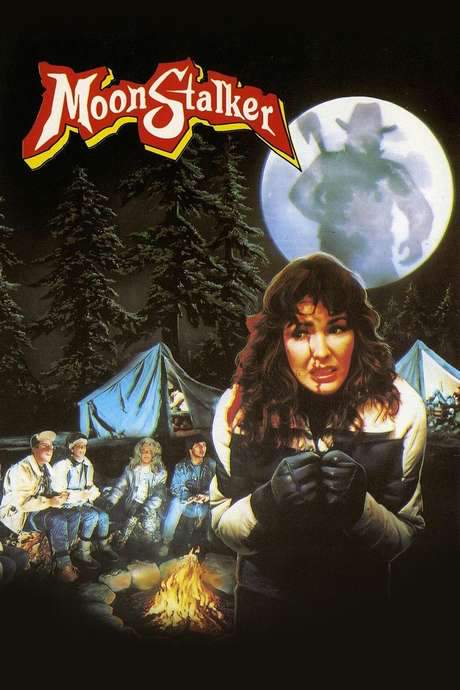
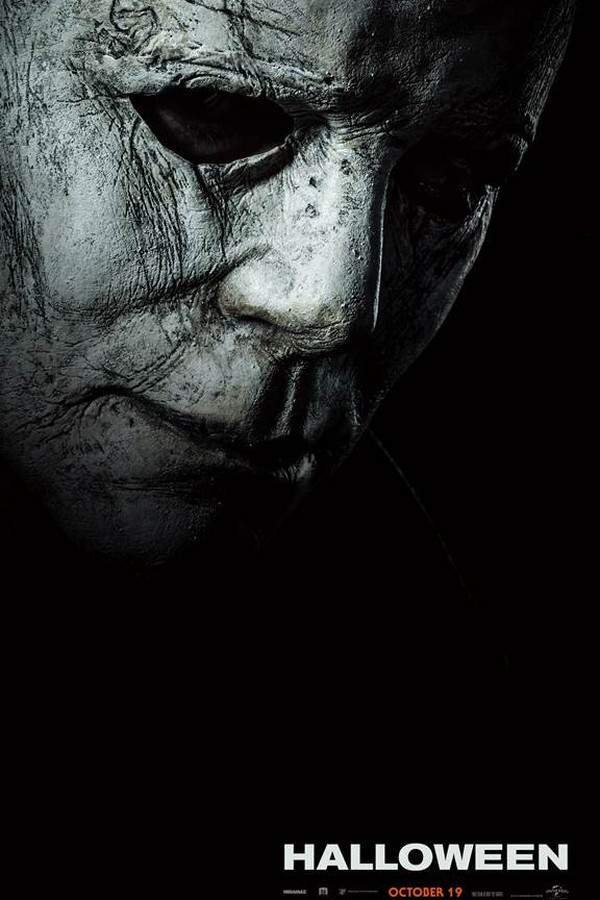
Why they belong together: These films are linked by their role in defining or epitomizing the slasher subgenre. They share a specific structure: a killer's origin, a night of terror, a focus on stalking and survival, and an ending that reinforces the cyclical nature of the threat. The tone is consistently tense and dark with minimal humor.

If you liked this

Movies Like Halloween

Similar movies to Halloween: the same genre, themes or kind of story. Each one comes with its own plot summary, timeline and ending explained.

Browse all movie summaries

Every angle

Halloween (1978) Explained: Plot, Timeline & Characters

Everything about Halloween in one place: what happens in the plot summary, the timeline in chronological order, the characters and meaning and a spoiler-free summary. What's After the Movie adds the cast, box office and post-credit scenes.

Coming soon on iOS and Android

The Plot Explained Movie Summary App

Plot summaries, endings explained and timelines on your phone. Catch up on any movie in minutes, save your favorites and never miss a twist again.

Be the first to know when we launch. Your email stays private, always.

Learn more about the app