









Plot Explained Spoilers guaranteed!
Plot Explained

Browse by genre

Hair (1979) movie poster

Timeline

Hair (1979) Timeline Explained – Every Event in Order

Release, runtime and language
1979 · 121 min · English
JustWatch #7,245 1
Directed by
Milos Forman
Starring
John Savage, Treat Williams
Budget
$11M

Set against the tumultuous backdrop of the Vietnam War era, this vibrant musical comedy explores the power and politics of personal style. It follows a group of free-spirited young people whose long hair becomes a symbol of rebellion and self-expression as they challenge societal norms and grapple with the complexities of the time. The film celebrates individuality and the struggle for freedom through music and dance.

On this page (6)
  1. 1 Where to watch
  2. 2 Events in order (15)
  3. 3 Timeline questions answered
  4. 4 Movie threads
  5. 5 Movies like Hair
  6. 6 Every angle

Where to watch

Where to Watch Hair (1979)

Where can you watch Hair? Stream, rent or buy it in the US, including on Amazon Prime Video, Kanopy and YouTube Free: current JustWatch availability with up-to-date prices.

Streaming availability powered by JustWatch

15 events in order · contains spoilers

Hair Timeline: Events in Chronological Order

Every key event of Hair (1979) in order, scene by scene, with when and where it takes place. Use it to untangle flashbacks, time jumps and parallel storylines, to refresh your memory before the sequel or to find the exact scene you are thinking of.

  1. Claude Arrives in New York City

    Claude Hooper Bukowski, a naive young man from Oklahoma, arrives in New York City. He is eager to explore the city and understand the world around him before his enlistment in the U.S. Army.

    When
    Late 1960s
    Where
    New York City
  2. First Encounter with Hippies

    Upon entering the vibrant streets of New York, Claude encounters a group of free-spirited hippies led by George Berger. They humorously attempt to beg for change from horseback riders, showcasing the energy and spontaneity of their lifestyle.

    When
    Late 1960s
    Where
    New York City
  3. Claude Rides a Horse

    Demonstrating his riding skills, Claude hops on a horse rented by the hippies. This playful act leads him to form a bond with one of the upper-class debutantes from the trio, setting the stage for deeper connections.

    When
    Late 1960s
    Where
    New York City
  4. A Night of Exploration

    Accepting an invitation from the hippies, Claude experiences a whirlwind night in New York. Through this adventure, he engages in smoking marijuana, which expands his awareness of societal issues like race and class disparities.

    When
    Late 1960s
    Where
    New York City
  5. Discovery of Sheila Franklin

    The next morning, George discovers an article that reveals the identity of the girl who charmed Claude, Sheila Franklin. Her amusement at the chaos caused by her new friends further illustrates the clash of social classes.

    When
    Late 1960s
    Where
    New York City
  6. Infiltrating the Private Party

    The hippie group manages to infiltrate a private party where Sheila is present. This adventure challenges Sheila's rigid lifestyle, complicating her views on friendship and loyalty.

    When
    Late 1960s
    Where
    Private Party, New York City
  7. Bailing George Out of Jail

    After the group’s arrest at the party, Claude, worried about his friend George’s well-being, uses his limited funds to bail him out. This action solidifies Claude's commitment to his new friendships amid the chaos.

    When
    Late 1960s
    Where
    Jail, New York City
  8. Woof's Defiant Musical Number

    In a moment of rebellion, Woof performs a spirited musical number expressing his defiance about having his hair cut. This performance aligns with the film's thematic connection to the counterculture movement of the time.

    When
    Late 1960s
    Where
    New York City
  9. The Peace Rally in Central Park

    Claude, along with the hippie group, attends a peace rally in Central Park. Here, he undergoes an intense experience with acid, which intensifies his internal conflict regarding his identity amidst societal strife.

    When
    Late 1960s
    Where
    Central Park, New York City
  10. Tensions Rise within the Group

    As the group faces various challenges, personal conflicts arise, especially after a prank embarrasses Sheila. Claude feels the weight of philosophical differences relating to the Vietnam War and personal responsibilities.

    When
    Late 1960s
    Where
    New York City
  11. Claude's Decision to Enlist

    Despite the sway of the hippie lifestyle, Claude ultimately decides to adhere to his initial plan of reporting for the draft. This decision weighs heavily on him, contemplating the cost of war and its impact on love and freedom.

    When
    Before deployment
  12. Sheila's Reconnection with the Group

    After receiving correspondence from Claude during his training, Sheila rekindles her connection with George and the rest of the group. They hatch a daring plan to visit Claude at his military base in Nevada.

    When
    During recruit training
    Where
    Nevada
  13. The Infiltration of the Army Base

    With the help of Hud's fiancée, George infiltrates the Army base dressed in uniform to meet Claude. This risky move underscores the lengths to which they will go for friendship amidst the looming reality of war.

    When
    During recruit training
    Where
    Army Base, Nevada
  14. George Steps In for Claude

    As deployment orders come in, George selflessly volunteers to take Claude's place, highlighting his loyalty and sacrifice. This pivotal moment showcases the harsh realities faced by those caught in the conflict.

    When
    Before deployment
    Where
    Army Base, Nevada
  15. The Haunting Conclusion at Arlington Cemetery

    Months later, the film concludes at Arlington Cemetery, where George's gravestone serves as a poignant tribute to his sacrifice. The haunting refrain of 'Let the Sunshine In' echoes amidst crowds protesting for peace, reinforcing the film’s powerful message.

    When
    Months later
    Where
    Arlington Cemetery

Last updated: November 16, 2024 at 14:54

Was this helpful?

Timeline questions answered

Hair Timeline Explained: Your Questions Answered

When does it happen, and why in that order? The questions people ask about the chronology of Hair (1979): time jumps, flashbacks, cause and effect between scenes and the correct order of events, each answered with spoilers.

Q1

Why does George take Claude's place in the army?

George volunteers to take Claude's place when deployment orders come in because he wants to protect his friend. George selfless ly steps in so Claude can stay behind and be with Sheila, sacrificing himself in what becomes a fatal decision. This act of loyalty underscores the film's central theme of personal sacrifice amid the chaos of the Vietnam War era.

Foreshadowing: Earlier, George struggles to persuade Sheila to retrieve money from her father, showing his tendency to take responsibility for others.

  • george berger
  • vietnam deployment
  • sacrifice
  • friendship
  • army
Q2

Why does Claude decide to enlist after living with the hippies?

Despite being immersed in the free-spirited hippie lifestyle that rejects mainstream values, Claude ultimately chooses to report for the draft because he feels torn between his Oklahoman roots, Sheila's upper-class world, and the hippies' rebellion. The philosophical differences within the group about the Vietnam War and personal responsibility weigh heavily on him, leading him to adhere to his original plan rather than resist the draft.

Foreshadowing: Claude's internal conflict intensifies during his acid trip at the peace rally, where he grapples with his identity and where he truly belongs.

  • claude bukowski
  • draft
  • vietnam war
  • hippies
  • identity crisis
Q3

What does the title Hair mean in the movie?

The title Hair symbolizes rebellion and self-expression against societal norms. Long hair became a defining symbol of the counterculture movement in the 1960s, representing freedom from traditional expectations. Woof's defiant musical number about refusing to cut his hair directly ties the title to the film's theme of individuality versus conformity during the Vietnam War era.

Foreshadowing: The hippies' initial scene of begging for change from horseback riders establishes their rejection of mainstream society from the start.

  • hair
  • counterculture
  • rebellion
  • 1960s
  • symbolism
Q4

What happens to Claude at the end of Hair?

The film never explicitly shows Claude's fate, but the ending implies he survived the war. We see George's gravestone at Arlington Cemetery, suggesting George died in Vietnam after taking Claude's place. Claude appears to be alive, attending the protest with Sheila and the surviving group members, where the song 'Let the Sunshine In' plays as crowds march for peace.

Foreshadowing: George's decision to volunteer for Claude's deployment creates the tragic consequence that defines the ending.

  • claude bukowski
  • ending
  • arlington cemetery
  • george berger
  • survival
Q5

Why does Sheila reconnect with the hippies after being embarrassed by the prank?

Sheila reconnects with the group after receiving correspondence from Claude during his army training in Nevada. The prank that embarrassed her earlier created tension, but her feelings for Claude and her growing connection to the group's values override that grievance. She helps orchestrate the daring plan to visit Claude at the military base, showing her transformation from an upper-class debutante to someone committed to the people she cares about.

Foreshadowing: Sheila's initial amusement at the chaos caused by her new friends in New York hints at her attraction to their lifestyle.

  • sheila franklin
  • prank
  • transformation
  • love
  • hippies
Q6

Why does George infiltrate the army base dressed in uniform?

George risks infiltration by dressing in an army uniform to visit Claude at his military base in Nevada because he desperately wants to see his friend before deployment. The group, with help from Hud's fiancée, hatches a plan to get past security. This reckless act demonstrates George's deep loyalty to Claude, ultimately leading to his fateful decision to take Claude's place when the deployment order arrives.

Foreshadowing: Claude previously used his limited funds to bail George out of jail, showing their mutual commitment to each other.

  • george berger
  • army base
  • infiltration
  • nevada
  • deployment
Q7

What causes Claude's identity crisis at the peace rally?

During the Central Park peace rally, Claude takes acid and experiences a profound internal conflict. The psychedelic experience forces him to confront the competing parts of his identity, his Oklahoma upbringing, Sheila's wealthy world, and the hippies' free-spirited lifestyle. This existential crisis represents the broader confusion faced by young men during the Vietnam era, torn between different beliefs about war, freedom, and responsibility.

Foreshadowing: Claude's earlier marijuana experience opens his eyes to race and class issues, laying groundwork for his deeper awakening.

  • claude bukowski
  • acid trip
  • peace rally
  • identity crisis
  • central park
Q8

Why do the hippies crash Sheila's private party?

The hippies infiltrate Sheila's private party to challenge the rigid social boundaries she represents. Led by George, they crash the event as an act of rebellion against class distinctions and to draw Sheila into their world. This invasion shakes the foundation of Sheila's privileged lifestyle and marks a turning point in her relationship with the group, eventually leading to her transformation.

Foreshadowing: George discovers Sheila's identity through a newspaper article after Claude meets her while riding horse.

  • sheila franklin
  • private party
  • class
  • hippies
  • rebellion
Q9

What does the Arlington Cemetery ending signify?

The Arlington Cemetery ending serves as a somber tribute to the cost of war. George's gravestone symbolizes the ultimate sacrifice made by young men during Vietnam, while the protesters marching for peace outside the cemetery frame his death within a larger movement. The haunting 'Let the Sunshine In' song connects personal tragedy to collective hope for change, reinforcing the film's message about the price of freedom.

  • arlington cemetery
  • ending
  • protest
  • peace
  • sacrifice
Q10

Does Claude die in Hair?

No, Claude does not appear to die in Hair. The film ends with Claude alive at a peace protest in Washington, having survived the war after George took his place during deployment. George's gravestone at Arlington Cemetery confirms George's death, not Claude's. The final scene shows Claude with Sheila and the remaining group members, suggesting he returned from Vietnam safely.

Foreshadowing: George's selfless decision to take Claude's place directly saves Claude's life.

  • claude bukowski
  • death
  • survival
  • vietnam
  • ending

Movie threads

More Movies Like Hair, by Mood & Story

Curated lists built around what makes Hair tick: the same mood, the same kind of story or the same emotional payoff. Each list explains why these movies belong together.

Rebellious bittersweet musicals like Hair

Vibrant musical celebrations that confront harsh realities. Explore movies like Hair that blend vibrant musical numbers with serious dramatic stakes. If you enjoyed the mix of free-spirited energy and the sobering realities of war in Hair, you'll find similar stories here where music fuels rebellion but can't entirely escape tragedy.

  • rebellious
  • bittersweet
  • triumphant
  • melancholic
  • free-spirited
  • nostalgic
  • Tone: bittersweet, rebellious
  • Pacing: variable, energetic
Why these movies?

The story pattern: These narratives often follow a group or individual using artistic expression as a form of protest or identity against a powerful system. The story arcs from initial liberation and joy to a confrontation with a harsh world, resulting in a meaningful sacrifice or a sobering realization that tempers the initial euphoria.

Why they belong together: They are grouped by their unique tonal blend: the high-energy, hopeful vibe of musical performance is directly contrasted with weighty, often tragic, thematic material. This creates a specific emotional journey that is both uplifting and deeply moving.


Counterculture stories set in turbulent times like Hair

Stories of outsiders finding community amid societal upheaval. Find movies similar to Hair that explore hippie lifestyles, anti-establishment ideals, and group dynamics during eras of great change. If you liked the portrayal of friendship, identity, and sacrifice within the 1960s counterculture in Hair, this collection features other powerful films about communities forged in protest.

  • nostalgic
  • turbulent
  • rebellious
  • free-spirited
  • melancholic
  • idealism
  • Tone: nostalgic, turbulent, melancholic
  • Pacing: variable, reflective
Why these movies?

The story pattern: The narrative pattern focuses on an ensemble cast representing a subculture, often welcoming an outsider who learns their values. The central conflict arises from the clash between their idealized world and the pressures of the mainstream society they reject, testing their bonds and beliefs, sometimes to the point of sacrifice.

Why they belong together: They share a specific world and mood: the immersive experience of an alternative community, the themes of identity and rebellion, and the emotional weight of navigating a tumultuous historical period. The pacing often varies between idyllic community moments and the frantic pressure of external forces.

If you liked this

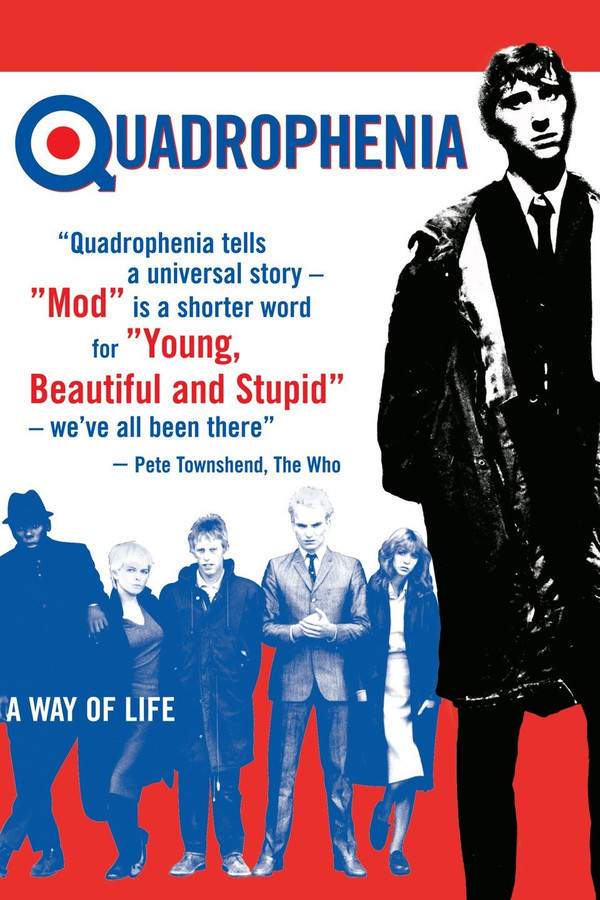
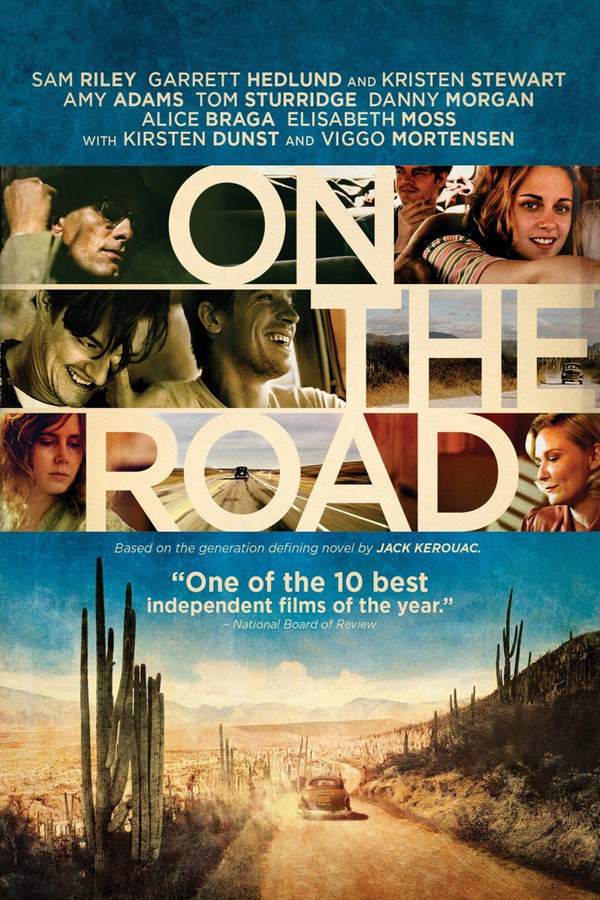
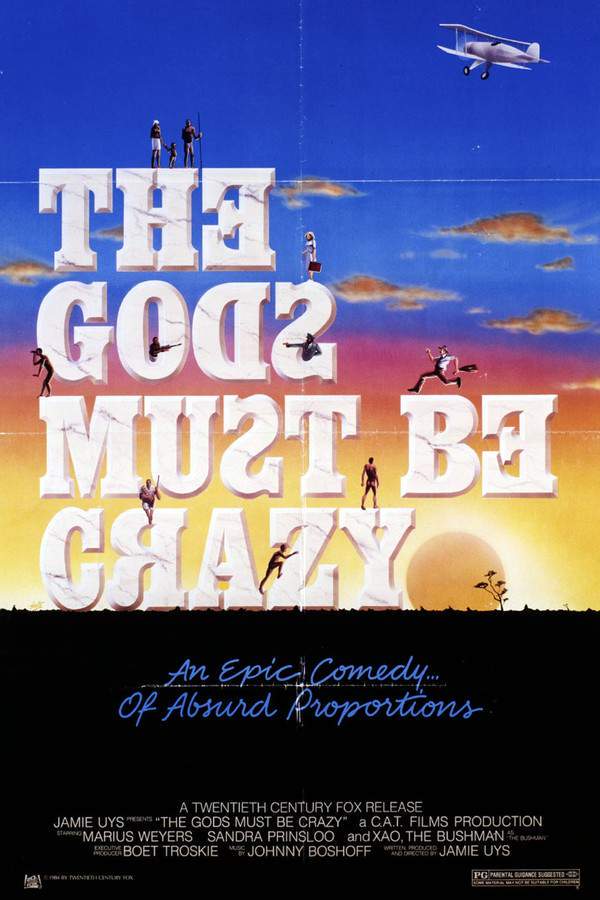
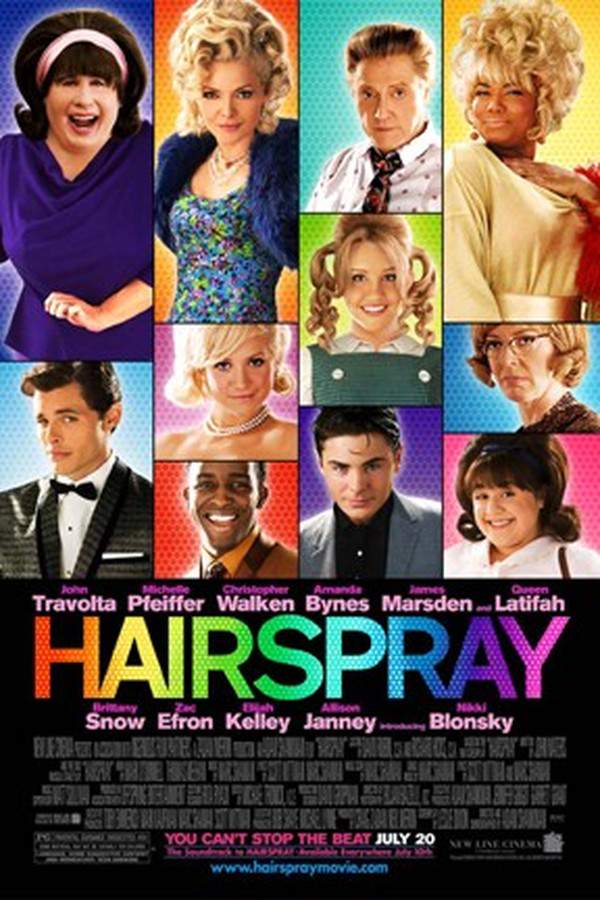
Movies Like Hair

Similar movies to Hair: the same genre, themes or kind of story. Each one comes with its own plot summary, timeline and ending explained.

Browse all movie summaries

Every angle

Hair (1979) Explained: Plot, Timeline & Characters

Everything about Hair in one place: what happens in the plot summary, the timeline in chronological order, the characters and meaning and a spoiler-free summary. What's After the Movie adds the cast, box office and post-credit scenes.

Coming soon on iOS and Android

The Plot Explained Movie Summary App

Plot summaries, endings explained and timelines on your phone. Catch up on any movie in minutes, save your favorites and never miss a twist again.

Be the first to know when we launch. Your email stays private, always.

Learn more about the app