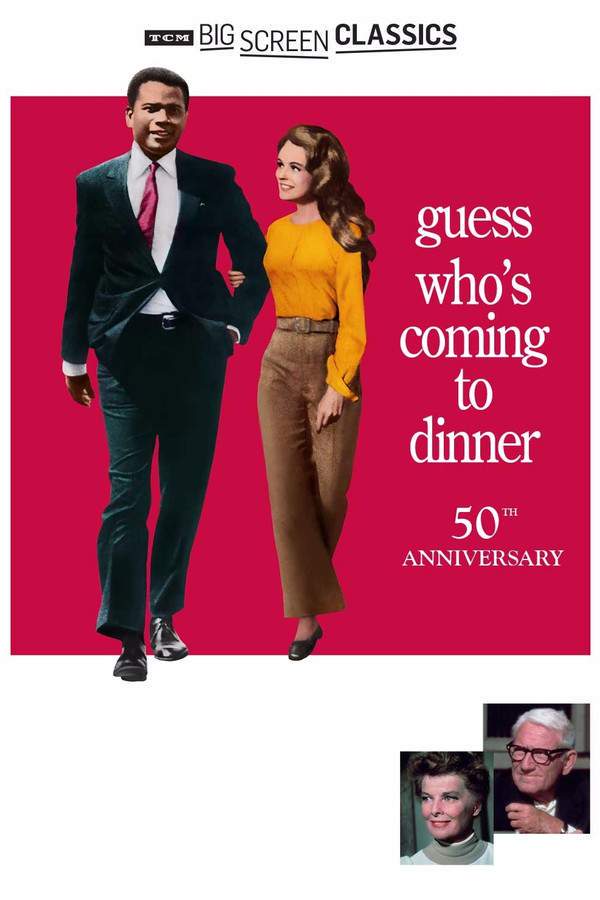
A young couple with progressive ideals find their beliefs challenged when their daughter introduces them to her boyfriend, a successful and charming Black man. The ensuing visit sparks thoughtful conversations and humorous moments as the family grapples with racial prejudice and societal expectations, ultimately exploring themes of love, acceptance, and the evolving landscape of American identity.
Find where to stream, rent, or buy Guess Who's Coming to Dinner (1967) in the US with current JustWatch availability, up-to-date pricing, and platform listings for subscription, rental, and digital purchase options.
Warning: spoilers below!
Haven’t seen Guess Who's Coming to Dinner yet? This summary contains major spoilers. Bookmark the page, watch the movie, and come back for the full breakdown. If you're ready, scroll on and relive the story!
Trace every key event in Guess Who's Coming to Dinner (1967) with our detailed, chronological timeline. Perfect for unpacking nonlinear stories, spotting hidden connections, and understanding how each scene builds toward the film’s climax. Whether you're revisiting or decoding for the first time, this timeline gives you the full picture.
Last updated: November 19, 2024 at 18:22
Find frequently asked questions about the Guess Who's Coming to Dinner (1967) timeline, including chronological order, nonlinear jumps, cause-and-effect links, and scene sequence clarifications. This timeline FAQ helps explain when key events happen, how moments connect, and why the story unfolds in that specific order.
John approached Joanna's parents privately because he knew their approval would be crucial to the marriage succeeding. He told them he would withdraw his proposal unless they gave their blessing, believing that starting a marriage without family support would create unnecessary hardship. This decision put pressure on the Draytons to confront their feelings about the interracial relationship.
John did not tell his parents about Joanna's racial background because he wanted them to meet her as a person first, rather than reacting to her ethnicity before getting to know her. He hoped that once they saw who Joanna truly was, they would accept her based on her character rather than reject her based on preconceived notions.
Matt Drayton, as a traditional newspaper editor, held conservative views about race and society. He struggled with the idea of his daughter marrying outside her race, not because he disliked John personally, but because he feared the social challenges they would face and worried about her wellbeing in a society that still largely opposed interracial marriage.
Matt's perspective shifted after witnessing the genuine love between Joanna and John, seeing Christina's acceptance, and hearing the Monsignor's support. He eventually realized he had no right to dictate his daughter's life choices and that his objections were rooted in his own biases rather than valid concerns.
John's parents, the Prentices, were shocked because John had not told them Joanna was white. They arrived expecting to meet a Black woman and were caught off guard when they discovered Joanna's ethnicity. This revelation forced them to confront their own preconceptions about their son's choice.
Monsignor Mike Ryan served as a moral compass and ally for the couple. As Matt's friend, he arrived at the dinner to offer unconditional support for Joanna and John's relationship. His presence and heartfelt plea to John's parents helped diffuse tension and encouraged both families to look beyond racial differences.
Yes, by the end of the evening, both families gave their blessing to Joanna and John's marriage. After heartfelt conversations and reflections, Matt overcame his initial objections, John's parents set aside their preconceptions, and both families united in support of the couple at the dinner table.
Despite the families' approval, the couple would face significant societal challenges in 1967 America. Interracial marriage was still illegal in many states and faced widespread social disapproval. Additionally, John was planning to move to Geneva for a World Health Organization assignment, which would require Joanna to leave her family and support network to build a life in a foreign country.
The rapid 10-day engagement highlighted the whirlwind nature of Joanna and John's romance and underscored the impulsive decision that startled both families. This short timeframe made it easier for family members to question whether the couple truly understood the depth of their commitment and the gravity of their situation.
Christina, as a progressive art gallery owner, was initially surprised by the news but showed gradual acceptance of the interracial relationship. She was more open-minded than Matt and ultimately stood firm in her support of Joanna's choice, even offering strength to John's parents when they struggled with the revelation.
Discover curated groups of movies connected by mood, themes, and story style. Browse collections built around emotion, atmosphere, and narrative focus to easily find films that match what you feel like watching right now.
Stories where a single visit forces a family to face its deepest beliefs.If you enjoyed the compressed, high-stakes family dynamics of Guess Who's Coming to Dinner, you'll appreciate these movies. This collection features films where a single event or visit over a short timeframe forces characters to confront social issues, personal biases, and generational conflicts, leading to a hopeful resolution.
The narrative pattern centers on a contained timeline, usually 24 hours or less, where a family unit is disrupted by a new person or a secret. The story progresses through a series of conversations and confrontations, peeling back layers of polite facades to reveal core conflicts. The tension builds steadily towards a climax where characters must choose between tradition and change, often resulting in a cathartic, unifying resolution.
These films are grouped together because they share a specific structural and tonal approach: a steady pace driven by character interaction, a medium intensity derived from ideological conflict, and a hopeful tone that suggests progress is possible. They provide a thoughtful, intimate viewing experience centered on societal and familial evolution.
Character-driven stories that tackle prejudice with humor and heart.For viewers who liked the blend of social commentary and warmth in Guess Who's Coming to Dinner, this thread gathers movies that confront serious issues like prejudice with a hopeful, heartwarming approach. These similar dramas use relatable characters and believable conflict to explore difficult topics while ultimately leaving the audience feeling optimistic.
The emotional journey typically begins with a challenge to the status quo, often through an interracial or intercultural relationship. The central conflict is ideological, pitting progressive ideals against ingrained prejudice. The narrative uses witty dialogue and relatable family dynamics to explore the issue, building towards a climax where characters choose acceptance over fear, resulting in a happy or uplifting ending that affirms the possibility of change.
This thread connects movies that share a specific tonal balance: they have the emotional weight of a drama but are leavened with enough humor and warmth to feel hopeful. The pacing is steady and character-driven, and the endings provide a sense of moral victory. They are united by their belief in positive social change through personal connection.
Don't stop at just watching - explore Guess Who's Coming to Dinner in full detail. From the complete plot summary and scene-by-scene timeline to character breakdowns, thematic analysis, and a deep dive into the ending - every page helps you truly understand what Guess Who's Coming to Dinner is all about. Plus, discover what's next after the movie.
Read a complete plot summary of Guess Who's Coming to Dinner, including all key story points, character arcs, and turning points. This in-depth recap is ideal for understanding the narrative structure or reviewing what happened in the movie.
Discover the characters, locations, and core themes that shape Guess Who's Coming to Dinner. Get insights into symbolic elements, setting significance, and deeper narrative meaning - ideal for thematic analysis and movie breakdowns.
Discover movies like Guess Who's Coming to Dinner that share similar genres, themes, and storytelling elements. Whether you’re drawn to the atmosphere, character arcs, or plot structure, these curated recommendations will help you explore more films you’ll love.
Guess Who's Coming to Dinner (1967) Plot Summary & Movie Recap
Guess Who's Coming to Dinner (1967) Scene-by-Scene Movie Timeline
Guess Who's Coming to Dinner (1967) Spoiler-Free Summary & Key Flow
Movies Like Guess Who's Coming to Dinner – Similar Titles You’ll Enjoy
Dinner in America (2022) Story Summary & Characters
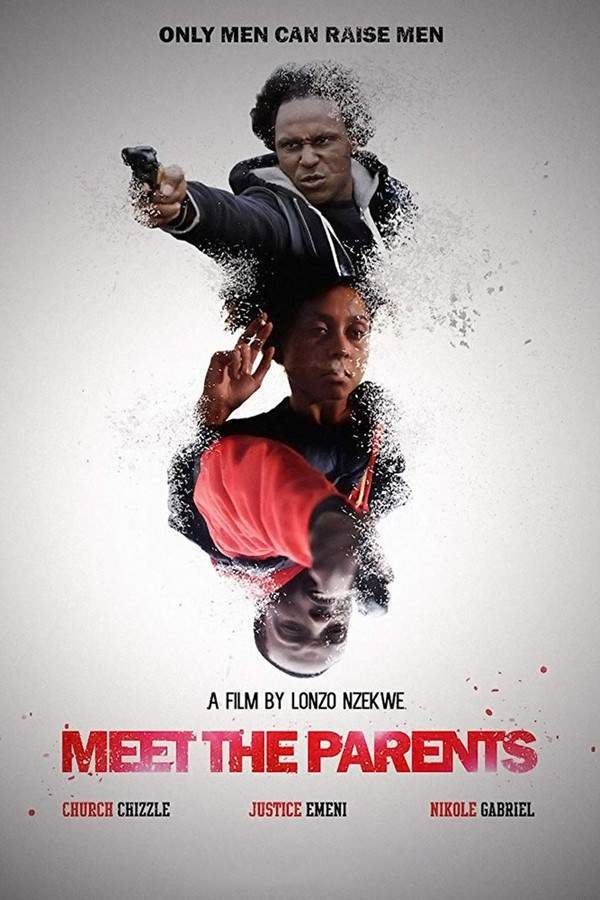
Meet the Parents (2000) Detailed Story Recap
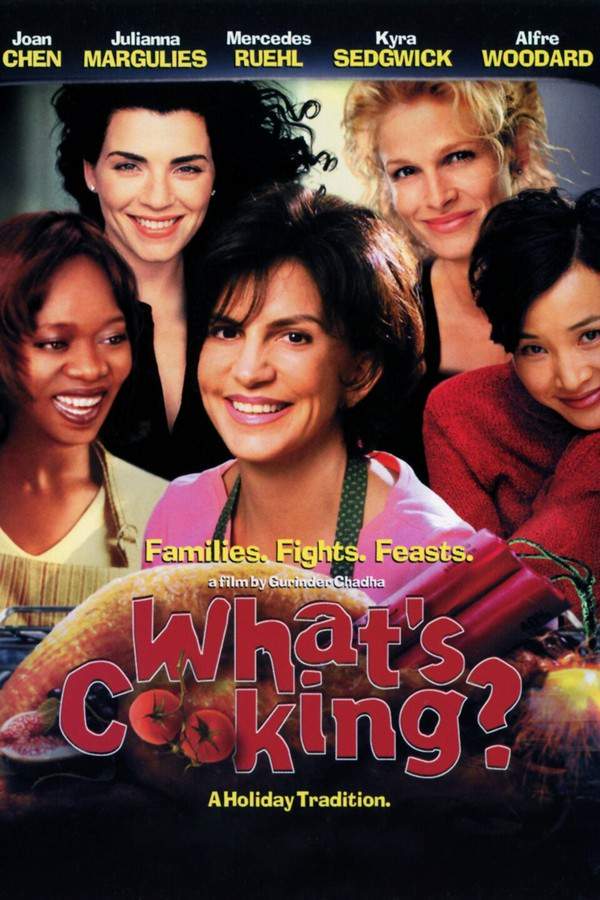
What's Cooking? (2000) Full Summary & Key Details
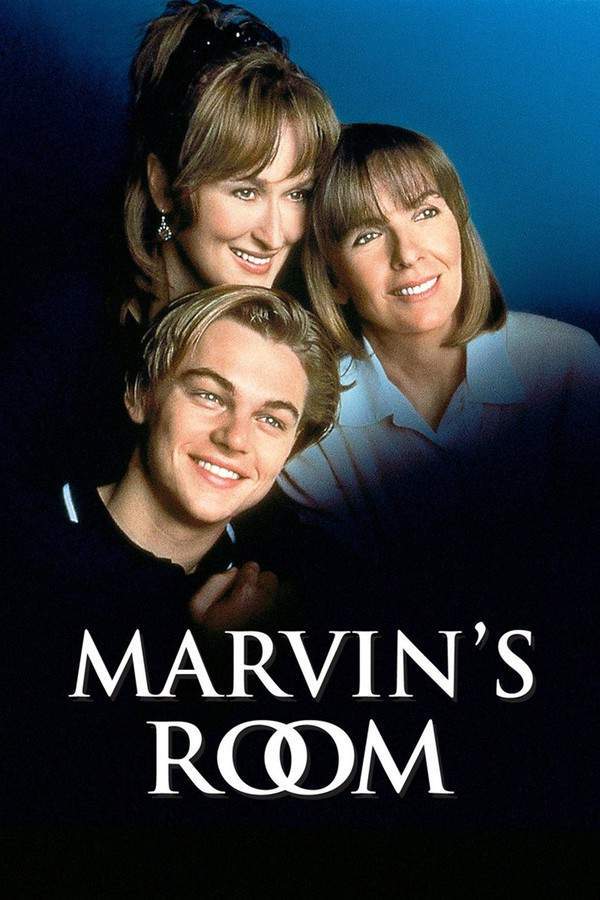
Marvin's Room (1996) Spoiler-Packed Plot Recap
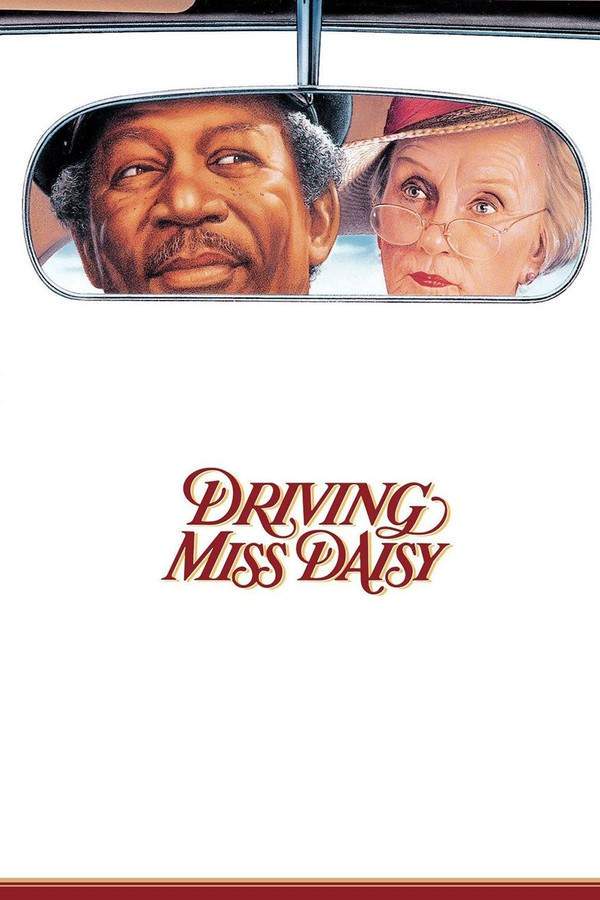
Driving Miss Daisy (1989) Full Movie Breakdown
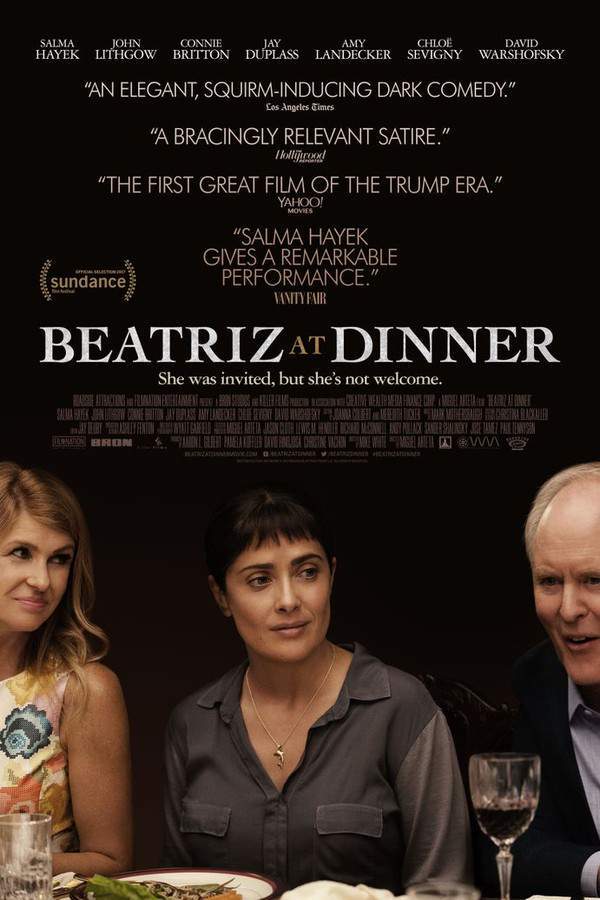
Beatriz at Dinner (2017) Full Summary & Key Details
Who's That Girl (1987) Complete Plot Breakdown
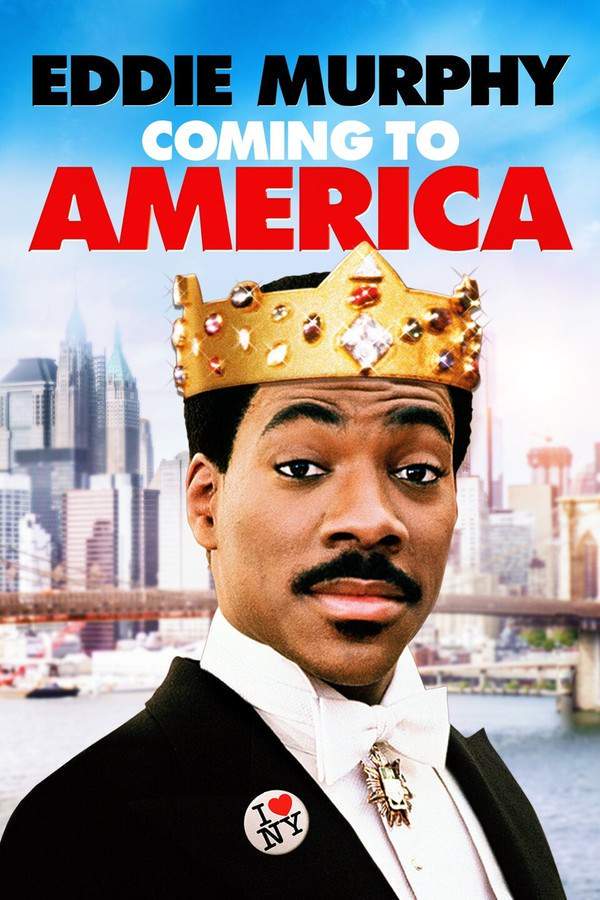
Coming to America (1988) Story Summary & Characters
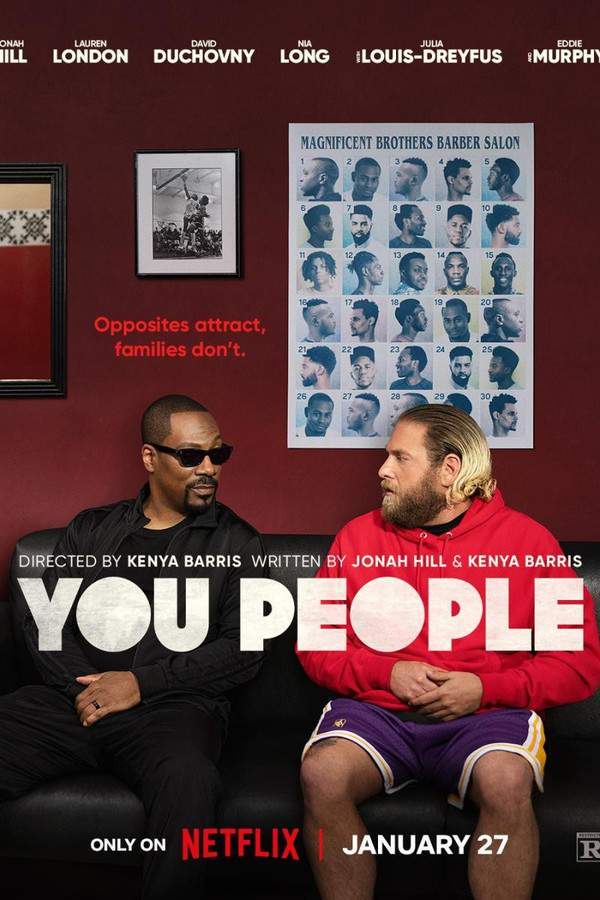
You People (2023) Ending Explained & Film Insights
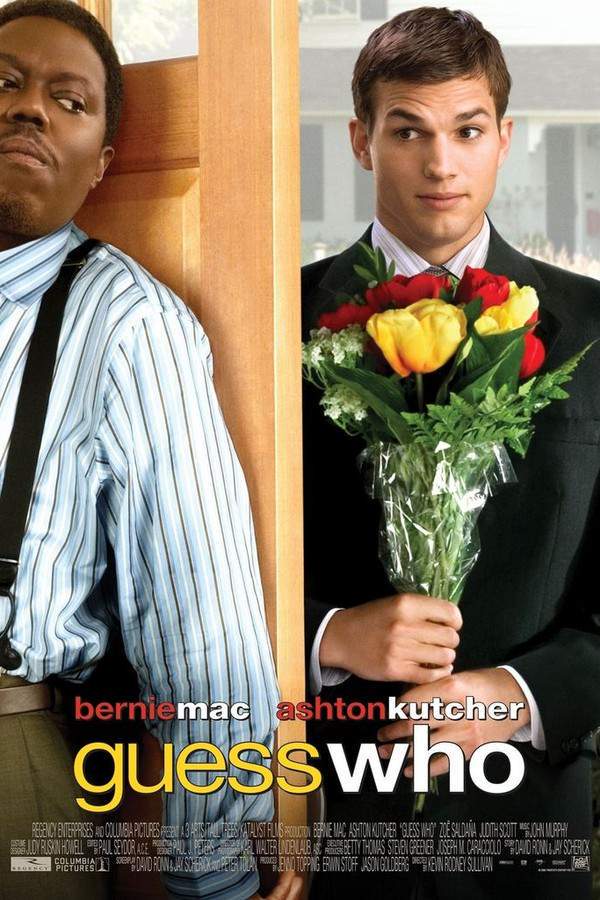
Guess Who (2005) Plot Summary & Ending Explained
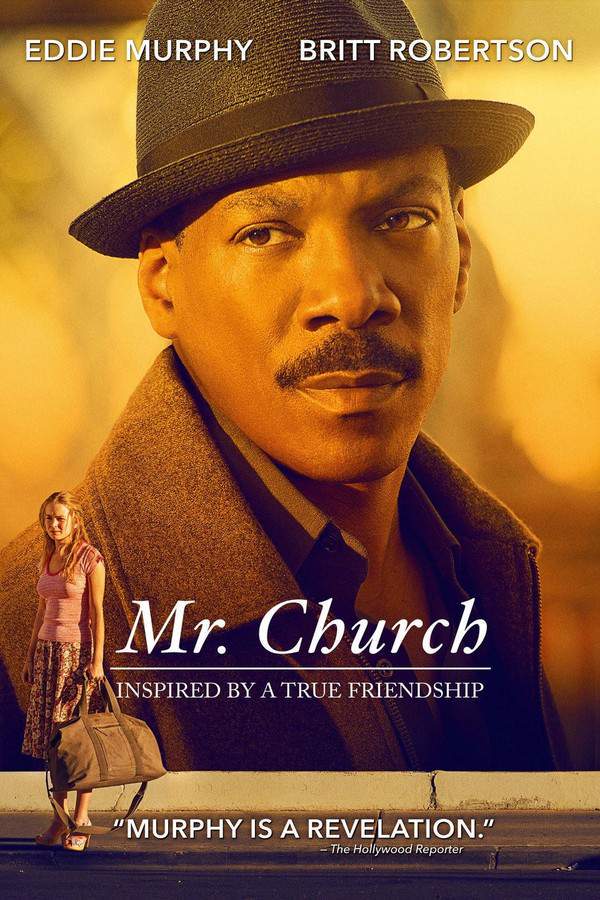
Mr. Church (2016) Film Overview & Timeline
The Man Who Came to Dinner (1942) Full Summary & Key Details
A Wedding (1978) Plot Summary & Ending Explained
Son of the Gods (1930) Film Overview & Timeline
I Passed for White (1960) Spoiler-Packed Plot Recap