Year: 1986
Runtime: 74 mins
Language: Russian
Director: Roman Balayan
Set during the Pushkin Poetry Festival in Boldino, the off‑beat drama follows Liosha and his wife Tania as they stroll through the forest when a mysterious stranger, Klimov, appears and quizzes them on an obscure Pushkin point. His intrusion into their private world sparks jealousy and tension. The story unfolds amid festival events, dramatizations of Pushkin’s works, and heated debates among attendees about the poet’s meaning.
Warning: spoilers below!
Haven’t seen Guard Me, My Talisman yet? This summary contains major spoilers. Bookmark the page, watch the movie, and come back for the full breakdown. If you're ready, scroll on and relive the story!
Explore the full timeline and setting of Guard Me, My Talisman (1986). Follow every major event in chronological order and see how the environment shapes the story, characters, and dramatic tension.
Last updated: February 18, 2026 at 23:09
Meet the key characters of Guard Me, My Talisman (1986), with detailed profiles, motivations, and roles in the plot. Understand their emotional journeys and what they reveal about the film’s deeper themes.
Last updated: February 18, 2026 at 23:09
Explore the central themes of Guard Me, My Talisman (1986), from psychological, social, and emotional dimensions to philosophical messages. Understand what the film is really saying beneath the surface.
Last updated: February 18, 2026 at 23:09
Browse frequently asked questions about Guard Me, My Talisman (1986) focused on characters, relationships, themes, symbols, setting, and story context. This movie info FAQ gives spoiler-aware explanations for character arcs, world details, and thematic interpretation so readers can better understand what the film is really about.
The movie takes place in Boldino, Russia, a small town that hosts the annual Pushkin Poetry Festival. The story centers on a museum director's home where artists, scholars, and a journalist's crew gather for the celebrations, creating an intimate cultural backdrop.
The film is set in the late 20th century, during a period of renewed interest in Russian literary heritage. It blends modern life with the traditional cultural event of the Pushkin festival, highlighting the contrast between contemporary society and classical literature.
The film explores three interconnected themes: jealousy, which strains the protagonist's marriage; literary legacy, examining how Pushkin's reputation is debated and contested; and morality, probing the gap between public personas and private failings.
Alexei Petrovich Dmitriev is a meticulous journalist attending the Pushkin festival in Boldino. He interviews guests to capture the event's atmosphere but becomes increasingly unsettled by a provocative stranger named Klimov, whose intensity reveals Alexei's own insecurities and threatens his marriage.
Klimov is a young, intense follower who appears at the Pushkin festival and challenges the festivalgoers with provocative questions about Pushkin's character. His intrusion into Alexei and Tania's private world serves as a catalyst, exposing hidden tensions and forcing characters to confront their beliefs and vulnerabilities.
Tatyana is Alexei's wife who accompanies him to the Pushkin festival in Boldino. She witnesses Klimov's growing influence on the group and experiences the resulting emotional strain in her marriage. Though her relationship with Alexei is tested by jealousy, she remains a loving partner who ultimately supports him through his crisis.
The Pushkin Poetry Festival serves as both the setting and thematic engine of the film. The festival brings together intellectuals who debate Pushkin's legacy and moral character, turning literature into a living force that tests personal beliefs. These debates parallel Alexei's internal conflict between his intellectual ideals and his emotional vulnerabilities.
The film depicts jealousy as a destructive force that exposes underlying insecurities. Alexei's growing jealousy of Klimov strains his marriage and challenges his self-control, escalates from philosophical debates to the threat of violence, and serves as a mirror for his emotional vulnerability.
Dmitry is the museum director and host of the Pushkin festival gatherings in Boldino. He provides the space where discussions and debates take place, playing a stabilizing role in the group. Later, he helps uncover the truth about the confrontation between Alexei and Klimov, urging confession and clarity.
The film examines how reputations are protected and how private misgivings intersect with public expectations. Characters argue about Pushkin being a flawless moral hero, treating myths about literary legends as fragile constructions. The ambiguity around guilt and responsibility forces characters to reconcile their ideals with their personal weaknesses.
The film has a consistently tense and contemplative atmosphere, driven by Klimov's intrusive presence and the underlying marital friction he exposes. While the pacing is steady, moving through festival events and conversations, the emotional intensity builds gradually toward a bitter ending where the protagonist confronts his vulnerabilities.
The intellectual debates about Pushkin's character and moral ideals mirror Alexei's personal struggle. Just as festivalgoers debate whether Pushkin was a flawless hero, Alexei must confront the gap between his own intellectual ideals and his emotional weaknesses. The literary discussions become a vehicle for examining his jealousy, insecurity, and failing marriage.
Discover curated groups of movies connected by mood, themes, and story style. Browse collections built around emotion, atmosphere, and narrative focus to easily find films that match what you feel like watching right now.
Stories where intellectual debates expose deep-seated personal anxieties.If you liked the intellectual tension and marital strife in Guard Me, My Talisman, you'll appreciate these movies. They feature similar stories of psychological unraveling, where academic or artistic debates serve as a catalyst for exposing deep-seated personal insecurities and straining relationships.
These narratives typically begin with a protagonist who is secure in their intellectual or artistic identity. The intrusion of a rival or a challenging idea creates a cognitive dissonance that dismantles their confidence. The plot unfolds through conversations and debates, paralleling an internal psychological conflict that culminates in a confrontation with their own shortcomings.
These films are grouped together because they share a focus on intellectual conflict as the primary driver of psychological tension. They feature steady pacing, medium emotional weight, and a tone that is contemplative yet uneasy, creating a specific vibe of cerebral drama where characters are deconstructed by their own minds.
Stories where external pressures force hidden relationship tensions to the surface.For viewers who enjoyed the marital tension and intrusive stranger dynamic in Guard Me, My Talisman, this list features similar films. These stories explore how relationships fracture under pressure in isolated or festival settings, using a steady pace to build palpable unease and emotional drama.
The narrative pattern involves a couple in a seemingly stable but fragile relationship. They enter a confined space—a festival, a vacation, a secluded house—where an external person or event acts as a catalyst. This intrusion amplifies existing insecurities and jealousy, leading to a series of tense confrontations that reveal the true state of the relationship, often without a neat resolution.
These movies are united by their use of a constrained 'world' to heighten interpersonal drama. They share a steady, deliberate pacing that builds emotional weight through accumulated tension rather than plot twists. The tone is consistently uneasy and melancholic, focusing on the psychological realism of relationships under stress.
Don't stop at just watching - explore Guard Me, My Talisman in full detail. From the complete plot summary and scene-by-scene timeline to character breakdowns, thematic analysis, and a deep dive into the ending - every page helps you truly understand what Guard Me, My Talisman is all about. Plus, discover what's next after the movie.
Read a complete plot summary of Guard Me, My Talisman, including all key story points, character arcs, and turning points. This in-depth recap is ideal for understanding the narrative structure or reviewing what happened in the movie.
Track the full timeline of Guard Me, My Talisman with every major event arranged chronologically. Perfect for decoding non-linear storytelling, flashbacks, or parallel narratives with a clear scene-by-scene breakdown.
Discover movies like Guard Me, My Talisman that share similar genres, themes, and storytelling elements. Whether you’re drawn to the atmosphere, character arcs, or plot structure, these curated recommendations will help you explore more films you’ll love.
Guard Me, My Talisman (1986) Plot Summary & Movie Recap
Guard Me, My Talisman (1986) Scene-by-Scene Movie Timeline
Guard Me, My Talisman (1986) Spoiler-Free Summary & Key Flow
Movies Like Guard Me, My Talisman – Similar Titles You’ll Enjoy
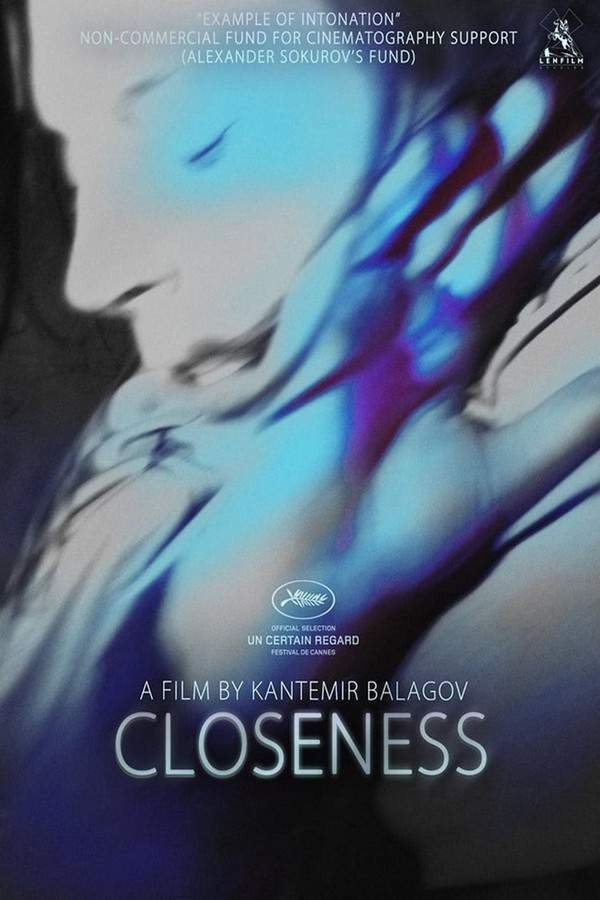
Tesnota (Closeness) (2020) Spoiler-Packed Plot Recap
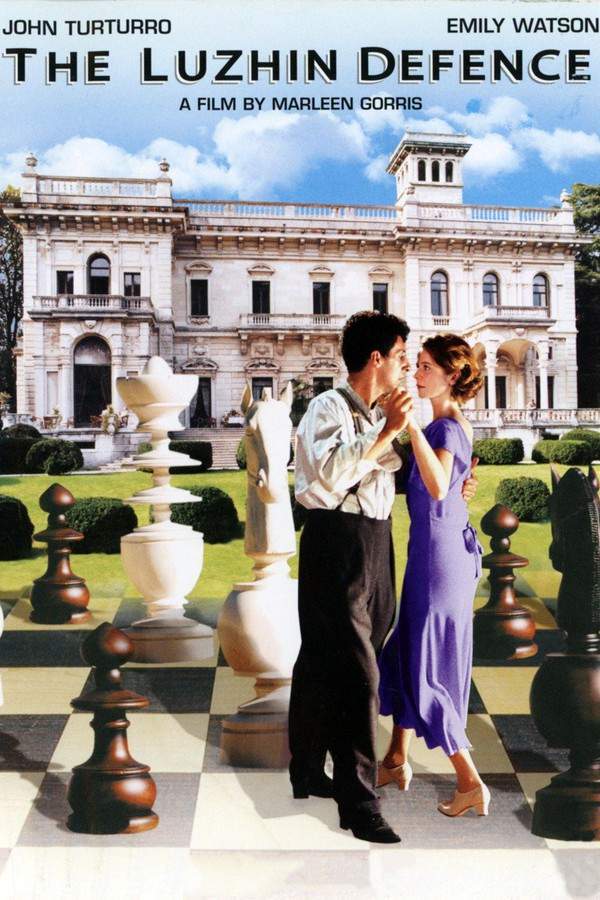
The Luzhin Defence (2001) Detailed Story Recap
The Man Who Surprised Everyone (2018) Story Summary & Characters
The Oath (1992) Story Summary & Characters
My Tender and Affectionate Beast (1978) Film Overview & Timeline
The Poet and the Tsar (1927) Spoiler-Packed Plot Recap
Tale of the Siberian Land (1947) Full Summary & Key Details
Masquerade (1941) Complete Plot Breakdown
Protect You + Me (2008) Film Overview & Timeline
Guard! Alert! (1937) Story Summary & Characters
The Master and Margarita (1972) Ending Explained & Film Insights
Guard No. 47 (2008) Plot Summary & Ending Explained
Brief Encounters (1967) Movie Recap & Themes
Stone (1992) Plot Summary & Ending Explained
A Gentleman in Moscow (1000) Complete Plot Breakdown