Year: 1986
Runtime: 74 mins
Language: Russian
Director: Roman Balayan
Set during the Pushkin Poetry Festival in Boldino, the off‑beat drama follows Liosha and his wife Tania as they stroll through the forest when a mysterious stranger, Klimov, appears and quizzes them on an obscure Pushkin point. His intrusion into their private world sparks jealousy and tension. The story unfolds amid festival events, dramatizations of Pushkin’s works, and heated debates among attendees about the poet’s meaning.
Warning: spoilers below!
Haven’t seen Guard Me, My Talisman yet? This summary contains major spoilers. Bookmark the page, watch the movie, and come back for the full breakdown. If you're ready, scroll on and relive the story!
Read the complete plot breakdown of Guard Me, My Talisman (1986), including all key story events, major twists, and the ending explained in detail. Discover what really happened, and what it all means.
During Boldino’s annual Pushkin celebrations, Alexei Dmitriev and his wife Tatyana arrive to chronicle the event for their audiences. They stay with their friend Dmitry, the museum director, and as the couple moves through the festival, Alexei conducts interviews with a broad array of guests—artists, scholars, and curious attendees—trying to capture not just the facts of the celebrations but the mood, the conversations, and the unspoken tensions that the gathering stirs. The atmosphere is a blend of reverence for Pushkin’s legacy and the lively, imperfect humanity of those who admire him, a texture that the film threads through every scene.
Into this already intimate setting steps a young man named Anatoly Klimov, whose quiet presence soon becomes hard to miss. He trails the journalist, entering conversations about Pushkin’s famous duel and the moral fiber of the poet. He invites Alexei into provocative discussions, suggesting that Pushkin might have found himself in D’Anthes’ position if circumstances had nudged him differently. At first, Alexei resists such reinterpretations, firmly defending Pushkin’s character and ethical stance, and he continues sharpening the debate with Klimov, treating the young man’s questions as a kind of intellectual sparring that makes him reexamine his own assumptions. This exchange, however, carries a growing edge; Klimov’s intensity begins to unsettle the room and, more unsettlingly, Alexei himself.
The evening unfolds with a gathering of friends where Klimov’s fervor remains central, and the dynamics around the table hint at something more volatile simmering beneath the surface. Afterward, Alexei leaves the city for a time, only to return to find [Tatyana] alone with Klimov. The sight triggers his jealousy, and in a moment of raw emotion, he challenges the younger man to a duel. Klimov treats the provocation with a certain lightness, almost as if testing the limits of the moment, yet he agrees nonetheless, leaving the two men bound by a dangerous, undefined tension. The confrontation is never settled in the physical sense on screen, but its emotional aftermath cascades through the household with unsettling clarity.
The following day, Alexei returns home disheveled and broken, confessing to Tatyana that he has killed Klimov. Her response—a mix of shock, fear, and a deep, personal love—drives the scene into a quiet catastrophe of its own making. Dmitry, ever the observer and friend, urges a confession to the authorities, hoping for clarity and justice. Yet when he examines the aftermath, he discovers all the bullets are intact, revealing that no shot was fired at all. The truth unsettles everyone: the danger lies not in a wound but in the possibility of violence that lingers as a force of doubt, choice, and fear.
In the tension between perception and reality, the film turns on Alexei’s internal reckoning. Dmitry reports back to Tatyana with a restrained gravity, and her tearful embrace of Alexei signals a complicated loyalty that defies easy moral judgment. The episode leaves Alexei Dmitriev to contend with the vulnerabilities Klimov pressed into the open, forcing him to question his own values, his sense of identity, and the limits of courage in the face of desire, jealousy, and the specter of violence. The narrative treats this turn not as a tidy conclusion but as a troubling possibility—an invitation to examine how a man’s public stance can fracture under the pressure of intimate provocations and unspoken insecurities.
The tale is enriched by quiet performances, including cameos from Mikhail Kozakov and Bulat Okudzhava, whose presence punctuates the festival’s atmosphere and underscores the film’s meditation on fame, art, and memory. Through a restrained, observant lens, the story stays faithful to the core events while expanding the emotional landscape: a journalist’s deliberate pursuit of truth, a wife’s unwavering devotion, a young man’s unsettling insistence, and a husband’s fraught confrontation with his own moral boundaries. The result is a measured, reflective examination of how a single catalytic moment can illuminate a lifetime of self-doubt and the ongoing struggle to align one’s inner convictions with outward actions, especially when the past—Pushkin’s heroic legacy—casts a long shadow over every decision.
Last updated: February 18, 2026 at 23:44
Explore frequently asked questions about Guard Me, My Talisman (1986) with spoiler-rich answers covering the full plot summary, major story beats, character motivations, hidden details, and ending meaning. This movie summary FAQ helps explain confusing scenes, plot twists, and narrative decisions in clear, searchable detail.
Alexei challenges Klimov to a duel after returning to Boldino and finding his wife Tatyana alone with the young man. The sight triggers a surge of jealousy and insecurity, combined with the intellectual tension that has been building throughout Klimov's provocations about Pushkin's character and the poet's duel. Alexei's challenge represents a desperate attempt to assert his masculinity and restore his sense of honor after days of feeling intellectually and emotionally undermined by Klimov's presence.
Earlier scenes show Klimov's intensity unsettling gatherings and Alexei growing increasingly agitated by the young man's questions about whether Pushkin might have been capable of the same actions as D'Anthes.
No, Alexei did not kill Klimov. When Alexei returns home disheveled and claims to have killed him, Dmitry investigates and discovers that all the bullets remain intact in the gun, proving no shot was ever fired. Alexei's claim appears to be either a psychological breakdown or a manifestation of his internal turmoil, not an actual act of violence.
The film builds tension around the symbolic threat of violence through the Pushkin duel parallel, but never shows Alexei leaving to physically confront Klimov.
Dmitry searches for evidence after Alexei's claim and discovers that all the bullets in the gun are still intact, meaning no shot was fired. This revelation exposes Alexei's confession as either a delusion or an exaggeration, shifting the crisis from a potential murder mystery to a psychological study of a man fracturing under jealousy and intellectual insecurity.
The earlier duel challenge is treated with dramatic weight, but the film maintains ambiguity about whether Alexei ever truly intended to go through with it.
Klimov's provocations about Pushkin serve as a psychological assault on Alexei's intellectual and moral foundations. By suggesting that Pushkin might have found himself in D'Anthes' position, that the poet could have been the one who killed rather than the victim, Klimov challenges the heroic ideal that Alexei holds sacred. This forces Alexei to defend not just Pushkin's legacy but his own belief system, creating the mounting tension that eventually triggers his breakdown.
From his first appearance, Klimov's quiet intensity and probing questions about the duel establish him as a destabilizing force in the festival's intellectual atmosphere.
Tatyana embraces Alexei in relief and reaffirmation despite his alarming confession because their bond transcends his momentary weakness. The film portrays her love as complex, she recognizes his vulnerabilities yet chooses loyalty over judgment. Her response suggests that she understands the psychological pressure Klimov created and sees Alexei's breakdown as a symptom of that external provocation rather than a fundamental flaw in his character.
Throughout the festival, Tatyana observes Alexei's growing agitation with quiet support, never abandoning him even as tension escalates.
Alexei's jealousy is triggered when he returns to Boldino and finds Tatyana alone with Klimov. However, this specific moment is merely the final catalyst, the jealousy has been building throughout the festival as Alexei watches Klimov's intensity, listens to his provocative ideas, and feels his intellectual dominance challenged. The sight of his wife with this unsettling young man shatters his remaining composure, unleashing the raw emotional response he had been suppressing.
Klimov's pattern of following and inserting himself into conversations, combined with his intense gaze, creates an atmosphere of intrusion that primes Alexei for jealousy.
The Pushkin duel discussions function as a parallel to Alexei's own psychological journey. Just as Pushkin faced a fatal confrontation over honor and reputation, Alexei is driven to his own duel by jealousy and wounded pride. Klimov's suggestion that Pushkin might have been the aggressor rather than the victim forces Alexei to confront uncomfortable questions about heroism, morality, and the gap between public persona and private weakness, themes that directly mirror his own internal conflict.
The festival itself celebrates Pushkin's legacy, embedding the duel theme into every intellectual exchange from the beginning.
Klimov appears to want to destabilize Alexei's certainties through intellectual provocation. His questions about Pushkin's moral fiber and whether circumstances could have made the poet a killer are not merely academic, they are designed to unsettle the journalist's comfortable worldview. Klimov's exact motivation remains ambiguous, but his behavior suggests a desire to test boundaries, expose hidden insecurities, or perhaps prove that even revered figures like Pushkin are subject to human weakness.
Klimov's quiet smile and persistent followi ng suggest deliberate intention behind his disruptions rather than casual curiosity.
The film deliberately leaves the physical duel offscreen, focusing instead on its psychological aftermath. Alexei returns claiming to have killed Klimov, but the intact bullets reveal no shot was fired. This ambiguity suggests the duel may have been averted entirely, or that Alexei's claim is a manifestation of his internal conflict rather than a factual account. The absence of the actual confrontation emphasizes the story's focus on internal reckoning rather than external violence.
Klimov's earlier light, almost mocking response to the challenge contrasts with the serious psychological weight Alexei carries afterward.
Alexei's confession that he killed Klimov reveals a man whose intellectual defenses have completely collapsed. The combination of Klimov's persistent provocations, the jealousy triggered by finding Tatyana with him, and the accumulated stress of the festival creates a psychological breaking point. His confession, whether imagined or exaggerated, demonstrates how deeply the younger man's questions about honor, morality, and identity have eroded Alexei's sense of self, leaving him vulnerable and broken.
The escalating tension throughout the festival, particularly during the gathering where Klimov's intensity unsettles everyone, plants the seeds for this psychological fracture.
The Pushkin festival setting provides the intellectual backdrop that drives the entire conflict. The celebration of Pushkin's legacy, particularly discussions about his fatal duel, creates the thematic framework through which Alexei's own crisis unfolds. The festival's atmosphere of literary reverence and debate gives Klimov the platform to challenge Alexei's beliefs, while the festive yet intellectually charged environment contrasts with the dark psychological drama unfolding beneath the surface.
From the first interview scenes, the festival's focus on Pushkin's legacy establishes the literary and moral themes that will be tested.
Discover curated groups of movies connected by mood, themes, and story style. Browse collections built around emotion, atmosphere, and narrative focus to easily find films that match what you feel like watching right now.
Stories where intellectual debates expose deep-seated personal anxieties.If you liked the intellectual tension and marital strife in Guard Me, My Talisman, you'll appreciate these movies. They feature similar stories of psychological unraveling, where academic or artistic debates serve as a catalyst for exposing deep-seated personal insecurities and straining relationships.
These narratives typically begin with a protagonist who is secure in their intellectual or artistic identity. The intrusion of a rival or a challenging idea creates a cognitive dissonance that dismantles their confidence. The plot unfolds through conversations and debates, paralleling an internal psychological conflict that culminates in a confrontation with their own shortcomings.
These films are grouped together because they share a focus on intellectual conflict as the primary driver of psychological tension. They feature steady pacing, medium emotional weight, and a tone that is contemplative yet uneasy, creating a specific vibe of cerebral drama where characters are deconstructed by their own minds.
Stories where external pressures force hidden relationship tensions to the surface.For viewers who enjoyed the marital tension and intrusive stranger dynamic in Guard Me, My Talisman, this list features similar films. These stories explore how relationships fracture under pressure in isolated or festival settings, using a steady pace to build palpable unease and emotional drama.
The narrative pattern involves a couple in a seemingly stable but fragile relationship. They enter a confined space—a festival, a vacation, a secluded house—where an external person or event acts as a catalyst. This intrusion amplifies existing insecurities and jealousy, leading to a series of tense confrontations that reveal the true state of the relationship, often without a neat resolution.
These movies are united by their use of a constrained 'world' to heighten interpersonal drama. They share a steady, deliberate pacing that builds emotional weight through accumulated tension rather than plot twists. The tone is consistently uneasy and melancholic, focusing on the psychological realism of relationships under stress.
Don't stop at just watching - explore Guard Me, My Talisman in full detail. From the complete plot summary and scene-by-scene timeline to character breakdowns, thematic analysis, and a deep dive into the ending - every page helps you truly understand what Guard Me, My Talisman is all about. Plus, discover what's next after the movie.
Track the full timeline of Guard Me, My Talisman with every major event arranged chronologically. Perfect for decoding non-linear storytelling, flashbacks, or parallel narratives with a clear scene-by-scene breakdown.
Discover the characters, locations, and core themes that shape Guard Me, My Talisman. Get insights into symbolic elements, setting significance, and deeper narrative meaning - ideal for thematic analysis and movie breakdowns.
Discover movies like Guard Me, My Talisman that share similar genres, themes, and storytelling elements. Whether you’re drawn to the atmosphere, character arcs, or plot structure, these curated recommendations will help you explore more films you’ll love.
Guard Me, My Talisman (1986) Scene-by-Scene Movie Timeline
Guard Me, My Talisman (1986) Movie Characters, Themes & Settings
Guard Me, My Talisman (1986) Spoiler-Free Summary & Key Flow
Movies Like Guard Me, My Talisman – Similar Titles You’ll Enjoy
Tesnota (Closeness) (2020) Ending Explained & Film Insights
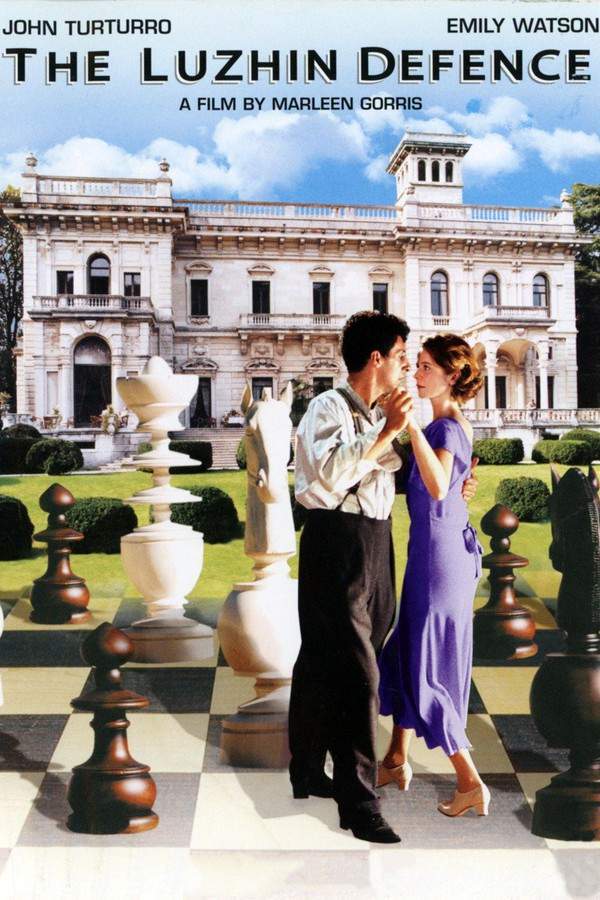
The Luzhin Defence (2001) Ending Explained & Film Insights
The Man Who Surprised Everyone (2018) Full Movie Breakdown
The Oath (1992) Detailed Story Recap
My Tender and Affectionate Beast (1978) Story Summary & Characters
The Poet and the Tsar (1927) Detailed Story Recap
Tale of the Siberian Land (1947) Film Overview & Timeline
Masquerade (1941) Story Summary & Characters
Protect You + Me (2008) Spoiler-Packed Plot Recap
Guard! Alert! (1937) Detailed Story Recap
The Master and Margarita (1972) Full Movie Breakdown
Guard No. 47 (2008) Film Overview & Timeline
Brief Encounters (1967) Spoiler-Packed Plot Recap
Stone (1992) Film Overview & Timeline
A Gentleman in Moscow (1000) Ending Explained & Film Insights