Year: 1981
Runtime: 88 mins
Language: English
Director: Alexander Stitt
Grendel’ll get you! An animated retelling of the ancient Beowulf legend narrated by Grendel, the feared monster himself. Targeted toward adult viewers, the film adds several interesting twists to the traditional tale and is adapted from the novel by American critic and academic John Gardner.
Warning: spoilers below!
Haven’t seen Grendel Grendel Grendel yet? This summary contains major spoilers. Bookmark the page, watch the movie, and come back for the full breakdown. If you're ready, scroll on and relive the story!
Trace every key event in Grendel Grendel Grendel (1981) with our detailed, chronological timeline. Perfect for unpacking nonlinear stories, spotting hidden connections, and understanding how each scene builds toward the film’s climax. Whether you're revisiting or decoding for the first time, this timeline gives you the full picture.
Last updated: February 18, 2026 at 23:45
Find frequently asked questions about the Grendel Grendel Grendel (1981) timeline, including chronological order, nonlinear jumps, cause-and-effect links, and scene sequence clarifications. This timeline FAQ helps explain when key events happen, how moments connect, and why the story unfolds in that specific order.
Grendel attacks the Danes because the dragon reveals to him that his sole purpose is to terrify humanity. This fear, according to the dragon, serves a paradoxical social function, it sparks human imagination and actually helps knit society together through shared myth and memory. Grendel accepts this grim purpose, transforming his alienation into a deliberate campaign of terror against Hrothgar's kingdom.
Earlier, Grendel observes the Danes from childhood but cannot understand their language, which sows the seeds of his alienation and eventual aggression.
Grendel develops empathy for Wealhtheow because he recognizes her misery and vulnerability within the royal court. He observes that she bears heavy burdens as queen, and he also learns that Unferth harbors secret affection for her. This rare moment of human connection complicates Grendel's otherwise brutal mission and adds a nuanced emotional layer to his perspective.
Grendel's earlier reflections on the kinship he feels with the Danes despite the language barrier foreshadow his ability to connect with individual humans.
Grendel deliberately refrains from killing Hrothgar throughout his campaign of terror, choosing instead to treat the king as an amusing, obstructive figure. This restraint seems to stem from a complex mix of maintaining a certain theatrical distance from his role and perhaps a lingering recognition of Hrothgar's humanity. However, this restraint eventually gives way when Grendel resolves to kill the king and abduct Wealhtheow.
The dragon's instruction emphasizes terrorizing humanity rather than destroying it, which may explain Grendel's self-imposed limitation.
The dragon tells Grendel that his chief function is to terrify humanity. This is presented as a clarion call: by striking fear into people, Grendel stirs human imagination and, paradoxically, helps unify society through shared myth and memory. The dragon frames this bleak purpose as Grendel's existential calling, a role he did not seek but cannot ignore.
Grendel's earlier alienation and confusion about his place in the world sets up the dragon's revelatory explanation.
Beowulf kills Unferth on King Hrothgar's orders. The killing reflects the escalating paranoia within Hrothgar's court and serves the king's political interests, removing a potential rival to his authority and clearing the way for a direct confrontation with Grendel. Unferth, who harbored delusions of grandeur and secret affection for Wealhtheow, is eliminated not by the monster but by the hero ostensibly sent to protect the kingdom.
Unferth's flawed bravado and passive resistance to Grendel had previously amused the monster, making his fate ironic.
The Shaper is the royal historian who reshapes history to serve Hrothgar's image. His retellings cast the king's brutal acts as glorious victories, creating a storytelling bias that gnaws at Grendel. The Shaper's distortion of history feeds Grendel's sense of alienation and anger toward a society that celebrates triumphs he cannot fully grasp or share.
Grendel's observation of the Shaper's distortions early in the film establishes the theme of narrative control and historical revision.
Grendel resolves to kill Hrothgar and drag Wealhtheow back to his lair driven by a cruel mix of necessity and curiosity. This plan represents a dramatic escalation in his hostility toward the Danes, a final assertion of power where he intends to claim the queen's life and presence as a trophy of his rebellion against human society.
His earlier empathy for Wealhtheow makes this violent plan more complex, suggesting a twisted form of connection.
Grendel dies after Beowulf ambushes him in the mead hall and tears off his arm in a brutal physical confrontation. Wounded and defeated, Grendel retreats to the bleak margins of the world where he dies from his injuries outside Heorot. His death is marked by contemplation of the randomness of his fate, the fragile line between existence and oblivion.
The dragon's earlier instruction that Grendel's role is to terrify humanity makes his ultimate defeat ironic, as he becomes the instrument of his own downfall.
The film is narrated by Grendel himself, giving voice to the monster typically portrayed as a mere villain in the Beowulf legend. This narrative choice allows the audience to experience the story through Grendel's eyes, his alienation, his philosophical struggles, and his existential search for purpose. It transforms the traditional heroic tale into a melancholic meditation on isolation, language barriers, and the paradox of how terror can both separate and unify society.
The opening scene establishes Grendel as the narrator immediately, setting up the film's inversion of traditional heroic narrative.
The film presents the paradox that terror can both separate and unify a society. According to the dragon's philosophy, Grendel's fearsome presence actually helps humanity by sparking their imagination and binding them together through shared myth and memory. The Danes respond to Grendel's terror with communal feasts, heroic narratives, and collective identity, a counterintuitive argument that fear serves as a social adhesive.
Grendel's early observation of how the Danes gather and celebrate after his attacks foreshadows this theme.
In this retelling, Unferth is killed by Beowulf on Hrothgar's orders rather than by Grendel. Unferth is portrayed as a figure who harbors delusions of grandeur and remains quietly loyal to the king, while also harboring secret affection for Wealhtheow. His death removes a potential rival to the king's authority and clears the way for Beowulf's confrontation with Grendel.
Unferth's earlier bravado and his refusal to directly challenge Grendel set up his tragic fate at the hands of someone he should have allied with.
Discover curated groups of movies connected by mood, themes, and story style. Browse collections built around emotion, atmosphere, and narrative focus to easily find films that match what you feel like watching right now.
Classic stories reimagined through the misunderstood eyes of the antagonist.Explore movies like Grendel Grendel Grendel that subvert classic myths and legends by telling the story from the monster's perspective. These films are philosophical, melancholic animated stories.
The narrative follows a traditionally villainous character as they grapple with their identity and purpose, often questioning the simplistic morality of the original tale. The story unfolds as a reflective journey, leading to an inevitable, tragic confrontation with the 'hero'.
Movies are grouped here because they share the core concept of flipping a well-known narrative to explore themes of alienation and existential dread from the perspective of the 'other,' blending tragedy with philosophical depth.
Darkly humorous stories that use wit to explore profound, melancholic themes.Find movies similar to Grendel Grendel Grendel that blend witty, Monty Python-esque satire with a deeply melancholic and tragic storyline. These are adult animated films with philosophical themes.
The narrative mixes sharp, observational humor with a steady, reflective pace, leading characters to confront the absurdity or cruelty of their world. The journey is intellectually stimulating but emotionally somber, concluding with a sense of loss or poignant realization.
They are grouped by their unique tonal blend of satire and melancholy, creating a thoughtful yet entertaining experience where humor highlights deeper existential questions and tragic fates.
Don't stop at just watching - explore Grendel Grendel Grendel in full detail. From the complete plot summary and scene-by-scene timeline to character breakdowns, thematic analysis, and a deep dive into the ending - every page helps you truly understand what Grendel Grendel Grendel is all about. Plus, discover what's next after the movie.
Read a complete plot summary of Grendel Grendel Grendel, including all key story points, character arcs, and turning points. This in-depth recap is ideal for understanding the narrative structure or reviewing what happened in the movie.
Discover the characters, locations, and core themes that shape Grendel Grendel Grendel. Get insights into symbolic elements, setting significance, and deeper narrative meaning - ideal for thematic analysis and movie breakdowns.
Discover movies like Grendel Grendel Grendel that share similar genres, themes, and storytelling elements. Whether you’re drawn to the atmosphere, character arcs, or plot structure, these curated recommendations will help you explore more films you’ll love.
Grendel Grendel Grendel (1981) Plot Summary & Movie Recap
Grendel Grendel Grendel (1981) Scene-by-Scene Movie Timeline
Grendel Grendel Grendel (1981) Spoiler-Free Summary & Key Flow
Movies Like Grendel Grendel Grendel – Similar Titles You’ll Enjoy
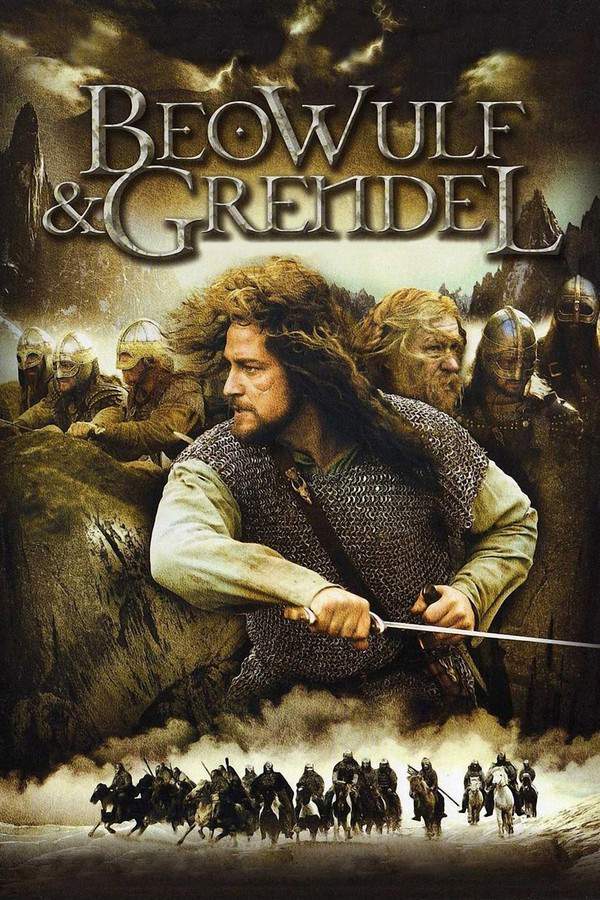
Beowulf & Grendel (2006) Full Movie Breakdown
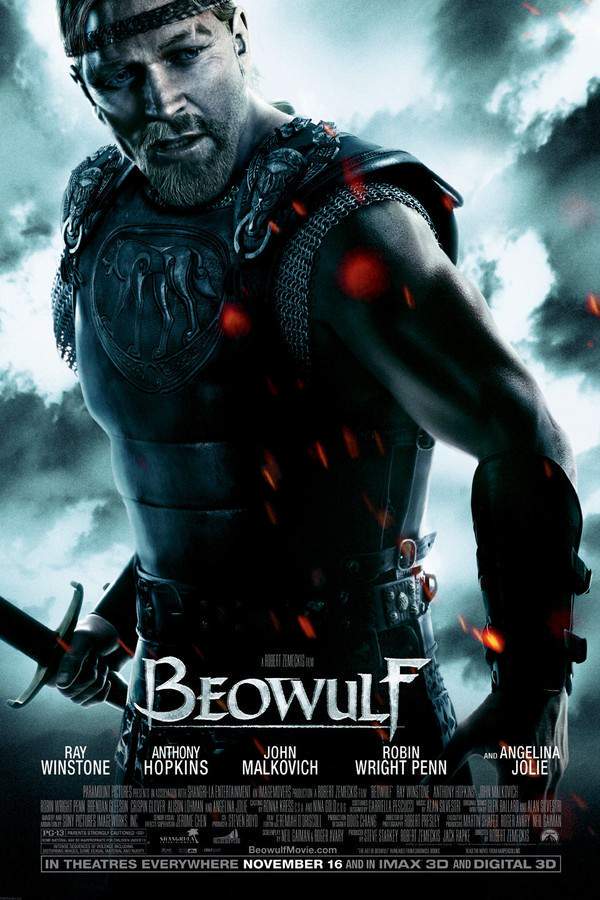
Beowulf (2007) Spoiler-Packed Plot Recap
Korgoth of Barbaria (2006) Story Summary & Characters
Monster of Frankenstein (1981) Spoiler-Packed Plot Recap
Monster Maker (1989) Complete Plot Breakdown
Grim (1996) Story Summary & Characters
The Gorgon (1964) Full Summary & Key Details
The Ghoul (1933) Story Summary & Characters
Animated Epics: Beowulf (1998) Ending Explained & Film Insights
The Giant Behemoth (1959) Film Overview & Timeline
Ogre (2008) Plot Summary & Ending Explained
Gargoyles (1972) Complete Plot Breakdown
Goliath and the Dragon (1960) Full Movie Breakdown
Berserk (1000) Film Overview & Timeline
Beowulf (1999) Detailed Story Recap