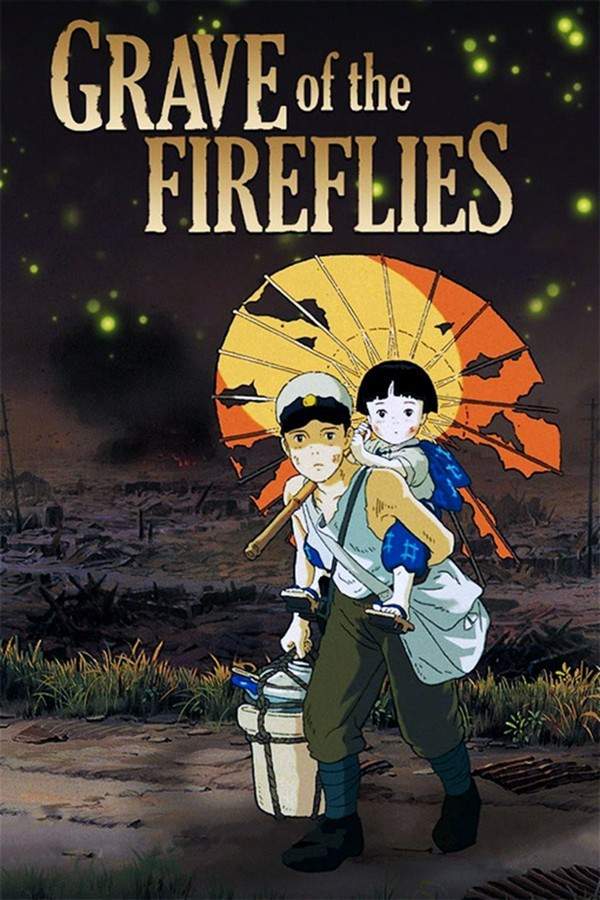
During the final months of World War II, a young boy and his younger sister struggle to survive in Kobe, Japan, as the Allied firebombing campaign intensifies. Orphaned and displaced, they face starvation, illness, and the loss of their home, relying on each other for comfort and protection. Their journey is a poignant and heartbreaking portrayal of the human cost of war and the enduring strength of familial love in the face of unimaginable hardship.
Find where to stream, rent, or buy Grave of the Fireflies (1988) (1989) in the US with current JustWatch availability, up-to-date pricing, and platform listings for subscription, rental, and digital purchase options.
Warning: spoilers below!
Haven’t seen Grave of the Fireflies (1988) yet? This summary contains major spoilers. Bookmark the page, watch the movie, and come back for the full breakdown. If you're ready, scroll on and relive the story!
Trace every key event in Grave of the Fireflies (1988) (1989) with our detailed, chronological timeline. Perfect for unpacking nonlinear stories, spotting hidden connections, and understanding how each scene builds toward the film’s climax. Whether you're revisiting or decoding for the first time, this timeline gives you the full picture.
Last updated: November 17, 2024 at 18:00
Find frequently asked questions about the Grave of the Fireflies (1988) (1989) timeline, including chronological order, nonlinear jumps, cause-and-effect links, and scene sequence clarifications. This timeline FAQ helps explain when key events happen, how moments connect, and why the story unfolds in that specific order.
Seita chose to conceal his mother's death to protect his young sister from the traumatic truth during the chaos of the bombing. He maintained a façade of normalcy, pretending their mother was still alive and would return, to spare Setsuko from the devastating reality of losing both parents simultaneously.
Earlier in the film, Setsuko is shown searching for her mother among the wounded at the hospital, already sensing something is wrong.
The siblings left because their aunt exploited their vulnerability rather than genuinely helping them. She hoarded supplies for herself while verbally abusing Seita and Setsuko, and remained oblivious to their severe饥饿 (hunger) despite Seita's sacrifices, including selling their mother's kimonos for rice.
The aunt's neglect is evident from the start as she is described as 'preoccupied with her own problems' and more inclined to exploit the children.
Seita stole food because extreme饥饿 drove him to desperate measures to keep Setsuko alive. With no other means to obtain food and their aunt refusing to help, he took advantage of the chaos during air raids to steal from farmers, knowing it was wrong but feeling he had no choice.
Earlier, Seita already scavenged through ruins for supplies and sold his mother's silk kimonos, showing his growing desperation.
Setsuko died from malnutrition and starvation after months of severe饥饿. Despite Seita's efforts to find food and the doctor's warning about her condition, she was already too far gone. She died just before Seita returned with food, never knowing he was trying to save her.
The doctor explicitly warned that Setsuko was suffering from malnutrition, and Seita's desperate attempt to gather money for treatment came too late.
Seita succumbed to starvation at Sannomiya train station afterSetsuko's death. With no family left and no means of survival, his body finally gave out from the prolonged饥饿 and despair. He died surrounded by other war victims, alone and forgotten.
The narrative explicitly shows Seita's physical deterioration following Setsuko's death, with hunger taking its final toll.
The fireflies represent a brief, fleeting moment of beauty and comfort in the siblings' otherwise tragic existence. Their brief lifespan, dying shortly after arriving, foreshadows the inevitable deaths of Seita and Setsuko, symbolizing life's ephemeral nature and the innocent victims of war.
The title 'Grave of the Fireflies' itself foreshadows this symbolism of extinguished innocence and life.
The spectral train journey represents the siblings' souls transitioning into death together. It is a surreal, dreamlike sequence where Seita and Setsuko's spirits revisit their memories and finally find peace, arriving at a serene hilltop overlooking modern Kobe, free from suffering.
This ethereal transformation begins when Setsuko's ashes begin to disperse and merge with Seita's spirit.
The aunt was self-centered and preoccupied with her own survival during wartime hardships. Rather than showing compassion, she exploited the children's vulnerability by taking their belongings and supplies while verbally abusing them, demonstrating how war brought out the worst in some people.
From the moment they arrived, the aunt is described as 'more inclined to exploit their vulnerability rather than offer any genuine aid.'
Seita did everything in his limited power to save Setsuko, he scavenged for food, sold possessions, consulted a doctor, and pooled their mother's remaining money for treatment. However, the circumstances were insurmountable: Japan's wartime collapse, lost resources, and the severity of her malnutrition made survival impossible regardless of his efforts.
The doctor's visit reveals Setsuko's condition was already critical, and Japan's surrender further stripped away any remaining infrastructure that could have helped.
Seita and Setsuko's father was a naval officer who was presumed lost at sea during the war. Japan's surrender compounded Seita's grief, as he learned of his father's death while simultaneously dealing with Setsuko's declining health, leaving him completely alone.
The timeline explicitly mentions 'Japan's surrender' and Seita 'grappling with grief for a father presumed to be lost at sea.'
The candy tin represents the last tangible remnant of Seita and Setsuko's brief childhood and the carefree life they once had. After Seita's death, a janitor discovers and discards it, symbolizing how quickly and carelessly the lives of war's innocent victims are forgotten, before the tin's contents inspire the ethereal conclusion.
Setsuko is described as having a cherished stuffed doll, and the tin becomes the container for their ashes and their father's photograph.
Setsuko's ashes disperse and merge with Seita's spirit in a surreal transformation. Their souls become intertwined as they embark on the spectral train journey together, symbolizing their unbreakable bond in life and death, finally finding peace beyond their suffering.
The transition begins when Seita places Setsuko's ashes in a tin container with their father's photograph, connecting past, present, and afterlife.
Discover curated groups of movies connected by mood, themes, and story style. Browse collections built around emotion, atmosphere, and narrative focus to easily find films that match what you feel like watching right now.
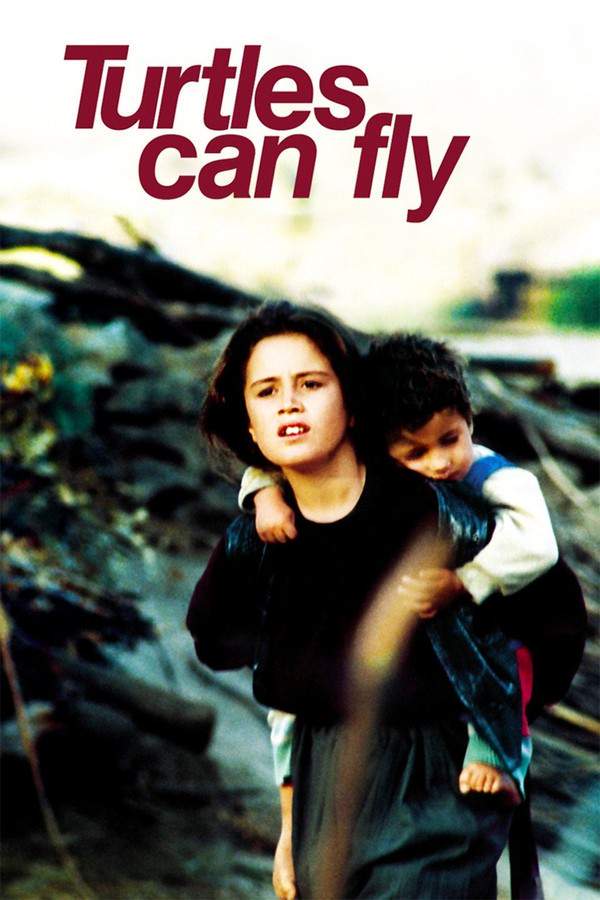
Stories that show the devastating human cost of conflict through the eyes of children.For viewers seeking movies like Grave of the Fireflies that explore the impact of war on children. These films share a focus on survival, loss of innocence, and the devastating emotional weight of conflict, delivering powerful, human-centered anti-war stories.
Stories in this thread typically follow a linear, cause-and-effect structure, focusing on the daily struggle for survival of young protagonists. The journey is often one of gradual decline, marked by loss, deprivation, and the erosion of hope, leading to a tragic or profoundly sad conclusion that underscores the futility of war.
These films are grouped by their shared commitment to portraying the grim reality of war from a child's perspective. They create a cohesive experience through their heavy emotional weight, bleak tone, and sobering focus on themes like survival, grief, and the destruction of familial bonds.
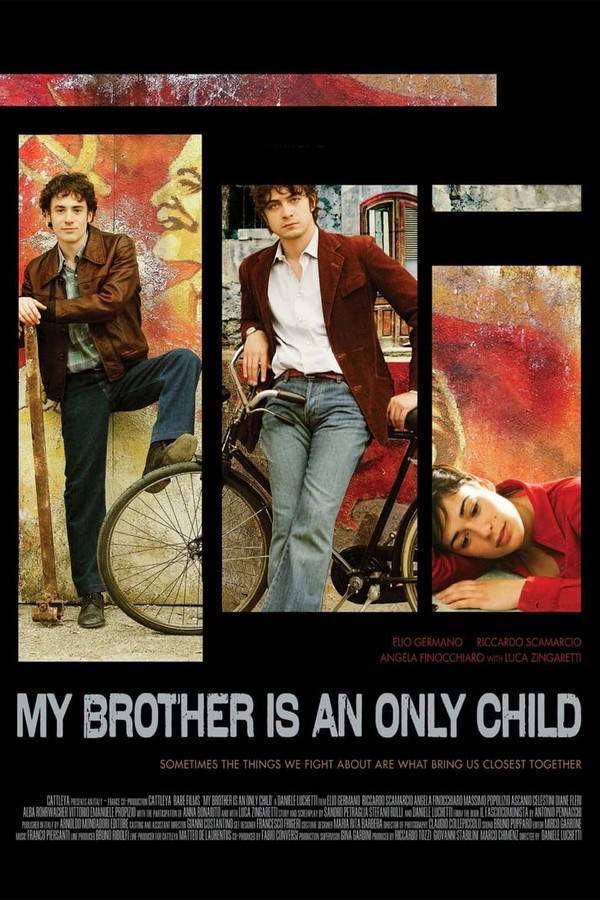
Emotionally heavy stories about brothers and sisters relying on each other against all odds.If you were moved by the sibling relationship in Grave of the Fireflies, this list features similar movies about brothers and sisters enduring immense hardship together. These stories emphasize the strength and tragedy of familial love in the face of overwhelming adversity.
The narrative pattern follows siblings whose primary source of strength is each other. The story is a steady, often heartbreaking chronicle of their shared struggle against a hostile world. The focus is on their interdependence, the sacrifices they make for one another, and how their bond is both a comfort and a source of immense emotional weight.
These films are united by their central focus on the sibling dynamic as the emotional core of a survival story. They share a somber, desperate mood, a steady pacing that methodically builds tragedy, and an intensity derived from the characters' vulnerable position and profound connection.
Don't stop at just watching - explore Grave of the Fireflies (1988) in full detail. From the complete plot summary and scene-by-scene timeline to character breakdowns, thematic analysis, and a deep dive into the ending - every page helps you truly understand what Grave of the Fireflies (1988) is all about. Plus, discover what's next after the movie.
Read a complete plot summary of Grave of the Fireflies (1988), including all key story points, character arcs, and turning points. This in-depth recap is ideal for understanding the narrative structure or reviewing what happened in the movie.
Discover the characters, locations, and core themes that shape Grave of the Fireflies (1988). Get insights into symbolic elements, setting significance, and deeper narrative meaning - ideal for thematic analysis and movie breakdowns.
Discover movies like Grave of the Fireflies (1988) that share similar genres, themes, and storytelling elements. Whether you’re drawn to the atmosphere, character arcs, or plot structure, these curated recommendations will help you explore more films you’ll love.
Grave of the Fireflies (1988) (1989) Plot Summary & Movie Recap
Grave of the Fireflies (1988) (1989) Scene-by-Scene Movie Timeline
Grave of the Fireflies (1988) (1989) Spoiler-Free Summary & Key Flow
Movies Like Grave of the Fireflies (1988) – Similar Titles You’ll Enjoy
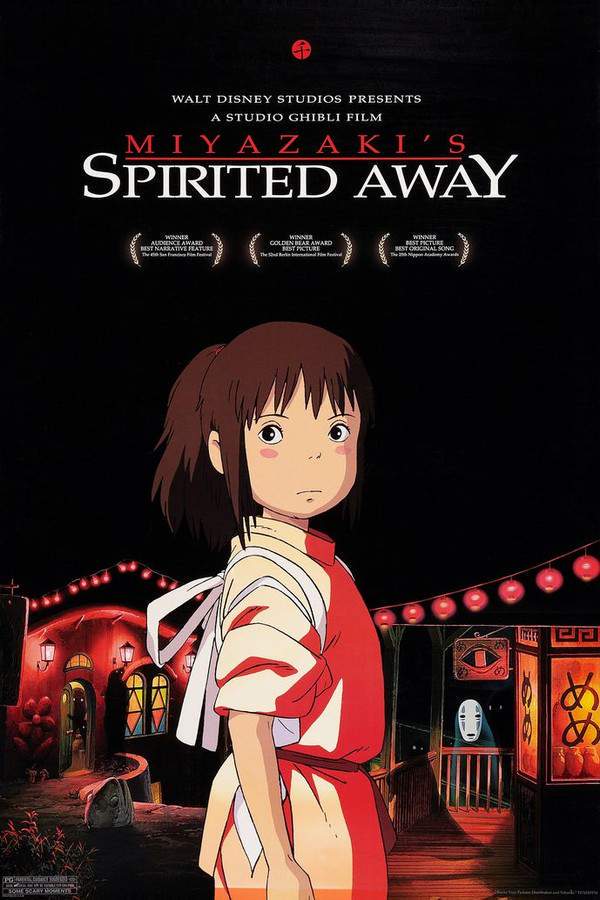
Spirited Away (2002) Story Summary & Characters
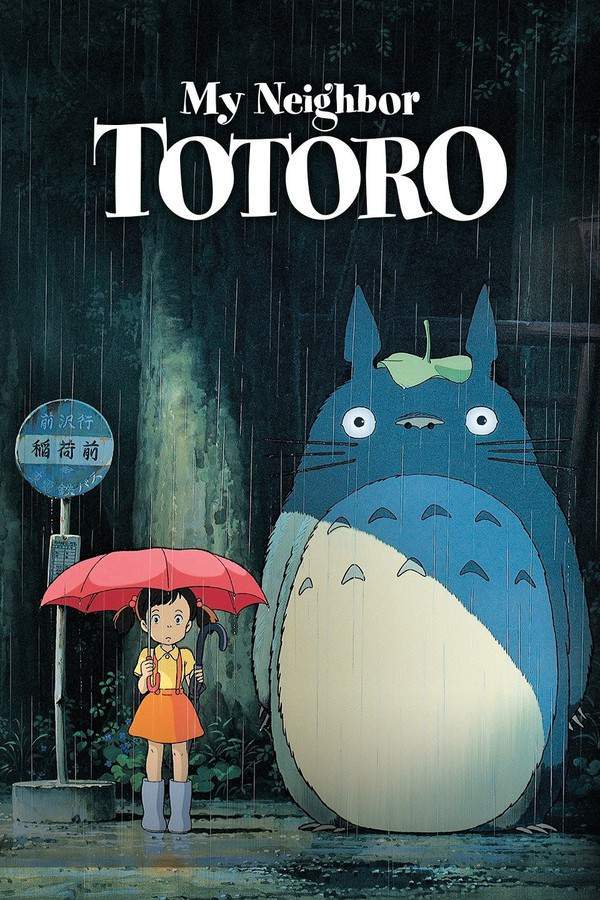
My Neighbor Totoro (1988) Full Movie Breakdown
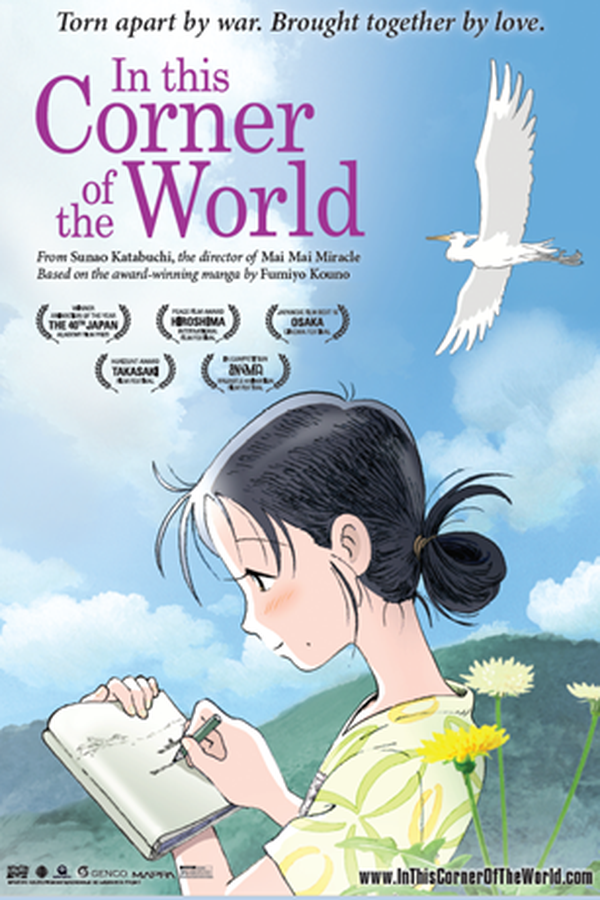
In This Corner of the World (2017) Movie Recap & Themes
Tokyo Godfathers (2004) Movie Recap & Themes
The Boy and the Heron (2023) Complete Plot Breakdown
The Firefly (2001) Plot Summary & Ending Explained
The Glass Rabbit (2005) Plot Summary & Ending Explained
Grave of the Fireflies (2005) Plot Summary & Ending Explained
Children of Nagasaki (1983) Movie Recap & Themes
Fireflies in the North (1984) Movie Recap & Themes
Barefoot Gen 2 (1986) Ending Explained & Film Insights
Raining Fire (1988) Ending Explained & Film Insights
Barefoot Gen (1983) Spoiler-Packed Plot Recap
Tombstone of the Fireflies (2008) Full Summary & Key Details
Children of Hiroshima (1952) Plot Summary & Ending Explained