









Plot Explained Spoilers guaranteed!
Plot Explained

Browse by genre

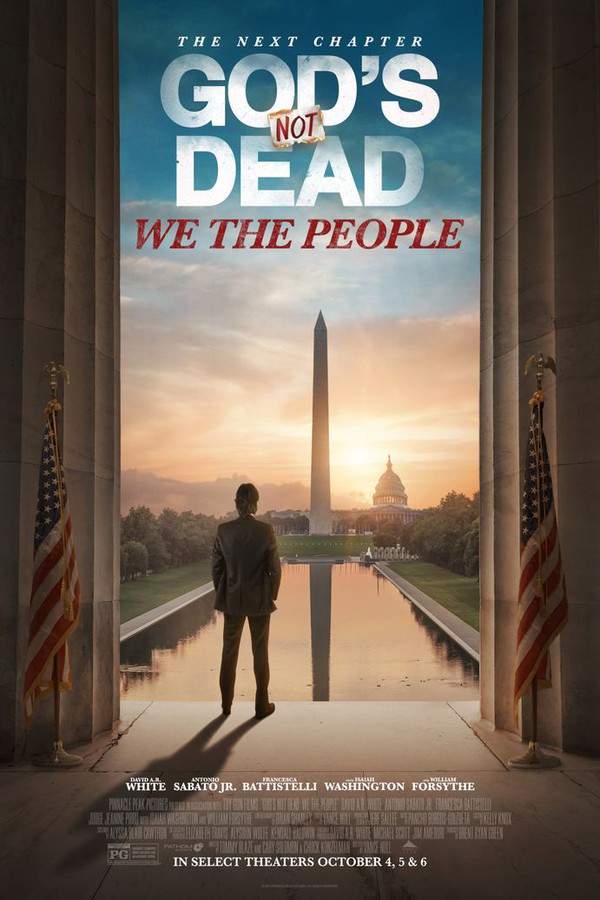
God’s Not Dead: We The People (2020) movie poster

Characters & Themes

God’s Not Dead: We The People (2020) Characters, Setting & Themes Explained

Release, runtime and language
2020 · 91 mins · English
Echo score 47
JustWatch #31,867 16
Directed by
Vance Null
Starring
Deborah Tucker, Isaiah Washington, William Forsythe, Marco Khan, Alexandra Harris, David A.R. White
Budget
$5M

The Next Chapter Reverend Dave has to defend himself and a group of Christian homeschooling families after an inspection by local government officials.

On this page (8)
  1. 1 Where to watch
  2. 2 Characters explained (12)
  3. 3 Where & when it takes place
  4. 4 Themes & meaning (3)
  5. 5 Character & meaning questions
  6. 6 Movie threads
  7. 7 Movies like God’s Not Dead: We The People
  8. 8 Every angle

Where to watch

Where to Watch God’s Not Dead: We The People (2020)

Where can you watch God’s Not Dead: We The People? Stream, rent or buy it in the US, including on Pure Flix, Fawesome and Fandango at Home Free: current JustWatch availability with up-to-date prices.

Streaming availability powered by JustWatch

12 main characters · contains spoilers

God’s Not Dead: We The People Characters Explained: Who Is Who

The main characters of God’s Not Dead: We The People (2020), heroes and villains: what drives them, how they change over the course of the story and what each of them reveals about the film's bigger ideas.

  • Reverend Dave Hill

    played by David A.R. White

    A local pastor who leads the homeschooling families and anchors the community with his faith and advocacy. He remains steadfast under scrutiny, framing the dispute as a fight for religious liberty and parental choice. His resolve and moral clarity drive the motivation to appeal the initial ruling and seek justice through the legal system.

    • 🙏 Faith leader
    • ⚖️ Advocate for parental rights
  • Daryl Smith

    played by Isaiah Washington

    A fictional congressman who helps the families present their case before a congressional subcommittee. He acts as a bridge between faith-based concerns and policy considerations, emphasizing individual liberties in education debates. His involvement highlights the political dimension of the court case.

    • 🏛️ Political ally
    • 🗣️ Policy advocate
  • Congresswoman Denise Campbell

    played by Deborah Tucker

    A member of Congress involved in the broader policy discussions surrounding education and parental rights. Her role underscores how elected officials interpret and respond to high-profile cases that attract public attention. She represents the formal, legislative side of the discourse.

    • 🏛️ Legislative figure
    • 🗳️ Policy influencer
  • Judge Elizabeth Neely

    played by Jeanine Pirro

    A judicial figure who presides over the initial state case and later the appeal. The judge interprets the law as it relates to state standards and parental rights, providing a critical, legally grounded perspective in the proceedings. The outcome of the hearing culminates in a ruling that reflects legal arguments from both sides.

    • ⚖️ Judicial authority
    • 🧭 Legal interpreter
  • Mike McKinnon

    played by Antonio Sabàto, Jr.

    Father within the homeschooling family, who champions their right to educate according to their beliefs. He participates in the legal process and supports his family through the stress of scrutiny. His perspective emphasizes paternal involvement and communal responsibility.

    • 👨‍👧 Family advocate
    • 🛡️ Protector of rights
  • Rebecca McKinnon

    played by Francesca Battistelli

    Mother of the McKinnon family and a driving force behind the homeschooling choice. She articulates the religious and ethical rationale for their curriculum and participates actively in the hearings. Her stance reinforces the familial dimension of the education debate.

    • 👩‍👧‍👦 Family advocate
    • 🕊️ Faith-based education
  • Brandon McKinnon

    played by Matt Anspach

    A member of the McKinnon family who represents the student perspective in the dispute. His interests center on a stable educational environment that aligns with his family's beliefs. He embodies the human impact of the legal and political process.

    • 🧒 Student perspective
    • 🧭 Youth voice
  • Kayla Neely

    played by Dani Oliveros

    A member of the group involved in the homeschooling effort, illustrating the broader community impact of the case. Her presence highlights the interconnectedness of families who choose faith-based education. She participates in the public discussion surrounding their curriculum.

    • 👧 Community member
    • 🕊️ Faith community
  • Ayisha

    played by Hadeel Sittu

    Another child connected to the homeschooling circle, representing the next generation affected by the dispute. Her experience underscores the stakes for young students in debates over curriculum and parental control. She embodies the hope and concerns of families pursuing alternative educational paths.

    • 👶 Student perspective
    • 🏫 Education matters
  • Misrab

    played by Marco Khan

    A figure representing the opposition to the families’ approach within the broader narrative. He embodies secular standards pressures and the broader conflict between personal belief systems and state policies. His presence heightens the sense of tension in the legal battle.

    • 🗡️ Opposition
    • ⚖️ Policy critic
  • Congressional Page

    played by Ryan T. Johnson

    A young aide at the congressional hearing who helps facilitate testimony and logistics. The Page adds realism to the legislative environment and mirrors the experience of real-world Capitol Hill proceedings. Their presence helps convey the procedural aspect of the hearing.

    • 🎒 Aide
    • 🗂️ Procedure
  • US Congressperson

    played by Bryce Barfield

    A legislator who participates in the hearing and contributes to the policy discussion surrounding parental rights and education. This character helps demonstrate how public policy is debated and shaped within the legislative process.

    • 🏛️ Lawmaker
    • 🗳️ Policy maker

Last updated: January 28, 2026 at 12:32

Was this helpful?

Setting

Where and When Does God’s Not Dead: We The People Take Place?

The setting of God’s Not Dead: We The People (2020): the year and time period, the places and locations, and how they shape the characters, the mood and the tension of the story.

Time period

Present day

Set in contemporary America, the narrative follows a real-world clash between parental rights and state oversight of education. It moves from a courtroom and local community setting to a national stage in the capital. The tone reflects current debates about religion, education policy, and individual liberties.

Location

Local town, Washington, D.C.

The film begins in a tight-knit local town where homeschooling families live and practice their faith-based curriculum. A surprise visit from social services turns normal home life into a legal battleground over educational standards. The story then shifts to Washington, D.C., where the families seek a higher-profile hearing before a congressional subcommittee.

  • 🏘️ Local community
  • 🏛️ Capitol Hill
  • 🎒 Education and faith

Last updated: January 28, 2026 at 12:32

Was this helpful?

3 major themes

God’s Not Dead: We The People Meaning: Themes & Message Explained

What is God’s Not Dead: We The People (2020) really about? The emotional, social and philosophical themes the film keeps returning to, its symbolism and the message beneath the surface.

  • Parental Rights

    The core conflict centers on whether parents should have the authority to educate their children according to their own beliefs. The film examines how legal systems balance parental autonomy with state standards. It portrays families mobilizing legal avenues to defend their choices and to challenge governmental overreach.

  • Religious Freedom

    Religious convictions drive the families' approach to education and shape their interactions with authorities. The narrative frames faith as a source of community strength and moral guidance against external mandates. It highlights the ongoing tension between faith-based practices and institutional policy.

  • Civic Process

    The story tracks how citizens engage with the political system to defend beliefs, including a congressional hearing and legal appeals. It depicts the mechanics of advocacy, testimony, and deliberation in shaping public policy. The climactic moments emphasize the impact of individual voices within the democratic process.

Last updated: January 28, 2026 at 12:32

Was this helpful?

Character & theme questions

God’s Not Dead: We The People Characters & Meaning: Your Questions Answered

The questions people ask about God’s Not Dead: We The People (2020): who the characters really are, their relationships, what the symbols mean, where it takes place and what the movie is really about. Each answer contains spoilers.

Q1

Where is God's Not Dead: We The People set?

The movie takes place in two main settings: a tight-knit local town where homeschooling families live, and Washington, D.C., where the families appeal their case before a congressional subcommittee. The story moves from the local community to the national political stage.

  • setting
  • locations
  • local town
  • washington dc
  • congressional hearing
Q2

What time period is the movie set in?

The film is set in present day contemporary America, reflecting current debates about religion, education policy, and individual liberties. The story follows real-world legal and political processes that are happening today.

  • time period
  • present day
  • contemporary
  • modern era
Q3

What is the main theme of the movie?

The core theme centers on parental rights and whether parents should have the authority to educate their children according to their own beliefs. The film examines how legal systems balance parental autonomy with state educational standards.

  • parental rights
  • education
  • theme
  • family freedom
Q4

How does the movie address religious freedom?

Religious convictions drive the families' approach to education and shape their interactions with authorities. The narrative frames faith as a source of community strength and moral guidance against external mandates, highlighting the tension between faith-based practices and institutional policy.

  • religious freedom
  • faith
  • beliefs
  • church
Q5

What does the movie say about civic process?

The film depicts how citizens engage with the political system to defend their beliefs, including congressional hearings and legal appeals. It shows the mechanics of advocacy, testimony, and deliberation in shaping public policy, emphasizing the impact of individual voices within the democratic process.

  • civic process
  • congress
  • politics
  • advocacy
  • democracy
Q6

Who is Reverend Dave Hill in the movie?

Reverend Dave Hill is a local pastor who leads the homeschooling families and anchors the community with his faith and advocacy. He remains steadfast under scrutiny, framing the dispute as a fight for religious liberty and parental choice, and drives the motivation to appeal adverse rulings.

  • reverend dave hill
  • pastor
  • church leader
  • faith leader
Q7

What is Congressman Daryl Smith's role in the story?

Congressman Daryl Smith helps the families present their case before a congressional subcommittee. He acts as a bridge between faith-based concerns and policy considerations, emphasizing individual liberties in education debates and highlighting the political dimension of the legal battle.

  • congressman daryl smith
  • congressman
  • politician
  • legislator
Q8

What role does Judge Elizabeth Neely play?

Judge Elizabeth Neely presides over the initial state case and later the appeal. She interprets the law as it relates to state standards and parental rights, providing a legally grounded perspective in the proceedings. Her rulings reflect the legal arguments from both sides.

  • judge elizabeth neely
  • judge
  • court
  • legal proceedings
Q9

Who are the McKinnon family in the movie?

The McKinnon family consists of father Mike McKinnon, mother Rebecca McKinnon, and their son Brandon. They are homeschooling parents who champion their right to educate according to their religious beliefs. Rebecca articulates the religious and ethical rationale for their curriculum, while Mike participates in the legal process.

  • mckinnon family
  • mike mckinnon
  • rebecca mckinnon
  • brandon mckinnon
  • homeschooling families
Q10

What message does the movie convey about freedom?

The film carries a hopeful message about perseverance and the rewards of fighting for one's beliefs. It portrays a struggle for freedom that is ultimately rewarded with a positive outcome, reinforcing optimism about defending parental and religious rights in the American legal system.

  • freedom
  • liberty
  • message
  • outcome
  • hopeful ending

Movie threads

More Movies Like God’s Not Dead: We The People, by Mood & Story

Curated lists built around what makes God’s Not Dead: We The People tick: the same mood, the same kind of story or the same emotional payoff. Each list explains why these movies belong together.

Faith on Trial Triumphs like in God’s Not Dead: We The People

Stories where unwavering belief is tested by legal opposition and emerges stronger. Movies like God’s Not Dead: We The People featuring determined individuals defending their religious freedom in court. If you enjoyed this hopeful legal drama about principled stands against government overreach, you'll find similar inspiring stories here.

  • principled
  • defiant
  • hopeful
  • contemplative
  • cerebral
  • inspiring
  • Tone: hopeful, determined, principled
  • Pacing: steady, procedural
Why these movies?

The story pattern: These narratives typically begin with a peaceful community or individual facing an external legal challenge to their way of life or beliefs. The plot unfolds through a courtroom drama or similar procedural conflict, focusing on debates of principle rather than physical action. The journey is one of steadfast perseverance, culminating in a vindicating conclusion that affirms the characters' faith and rights.

Why they belong together: Movies in this thread are grouped by their shared focus on a cerebral, ideological struggle. They feature a medium-intensity conflict driven by dialogue and legal strategy, a consistently hopeful tone that believes in a positive outcome, and a straightforward plot structure that clearly defines heroes and the moral stakes.
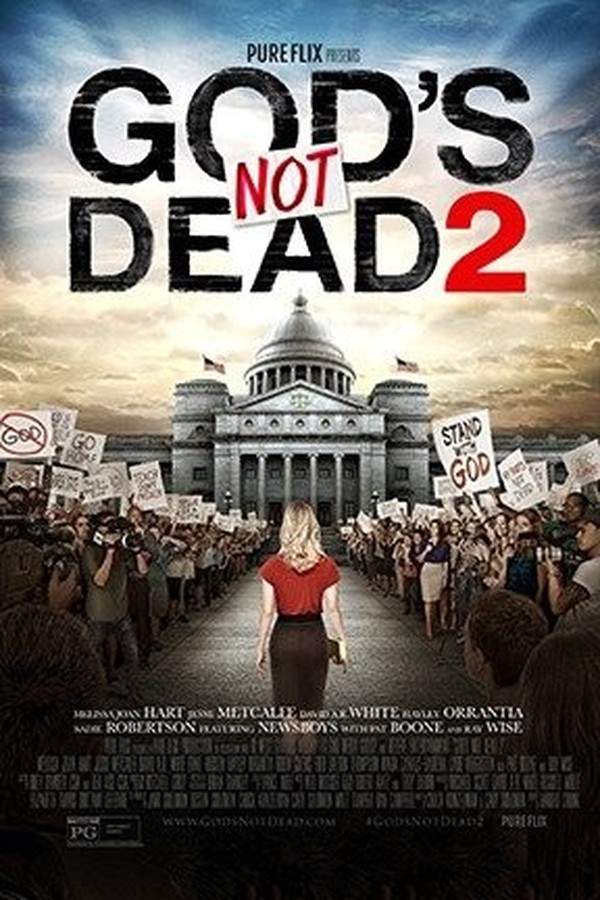
Principled Underdog Victories like in God’s Not Dead: We The People

Heartening stories where ordinary people stand up to powerful systems for what's right. Discover more movies like God’s Not Dead: We The People, where determined underdogs fight for their rights against a powerful system. These stories share a hopeful tone, steady pacing, and a focus on civil liberties and family values leading to a triumphant ending.

  • hopeful
  • determined
  • principled
  • defiant
  • inspiring
  • community
  • Tone: hopeful, defiant, uplifting
  • Pacing: steady, deliberate
Why these movies?

The story pattern: The narrative pattern involves a close-knit group, often families or a community, whose peaceful existence is disrupted by an overreaching authority. The story follows their journey from initial shock to organized, determined resistance. The conflict escalates in a measured way, relying on the power of unity and conviction rather than force, building towards a climax that delivers a clear and rewarding victory for the protagonists.

Why they belong together: These films are united by their uplifting 'David vs. Goliath' structure. They share a medium emotional weight that makes the stakes feel real without being crushing, a straightforward narrative that doesn't cloud the moral message, and a consistently hopeful tone that assures viewers the fight is worth it. The pacing is steady, focusing on the process of standing up for beliefs.

If you liked this

Movies Like God’s Not Dead: We The People

Similar movies to God’s Not Dead: We The People: the same genre, themes or kind of story. Each one comes with its own plot summary, timeline and ending explained.

Browse all movie summaries

Every angle

God’s Not Dead: We The People (2020) Explained: Plot, Timeline & Characters

Everything about God’s Not Dead: We The People in one place: what happens in the plot summary, the timeline in chronological order, the characters and meaning and a spoiler-free summary. What's After the Movie adds the cast, box office and post-credit scenes.

Coming soon on iOS and Android

The Plot Explained Movie Summary App

Plot summaries, endings explained and timelines on your phone. Catch up on any movie in minutes, save your favorites and never miss a twist again.

Be the first to know when we launch. Your email stays private, always.

Learn more about the app