Give Up Tomorrow

Give Up Tomorrow

Year: 2011

Runtime: 96 mins

Language: English

Director: Michael Collins

DocumentaryCrime

In a climate where injustice threatens everyone’s safety, a teenage member of a prominent political family in the Philippines is charged with a double murder. The accusation forces the nation’s judicial system, long shadowed by alleged corruption, into a decisive, high‑profile test of its integrity and fairness.

Where to Watch Give Up Tomorrow?

Find where to stream, rent, or buy Give Up Tomorrow (2011) in the US with current JustWatch availability, up-to-date pricing, and platform listings for subscription, rental, and digital purchase options.

Warning: spoilers below!

Haven’t seen Give Up Tomorrow yet? This summary contains major spoilers. Bookmark the page, watch the movie, and come back for the full breakdown. If you're ready, scroll on and relive the story!

Timeline – Give Up Tomorrow (2011)

Trace every key event in Give Up Tomorrow (2011) with our detailed, chronological timeline. Perfect for unpacking nonlinear stories, spotting hidden connections, and understanding how each scene builds toward the film’s climax. Whether you're revisiting or decoding for the first time, this timeline gives you the full picture.

1

Disappearance during the storm

A tropical storm batters Cebu as two sisters, Marijoy and Jacqueline, finish work and vanish. Their disappearance triggers a city-wide search and immediate media attention as families await news.

Night of the storm Cebu, Philippines
2

Paco's night out in Manila

Meanwhile in Manila, Paco Larrañaga, 19, is at a party surrounded by witnesses. The stark contrast between his carefree evening and the sisters' disappearance sets up a clash of timelines in the narrative.

That night Manila, Philippines
3

Accusation and media frenzy

Paco is accused of rapes and murders, and a frenzied media circus casts him as a privileged thug. Public opinion spins quickly, shaping perceptions before evidence is fully weighed.

Soon after the disappearance Manila, Philippines
4

Alibi and distant evidence

Investigators uncover photographic and testimonial evidence suggesting Paco was hundreds of miles away from the crime scene, including accounts from the culinary school he attends. The distance challenges the mounting accusations.

In the days following the arrest Manila and surrounding areas
5

Arrest and trial commence

Paco is arrested and thrust into a high-profile trial amid intense scrutiny and public pressure. The courtroom becomes a arena where media, politics, and law collide.

Shortly after the disappearance Philippines
6

Public perception and class dynamics

The case is framed as a clash of race, class, and political power, and the press amplifies these divisions. The public's heated response amplifies the sense of a national spectacle surrounding the verdict.

During the trial Philippines
7

Two families' endurance

Two mothers, each bearing grief and conviction, devote more than a decade to pursuing truth or justice for their children. Their parallel struggles anchor the emotional depth of the film.

Over a decade Philippines
8

Conviction and capital punishment

Paco is sentenced to death by lethal injection, illustrating a judicial system under pressure and the harsh consequences of the case. The proceedings reveal a mix of capriciousness and malice within the process.

During the trial and sentencing Court, Philippines
9

Systemic critique

The film exposes roots of miscarriage within governance, law enforcement, and media, painting a broader picture of how injustice can arise from institutional dynamics. These factors complicate the pursuit of truth.

Throughout the case Philippines
10

International advocacy

Amnesty International, the government of Spain, Fair Trials International, and the United Nations advocate for a fair process and question the evidence. Their involvement highlights global concern over the case.

During the post-arrest period Global
11

Fact versus perception

The film repeatedly contrasts what people believe happened with what the evidence shows, urging viewers to rely on facts rather than impressions or rumor. This tension lies at the heart of the courtroom drama.

Throughout the case Philippines
12

Abolition of capital punishment, not freedom

The case becomes a catalyst in the Philippines for ending capital punishment, yet it fails to exonerate Paco. The complex justice landscape leaves a controversial, unresolved outcome.

In the years following the case Philippines
13

The film's closing focus

Give Up Tomorrow closes as an intimate family drama, focusing on the mothers' steadfast struggle and a society wrestling with how justice is pursued and delivered. The film uses this personal lens to critique broader systemic issues.

Film's present/closing Philippines

Last updated: January 08, 2026 at 12:00

Was this helpful?

Give Up Tomorrow (2011) Timeline Questions Answered – Chronology FAQ

Find frequently asked questions about the Give Up Tomorrow (2011) timeline, including chronological order, nonlinear jumps, cause-and-effect links, and scene sequence clarifications. This timeline FAQ helps explain when key events happen, how moments connect, and why the story unfolds in that specific order.

Q1

Why was Paco Larrañaga accused of the murders despite having a solid alibi?

A.

Paco Larrañaga was accused primarily because he fit a convenient profile, a member of a prominent mestizo political family with a history of petty offenses. The media and investigators quickly latched onto him as a suspect despite dozens of witnesses placing him at a party in Manila, hundreds of miles from the crime scene in Cebu. The case became a public spectacle where guilt was assumed before evidence was fully examined, and his family's political prominence actually worked against him by making him a target for those wanting to challenge the elite.

paco larranagaalibimanila partyaccusationwrong suspect
Q2

What evidence proved Paco Larrañaga was nowhere near Cebu on the night of the murders?

A.

The defense presented photographic evidence and testimony from approximately 42 people, including classmates and teachers from the culinary school Paco attended, placing him at a party in Manila on the same night the sisters disappeared in Cebu. This evidence established that he was hundreds of miles from the crime scene when the murders occurred, creating a significant timeline discrepancy that should have cast reasonable doubt on his guilt.

Earlier scenes show Paco attending the culinary school, establishing his routine and connections that later serve as his alibi.

evidencealibiculinary schoolwitnessesinnocence
Q3

How did the media influence the case against Paco Larrañaga?

A.

The media created a frenzied circus around Paco's arrest and trial, casting him as a privileged thug before any verdict was reached. Public opinion spun quickly based on his appearance and family background rather than evidence, shaping perceptions before the courtroom could weigh facts. This media coverage turned the trial into a national spectacle where the court of public opinion seemed to convict him long before the judicial system did.

media circuspublic opiniontrial coverageframeprejudice
Q4

What role did class and political power play in Paco Larrañaga's trial?

A.

The case became a battleground for deeper societal tensions in the Philippines, pitting race, class, and political power against each other. As a member of a prominent mestizo political clan that included a former president, Paco was both privileged and targeted, his family's political connections made him a symbol of elite impunity for some, while others saw him as a victim of political persecution. The press amplified these divisions, framing the verdict as a test of whether the judicial system could challenge powerful families.

classpoliticsmestizopolitical familyjudicial systemphilippines
Q5

Why did the Philippines abolish the death penalty after Paco Larrañaga's case?

A.

Paco's case became a catalyst for ending capital punishment in the Philippines precisely because it exposed the system's flaws so dramatically. His wrongful conviction despite overwhelming alibi evidence demonstrated how the death penalty could be wielded unjustly, leading international organizations like Amnesty International and the UN to advocate for its abolition. However, the abolition did not lead to Paco's freedom, it highlighted the broader failure of a justice system capable of sentencing an innocent man to death.

The timeline shows the conviction and sentencing occurring early in the narrative, setting up the later systemic critique.

death penaltylethal injectioncapital punishmentabolitioncase catalyst
Q6

Why does Paco Larrañaga remain in prison despite evidence of his innocence?

A.

Despite international advocacy from Amnesty International, the Spanish government, Fair Trials International, and the United Nations questioning the evidence, Paco Larrañaga remains imprisoned. The documentary reveals that while the case helped end capital punishment in the Philippines, it did not result in his exoneration. The documentary suggests this reflects the broader failure of a legal system plagued by capriciousness and malice, where wrongful convictions can persist even when evidence clearly contradicts the verdict.

imprisonmentexonerationinternational advocacywrongful convictionjustice system failure
Q7

What is the significance of the two mothers featured in the documentary?

A.

The documentary centers on two mothers whose parallel struggles define the emotional core of the story, one mother lost her daughters and fought for their justice, while the other mother fought for over a decade to save her son from execution. Their near-mythic confrontation represents the human cost of a broken system, with each mother convinced of her own truth. The film uses their pain to illuminate how systemic failure devastates families on all sides, regardless of which outcome they seek.

mothersfamily dramagriefjusticevictim family
Q8

How did international organizations respond to Paco Larrañaga's case?

A.

Amnesty International, the government of Spain (relevant because Paco had Spanish citizenship), Fair Trials International, and the United Nations all advocated for a fair legal process and questioned the evidence against Paco. These organizations maintained that for more than a decade, Paco had been paying the price for a crime he did not commit. Their involvement highlighted global concern over the case and contributed to the pressure that eventually led to the Philippines abolishing capital punishment.

amnesty internationalspainfair trialsunited nationsinternational advocacy
Q9

What does the documentary reveal about failures in the Philippine justice system?

A.

The documentary paints a Kafkaesque panorama of a justice system wielding capital punishment with capriciousness and malice. It exposes how corruption among flamboyantly corrupt public officials, drug-dealing cops on the take, and journalists entwined with the legal circus allowed the wrongful conviction to stand despite clear evidence of innocence. The case becomes a vehicle for showing how institutional dynamics, rather than individual errors, create miscarriages of justice.

justice systemcorruptionpolicejudiciaryinstitutional failuremiscarriage
Q10

Why is Paco Larrañaga not portrayed as a conventional hero in the documentary?

A.

The documentary deliberately avoids making Paco a conventional hero because his lack of easy appeal challenges viewers to rely on facts rather than impressions. He has a past of petty offenses and fits the mold of a privileged thug in appearance and behavior, which is precisely why the media and public were so quick to judge him. The film argues that this complexity forces society, and filmgoers, to examine evidence objectively rather than relying on sympathetic or unsympathetic character assessments.

paco characterprivilegedprotagonistfacts vs impressions
Q11

What is the film's message about facts versus perception in the justice system?

A.

The film repeatedly contrasts what people believe happened with what the evidence actually shows, urging viewers to rely on facts rather than impressions or rumor. This tension lies at the heart of the courtroom drama, Paco was judged not on evidence but on perception of his character, his family's status, and media framing. The documentary argues that the verdict says more about the culture that shapes verdicts than about the truth of the crime itself.

factsperceptionevidencetruthprejudicemedia bias
Q12

Why does the documentary end with an unresolved outcome for Paco Larrañaga?

A.

The documentary ends on a sad, unresolved note because that reflects the actual state of justice in the case, Paco remains imprisoned despite the abolition of capital punishment. This ending serves the documentary's broader purpose of critiquing a system that can end a practice like death penalty yet still fail to correct its own wrongful convictions. The unresolved outcome is intentionally uncomfortable, forcing viewers to confront how injustice can persist even when reform occurs.

endingunresolvedimprisonedcapital punishment abolitionsad outcome
Mobile App Preview

Coming soon on iOS and Android

The Plot Explained Mobile App

From blockbusters to hidden gems - dive into movie stories anytime, anywhere. Save your favorites, discover plots faster, and never miss a twist again.

Sign up to be the first to know when we launch. Your email stays private, always.

Explore Movie Threads

Discover curated groups of movies connected by mood, themes, and story style. Browse collections built around emotion, atmosphere, and narrative focus to easily find films that match what you feel like watching right now.

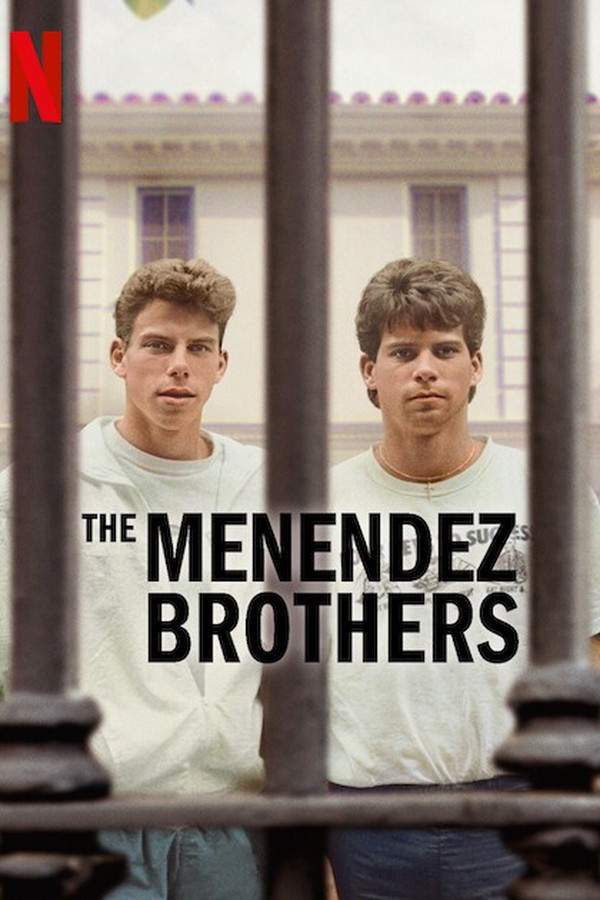
Documentaries about wrongful convictions like Give Up Tomorrow

Documentaries that expose a corrupt justice system and the fight for an innocent person.If you were gripped by the injustice in Give Up Tomorrow, explore these other powerful documentaries about wrongful convictions and judicial corruption. These films share a similar tone of outrage and a focus on real-life legal battles.

tenseunjustinfuriatinggrimfrustratinginvestigativesorrowfuloppressive

Narrative Summary

Films in this thread typically follow a journalistic or legal investigation into a specific case. The narrative begins with a crime and an arrest, then delves into the flaws of the system that lead to a wrongful conviction, building a sense of mounting evidence and public pressure against an entrenched, powerful institution.

Why These Movies?

These films are grouped together because they share a profound thematic focus on systemic injustice and the human cost of a flawed legal process. They create a similar emotional experience centered on frustration, tension, and a deep empathy for the wrongly accused.
Movies about fighting corruption like Give Up Tomorrow

Stories where investigations uncover deep-seated rot within powerful institutions.For fans of Give Up Tomorrow's unflinching look at a corrupted justice system, this list features movies with a similar vibe. Discover other tense stories where individuals challenge powerful, decaying institutions.

tenseoppressivegrimanxiousinvestigativefrustratingheavypolitical

Narrative Summary

The narrative follows protagonists—often journalists, lawyers, or family members—as they methodically uncover layers of deceit and abuse of power. The conflict is not with a single villain but with an entire corrupted structure, leading to a journey fraught with obstacles and a palpable sense of fighting a Goliath.

Why These Movies?

These movies share a coherent mix of high intensity, a dark tone, and steady pacing, creating a specific feeling of grim determination. They are united by their focus on the overwhelming nature of systemic failure and the emotional weight of confronting it.

Unlock the Full Story of Give Up Tomorrow

Don't stop at just watching - explore Give Up Tomorrow in full detail. From the complete plot summary and scene-by-scene timeline to character breakdowns, thematic analysis, and a deep dive into the ending - every page helps you truly understand what Give Up Tomorrow is all about. Plus, discover what's next after the movie.

Give Up Tomorrow Summary

Read a complete plot summary of Give Up Tomorrow, including all key story points, character arcs, and turning points. This in-depth recap is ideal for understanding the narrative structure or reviewing what happened in the movie.

Give Up Tomorrow Summary

Characters, Settings & Themes in Give Up Tomorrow

Discover the characters, locations, and core themes that shape Give Up Tomorrow. Get insights into symbolic elements, setting significance, and deeper narrative meaning - ideal for thematic analysis and movie breakdowns.

Characters, Settings & Themes in Give Up Tomorrow

Give Up Tomorrow Spoiler-Free Summary

Get a quick, spoiler-free overview of Give Up Tomorrow that covers the main plot points and key details without revealing any major twists or spoilers. Perfect for those who want to know what to expect before diving in.

Give Up Tomorrow Spoiler-Free Summary

More About Give Up Tomorrow

Visit What's After the Movie to explore more about Give Up Tomorrow: box office results, cast and crew info, production details, post-credit scenes, and external links - all in one place for movie fans and researchers.

More About Give Up Tomorrow