Plot Explained Spoilers guaranteed!
Plot Explained

Browse by genre

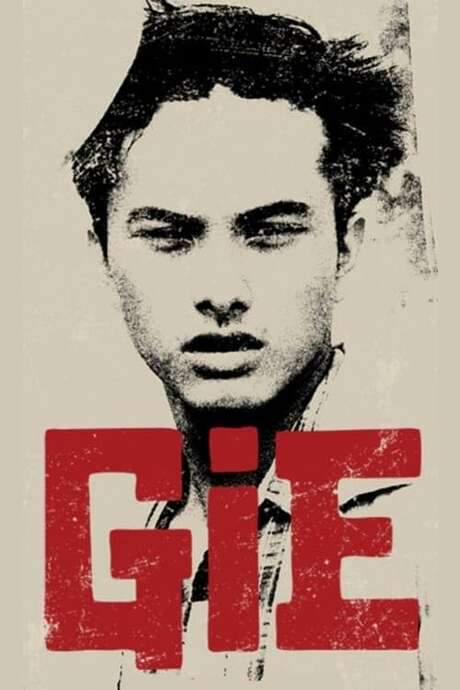
Gie (2005) movie poster

Plot Summary

Gie (2005) Plot Summary Explained

Release, runtime and language
2005 · 140 mins · Indonesian
Loading streaming availability…
Directed by
Riri Riza
Starring
Lukman Sardi, Happy Salma, Surya Saputra, Sita Nursanti, Nicholas Saputra, Indra Birowo

Life is about courage, facing challenges. Indonesian activist Soe Hok Gie experiences a political awakening during the tumultuous regimes of Soeharto and Soekarno.

On this page (6)
  1. 1 Where to watch
  2. 2 What happens: full plot
  3. 3 Plot questions answered
  4. 4 Movie threads
  5. 5 Movies like Gie
  6. 6 Every angle
Loading streaming availability…

Full plot summary · contains spoilers

What Happens in Gie: Full Plot Summary

The whole story of Gie (2005) explained, from the opening scene to the final frame: every key event, every twist and what it all adds up to. Read it as a quick recap before the sequel, to check a scene you missed, or to finally understand what really happened.

Soe Hok Gie grew up in a lower-middle class Chinese Indonesian family in Jakarta. In his early teens, Soe Hok Gie developed a fascination with the ideas and ideals put forth by world-class intellectuals. This curiosity, paired with a fighter’s spirit, fierce loyalty to friends, and a heart that genuinely cared for others and for his country, pushed him toward a blunt intolerance of injustice. He dreamed of an Indonesia founded on justice, equality, and righteousness, a vision that often puzzled those around him. Even his closest friends—Tan Tjin Han and Herman Lantang—would sometimes ask, “What is all this fighting for?” Soe would answer with steady conviction, reminding them that freedom carries a price and must be paid.

Soe’s teen and early college years unfolded under the regime of Indonesia’s founding father, Sukarno. The period was marked by clashes between the military and the Indonesian Communist Party (PKI), yet Soe and his peers insisted on political neutrality. While he respected Sukarno as a national founder, he detested the dictatorship that left the poor and oppressed to suffer. Soe was acutely aware of social inequality, power abuses, and corruption, and he spoke out through discussion groups, student unions, and sharp criticisms in the media. He also grew wary of movements that appeared to advocate change but were really advancing personal gain. This stance earned him both sympathy and enemies, as various interest groups sought his support while others sought to intimidate him.

In this turbulent climate, Tan Tjin Han, Soe’s childhood friend, admired his prudence and courage but lacked a fighter’s drive. By their twenties, the two were reunited for a time, only to find that Tan had become entangled with the PKI in a way that he couldn't fully grasp. Soe urged him to sever ties with the PKI and to lay low, but Tan did not listen to this warning.

Beyond politics, Soe and his circle found respite in shared passions. They spent leisure time hiking and soaking in nature with the Nature-Loving Students of the University of Indonesia (Mapala UI). They also enjoyed watching and analyzing films, appreciating traditional Indonesian performing arts, and socializing at parties. This blend of intellectual inquiry, moral conscience, and simple joy anchored Soe’s life as he continued to navigate the era’s complexities and his own evolving sense of responsibility. The journey is told with a thoughtful, often measured tone that respects both his ideals and the human costs of pursuing them.
Last updated: October 09, 2025 at 16:47

Was this helpful?

Plot questions answered

Gie Plot Explained: Your Questions Answered

The questions people ask most about Gie (2005): what happens in the confusing scenes, why the characters do what they do, the twists, hidden details and what the ending means. Each answer contains spoilers.

Q1

Why was Soe Hok Gie so passionate about fighting injustice?

Soe Hok Gie developed a deep passion for fighting injustice after growing up as a Chinese Indonesian in a lower-middle class family in Jakarta. Witnessing social inequality, power abuses, and corruption firsthand shaped his worldview. His curiosity about world-class intellectuals and their ideas, combined with a fighter's spirit and genuine care for others, drove him to envision an Indonesia founded on justice, equality, and righteousness. He believed freedom carries a price and must be paid, which became his guiding principle throughout his activism.

  • soe hok gie
  • activism
  • injustice
  • indonesia
  • justice
Q2

Why did Soe Hok Gie stay neutral during the Sukarno era?

Soe Hok Gie maintained political neutrality during the Sukarno era because he saw the conflict between the military and the Indonesian Communist Party (PKI) as a power struggle that served neither the people nor justice. While he respected Sukarno as Indonesia's founding father, he detested the dictatorship that left the poor and oppressed to suffer. He remained wary of movements that appeared to advocate change but were really advancing personal gain, which is why he refused to align with either side despite pressure from various interest groups.

Foreshadowing: Earlier in his youth, Soe formed his ideals about justice and equality, which made him skeptical of any political faction that claimed to represent true change.

  • neutrality
  • sukarno
  • pk i
  • military
  • political stance
Q3

What happened between Soe Hok Gie and Tan Tjin Han regarding PKI?

Tan Tjin Han, Soe's childhood friend, became entangled with the PKI in a way that Tan himself couldn't fully comprehend. Soe warned Tan to sever ties with the PKI and lay low, emphasizing the dangers of political complicity in the volatile climate of the mid-1960s. Tan refused to heed this warning, which created a growing rift between them. When they reunited in their twenties, their old camaraderie was strained by Tan's PKI ties and Soe's insistence on staying neutral, reflecting the personal costs of ideological divergence.

Foreshadowing: Earlier timeline events show the two friends asking Soe 'What is all this fighting for?' indicating their differing approaches to political involvement.

  • tan tjin han
  • pk i
  • friendship
  • warning
  • divergence
Q4

Why was Soe Hok Gie against both the military and PKI?

Soe Hok Gie opposed both the military and the PKI because he saw them as self-serving power structures that exploited the Indonesian people. He viewed the military-PKI conflict as a struggle for control rather than a fight for justice or equality. His activism through discussion groups, student unions, and media criticism targeted all forms of oppression and corruption, regardless of which faction perpetuated them. This stance made him enemies on multiple sides while also earning him sympathy from those who shared his vision for a truly just Indonesia.

Foreshadowing: Soe's early formation of ideals about justice and equality made him inherently skeptical of any organized power structure.

  • military
  • pk i
  • opposition
  • corruption
  • power structure
Q5

What was Mapala UI and why was it important to Soe?

Mapala UI stands for the Nature-Loving Students of the University of Indonesia, a student organization where Soe Hok Gie and his friends found respite from the turbulent political climate. They spent leisure time hiking, soaking in nature, watching and analyzing films, and appreciating traditional Indonesian performing arts. These activities provided relief from fear and intimidation while reinforcing their shared humanity. The balance between intellectual inquiry, moral conscience, and simple joy anchored Soe's life as he navigated the era's complexities.

Foreshadowing: The timeline shows that during his university years, Soe and his circle used these shared passions to sustain hope and solidarity amid political upheaval.

  • mapala ui
  • nature
  • hiking
  • university
  • friendship
  • balance
Q6

What did Soe Hok Gie mean by 'freedom carries a price'?

When Soe Hok Gie said 'freedom carries a price,' he meant that achieving true justice and equality requires sacrifice, courage, and willingness to face danger and isolation. He reminded his friends that those who fight for freedom must be prepared to pay personal costs. This conviction became his guiding principle as he faced threats from various interest groups while maintaining his stance against injustice. The narrative portrays this price as essential to his character and moral integrity.

Foreshadowing: His friends Tan Tjin Han and Herman Lantang repeatedly asked 'What is all this fighting for?' prompting Soe to articulate this philosophy.

  • freedom
  • price
  • sacrifice
  • conviction
  • principles
Q7

Why was Soe Hok Gie wary of movements that seemed to want change?

Soe Hok Gie was wary of political movements claiming to want change because he observed that many were actually advancing personal gain rather than genuine reform. His sharp critical mind allowed him to see through rhetoric and identify when movements exploited popular grievances for self-serving purposes. This discernment made him enemies as various interest groups sought his endorsement while he refused to be used. His stance reflected a principled approach that demanded authentic commitment to justice over opportunistic political maneuvering.

Foreshadowing: His early intellectual development and exposure to world-class ideas helped him recognize false promises and self-serving rhetoric.

  • movements
  • change
  • skepticism
  • rhetoric
  • personal gain
Q8

How did Soe Hok Gie express his activism?

Soe Hok Gie expressed his activism through multiple channels: discussion groups where he debated political issues, student unions where he organized with fellow students, and media criticisms where he wrote sharp critiques of corruption and injustice. He turned ethical concerns into public discourse, targeting power abuses regardless of which faction committed them. This multi-pronged approach allowed him to reach wide audiences while maintaining his political neutrality, earning him both sympathy from like-minded individuals and enemies from those he criticized.

Foreshadowing: His early teen years saw him seeking knowledge from literary and intellectual sources, which provided the foundation for his articulate criticisms.

  • activism
  • discussion groups
  • student unions
  • media
  • criticism
Q9

How did being Chinese Indonesian affect Soe Hok Gie's perspective?

Growing up as a Chinese Indonesian in a lower-middle class family in Jakarta gave Soe Hok Gie a particular vantage point on social inequality and discrimination in Indonesia. This background shaped his acute awareness of how marginalization and oppression functioned in Indonesian society. His personal experience with being part of a minority group that faced barriers and prejudice likely contributed to his deep sensitivity to injustice and his fierce commitment to fighting for equality for all Indonesians.

Foreshadowing: His childhood in Jakarta in the late 1950s exposed him early to the social structures that would later inform his activism.

  • chinese indonesian
  • identity
  • discrimination
  • perspective
  • inequality

Movie threads

More Movies Like Gie, by Mood & Story

Curated lists built around what makes Gie tick: the same mood, the same kind of story or the same emotional payoff. Each list explains why these movies belong together.

Idealistic activist biopics like Gie

Character-driven chronicles of a single voice rising against political injustice. This collection features movies like Gie, focusing on biographical stories of real-life activists and thinkers. If you were moved by the blend of personal conviction and historical context, you'll find similar films about individuals fighting for change against daunting odds.

  • thoughtful
  • idealistic
  • somber
  • reflective
  • urgent
  • political
  • Tone: melancholic, reflective
  • Pacing: steady, deliberate
Why these movies?

The story pattern: The narrative follows a protagonist, often a student or intellectual, as they develop a political consciousness. The story traces their awakening, their growing involvement in activism, and the personal toll of their choices within a repressive or corrupt environment. The focus is on the internal journey as much as the external conflict.

Why they belong together: These movies share a melancholic, reflective tone and a steady pacing that allows for deep character immersion. They are united by themes of political awakening, the friction between youthful idealism and harsh reality, and a focus on the emotional weight of standing alone for one's beliefs.

Movies where political turmoil shapes coming of age like Gie

Young protagonists whose personal growth is shaped by the fires of social unrest. Explore films similar to Gie, where a young person's formative years are defined by political events. If you liked how Gie blends a personal coming-of-age story with a larger historical narrative, you'll appreciate these stories of youth, friendship, and ideological awakening.

  • coming of age
  • political
  • urgent
  • idealistic
  • somber
  • friendship
  • Tone: somber, urgent
  • Pacing: steady
Why these movies?

The story pattern: The story structure intertwines a classic coming-of-age arc—finding one's place, forming friendships, questioning authority—with the backdrop of a significant political movement or regime change. The protagonist's personal maturation is accelerated and defined by their engagement with the societal conflicts around them.

Why they belong together: These films are connected by their central theme of political awakening as a core component of growing up. They share a moderate complexity, balancing personal relationships with historical context, and often carry a thoughtful, somber mood as youthful optimism confronts complex realities.

If you liked this

Movies Like Gie

Similar movies to Gie: the same genre, themes or kind of story. Each one comes with its own plot summary, timeline and ending explained.

Browse all movie summaries

Every angle

Gie (2005) Explained: Plot, Timeline & Characters

Everything about Gie in one place: what happens in the plot summary, the timeline in chronological order, the characters and meaning and a spoiler-free summary. What's After the Movie adds the cast, box office and post-credit scenes.

Coming soon on iOS and Android

The Plot Explained Movie Summary App

Plot summaries, endings explained and timelines on your phone. Catch up on any movie in minutes, save your favorites and never miss a twist again.

Be the first to know when we launch. Your email stays private, always.

Learn more about the app