Plot Explained Spoilers guaranteed!
Plot Explained

Browse by genre

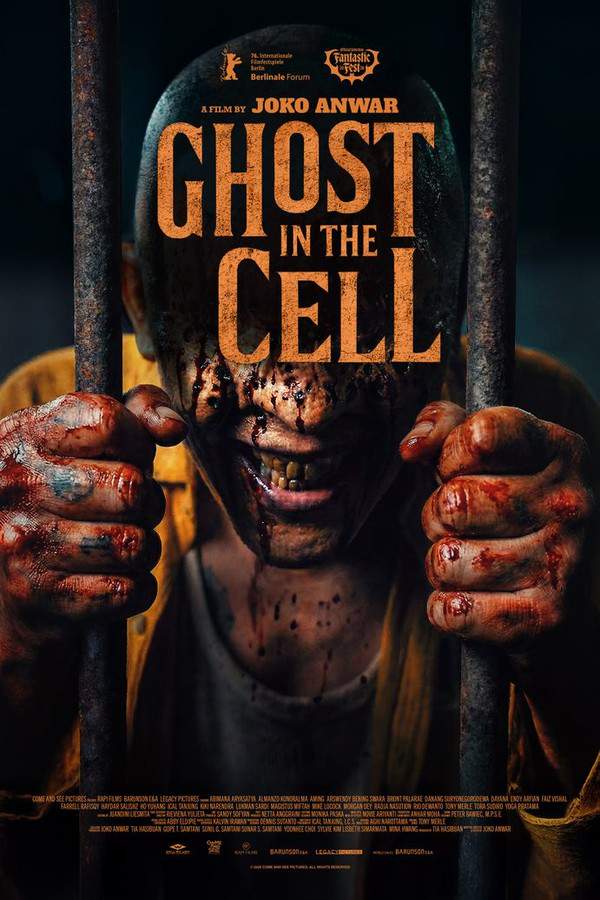
Ghost in the Cell (2026) movie poster

Characters & Themes

Ghost in the Cell (2026) Characters, Setting & Themes Explained

Release, runtime and language
2026 · 1 h 46 m · Indonesian
Directed by
Joko Anwar
Starring
Rio Dewanto, Lukman Sardi, Abimana Aryasatya, Haydar Salishz, Kiki Narendra, Bront Palarae

In a maximum‑security prison ruled by rival gangs and a ruthless warden, a new inmate’s arrival sparks a series of gruesome murders displayed in macabre tableaux. The prisoners must set aside their feuds to uncover an unseen, otherworldly force stalking the cells, as the killings become increasingly grotesque. No one is safe.

On this page (6)
  1. 1 Characters explained (5)
  2. 2 Where & when it takes place
  3. 3 Themes & meaning (3)
  4. 4 Character & meaning questions
  5. 5 Movie threads
  6. 6 Every angle

5 main characters · contains spoilers

Ghost in the Cell Characters Explained: Who Is Who

The main characters of Ghost in the Cell (2026), heroes and villains: what drives them, how they change over the course of the story and what each of them reveals about the film's bigger ideas.

  • Dimas

    played by Endy Arfian

    Dimas, a journalist wrongfully imprisoned for the murder of his boss, finds himself entwined in the supernatural events of the prison. His investigative past into illegal mining connects him to the ghost haunting the inmates, highlighting his moral dilemmas and quest for redemption.

    • 📰 Journalist
    • 🔍 Investigative
  • Anggoro

    played by Abimana Aryasatya

    Anggoro is a defiant inmate who frequently stands up for others, earning him additional prison time. His strong moral compass drives him to unite inmates against the ghost, demonstrating leadership and resilience in face of extreme adversity.

    • 💪 Leader
    • 🤼‍♂️ Resilient
  • Six

    played by Haydar Salishz

    Six is a unique inmate who claims the ability to see ghosts and auras, playing a pivotal role in uncovering the motivations behind the ghost's actions. His character embodies the blend of skepticism and belief, as he navigates the supernatural events unfolding around him.

    • 👁️ Visionary
    • 😊 Empathetic
  • Wildan

    played by Mike Lucock

    Wildan, a devout Muslim inmate, adds a spiritual dimension to the group’s attempts to remain positive and ward off the ghost's attacks. His faith serves as a beacon of hope and strength in their dire circumstances.

    • 🙏 Faith
    • 🎤 Supportive
  • Pendi

    played by Lukman Sardi

    Formerly a professor, Pendi brings wisdom and a contemplative perspective to the group. His knowledge and experiences motivate the other prisoners to collaborate and strategize against the ghost, showcasing the power of intellect in a challenging environment.

    • 📖 Intellectual
    • 🧠 Strategic

Last updated: October 01, 2026 at 14:46

Was this helpful?

Setting

Where and When Does Ghost in the Cell Take Place?

The setting of Ghost in the Cell (2026): the year and time period, the places and locations, and how they shape the characters, the mood and the tension of the story.

Time period

Present day

The film unfolds in contemporary times, reflecting modern societal issues such as corruption, oppression, and the dark realities of illegal mining businesses. The setting portrays a juxtaposition of the harsh prison experience against the backdrop of current events involving crime and injustice.

Location

Borneo, Labuhan Angsana prison

Borneo is known for its lush rainforests and rich biodiversity, but it has also been the site of illegal nickel mining operations leading to tragic worker deaths. Labuhan Angsana prison, a grim facility, is the setting where inmates face oppression from officials and violence from each other, amplifying their struggles.

  • 🏞️ Borneo
  • ⛓️ Prison

Last updated: October 01, 2026 at 14:46

Was this helpful?

3 major themes

Ghost in the Cell Meaning: Themes & Message Explained

What is Ghost in the Cell (2026) really about? The emotional, social and philosophical themes the film keeps returning to, its symbolism and the message beneath the surface.

  • Supernatural

    The presence of a ghost haunting the prison serves as a central theme, representing the unresolved turmoil and violence stemming from the illegal mining operations. The ghost's existence symbolizes the lingering spirits of those wronged, compelling characters to confront their pasts and the reality of their environment.

  • Justice

    This film explores the quest for justice, as characters seek to resolve the injustices of their situations, both within the prison and in relation to the wider societal corruption. Dimas's journey emphasizes the struggle against systemic oppression and the fight to regain one's integrity.

  • Brotherhood

    Amidst the harshness of prison life, camaraderie and solidarity among inmates emerge as key themes. The characters' relationships highlight the importance of unity and support in overcoming adversity, working together to confront both supernatural and systemic challenges.

Last updated: October 01, 2026 at 14:46

Was this helpful?

Character & theme questions

Ghost in the Cell Characters & Meaning: Your Questions Answered

The questions people ask about Ghost in the Cell (2026): who the characters really are, their relationships, what the symbols mean, where it takes place and what the movie is really about. Each answer contains spoilers.

Q1

Where does the story take place?

The story unfolds in Labuhan Angsana, a grim maximum-security prison located in Borneo, Indonesia. The setting deliberately contrasts the region's lush, biodiverse rainforests with the oppressive atmosphere of the facility, where inmates face both official corruption and violence from rival gangs.

  • labuhan angsana
  • borneo
  • prison setting
  • indonesia
  • location
Q2

What time period is the film set in?

Ghost in the Cell is set in contemporary times, grounding its story in modern societal realities rather than a historical or futuristic era. The narrative reflects current issues like systemic corruption, illegal mining, and institutional abuse, giving its supernatural elements a recognizably modern political edge.

  • present day
  • contemporary
  • modern setting
  • time period
Q3

What are the main themes of the movie?

The film weaves together three central themes: the supernatural, justice, and brotherhood. It uses a haunting presence in the prison to symbolize unresolved trauma, follows characters fighting to reclaim integrity against systemic oppression, and highlights how inmates from rival factions must unite to survive a shared threat.

  • themes
  • supernatural
  • justice
  • brotherhood
  • symbolism
Q4

What does the ghost represent in the story?

The ghost haunting the prison symbolizes the lingering spirits of victims killed by illegal nickel mining operations in Borneo. It represents unresolved violence and injustice tied to systemic corruption, forcing the characters to confront not just a supernatural threat but the real-world horrors that gave it form.

  • ghost meaning
  • symbolism
  • mining victims
  • supernatural
  • injustice
Q5

How does the illegal mining subplot connect to the prison story?

Illegal nickel mining in Borneo serves as the backstory that fuels the supernatural events inside the prison. The worker deaths tied to these operations are thematically and causally linked to the macabre killings within the facility, connecting real-world institutional corruption to the horror the inmates face.

  • illegal mining
  • borneo mining
  • nickel mining
  • corruption
  • backstory
Q6

Who is Dimas?

Dimas is a journalist who has been wrongfully imprisoned for the murder of his boss. His past investigations into illegal mining in Borneo tie him directly to the supernatural force haunting the prison, making his arc a fight for survival intertwined with a quest for redemption and justice.

  • dimas
  • endy arfian
  • journalist
  • protagonist
  • wrongfully imprisoned
Q7

Who is Anggoro?

Anggoro is a defiant inmate known for standing up for fellow prisoners, a habit that has repeatedly earned him additional prison time. He emerges as a reluctant leader who unites the inmates against the supernatural threat, embodying resilience, moral courage, and the brotherhood theme at the heart of the film.

  • anggoro
  • abimana aryasatya
  • inmate leader
  • defiant
  • brotherhood
Q8

Who is Six and what is his role?

Six is an inmate who claims the ability to see ghosts and read auras, making him the group's primary interpreter of the supernatural events. He embodies the tension between skepticism and belief, and his insights are essential to understanding the ghost's motivations and origins.

  • six
  • haydar salishz
  • sees ghosts
  • aura reader
  • supernatural role
Q9

Who is Wildan?

Wildan is a devout Muslim inmate whose faith adds a spiritual dimension to the group's struggle against the ghost. His prayers, rituals, and unwavering belief function as a coping mechanism and source of hope, reflecting how personal faith operates as both shield and solace in the face of overwhelming dread.

  • wildan
  • mike lucock
  • muslim inmate
  • faith
  • spiritual
Q10

Who is Pendi?

Pendi is a former professor turned inmate whose academic background brings strategic thinking and contemplative perspective to the group. His knowledge and experience help the prisoners collaborate, analyze clues, and devise plans, showcasing the power of intellect in confronting both supernatural and systemic threats.

  • pendi
  • lukman sardi
  • professor
  • strategist
  • intellect
Q11

What kind of tone does the film have?

Ghost in the Cell carries a predominantly dark and disturbing tone, driven by grotesque violence, supernatural dread, and themes of systemic injustice. Despite its listed comedy genre, humor is sparse and largely ironic, appearing mostly in moments like inmates praying and dancing to ward off death.

  • tone
  • dark
  • horror
  • violence
  • genre blend
Q12

How does the prison setting shape the story?

The Labuhan Angsana prison acts as a pressure cooker that forces rival inmates to set aside their feuds and confront a shared supernatural threat. Its isolation, corrupt wardens, and gang violence create the ideal conditions for horror to unfold while also forging fragile but meaningful bonds of brotherhood among the prisoners.

  • prison setting
  • isolation
  • brotherhood
  • gang violence
  • corrupt wardens

Movie threads

More Movies Like Ghost in the Cell, by Mood & Story

Curated lists built around what makes Ghost in the Cell tick: the same mood, the same kind of story or the same emotional payoff. Each list explains why these movies belong together.

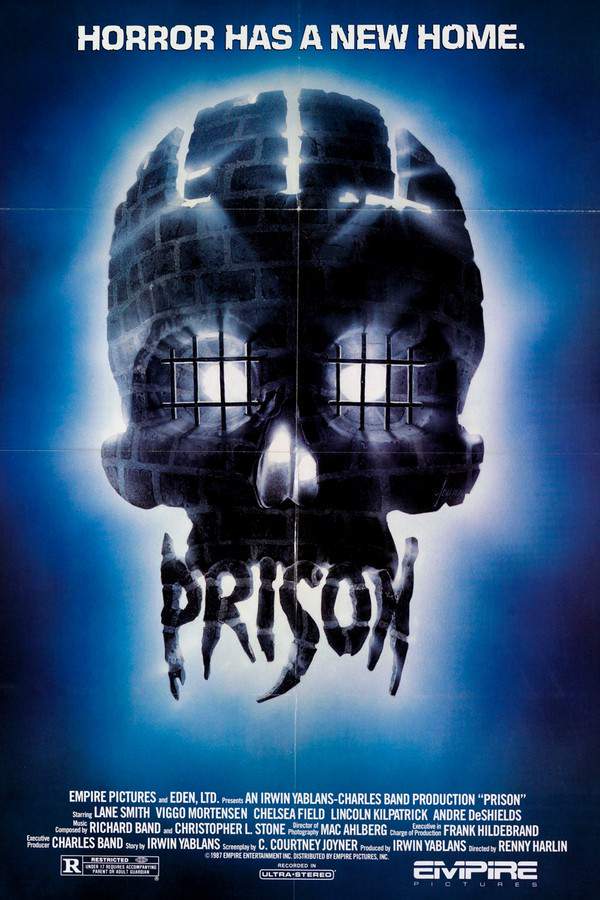
Confined supernatural dread like in Ghost in the Cell

Trapped in one place while something invisible stalks the shadows. Movies like Ghost in the Cell deliver claustrophobic horror set inside inescapable locations where an unseen supernatural force stalks the inmates. If you liked the oppressive prison atmosphere, the escalating macabre violence, and the dread of being trapped with something otherworldly, these films will hit the same nerve. Expect dark, heavy, high-intensity horror with graphic violence and a paranoid mood that never lets up.

  • claustrophobic
  • oppressive
  • paranoid
  • eerie
  • macabre
  • dread-filled
  • Tone: dark, oppressive, paranoid
  • Pacing: variable, tightening dread
Why these movies?

The story pattern: Characters are sealed inside a hostile, often institutional location where rules of the outside world no longer apply. A series of strange, escalating events forces them to realize a hidden, often supernatural, force is targeting them. Trust collapses, alliances form out of necessity, and the narrative builds toward either exposing the threat or escaping with their lives — often at great cost. The confined setting magnifies every scare and forces intimate, desperate character dynamics.

Why they belong together: These films are grouped for their shared sense of physical and psychological confinement, their reliance on an unseen or barely-seen antagonist, and their commitment to grim, graphic horror. They pair institutional or societal pressure (prison, asylum, siege) with supernatural or cosmic dread, producing stories that feel both socially relevant and viscerally terrifying. The pacing tends to tighten as the threat becomes undeniable.

Grotesque murder puzzles like in Ghost in the Cell

A grotesque puzzle where every corpse is a clue no one wants to read. Movies like Ghost in the Cell turn brutal killings into a macabre code that characters must crack before becoming the next victim. If you liked the escalating tableaux, the investigative pressure, and the mix of supernatural dread with systemic corruption, these dark horror films deliver the same unsettling experience. Expect high-intensity, graphic, and heavy stories built around decoding a disturbing killer's signature.

  • macabre
  • investigative
  • grotesque
  • paranoid
  • ritualistic
  • disturbing
  • Tone: dark, grim, investigative
  • Pacing: variable, building investigation
Why these movies?

The story pattern: The story opens with a shocking, stylized killing that sets the rules of the game. As more victims fall in increasingly grotesque or symbolic ways, a small group — often an outsider dropped into a hostile community — realizes the murders form a pattern tied to a deeper injustice, guilt, or supernatural grievance. The narrative alternates between slow investigative deduction and sudden bursts of violent horror, culminating in a confrontation that exposes the rot beneath the community while leaving survival uncertain.

Why they belong together: These films share a focus on ritualized, theatrical violence that functions as a message, and on protagonists who must read that message to stay alive. They blend whodunit structure with horror atmosphere, often layering in social commentary about corruption, guilt, or institutional failure. The emotional register is consistently dark and heavy, with pacing that breathes during clue-gathering and spikes during kill sequences.

Every angle

Ghost in the Cell (2026) Explained: Plot, Timeline & Characters

Everything about Ghost in the Cell in one place: what happens in the plot summary, the timeline in chronological order, the characters and meaning and a spoiler-free summary. What's After the Movie adds the cast, box office and post-credit scenes.

Coming soon on iOS and Android

The Plot Explained Movie Summary App

Plot summaries, endings explained and timelines on your phone. Catch up on any movie in minutes, save your favorites and never miss a twist again.

Be the first to know when we launch. Your email stays private, always.

Learn more about the app