
From the Life of the Marionettes
Year: 1980
Runtime: 104 mins
Language: German
Director: Ingmar Bergman
The film contrasts a dreamlike intimacy with the stark reality of murder. As Peter and Katarina stand at a marital crossroads, he brutally kills a burlesque dancer, dwarfing their domestic quarrels. The narrative then backtracks, sketching the fragile, tense bond between them and probing why a German bourgeois husband would commit such a crime.
Warning: spoilers below!
Haven’t seen From the Life of the Marionettes yet? This summary contains major spoilers. Bookmark the page, watch the movie, and come back for the full breakdown. If you're ready, scroll on and relive the story!
Timeline – From the Life of the Marionettes (1980)
Trace every key event in From the Life of the Marionettes (1980) with our detailed, chronological timeline. Perfect for unpacking nonlinear stories, spotting hidden connections, and understanding how each scene builds toward the film’s climax. Whether you're revisiting or decoding for the first time, this timeline gives you the full picture.
Last updated: October 09, 2025 at 14:43
From the Life of the Marionettes (1980) Timeline Questions Answered – Chronology FAQ
Find frequently asked questions about the From the Life of the Marionettes (1980) timeline, including chronological order, nonlinear jumps, cause-and-effect links, and scene sequence clarifications. This timeline FAQ helps explain when key events happen, how moments connect, and why the story unfolds in that specific order.
Why does Peter kill Ka after learning her real name?
Peter kills Ka when she reveals her real name is Katarina, the same as his wife. This triggers an emotional blackout because Ka represents a mirror of his wife, combining his desires and fears into one person. The name revelation disrupts his psychological state, causing him to lash out violently in a moment of overwhelming emotion.
Earlier, Peter confided to Jensen about homicidal thoughts toward his wife Katarina, hinting at his unstable mental state.
Why does Peter tell Mogens Jensen about his homicidal thoughts?
Peter confides in Mogens Jensen because he is in severe psychological distress and cannot cope with his intrusive thoughts alone. Jensen is his close friend, and Peter likely hoped for understanding or help. This confession shocks Jensen, who later advises Katarina to leave town as a precaution.
The confession foreshadows the actual murder, showing Peter's thoughts had progressed from fantasy to intent.
Why does Katarina ignore Mogens Jensen's warning to leave town?
Katarina dismisses the warning because she views it as impractical and exaggerated. She cites her demanding work schedule and the impossibility of leaving during a busy season. This reflects her character, independent, career-focused, and perhaps in denial about the severity of Peter's psychological state.
Katarina's dismissiveness contrasts with the tragic outcome, showing how warnings went unheeded.
Why does Tim Mandelbaum feel guilty about introducing Peter to Ka?
Tim feels guilty because he introduced Peter to Ka as part of his plan to seduce Peter into an affair. Tim is homosexual and desired Peter, so he arranged the meeting thinking it would draw Peter toward him. Instead, the encounter led to Ka's murder, making Tim blame himself for causing the tragedy.
Tim hesitates when interrogated about his relationship with Peter, hinting at his hidden motives.
Why does Peter contemplate suicide before the murder?
Peter's suicidal thoughts stem from his deep psychological crisis, his inability to reconcile his desires, his violent impulses, and his failing marriage. He considers jumping from a building but is interrupted when Katarina calls a friend to help calm him. This moment shows Peter's fragile mental state before the murder.
The suicide attempt reveals Peter's desperation and sets up his later violent outburst.
Why is Peter confined to a mental institution at the end?
Peter is institutionalized because the murder and necrophilia were deemed results of his psychological collapse. The film ends with him clutching a teddy bear at night, symbolizing his return to a childlike, vulnerable state and his complete inability to cope with what he has become.
The institutionalized ending reflects the psychological deterioration shown throughout the film.
What triggers Peter's emotional blackout with Ka?
Mogens Jensen explains that Peter, shaped by an aggressive mother and then living with an aggressive wife, did not recognize his own repressed homosexuality. Meeting Ka disrupts his carefully maintained routine, and when Ka reveals her name is Katarina, the shock triggers an emotional blackout he cannot recover from, leading to the murder.
Peter's tense relationship with both his mother and wife has been established throughout the film.
Why does the open marriage between Peter and Katarina fail?
The open marriage fails because Peter cannot handle the sexual freedom Katarina desires. While she openly discusses having orgasms, faking them, and leaving to masturbate, Peter feels inadequate and threatened. His insecurity and desire to be the one who satisfies her clash with her independence, creating resentment and deepening his psychological crisis.
The couple's arguments about their open relationship highlight Peter's insecurities before the murder.
What does the teddy bear symbolize at the end of the film?
The teddy bear symbolizes Peter's psychological regression to childhood helplessness. After committing the murder and facing the consequences, he is reduced to clutching a teddy bear at night, an image of vulnerability and complete mental collapse, reinforcing the film's bleak tone about the fragility of the human psyche.
The teddy bear appears in the final scene, capping Peter's descent into isolation.
Why does Ka revealing her name as Katarina shatter Peter?
Ka sharing the name Katarina, identical to Peter's wife, forces him to confront the merging of his desires and fears. She represents both his sexual attraction and his violent impulses toward his wife. The coincidence shatters his fragile psychological barriers, triggering the violent act.
The name revelation is explicitly mentioned as the moment that causes Peter to kill Ka.

Explore Movie Threads
Discover curated groups of movies connected by mood, themes, and story style. Browse collections built around emotion, atmosphere, and narrative focus to easily find films that match what you feel like watching right now.
Psychological Crime Studies like From the Life of the Marionettes
Films that forensically analyze the mental state behind a violent act.If you appreciated the analytical, non-sensationalist approach to violence in From the Life of the Marionettes, you'll find similar films here. These movies, like Psycho and The Silence of the Lambs, prioritize understanding the criminal psyche over traditional thriller plots.

Genealogies of a Crime
1997
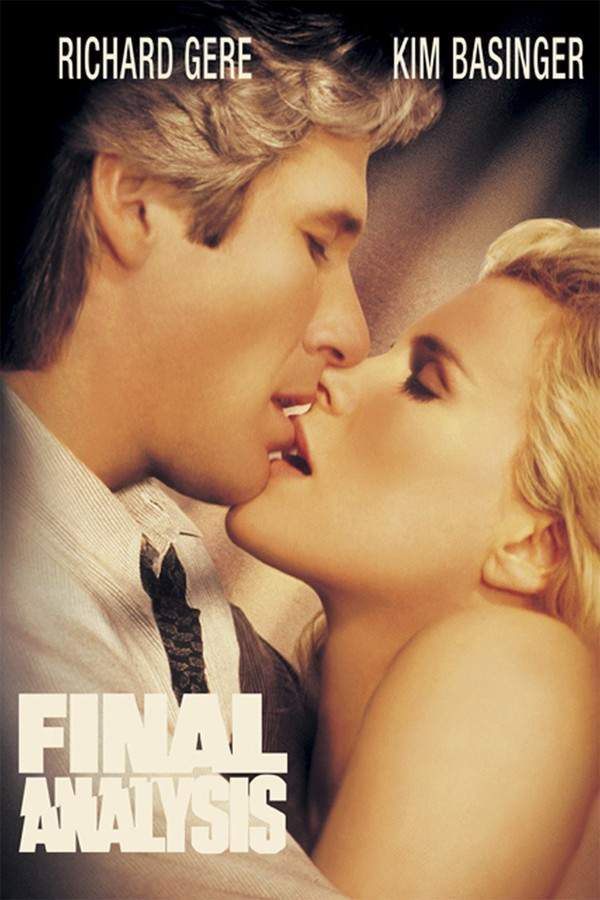
Final Analysis
1992
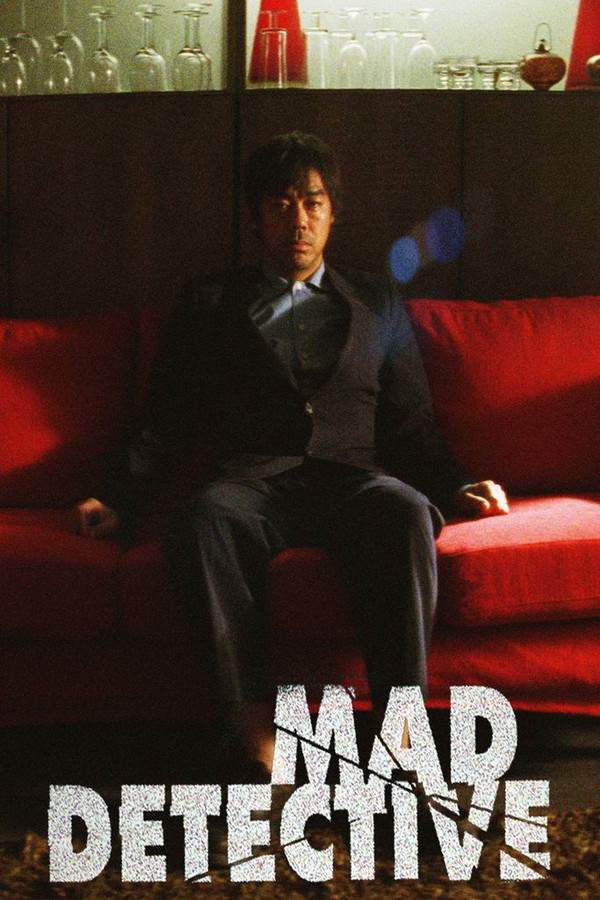
Mad Detective
2008

The Black Dahlia
2006

Homicidal
1961
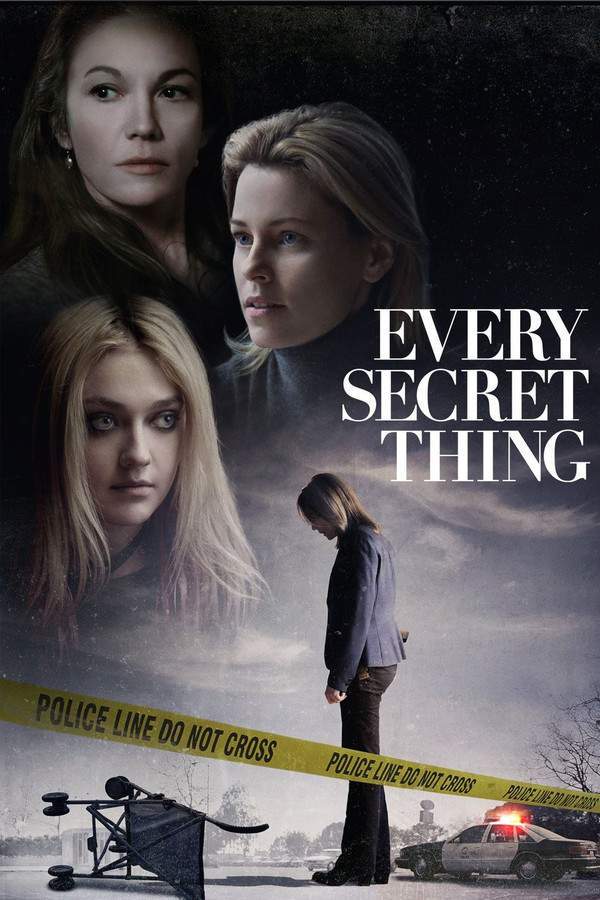
Every Secret Thing
2015

The Untold Story
2019
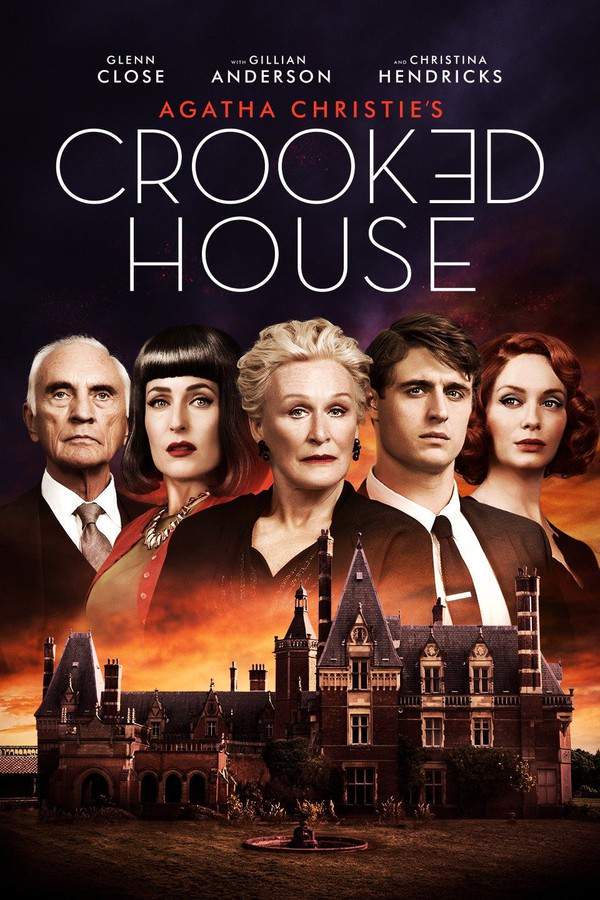
Crooked House
2017

Traces of Red
1992

The Woman in Question
1950

The Oxford Murders
2008

Killer Instinct
2001

City of Lies
2021
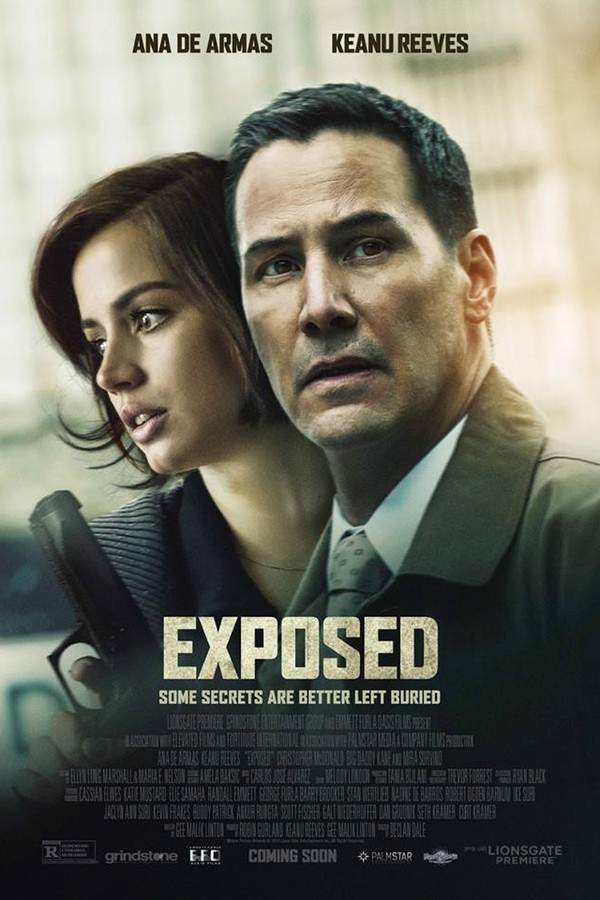
Exposed
2016

Killing for Love
2017
Narrative Summary
The narrative pattern often begins with or revolves around a horrific act, but the plot is not a whodunit. Instead, it's a 'whydunit', using nonlinear timelines, interviews, and flashbacks to build a clinical portrait of a psyche in collapse, focusing on motive and mental deterioration.
Why These Movies?
Movies in this thread share a methodical, almost academic approach to violence. They are united by a bleak tone, complex structure, and heavy emotional weight, creating a cohesive experience for viewers interested in the psychological roots of crime.
Bourgeois Psychodramas with themes like From the Life of the Marionettes
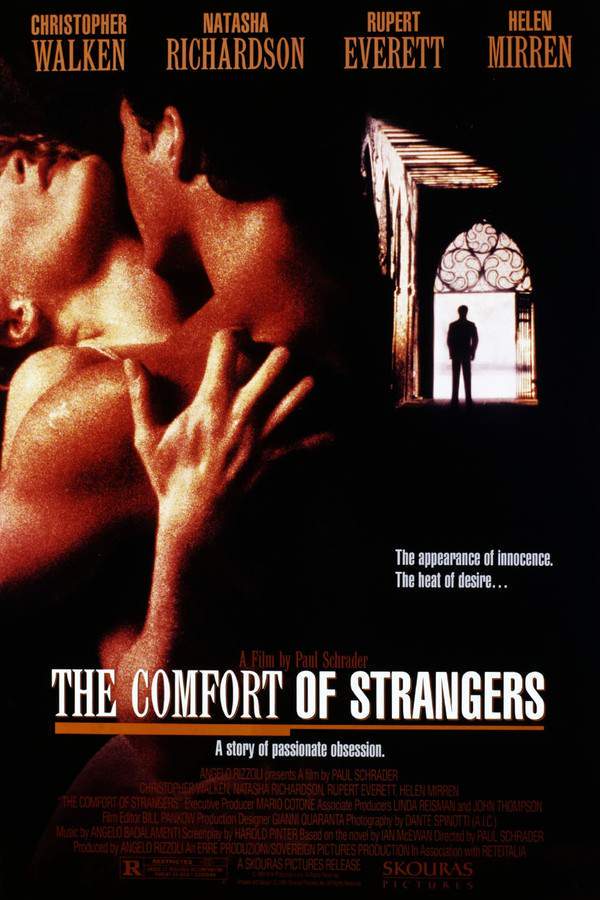
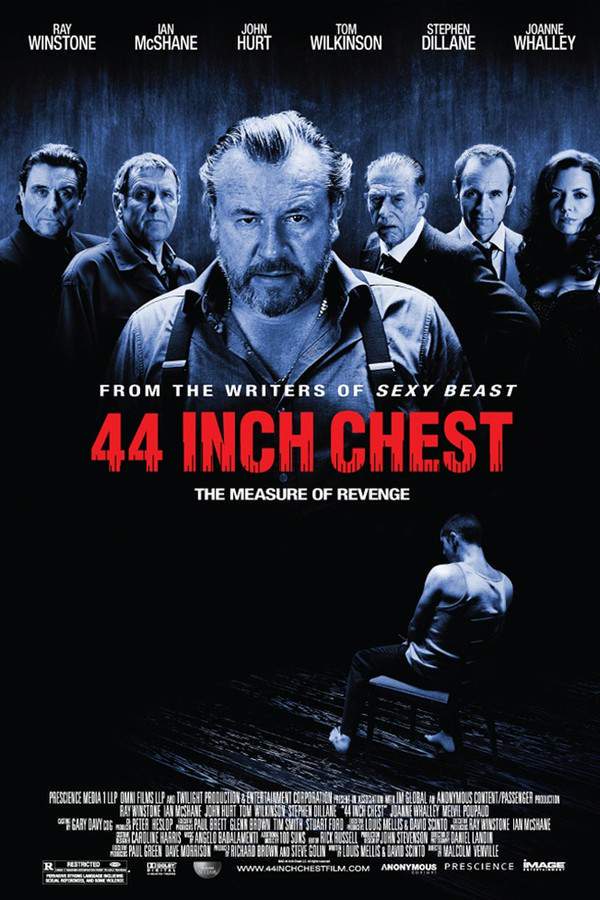
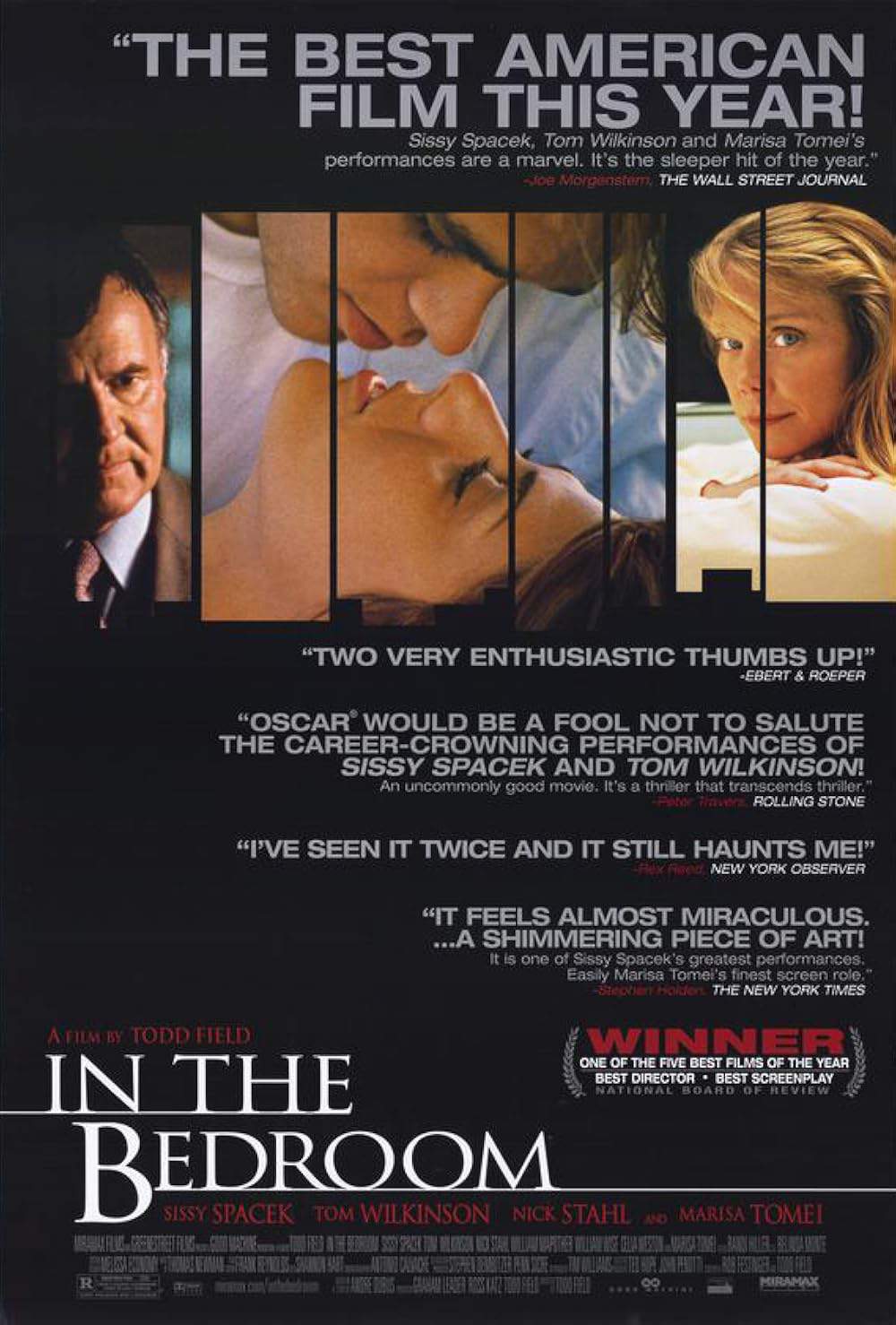
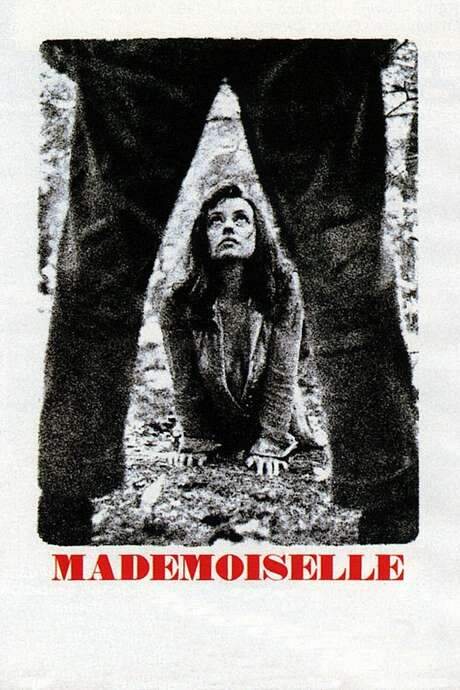
Stories of existential despair within sterile, affluent environments.For viewers who found the themes of marital crisis and alienation within a bourgeois setting compelling in From the Life of the Marionettes. These similar movies, such as Bergman's Scenes from a Marriage or Haneke's films, explore the suffocating pressure of privileged life.







Narrative Summary
The narratives focus on characters who have achieved material success but suffer from profound spiritual and emotional emptiness. The conflict is internal and interpersonal, leading to a gradual or sudden psychological unraveling, often depicted through slow-burn pacing and intense, intimate drama.
Why These Movies?
These films are connected by their specific thematic focus on bourgeois alienation, their oppressive mood, and their slow, introspective pacing. They create a coherent vibe of clinical observation of existential crisis in a world devoid of warmth.
Unlock the Full Story of From the Life of the Marionettes
Don't stop at just watching - explore From the Life of the Marionettes in full detail. From the complete plot summary and scene-by-scene timeline to character breakdowns, thematic analysis, and a deep dive into the ending - every page helps you truly understand what From the Life of the Marionettes is all about. Plus, discover what's next after the movie.
From the Life of the Marionettes Summary
Read a complete plot summary of From the Life of the Marionettes, including all key story points, character arcs, and turning points. This in-depth recap is ideal for understanding the narrative structure or reviewing what happened in the movie.

Characters, Settings & Themes in From the Life of the Marionettes
Discover the characters, locations, and core themes that shape From the Life of the Marionettes. Get insights into symbolic elements, setting significance, and deeper narrative meaning - ideal for thematic analysis and movie breakdowns.


Similar Movies to From the Life of the Marionettes
Discover movies like From the Life of the Marionettes that share similar genres, themes, and storytelling elements. Whether you’re drawn to the atmosphere, character arcs, or plot structure, these curated recommendations will help you explore more films you’ll love.

M
2018

Warsaw Bridge
1990
Angst
2003

Each Other
2021

Married People, Single Sex
1994

Fine Manners
1978

33 Scenes from Life
2008

Marianne Bouquet
1972
Pigsty
1969

The Killer of Dolls
1975

Killed the Family and Went to the Movies
1969

Deadly Maria
1993

Life Is to Whistle
1998
Charlotte
1974

Of Freaks and Men
1998
Explore More About Movie From the Life of the Marionettes
From the Life of the Marionettes (1980) Plot Summary & Movie Recap
From the Life of the Marionettes (1980) Scene-by-Scene Movie Timeline
From the Life of the Marionettes (1980) Spoiler-Free Summary & Key Flow
Movies Like From the Life of the Marionettes – Similar Titles You’ll Enjoy
M (2018) Movie Recap & Themes
Warsaw Bridge (1990) Complete Plot Breakdown
Angst (2003) Ending Explained & Film Insights
Each Other (2021) Detailed Story Recap
Married People, Single Sex (1994) Complete Plot Breakdown
Fine Manners (1978) Detailed Story Recap
33 Scenes from Life (2008) Ending Explained & Film Insights
Marianne Bouquet (1972) Story Summary & Characters
Pigsty (1969) Plot Summary & Ending Explained
The Killer of Dolls (1975) Ending Explained & Film Insights
Killed the Family and Went to the Movies (1969) Full Movie Breakdown
Deadly Maria (1993) Full Summary & Key Details
Life Is to Whistle (1998) Ending Explained & Film Insights
Charlotte (1974) Complete Plot Breakdown
Of Freaks and Men (1998) Ending Explained & Film Insights