
From the Life of the Marionettes
Year: 1980
Runtime: 104 mins
Language: German
Director: Ingmar Bergman
The film contrasts a dreamlike intimacy with the stark reality of murder. As Peter and Katarina stand at a marital crossroads, he brutally kills a burlesque dancer, dwarfing their domestic quarrels. The narrative then backtracks, sketching the fragile, tense bond between them and probing why a German bourgeois husband would commit such a crime.
Warning: spoilers below!
Haven’t seen From the Life of the Marionettes yet? This summary contains major spoilers. Bookmark the page, watch the movie, and come back for the full breakdown. If you're ready, scroll on and relive the story!
From the Life of the Marionettes (1980) – Full Plot Summary & Ending Explained
Read the complete plot breakdown of From the Life of the Marionettes (1980), including all key story events, major twists, and the ending explained in detail. Discover what really happened—and what it all means.
Peter Egermann visits a Munich prostitute named Ka and, in a moment of shocking violence, murders her, followed by an act of necrophilia that becomes the center of a grueling investigation. The coroner’s questions probe the lives of Peter’s circle, searching for a motive or a hidden pattern that could explain such a crime. The drama unfolds through the testimonies and reactions of those who knew him, painting a portrait of a man whose private world is tangled with desire, fear, and a startling lack of self-awareness.
Peter is married to career-driven Katarina Krafft, a woman with no children and a taste for independence that often pushes the couple into unorthodox territory. Peter had confided in Mogens Jensen that he was plagued by homicidal thoughts aimed at Katarina, a confession that shocked Jensen. He told the coroner that he believed these thoughts were unlikely to become reality, and he advised Katarina to leave town—advice she dismissed, noting her demanding schedule and the impossibility of a sudden departure during a busy season.
Before the murder, Peter contemplated suicide by leaping from a building, a plan interrupted when Katarina called a friend to diffuse the crisis. He returned indoors and the couple quarrelled, their relationship laid bare as they discussed an open arrangement that Katarina openly sought to explore with other lovers. Peter claimed that he was the one who knew how to satisfy Katarina, while she candidly admitted that their bedroom has seen orgasms, faked ones, and even moments when she left to masturbate, followed by periods of small convulsions. The tension between desire, power, and fear threads through these intimate details, revealing a man who feels displaced within his own marriage.
The interrogator then turns to Tim Mandelbaum, a business partner of Katarina and a close friend within their circle. Tim, who identifies as homosexual, hesitates when asked about any affair with Peter, and ultimately confesses that he did indeed have desires for Peter and carries a guilty conscience for introducing Peter to Ka. Tim explains that his sexuality has made him blame his circumstances for bringing Peter and Ka together, and he reveals a calculated idea to draw Peter toward him.
The narrative reaches a grim milestone when Peter meets Ka at a Munich peep show, and Ka reveals her real name—Katarina—the very name of Peter’s wife. Overcome with emotion, Peter tears up and kills Ka in a moment that seals the tragedy. Mogens Jensen offers an interpretation: Peter, shaped by an aggressive mother and then living with an equally aggressive wife, did not recognize his own latent homosexuality, and meeting Ka disrupted his carefully maintained routine, triggering an emotional blackout that he could not recover from.
Ultimately, the story closes on Peter’s fate: he is confined to a mental institution, where, at night, he clutches a teddy bear as he tries to come to terms with what he has become. The film lingers on the difficult questions of desire, identity, and the fragility of the human psyche, inviting the viewer to consider how a single act can ripple through a life and leave lasting, haunting consequences.
Last Updated: October 09, 2025 at 14:43

Explore Movie Threads
Discover curated groups of movies connected by mood, themes, and story style. Browse collections built around emotion, atmosphere, and narrative focus to easily find films that match what you feel like watching right now.
Psychological Crime Studies like From the Life of the Marionettes
Films that forensically analyze the mental state behind a violent act.If you appreciated the analytical, non-sensationalist approach to violence in From the Life of the Marionettes, you'll find similar films here. These movies, like Psycho and The Silence of the Lambs, prioritize understanding the criminal psyche over traditional thriller plots.

Killing for Love
2017

The Black Dahlia
2006
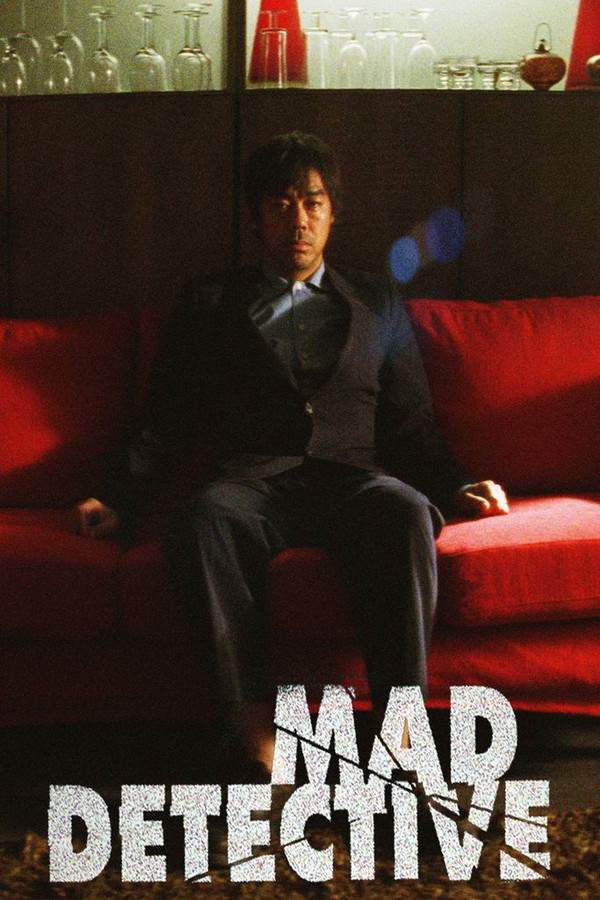
Mad Detective
2008
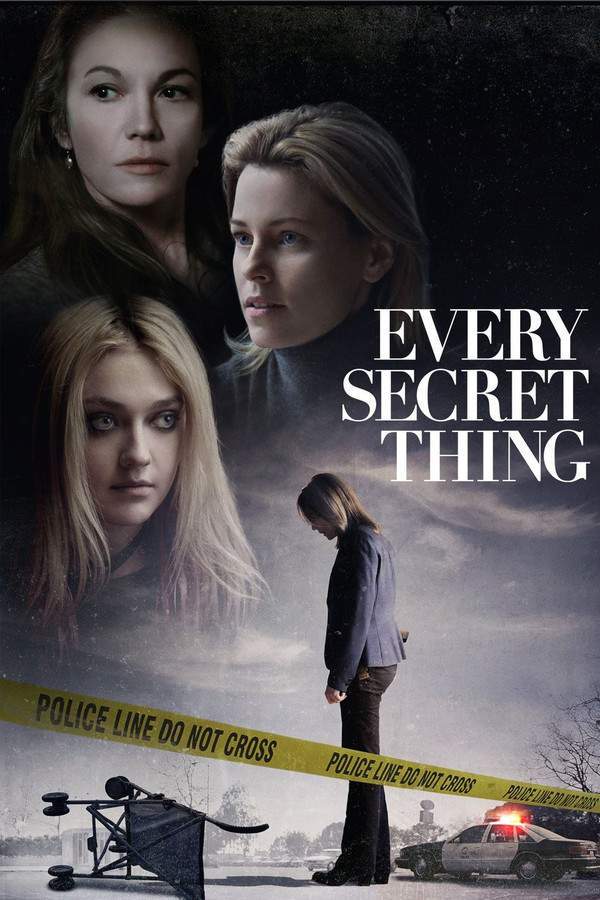
Every Secret Thing
2015

City of Lies
2021
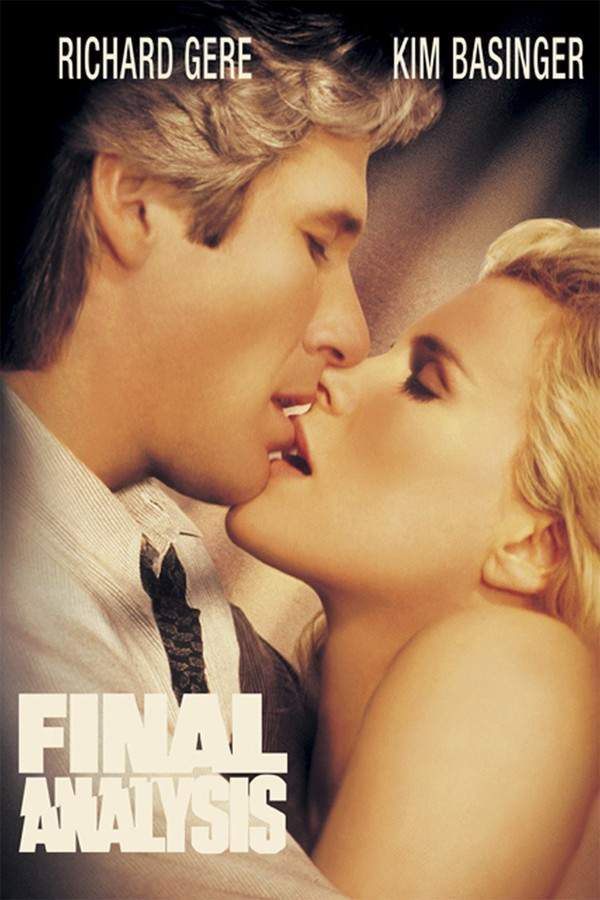
Final Analysis
1992
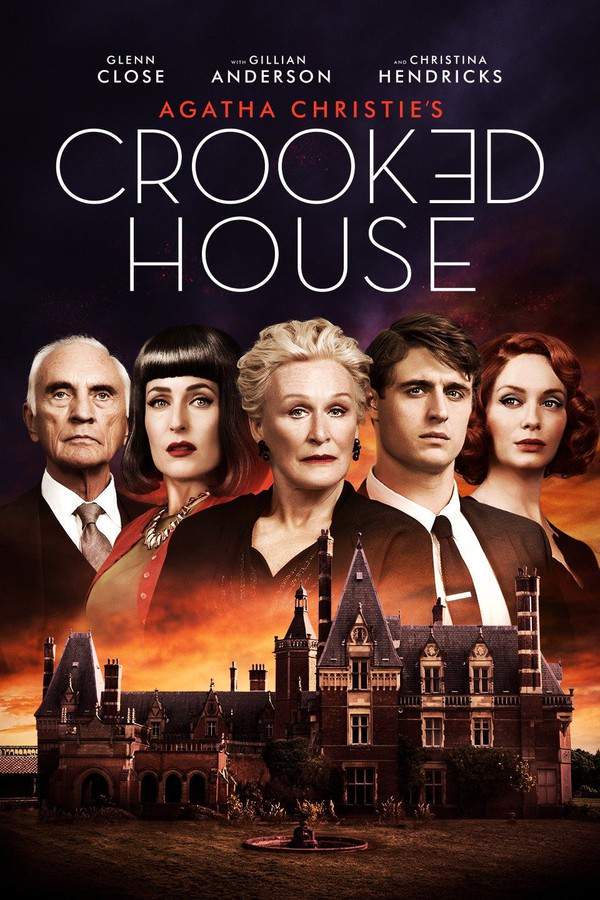
Crooked House
2017

Exposed
2016

The Untold Story
2019

Killer Instinct
2001

Traces of Red
1992

Homicidal
1961

The Oxford Murders
2008

Genealogies of a Crime
1997

The Woman in Question
1950
Narrative Summary
The narrative pattern often begins with or revolves around a horrific act, but the plot is not a whodunit. Instead, it's a 'whydunit', using nonlinear timelines, interviews, and flashbacks to build a clinical portrait of a psyche in collapse, focusing on motive and mental deterioration.
Why These Movies?
Movies in this thread share a methodical, almost academic approach to violence. They are united by a bleak tone, complex structure, and heavy emotional weight, creating a cohesive experience for viewers interested in the psychological roots of crime.
Bourgeois Psychodramas with themes like From the Life of the Marionettes
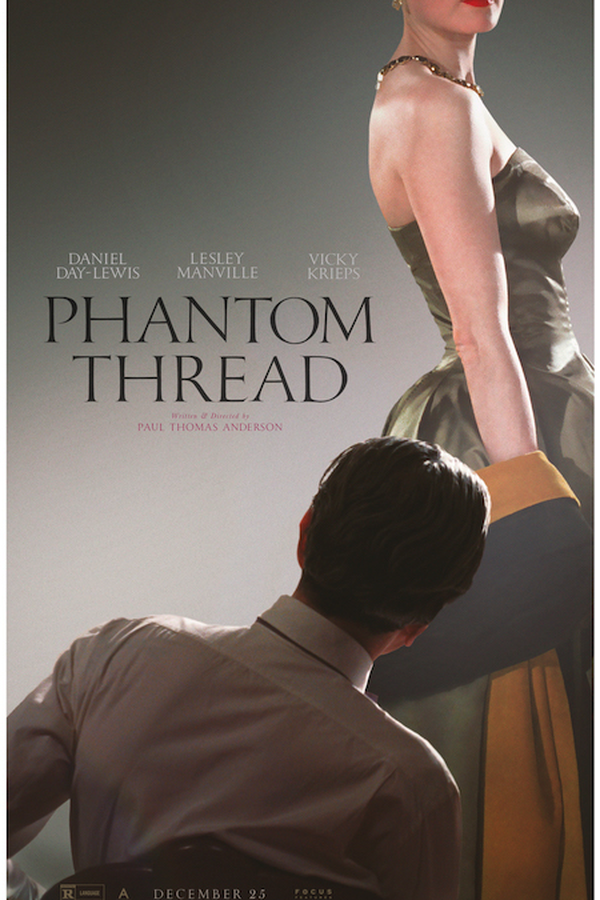
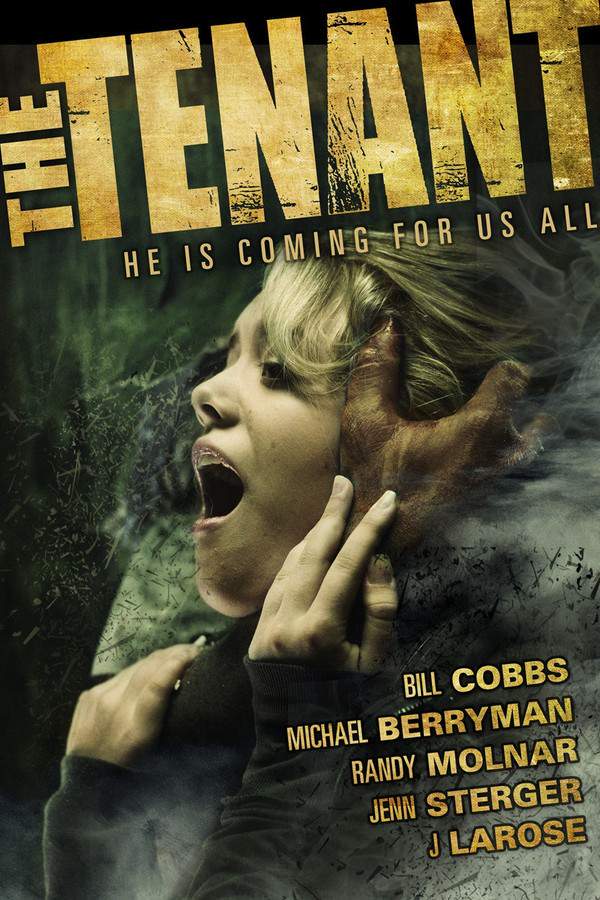
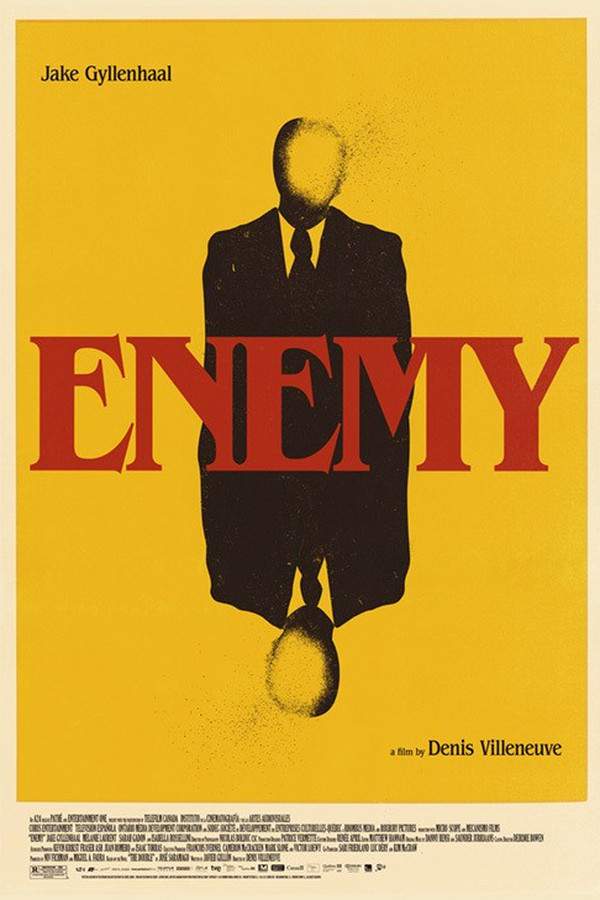
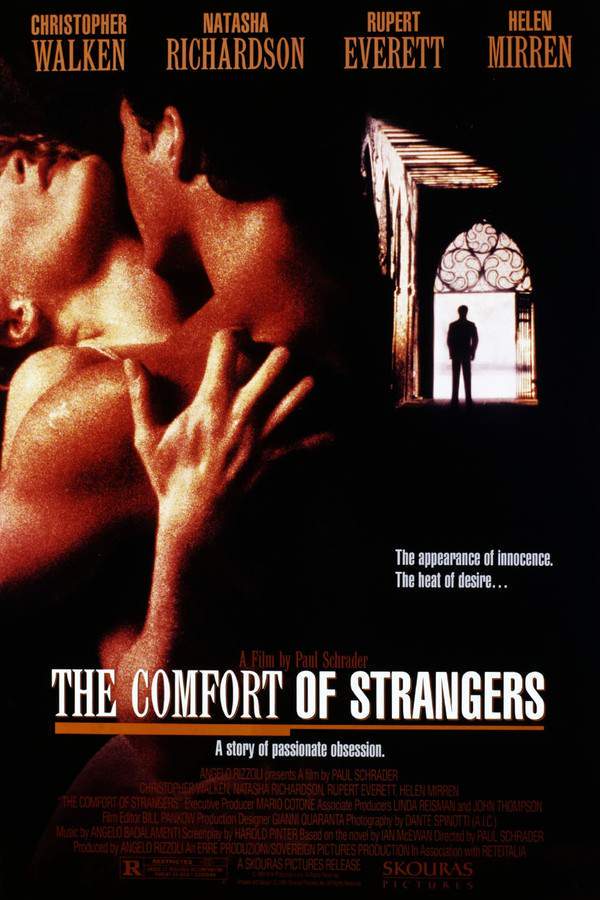
Stories of existential despair within sterile, affluent environments.For viewers who found the themes of marital crisis and alienation within a bourgeois setting compelling in From the Life of the Marionettes. These similar movies, such as Bergman's Scenes from a Marriage or Haneke's films, explore the suffocating pressure of privileged life.









Narrative Summary
The narratives focus on characters who have achieved material success but suffer from profound spiritual and emotional emptiness. The conflict is internal and interpersonal, leading to a gradual or sudden psychological unraveling, often depicted through slow-burn pacing and intense, intimate drama.
Why These Movies?
These films are connected by their specific thematic focus on bourgeois alienation, their oppressive mood, and their slow, introspective pacing. They create a coherent vibe of clinical observation of existential crisis in a world devoid of warmth.
Unlock the Full Story of From the Life of the Marionettes
Don't stop at just watching — explore From the Life of the Marionettes in full detail. From the complete plot summary and scene-by-scene timeline to character breakdowns, thematic analysis, and a deep dive into the ending — every page helps you truly understand what From the Life of the Marionettes is all about. Plus, discover what's next after the movie.
From the Life of the Marionettes Timeline
Track the full timeline of From the Life of the Marionettes with every major event arranged chronologically. Perfect for decoding non-linear storytelling, flashbacks, or parallel narratives with a clear scene-by-scene breakdown.

Characters, Settings & Themes in From the Life of the Marionettes
Discover the characters, locations, and core themes that shape From the Life of the Marionettes. Get insights into symbolic elements, setting significance, and deeper narrative meaning — ideal for thematic analysis and movie breakdowns.



Similar Movies to From the Life of the Marionettes
Discover movies like From the Life of the Marionettes that share similar genres, themes, and storytelling elements. Whether you’re drawn to the atmosphere, character arcs, or plot structure, these curated recommendations will help you explore more films you’ll love.
Married Life
2008

Marionette
2019

The Story of Marie and Julien
2003
Angst
2003

The Marriage of Maria Braun
1979

Married People, Single Sex
1994

Fine Manners
1978

Marie, the Doll
1976

33 Scenes from Life
2008

Marianne Bouquet
1972

Deadly Maria
1993

Life Is to Whistle
1998

Marcel!
2022
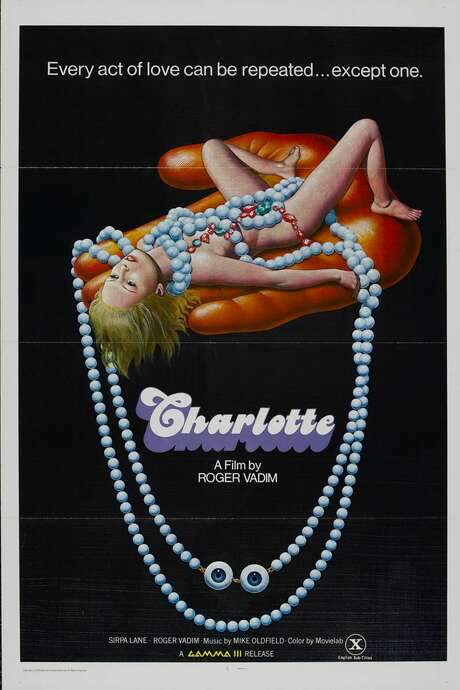
Charlotte
1974

Of Freaks and Men
1998
Explore More About Movie From the Life of the Marionettes
From the Life of the Marionettes (1980) Scene-by-Scene Movie Timeline
From the Life of the Marionettes (1980) Movie Characters, Themes & Settings
From the Life of the Marionettes (1980) Spoiler-Free Summary & Key Flow
Movies Like From the Life of the Marionettes – Similar Titles You’ll Enjoy
Married Life (2008) Detailed Story Recap
Marionette (2019) Film Overview & Timeline
The Story of Marie and Julien (2003) Story Summary & Characters
Angst (2003) Movie Recap & Themes
The Marriage of Maria Braun (1979) Movie Recap & Themes
Married People, Single Sex (1994) Detailed Story Recap
Fine Manners (1978) Plot Summary & Ending Explained
Marie, the Doll (1976) Plot Summary & Ending Explained
33 Scenes from Life (2008) Full Summary & Key Details
Marianne Bouquet (1972) Film Overview & Timeline
Deadly Maria (1993) Complete Plot Breakdown
Life Is to Whistle (1998) Plot Summary & Ending Explained
Marcel! (2022) Detailed Story Recap
Charlotte (1974) Complete Plot Breakdown
Of Freaks and Men (1998) Plot Summary & Ending Explained