
Fly me to the Saitama
Year: 2019
Runtime: 106 mins
Language: Japanese
Director: Hideki Takeuchi
People from Saitama Prefecture face discrimination and conceal their origins. In Tokyo, Momomi Hakuhodo, a high school student and the son of the city's governor, lives a complex life, as he physically appears female. His life takes a turn when he encounters Rei Asami, a mysterious transfer student. Drawn to each other, they navigate a budding connection complicated by the fact that Rei is originally from Saitama Prefecture, forcing them to confront prejudice and hidden identities.
Warning: spoilers below!
Haven’t seen Fly me to the Saitama yet? This summary contains major spoilers. Bookmark the page, watch the movie, and come back for the full breakdown. If you're ready, scroll on and relive the story!
Timeline – Fly me to the Saitama (2019)
Trace every key event in Fly me to the Saitama (2019) with our detailed, chronological timeline. Perfect for unpacking nonlinear stories, spotting hidden connections, and understanding how each scene builds toward the film’s climax. Whether you're revisiting or decoding for the first time, this timeline gives you the full picture.
Last updated: October 01, 2025 at 13:06
Fly me to the Saitama (2019) Timeline Questions Answered – Chronology FAQ
Find frequently asked questions about the Fly me to the Saitama (2019) timeline, including chronological order, nonlinear jumps, cause-and-effect links, and scene sequence clarifications. This timeline FAQ helps explain when key events happen, how moments connect, and why the story unfolds in that specific order.
Why does Momomi appear female despite being male?
Momomi Dannoura is the son of the Tokyo governor but physically appears female. This is a key aspect of his complex identity that shapes his life in Tokyo and his connection to Rei. His appearance creates both personal tension and allows him to navigate the social hierarchy in a unique way, eventually becoming a uniting figure for the Saitama resistance.
What is the Z Class at Hakuhodo High School?
The Z Class refers to students from Saitama Prefecture who live in a makeshift hut off the main campus grounds at Hakuhodo High School. These marginalized students represent the Saitama underclass within Tokyo's elite educational system. Rei Asami notably reaches out to help them, offering recognition and support that the Tokyo elites rarely provide.
The radio drama early on establishes Saitama students as an underclass, setting up the Z Class introduction.
Why does Tokyo look down on Saitama in the movie?
The film satirizes real-world regional prejudice by portraying deep-seated discrimination against Saitama residents. Tokyo characters view Saitama as inferior, and Saitama residents themselves internalize this bias, evident when Aimi's parents worry about her moving to Tokyo after marriage. The prejudice drives the entire liberation narrative.
How does Rei Asami become a secret agent for Saitama?
Rei Asami is revealed to be a secret agent for the Saitama Liberation Front, sent to infiltrate Tokyo's ruling circles by posing as a transfer student at Hakuhodo High School. His time in America and charming demeanor allow him to blend in with Tokyo elites while gathering intelligence and supporting the Saitama resistance movement.
Rei's unusual willingness to help the Z Class hints at his true allegiances from the start.
What causes Rei to flee Tokyo?
Rei is forced to flee Tokyo after Momomi's family butler Akutsu uncovers his true identity as a Saitama Liberation Front operative. Realizing his cover is blown and facing danger from the Tokyo elite, Rei escapes back to Saitama to join the active liberation movement rather than continue his infiltration.
Momomi's growing feelings for Rei and Akutsu's suspicious observations build toward this reveal.
What is the conflict between Saitama and Chiba liberation fronts?
The Saitama Liberation Front and Chiba Liberation Front initially clash across the Edogawa River near Nagareyama Bridge, representing different regional factions with separate agendas. Akutsu is revealed to have dual allegiance, connected to Chiba while pandering to Tokyo. This conflict symbolizes the broader regional divide before they unite against common enemies.
How does the gold discovery on Mount Akagi help the resistance?
Momomi discovers a hidden stash of gold bars on Mount Akagi in Gunma Prefecture that were illegally amassed by past Tokyo governors. This treasure provides crucial funding to shift the power balance and enables the previously divided regional fronts to unite their forces for the assault on Tokyo.
What is the Japan Saitamaization Plan?
In the finale, Rei and Momomi initiate Duke Saitama's Japan Saitamaization Plan, a strategy to quietly spread Saitama's unassuming culture across Japan. Rather than military conquest, this plan uses cultural infiltration and soft power to reshape the national cultural landscape, representing a shift from rebellion to long-term cultural influence.
Why does Akutsu betray the Saitama Liberation Front?
Akutsu is revealed to be a member of the Chiba Liberation Front with hidden hostility toward the Saitama movement. While peddling influence in Tokyo, he works against Saitama's interests. His dual allegiance creates tension until the regional fronts eventually unite against their common Tokyo enemies.
How does Momomi's father lose power?
Rei and Momomi expose Momomi's father's own plot to maintain Saitama under Tokyo's control. Once his scheme is revealed, he is removed from authority, marking a decisive turning point that weakens the Tokyo elite's grip and accelerates Saitama's liberation. Momomi's position within his own family becomes crucial to the political shift.

Explore Movie Threads
Discover curated groups of movies connected by mood, themes, and story style. Browse collections built around emotion, atmosphere, and narrative focus to easily find films that match what you feel like watching right now.
Satirical rebellion movies like Fly me to the Saitama
Stories where quirky characters use humor and absurdity to topple ridiculous societal norms.If you enjoyed the absurdist humor and quirky social commentary of Fly me to the Saitama, you'll find more movies like it here. These films combine whimsical satire with lighthearted plots of rebellion, where characters confront societal absurdities in clever and entertaining ways.

Polite Society
2023

Good Mourning
2022

Delta Farce
2007

The Ridiculous 6
2015

Nerdland
2016

Up the Academy
1980

Repo Chick
2011

Ricky Stanicky
2024

Mortadelo & Filemon: Mission Implausible
2014

Gandarrapiddo!: The Revenger Squad
2017

Emergency Act 19
2002
Fly me to the Saitama
2019

Mutiny on the Buses
1972

Repo Chick
2009

Rebel High
1987
Narrative Summary
Stories in this thread typically follow an underdog or group of outsiders who identify a ridiculous but entrenched societal rule or prejudice. They devise an unconventional, often absurd, plan to expose and overturn this system. The journey is filled with humorous mishaps, eccentric allies, and satirical jabs at authority, culminating in a triumphant victory that feels both satisfying and playful.
Why These Movies?
These movies are grouped together because they share a unique blend of satirical content, a whimsical and lighthearted tone, and a core narrative of rebellion. They prioritize clever humor and entertainment while still making a thoughtful point, creating a consistently fun and upbeat viewing experience.
Movies with secret identity romance like Fly me to the Saitama
Budding romances complicated by hidden origins, secret pasts, and societal expectations.Fans of the romantic tension between Rei and Momomi in Fly me to the Saitama will enjoy these movies. Discover similar stories where hidden origins and secret identities create charming obstacles and comedic tension in developing relationships, without heavy drama.

Head Over Heels
2001

Somebody I Used to Know
2023

The Truth About Cats & Dogs
1996

A Case of You
2013

Can You Keep a Secret?
2019

The Secret of My Succe$s
1987

Secret Admirer
1985

Our Little Secret
2024

My Girlfriend’s Boyfriend
2010

The Romancing Star
1987

Lucky Partners
1940

Can You Keep a Secret?
2008

It Should Happen to You
1954

Indiscreet
1958

Tonight or Never
1931
Narrative Summary
The narrative pattern involves two characters drawn to each other, but a secret—such as a hidden background, a disguised persona, or a forbidden status—threatens their connection. The plot revolves around the comedic and tense moments of almost-discovery, the internal struggle of whether to reveal the truth, and the eventual confrontation that tests the strength of their bond, usually leading to a happy resolution.
Why These Movies?
Movies in this thread are united by their focus on a romance that is intrinsically linked to a secret. They share a specific dynamic where attraction is filtered through the lens of deception and revelation, creating a mix of light tension, comedic situations, and heartfelt connection that defines their core appeal.
Unlock the Full Story of Fly me to the Saitama
Don't stop at just watching - explore Fly me to the Saitama in full detail. From the complete plot summary and scene-by-scene timeline to character breakdowns, thematic analysis, and a deep dive into the ending - every page helps you truly understand what Fly me to the Saitama is all about. Plus, discover what's next after the movie.
Fly me to the Saitama Summary
Read a complete plot summary of Fly me to the Saitama, including all key story points, character arcs, and turning points. This in-depth recap is ideal for understanding the narrative structure or reviewing what happened in the movie.

Characters, Settings & Themes in Fly me to the Saitama
Discover the characters, locations, and core themes that shape Fly me to the Saitama. Get insights into symbolic elements, setting significance, and deeper narrative meaning - ideal for thematic analysis and movie breakdowns.


Similar Movies to Fly me to the Saitama
Discover movies like Fly me to the Saitama that share similar genres, themes, and storytelling elements. Whether you’re drawn to the atmosphere, character arcs, or plot structure, these curated recommendations will help you explore more films you’ll love.
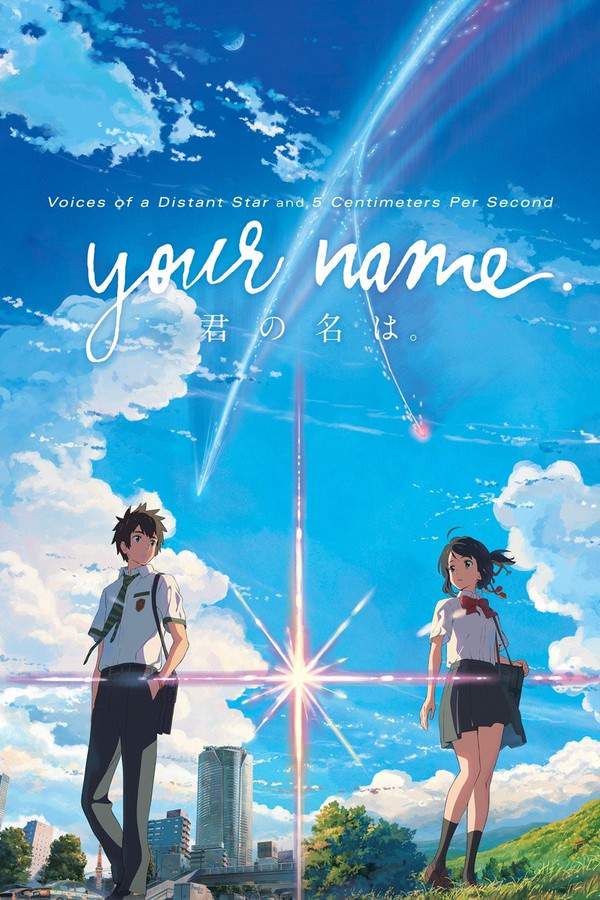
Your Name.
2017

Big Man Japan
2009

Samurai Sensei
2017

Saki
2017

Sukeban Boy
2006

HANA-KIMI
1000

Adrift in Tokyo
2007

Fly, Daddy, Fly
2005

Sailor Suit and Machine Gun
1000

Sailor Suit and Machine Gun
1981

Heroines Run the Show
1000

Sasaki and Miyano
1000

School in the Crosshairs
1981

Fly Me to the Saitama: From Biwa Lake with Love
2023

Fly On
2023
Explore More About Movie Fly me to the Saitama
Fly me to the Saitama (2019) Plot Summary & Movie Recap
Fly me to the Saitama (2019) Scene-by-Scene Movie Timeline
Fly me to the Saitama (2019) Spoiler-Free Summary & Key Flow
Movies Like Fly me to the Saitama – Similar Titles You’ll Enjoy
Your Name. (2017) Complete Plot Breakdown
Big Man Japan (2009) Full Movie Breakdown
Samurai Sensei (2017) Plot Summary & Ending Explained
Saki (2017) Plot Summary & Ending Explained
Sukeban Boy (2006) Full Summary & Key Details
HANA-KIMI (1000) Movie Recap & Themes
Adrift in Tokyo (2007) Plot Summary & Ending Explained
Fly, Daddy, Fly (2005) Film Overview & Timeline
Sailor Suit and Machine Gun (1000) Spoiler-Packed Plot Recap
Sailor Suit and Machine Gun (1981) Spoiler-Packed Plot Recap
Heroines Run the Show (1000) Ending Explained & Film Insights
Sasaki and Miyano (1000) Full Movie Breakdown
School in the Crosshairs (1981) Film Overview & Timeline
Fly Me to the Saitama: From Biwa Lake with Love (2023) Story Summary & Characters
Fly On (2023) Plot Summary & Ending Explained