


Plot Explained Spoilers guaranteed!
Plot Explained

Browse by genre

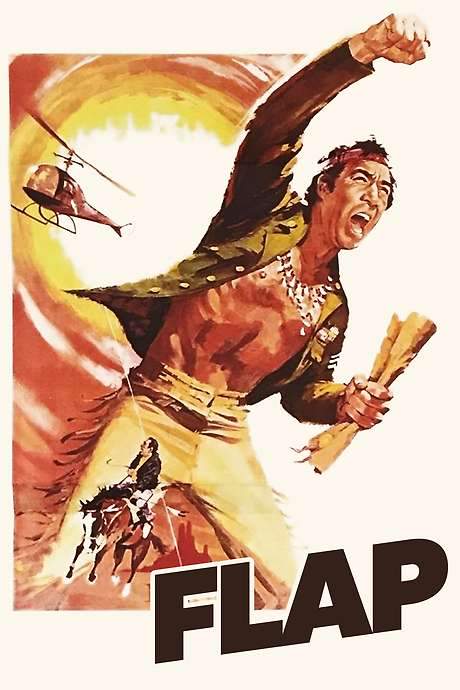
Flap (1970) movie poster

Timeline

Flap (1970) Timeline Explained – Every Event in Order

Release, runtime and language
1970 · 106 mins · English
Directed by
Carol Reed
Starring
Claude Akins, Anthony Quinn, Shelley Winters, Victor Jory, Tony Bill, Victor French

A warning to the mayor: FLAP is coming! The Indians have already claimed Alcatraz, and City Hall could be next. This comedy satirizes the challenges faced by contemporary Native Americans living on reservations, blending humor with social commentary.

On this page (6)
  1. 1 Where to watch
  2. 2 Events in order (11)
  3. 3 Timeline questions answered
  4. 4 Movie threads
  5. 5 Movies like Flap
  6. 6 Every angle

Where to watch

Where to Watch Flap (1970)

Where can you watch Flap? Stream, rent or buy it in the US, including on Amazon Video and Apple TV Store: current JustWatch availability with up-to-date prices.

Streaming availability powered by JustWatch

11 events in order · contains spoilers

Flap Timeline: Events in Chronological Order

Every key event of Flap (1970) in order, scene by scene, with when and where it takes place. Use it to untangle flashbacks, time jumps and parallel storylines, to refresh your memory before the sequel or to find the exact scene you are thinking of.

  1. Flap's life on the reservation

    Flap lives on a Southwestern Indian reservation and drinks heavily, a habit that strains his relationship with his sweetheart Dorothy Bluebell. He survives by making deliveries with an old pickup, aided by a small circle of friends. The ongoing friction in his personal life foreshadows the larger clashes with authority to come.

    Where
    Indian Reservation, Southwestern United States
  2. Rafferty's brutal antagonism

    Sgt. Rafferty, a city police officer, targets Flap with a mix of brutality and prejudice, treating him as trouble simply because of who he is. The harassment hints at a broader conflict between Native sovereignty and law enforcement. Flap's resolve hardens as Rafferty's abuses escalate.

    Where
    City
  3. Dolls spill brings in Wounded Bear

    A box of Indian dolls intended for sale spills, drawing a ticket from Rafferty and escalating Flap's legal troubles. This incident brings Wounded Bear Mr. Smith into the picture, a lawyer whose office is stacked with parchment-like records. The parchments symbolize treaty promises that will guide the ensuing confrontations.

    Where
    Reservation outskirts
  4. Treaties as counsel

    Wounded Bear explains that the stacks of parchments represent treaties made with the tribe and that these documents will guide Flap's legal and political strategy. He counsels Flap to base his actions on treaty rights rather than conventional law. The meeting marks the moment where legal theory starts driving activism.

    Where
    Wounded Bear's office
  5. Disrupting highway construction

    Flap stumbles into activism by disrupting a crew blasting a highway through Indian land, inadvertently destroying their brand-new front loader. The incident demonstrates his willingness to challenge state projects that encroach on tribal territory. It also widens the media spotlight on Flap's cause.

    Where
    Interstate 25 construction site, near tribal lands
  6. The train heist

    Guided by Wounded Bear, Flap believes a train abandoned in tribal territory would become Indian property, so he steals it. The audacious act raises the stakes of his activism and broadens the scope of the tribe's claimed assets. It cements Flap's status as a controversial figure in the public eye.

    Where
    Rail yard in tribal territory
  7. The dog shooting and Rafferty confrontation

    Flap shoots a dog belonging to a poor, lonely old Indian, an act that inflames the community and tests the limits of his resolve. In retaliation, Rafferty is confronted by Flap in a violent confrontation that ends with Rafferty badly beaten. The incident solidifies Flap's transformation from petty offender to a recognizable activist.

    Where
    Old Indian community grounds
  8. Flap becomes fugitive-activist

    Flap disappears from daily life and becomes a fugitive who embraces activism, drawing publicity for his protests and using treaty arguments as justification. He gains supporters who view him as a symbol of resistance against police overreach. His new status complicates the city’s response to his cause.

    Where
    Various locations (on the run)
  9. Treaty-backed protests gain attention

    With Wounded Bear advising him, Flap's protests attract broader public attention and legitimacy, framed around treaty promises rather than ordinary civil disobedience. Media coverage amplifies their message and pressures authorities. The activism begins to shift the political landscape around the tribe's rights.

    Where
    City / media
  10. March into the city

    Flap leads a march into the city to assert the tribe's claim on land and resources, drawing a crowd of supporters who echo his treaty-based arguments. The demonstration puts pressure on city officials and magnifies the spotlight on the tribe's legal standing. The march marks a culminating moment of the activist phase.

    Where
    City center
  11. The hospital assassination

    From a hospital window, Rafferty aims a handgun and assassinates Flap, delivering a shocking turn in the story. The shooting caps the public confrontation with a fatal act of violence carried out by the police officer. The event ends Flap's activism in a dramatic and irreversible way.

    Where
    City hospital

Last updated: October 09, 2025 at 11:24

Was this helpful?

Timeline questions answered

Flap Timeline Explained: Your Questions Answered

When does it happen, and why in that order? The questions people ask about the chronology of Flap (1970): time jumps, flashbacks, cause and effect between scenes and the correct order of events, each answered with spoilers.

Q1

Why does Flapping Eagle become an activist?

Flap transitions from a troubled drinker to an activist after Sgt. Rafferty repeatedly targets him with harassment and prejudice. The cumulative effect of police brutality, combined with Wounded Bear's counsel about treaty rights, motivates Flap to challenge the highway construction and assert tribal sovereignty.

Foreshadowing: Early tension between Flap and Rafferty hints at the escalating conflict that will drive Flap toward activism.

  • Flapping Eagle activism
  • Native American protest
  • Sgt. Rafferty harassment
  • treaty rights
Q3

Why does Flap steal the train?

Following Wounded Bear's legal guidance, Flap steals a train parked in tribal territory because he believes that once removed from ordinary control, the locomotive would legally belong to the tribe. The act is both a symbolic protest and a practical attempt to assert property rights under treaty law.

Foreshadowing: Wounded Bear's earlier discussion about treaties foreshadows this direct application of legal theory.

  • train heist
  • tribal property
  • treaty law
  • Flap activism
Q4

Why does Flap shoot the old man's dog?

Flap shoots a dog belonging to a lonely old Indian elder, an act that inflames the community. While the exact motivation is not fully detailed in the summary, this act serves as a turning point that pushes the conflict toward direct violence and leads to Rafferty being badly beaten in retaliation.

  • dog shooting
  • community conflict
  • Flap violence
  • tragic escalation
Q5

How does Rafferty end up in the hospital?

After being badly beaten by Flap following the dog shooting incident, Rafferty is hospitalized. From his hospital window, he witnesses Flap leading a march into the city and makes the decision to assassinate him.

  • Sgt. Rafferty hospital
  • Flap march
  • violent confrontation
Q6

Why does Rafferty kill Flap at the hospital?

From his hospital window after being beaten by Flap, Rafferty spots the activist leading a march into the city and shoots him. The assassination represents the tragic culmination of the escalating conflict between Flap's protest movement and law enforcement, ending his activism with a fatal act of police violence.

Foreshadowing: The escalating confrontations from the doll incident through the dog shooting build toward this violent climax.

  • Flap assassination
  • police violence
  • tragic ending
  • protest death
Q7

What happens to the tribe's cause after Flap's death?

After Flap is killed, the community is left to reckon with the consequences of protest, authority, and the ongoing fight for treaty promises. The ending leaves the tribe's legal struggle unresolved, emphasizing the enduring nature of their fight for land rights and sovereignty.

  • tribe aftermath
  • treaty promises
  • indigenous rights
  • community resilience
Q8

What is the significance of the Interstate 25 construction through tribal lands?

The highway construction represents the broader theme of encroachment on Native American land. Flap disrupts the crew blasting through pueblos, signaling his willingness to physically resist development projects that threaten ancestral territories.

  • Interstate 25
  • tribal land encroachment
  • highway protest
  • pueblo destruction
Q9

How does Flap's relationship with Dorothy Bluebell reflect the story's themes?

Flap's strained relationship with Dorothy Bluebell mirrors the broader tension between personal desire and collective responsibility. His mood swings and heavy drinking strain their bond, while her quiet endurance represents the personal cost of his activism and the community's struggles.

  • Dorothy Bluebell
  • personal relationships
  • Native American community
  • resilience
Q10

Why is Sgt. Rafferty so antagonistic toward Flap?

Sgt. Rafferty represents brutal, biased law enforcement that targets Flap because of who he is, a Native American on the reservation. His harassment escalates from tickets to violent confrontation, embodying the systemic oppression the film critiques.

  • police brutality
  • Native American discrimination
  • Sgt. Rafferty
  • authority conflict

Movie threads

More Movies Like Flap, by Mood & Story

Curated lists built around what makes Flap tick: the same mood, the same kind of story or the same emotional payoff. Each list explains why these movies belong together.

Tragic Activist Dramas like Flap

Stories of determined individuals whose fight for justice ends in personal sacrifice. For viewers seeking movies like Flap, this collection features films about activists whose personal battles against social injustice lead to profound sacrifice. These stories share a tense, emotionally heavy tone and a steady pace that builds towards a tragic conclusion, focusing on themes of resilience and systemic oppression.

  • activist
  • tragic
  • tense
  • frustrated
  • resilient
  • melancholic
  • Tone: tense, melancholic, confrontational
  • Pacing: steady, building
Why these movies?

The story pattern: The narrative follows a clear arc: an individual or community becomes aware of a grave injustice, organizes resistance against a formidable system, and faces escalating conflict. The story builds steadily towards a climactic confrontation that typically results in a tragic personal loss, highlighting the immense sacrifice often required for social change.

Why they belong together: Movies are grouped here based on their shared focus on activism as a central driver, a tone of tense confrontation mixed with melancholy, and a narrative structure that privileges emotional weight and tragic resolution over triumphant victory. The pacing is often steady, allowing the moral and personal stakes to deepen.

Bleak Social Commentary Westerns like Flap

Modern or revisionist Westerns that use the genre to critique social ills. If you liked Flap, explore these similar Westerns that blend genre conventions with sharp social criticism. These movies use a steady pace and high intensity to tell tense, emotionally heavy stories about cultural clash and injustice, often ending on a sad or bleak note that challenges traditional Western narratives.

  • bleak
  • tense
  • melancholic
  • confrontational
  • frustrated
  • resilient
  • Tone: tense, bleak, tragic
  • Pacing: steady, deliberate
Why these movies?

The story pattern: These narratives are typically set in a West that is morally complex and unjust. The plot revolves around a clash of cultures, often involving indigenous rights or exploitation, leading to a confrontation that exposes systemic flaws. The journey is one of resilience in the face of overwhelming opposition, usually concluding without a clean victory, emphasizing ongoing struggle and loss.

Why they belong together: These films are connected by their use of the Western genre as a framework for serious drama and social critique. They share a high intensity, a tense and often melancholic tone, and a focus on heavy themes like systemic racism. The pacing is usually steady, allowing the weight of the social commentary to settle.

If you liked this

Movies Like Flap

Similar movies to Flap: the same genre, themes or kind of story. Each one comes with its own plot summary, timeline and ending explained.

Browse all movie summaries

Every angle

Flap (1970) Explained: Plot, Timeline & Characters

Everything about Flap in one place: what happens in the plot summary, the timeline in chronological order, the characters and meaning and a spoiler-free summary. What's After the Movie adds the cast, box office and post-credit scenes.

Coming soon on iOS and Android

The Plot Explained Movie Summary App

Plot summaries, endings explained and timelines on your phone. Catch up on any movie in minutes, save your favorites and never miss a twist again.

Be the first to know when we launch. Your email stays private, always.

Learn more about the app