


Plot Explained Spoilers guaranteed!
Plot Explained

Browse by genre

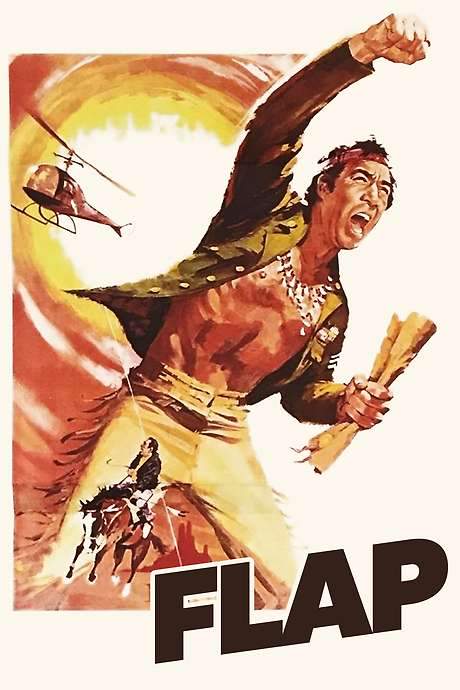
Flap (1970) movie poster

Characters & Themes

Flap (1970) Characters, Setting & Themes Explained

Release, runtime and language
1970 · 106 mins · English
Directed by
Carol Reed
Starring
Claude Akins, Anthony Quinn, Shelley Winters, Victor Jory, Tony Bill, Victor French

A warning to the mayor: FLAP is coming! The Indians have already claimed Alcatraz, and City Hall could be next. This comedy satirizes the challenges faced by contemporary Native Americans living on reservations, blending humor with social commentary.

On this page (8)
  1. 1 Where to watch
  2. 2 Characters explained (6)
  3. 3 Where & when it takes place
  4. 4 Themes & meaning (3)
  5. 5 Character & meaning questions
  6. 6 Movie threads
  7. 7 Movies like Flap
  8. 8 Every angle

Where to watch

Where to Watch Flap (1970)

Where can you watch Flap? Stream, rent or buy it in the US, including on Amazon Video and Apple TV Store: current JustWatch availability with up-to-date prices.

Streaming availability powered by JustWatch

6 main characters · contains spoilers

Flap Characters Explained: Who Is Who

The main characters of Flap (1970), heroes and villains: what drives them, how they change over the course of the story and what each of them reveals about the film's bigger ideas.

  • Flapping Eagle (Anthony Quinn)

    A volatile, passionate Indigenous man who drinks heavily and clashes with city authorities. He rapidly evolves into a bold activist, disrupting projects and guiding his people through treaty-based arguments. His charisma and anger propel a movement, but his methods bring him into direct conflict with Rafferty, culminating in a fatal confrontation.

    • 🔥 Indigenous Protagonist
    • 🍺 Alcoholic
    • 🧭 Activist
  • Dorothy Bluebell (Shelley Winters)

    Flap’s sweetheart who bears the strain of his drinking and the couple’s frequent quarrels. She represents a more grounded perspective within the community and provides emotional counterbalance to Flap’s fervor. Her stance highlights the personal cost of political struggle on relationships.

    • 💖 Love Interest
    • 🧭 Supportive Ally
    • 🪶 Native Presence
  • Sgt. Rafferty (Victor French)

    A brutal, seemingly bigoted city police officer whose actions escalate the conflict with Flap. He embodies the law-and-order mindset that clashes with Indigenous activism, becoming a central antagonist in the story. His conduct triggers a chain of retaliations that intensify the turmoil.

    • 🚔 Police Brutality
    • ⚖️ Biased Authority
    • 💢 Violent Enforcer
  • Wounded Bear Mr. Smith (Victor Jory)

    The tribe’s lawyer, an eccentric figure surrounded by piles of treaty parchments. He uses legal rhetoric to guide Flap and the community, framing their actions within the language of treaties and promises made to the tribe. His counsel links traditional rights with modern legal processes.

    • 📜 Treaty Expert
    • 👨‍⚖️ Tribal Lawyer
    • 🗂️ Parchment Advocate
  • Silver Dollar (Tribal Chief) (Anthony Caruso)

    A respected tribal leader who embodies authority and sovereignty. He mediates between the community’s demands and the wider political landscape, signaling legitimacy for the treaty-based actions. His presence anchors the movement within tribal governance and tradition.

    • 👑 Tribal Chief
    • 🪙 Political Figure
    • ✊ Indigenous Sovereignty
  • Ann Looking Deer (Susana Miranda)

    A member of the tribe who features in the community’s circle during the unfolding events. She represents the everyday voices within the reservation and highlights the social fabric affected by the upheaval. Her involvement underscores the collective nature of the struggle.

    • 🧬 Community Member
    • 🗣️ Involved Tribe Member
    • 🏞️ Cultural Link

Last updated: October 04, 2025 at 15:34

Was this helpful?

Setting

Where and When Does Flap Take Place?

The setting of Flap (1970): the year and time period, the places and locations, and how they shape the characters, the mood and the tension of the story.

Time period

Mid-1960s

The events unfold during a period of heavy infrastructure growth and social activism, marked by highway construction through tribal lands and renewed attention to treaty promises. Community tensions rise as legal and political maneuvers collide with street-level protest. This era provides the backdrop for Flap's transformation from a troubled resident to a public figure challenging authority.

Location

Southwestern United States Indian reservation, city near pueblos along Interstate 25

The story unfolds on a Native American reservation in the southwestern United States, centered around tribal life near pueblos. The setting includes the edge of a city where law enforcement intersects with Indigenous activism and a highway project (Interstate 25) cuts through tribal land. The landscape reflects a blend of reserve life and urban pressures that drive the conflict between community leaders and official authority.

  • 🏜️ Desert landscape
  • 🪶 Native lands
  • 🚧 Highway construction

Last updated: October 04, 2025 at 15:34

Was this helpful?

3 major themes

Flap Meaning: Themes & Message Explained

What is Flap (1970) really about? The emotional, social and philosophical themes the film keeps returning to, its symbolism and the message beneath the surface.

  • Activism

    Flap’s move from personal trouble to tribal activism centers the narrative around collective action and land rights. The treaty parchments and legal arguments become tools to push back against external development. The film portrays how protest, organizing, and public visibility can alter the dynamics between a marginalized community and city power.

  • Police and Power

    The story highlights clashes with law enforcement, depicting Rafferty as a brutal and biased officer. This conflict exposes how policing can be weaponized against Indigenous protesters and marginalized voices. The tension between authority and community justice drives much of the film’s drama and tragedy.

  • Identity

    The protagonist navigates a complex identity as Indigenous, alcoholic, and passionate about his people's rights. The narrative examines how cultural heritage, personal flaws, and political awakening intertwine. The film presents identity as something forged in resistance, community, and the scrutiny of outsiders.

Last updated: October 04, 2025 at 15:34

Was this helpful?

Character & theme questions

Flap Characters & Meaning: Your Questions Answered

The questions people ask about Flap (1970): who the characters really are, their relationships, what the symbols mean, where it takes place and what the movie is really about. Each answer contains spoilers.

Q1

Where is the movie set?

Flap is set on a Native American reservation in the southwestern United States, near pueblos. The story centers around tribal land adjacent to a city where Interstate 25 cuts through Indigenous territory, creating tension between the community and local authorities.

  • southwestern united states
  • reservation
  • native american
  • interstate 25
  • pueblos
Q2

What time period does the story take place in?

The movie is set in the mid-1960s, a period marked by heavy infrastructure growth and increased social activism. This era saw highway construction expanding through tribal lands and renewed attention to treaty promises and Native American rights.

  • 1960s
  • mid-1960s
  • historical setting
  • 1960s america
Q3

What does the movie say about activism?

Flap portrays activism as a transformation from personal struggle to collective action. The protagonist evolves from a troubled individual into a bold activist who uses treaty-based legal arguments to challenge development on tribal land, showing how public visibility can shift power dynamics between marginalized communities and city authorities.

  • activism
  • native american rights
  • tribal activism
  • protest
  • land rights
Q4

How does the movie portray police and authority?

The film depicts law enforcement as hostile and biased against Indigenous protesters. Sgt. Rafferty represents brutal authority that weaponizes policing against marginalized voices, creating conflict that escalates into tragedy. This clash between community justice and official power drives much of the film's dramatic tension.

  • police
  • authority
  • law enforcement
  • corruption
  • power abuse
Q5

What role does identity play in the story?

Identity in Flap is forged through resistance and community. The protagonist's journey shows how cultural heritage, personal flaws, and political awakening intertwine. The film presents Indigenous identity as something strengthened by confrontation with outside forces and scrutiny.

  • identity
  • cultural heritage
  • native american identity
  • indigenous
Q6

Who is Flapping Eagle?

Flapping Eagle is the volatile, passionate Indigenous protagonist played by Anthony Quinn. He is a troubled resident who drinks heavily but transforms into a bold activist leading his people in treaty-based resistance against development. His charisma and anger propel a movement that challenges city authority.

  • flapping eagle
  • anthony quinn
  • protagonist
  • activist
Q7

Who is Sgt. Rafferty and what is his role?

Sgt. Rafferty is a brutal city police officer portrayed by Victor French who serves as the main antagonist. He represents law-and-order mindset that clashes with Indigenous activism. His biased and aggressive actions against the tribe escalate the conflict, triggering a chain of retaliations that intensify the story's tragedy.

  • sgt rafferty
  • victor french
  • antagonist
  • police
  • official authority
Q8

Who is Wounded Bear Mr. Smith?

Wounded Bear Mr. Smith is the tribe's eccentric lawyer played by Victor Jory. He surrounds himself with treaty parchments and uses legal rhetoric to guide Flap and the community. His counsel connects traditional Indigenous rights with modern legal processes, framing their resistance within the language of treaty promises.

  • wounded bear mr smith
  • victor jory
  • lawyer
  • tribal lawyer
  • treaty
Q9

Who is Silver Dollar in the tribe?

Silver Dollar is the respected tribal chief played by Anthony Caruso. He embodies authority and sovereignty within the community, mediating between the tribe's demands and the wider political landscape. His presence anchors the movement within tribal governance and tradition, signaling legitimacy for treaty-based actions.

  • silver dollar
  • anthony caruso
  • tribal chief
  • leader
  • sovereignty
Q10

What is the significance of Interstate 25 in the movie?

Interstate 25 serves as the central symbol of external development threatening tribal land. The highway project cuts directly through Indigenous territory, representing the encroachment of urban pressures onto Native lands. This construction becomes the catalyst for the conflict between community leaders and official authority.

  • interstate 25
  • highway
  • construction
  • development
  • tribal land
Q11

What social issues does the movie address?

Flap addresses racism, displacement, and the struggle for Indigenous rights. It examines how marginalized communities face systematic oppression through biased policing, broken treaty promises, and economic encroachment. The film also explores the personal cost of political struggle on relationships and community bonds.

  • racism
  • displacement
  • indigenous rights
  • social commentary
  • oppression
Q12

What is the tone of the movie?

Despite being tagged as a comedy, Flap carries a dominantly tense and tragic tone. The narrative balances satirical elements with serious dramatic storytelling, ultimately ending on a sad note. The emotional weight is heavy, dealing squarely with the tragic cost of standing against an oppressive system.

  • tone
  • drama
  • tragedy
  • satire
  • emotional weight

Movie threads

More Movies Like Flap, by Mood & Story

Curated lists built around what makes Flap tick: the same mood, the same kind of story or the same emotional payoff. Each list explains why these movies belong together.

Tragic Activist Dramas like Flap

Stories of determined individuals whose fight for justice ends in personal sacrifice. For viewers seeking movies like Flap, this collection features films about activists whose personal battles against social injustice lead to profound sacrifice. These stories share a tense, emotionally heavy tone and a steady pace that builds towards a tragic conclusion, focusing on themes of resilience and systemic oppression.

  • activist
  • tragic
  • tense
  • frustrated
  • resilient
  • melancholic
  • Tone: tense, melancholic, confrontational
  • Pacing: steady, building
Why these movies?

The story pattern: The narrative follows a clear arc: an individual or community becomes aware of a grave injustice, organizes resistance against a formidable system, and faces escalating conflict. The story builds steadily towards a climactic confrontation that typically results in a tragic personal loss, highlighting the immense sacrifice often required for social change.

Why they belong together: Movies are grouped here based on their shared focus on activism as a central driver, a tone of tense confrontation mixed with melancholy, and a narrative structure that privileges emotional weight and tragic resolution over triumphant victory. The pacing is often steady, allowing the moral and personal stakes to deepen.

Bleak Social Commentary Westerns like Flap

Modern or revisionist Westerns that use the genre to critique social ills. If you liked Flap, explore these similar Westerns that blend genre conventions with sharp social criticism. These movies use a steady pace and high intensity to tell tense, emotionally heavy stories about cultural clash and injustice, often ending on a sad or bleak note that challenges traditional Western narratives.

  • bleak
  • tense
  • melancholic
  • confrontational
  • frustrated
  • resilient
  • Tone: tense, bleak, tragic
  • Pacing: steady, deliberate
Why these movies?

The story pattern: These narratives are typically set in a West that is morally complex and unjust. The plot revolves around a clash of cultures, often involving indigenous rights or exploitation, leading to a confrontation that exposes systemic flaws. The journey is one of resilience in the face of overwhelming opposition, usually concluding without a clean victory, emphasizing ongoing struggle and loss.

Why they belong together: These films are connected by their use of the Western genre as a framework for serious drama and social critique. They share a high intensity, a tense and often melancholic tone, and a focus on heavy themes like systemic racism. The pacing is usually steady, allowing the weight of the social commentary to settle.

If you liked this

Movies Like Flap

Similar movies to Flap: the same genre, themes or kind of story. Each one comes with its own plot summary, timeline and ending explained.

Browse all movie summaries

Every angle

Flap (1970) Explained: Plot, Timeline & Characters

Everything about Flap in one place: what happens in the plot summary, the timeline in chronological order, the characters and meaning and a spoiler-free summary. What's After the Movie adds the cast, box office and post-credit scenes.

Coming soon on iOS and Android

The Plot Explained Movie Summary App

Plot summaries, endings explained and timelines on your phone. Catch up on any movie in minutes, save your favorites and never miss a twist again.

Be the first to know when we launch. Your email stays private, always.

Learn more about the app