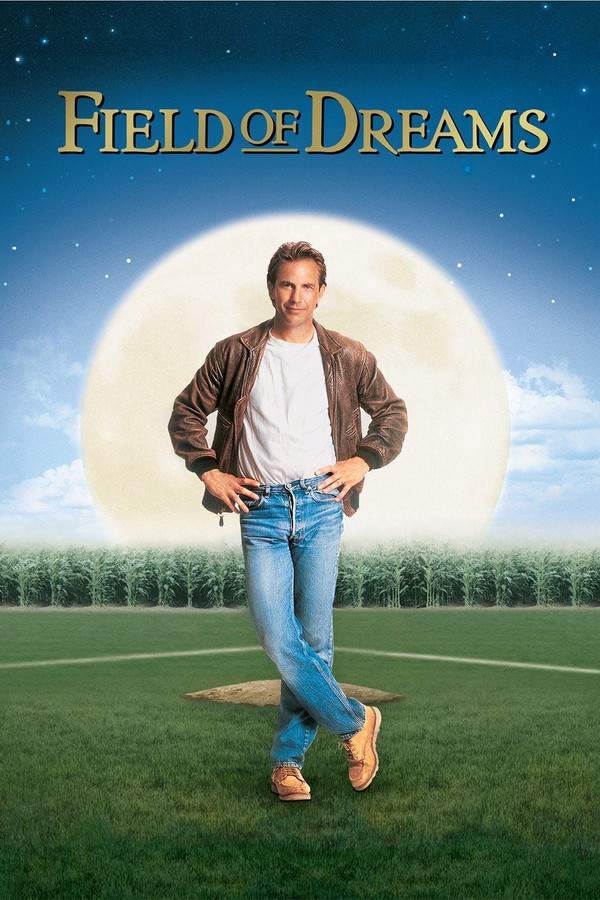
In rural Iowa, farmer Ray Kinsella is compelled by a mysterious voice to build a baseball field in his cornfield. This unusual undertaking leads him on an extraordinary journey where he encounters figures from his past and legendary baseball players, including the infamous Shoeless Joe Jackson. As Ray builds the field, he grapples with the meaning of his vision and the enduring power of dreams, ultimately exploring themes of faith, family, and the American spirit.
Find where to stream, rent, or buy Field of Dreams (1989) in the US with current JustWatch availability, up-to-date pricing, and platform listings for subscription, rental, and digital purchase options.
Warning: spoilers below!
Haven’t seen Field of Dreams yet? This summary contains major spoilers. Bookmark the page, watch the movie, and come back for the full breakdown. If you're ready, scroll on and relive the story!
Trace every key event in Field of Dreams (1989) with our detailed, chronological timeline. Perfect for unpacking nonlinear stories, spotting hidden connections, and understanding how each scene builds toward the film’s climax. Whether you're revisiting or decoding for the first time, this timeline gives you the full picture.
Last updated: November 21, 2024 at 09:51
Find frequently asked questions about the Field of Dreams (1989) timeline, including chronological order, nonlinear jumps, cause-and-effect links, and scene sequence clarifications. This timeline FAQ helps explain when key events happen, how moments connect, and why the story unfolds in that specific order.
Ray builds the field because he hears a mysterious voice whisper "If you build it, he will come." The voice comes to him while he's haunted by dreams of his late father John Kinsella, who was a passionate baseball fan. After seeing a vision of Shoeless Joe Jackson standing in his cornfield, Ray interprets the message as a sign that he should plow under part of his crop to create a baseball diamond. His wife Annie encourages him to follow through on this seemingly irrational decision, believing it will help him find purpose and resolve his unresolved feelings about his father.
The mysterious voice first appears when Ray is dreaming about his father, establishing the supernatural connection between the baseball field and his paternal relationship.
The voice that speaks to Ray is eventually revealed to be connected to Terence Mann, a reclusive author Ray seeks out after his wife hears him speak at a PTA meeting. Mann had once created a fictional character named John Kinsella in his novels and dreamed of playing for the Brooklyn Dodgers. Both Ray and Mann were being called by the same supernatural force tied to the baseball field. However, the ultimate source of the voice appears to be Ray himself, his own subconscious desire to reconcile with his deceased father and resolve his childhood regrets about their strained relationship.
At the PTA meeting, Annie champions Mann's work, which triggers Ray to realize the voice is connected to the author.
Shoeless Joe Jackson appears because he is one of the eight Chicago White Sox players banned from professional baseball following the 1919 Black Sox Scandal, where they were accused of throwing the World Series for money. The field Ray builds allows these wronged spirits to play again, giving them a second chance at the game they loved. Shoeless Joe specifically was considered one of the greatest players of his era and was banned despite being beloved by fans. The film uses his story to explore themes of redemption and being given a chance to clear one's name, even posthumously.
Ray shares the Black Sox Scandal story with his daughter Karin early in the film, introducing the historical context for why these players were banished.
Doctor Graham is the spirit of a young boy who died in 1919, the same year as the Black Sox Scandal. In the film, Ray and Mann discover that the elderly Doctor Graham they heard about, who supposedly lived a long life dedicated to medicine, actually died as a child decades earlier. When Karin falls into danger during an argument between Ray and Mark, the young Doc Graham appears in his spectral form to save her. This is his chance at a "second chance" that the magical field offers; he gets to relive his life purpose by helping others. He tells Ray to live without regrets, echoing the film's central theme about reconciliation.
The trip to Chisholm, Minnesota reveals the truth about Doctor Graham's death, foreshadowing his later appearance to save Karin.
Ray's father John Kinsella appears as the catcher when the mask is removed at the climax of the film. Throughout the story, the supernatural field has been drawing people connected to Ray's unresolved emotions and his father's dreams. John was a devoted baseball fan who never got to share that passion with his son, Ray was too busy with his own life and ambitions to bond with his father over the game. The field manifests Ray's deepest desire: to finally connect with his father. By appearing as the catcher, John becomes the bridge between the world of the living and the magical realm of the field, allowing their reconciliation to happen.
Ray is haunted by dreams of his father throughout the film, and the voice urging him to "ease his pain" points directly to his unresolved grief and regret.
"Ease his pain" refers to the voice telling Ray to help ease the suffering of those connected to the baseball field, specifically the spirits of the Black Sox players who were banned from the game they loved. However, the deeper meaning is about easing Ray's own emotional pain over his fractured relationship with his father. John Kinsella spent his life longing to go to a baseball game with his son, but Ray was always too busy to make that connection. The entire journey, the field, the players, the magical events, serves as a way for Ray to finally confront his regrets and ease the pain of lost time and missed opportunities with his father.
The voice's instruction to "ease his pain" appears early and guides Ray toward Terence Mann and ultimately his father.
Terence Mann comes to Iowa because he, like Ray, has been hearing the same mysterious voice and experiencing supernatural visions. Mann had been summoned by the same force that called Ray. He had written a novel featuring a character named John Kinsella, a projection of his own childhood dreams of playing for the Brooklyn Dodgers. When Ray travels to Boston to find him, Mann explains that he has also been haunted by visions of haunting statistics and baseball history. Together, they journey to Minnesota to discover the truth about Doctor Graham, which deepens both men's understanding of what the field represents: a chance to redeem past failures and broken dreams.
Annie's passionate advocacy for Mann's books at the PTA meeting is what connects Ray to the author and reveals their shared supernatural experience.
The Black Sox Scandal was a real historical event in which eight members of the Chicago White Sox were accused of intentionally losing the 1919 World Series in exchange for money from gamblers. Despite their popularity, including star player Shoeless Joe Jackson, all eight players were banned from professional baseball for life. In the film, Ray tells this story to his daughter Karin, and it becomes the foundation for why the spirits appear at his field. The banned players are given a second chance to play the game they love through Ray's baseball diamond. The scandal represents unjust punishment and lost legacy, themes that resonate with Ray's own feeling that his father was never properly honored or remembered.
Ray shares this story with Karin early in the film, establishing both the historical context and the emotional weight of the players' appearance.
Ray feels excluded when Shoeless Joe invites Mann to join the game because he believes the field was created for him, it was his land, his vision, his sacrifice that made it possible. The moment Mann steps onto the field, Ray worries that his purpose is over and that he will be left behind while others get to play. This reflects his deeper fear of being abandoned again, similar to how he felt his father always put baseball before their relationship. The emotional conflict represents Ray's struggle to understand whether his role is finished or if he too gets to participate in the magical reconciliation he's been working toward.
Ray's emotional turmoil increases after Doc Graham saves Karin, and his feelings of exclusion become most apparent when Mann is invited to play.
"People will come" is Terence Mann's famous declaration about the baseball field, which proves prophetic as spectators begin arriving from everywhere to watch the ghostly games. The phrase carries multiple meanings: literally, strangers travel to Dyersville to witness the impossible; thematically, it represents faith being rewarded and dreams bringing people together. For Ray, it becomes reassurance that his gamble with the family farm will pay off, not financially, but spiritually. Mann's quote captures the film's central message about the enduring magic of baseball and how it can bridge generations, heal old wounds, and bring people together in ways that seem impossible until they happen.
Karin expresses belief that people will come before anyone else arrives, showing faith before proof.
Karin is able to see the players first because children in the film are depicted as more open to the supernatural and less constrained by skepticism. Ray himself only sees Shoeless Joe Jackson after building the field and truly committing to the vision. Karin, being young and imaginative, perceives the magical reality before her parents do. This mirrors the film's theme about believing in something greater than yourself, the faith of a child often sees what adults cannot. Karin's ability to see the players also represents the innocence and purity of belief that the movie associates with childhood, contrasting with the skepticism and doubt that burden adults.
Karin immediately connects with the baseball stories Ray tells her, showing her open-mindedness to the magical elements.
Mark, Annie's brother, wants to sell the farm because he sees Ray's decision to plow under crops for a baseball field as financially irresponsible. The farm represents the family's livelihood, and Ray's risky choice threatens their stability. Mark operates in the rational, practical world and cannot see the supernatural events unfolding, he's blind to the spirits and the magical games. His warnings about mounting debts and the need to save the family home create real-world tension throughout the film. However, his skepticism is ultimately overturned when the supernatural proves real and the field brings people from far and wide.
Mark's warnings about financial ruin appear early, creating tension that builds until the magical resolution proves Ray's faith was justified.
Discover curated groups of movies connected by mood, themes, and story style. Browse collections built around emotion, atmosphere, and narrative focus to easily find films that match what you feel like watching right now.
Stories where everyday life is touched by gentle magic to heal old wounds.If you liked the gentle, unexplained magic in Field of Dreams, you'll find similar stories here. These movies weave everyday life with fantastical elements to explore themes of faith, regret, and healing, often leading to deeply satisfying and hopeful conclusions.
The narrative follows an ordinary protagonist who is prompted by an inexplicable event or vision to take a leap of faith. This journey, often against logical sense, leads them to confront a personal regret or unresolved relationship, ultimately using the magical element as a catalyst for profound healing and a second chance.
These films are grouped by their shared use of low-key magical realism as a narrative device for emotional healing. They balance a believable, grounded setting with a touch of the miraculous, creating a unique vibe that is both wondrous and deeply human.

Emotional quests where confronting the past leads to present-day peace.For viewers who loved Field of Dreams for its journey of reconnecting with the past, this section highlights similar films. These stories focus on protagonists grappling with regret and nostalgia, ultimately finding peace and closure through a meaningful quest.
A protagonist, haunted by a specific regret or a fractured relationship from their past, embarks on a quest that forces them to directly engage with that history. The narrative structure is linear and purposeful, building towards a climactic, emotionally resonant encounter that provides forgiveness and understanding.
These movies share a core narrative pattern of a redemptive quest focused on reconciliation. They evoke a strong sense of nostalgia and use a steady, deliberate pace to explore themes of regret, forgiveness, and the enduring bonds of family, resulting in an uplifting emotional payoff.
Don't stop at just watching - explore Field of Dreams in full detail. From the complete plot summary and scene-by-scene timeline to character breakdowns, thematic analysis, and a deep dive into the ending - every page helps you truly understand what Field of Dreams is all about. Plus, discover what's next after the movie.
Read a complete plot summary of Field of Dreams, including all key story points, character arcs, and turning points. This in-depth recap is ideal for understanding the narrative structure or reviewing what happened in the movie.
Discover the characters, locations, and core themes that shape Field of Dreams. Get insights into symbolic elements, setting significance, and deeper narrative meaning - ideal for thematic analysis and movie breakdowns.
Discover movies like Field of Dreams that share similar genres, themes, and storytelling elements. Whether you’re drawn to the atmosphere, character arcs, or plot structure, these curated recommendations will help you explore more films you’ll love.
Field of Dreams (1989) Plot Summary & Movie Recap
Field of Dreams (1989) Scene-by-Scene Movie Timeline
Field of Dreams (1989) Spoiler-Free Summary & Key Flow
Movies Like Field of Dreams – Similar Titles You’ll Enjoy
Moneyball (2011) Movie Recap & Themes
Hoop Dreams (1994) Detailed Story Recap
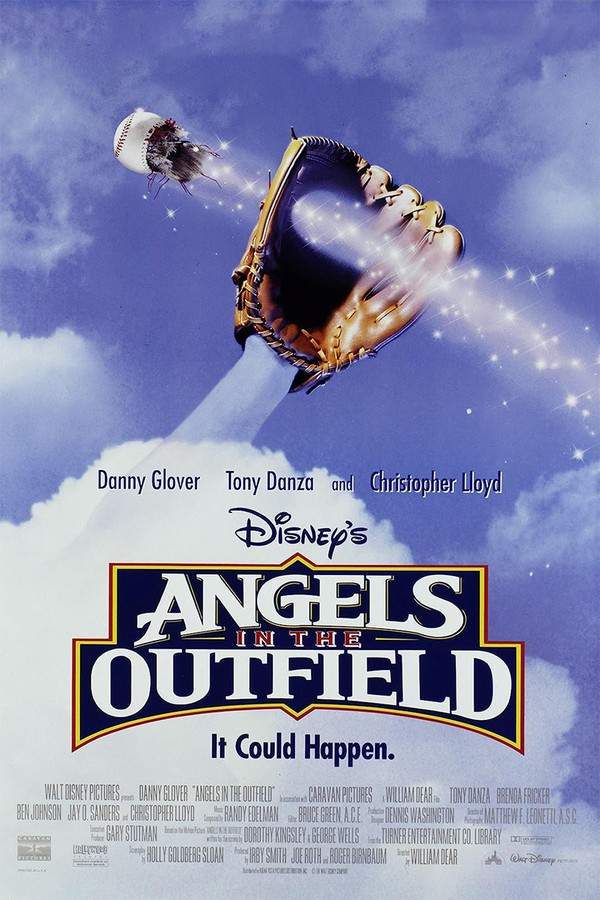
Angels in the Outfield (1994) Complete Plot Breakdown
The Natural (1984) Detailed Story Recap
Touchback (2012) Detailed Story Recap
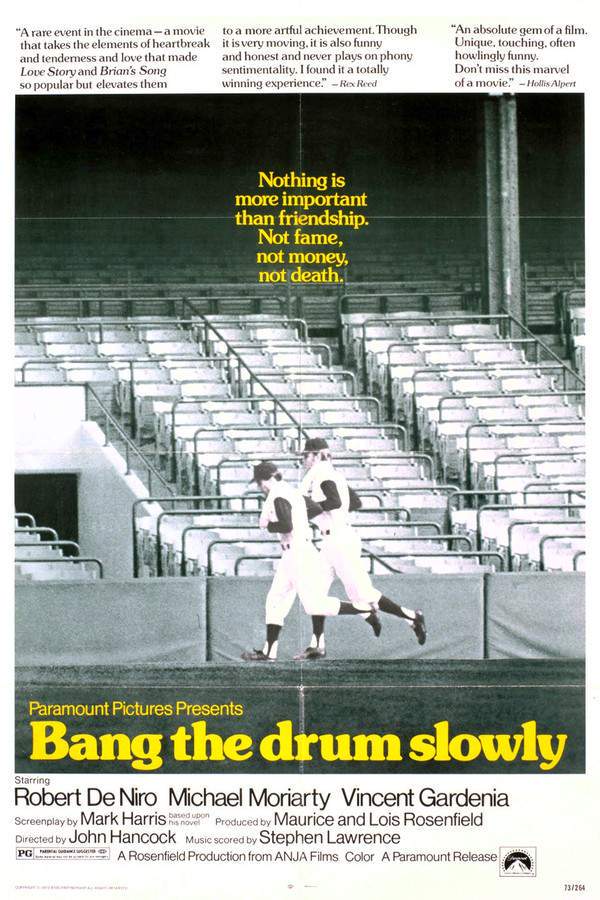
Bang the Drum Slowly (1973) Complete Plot Breakdown
Little Big League (1994) Plot Summary & Ending Explained
Undrafted (2016) Detailed Story Recap
Fielder’s Choice (2005) Full Movie Breakdown
The Sandlot: Heading Home (2007) Detailed Story Recap
The Field (1990) Detailed Story Recap
Chasing Dreams (1989) Detailed Story Recap
The Summer Field (2021) Full Summary & Key Details
The Kid from Cleveland (1949) Full Movie Breakdown
Radio Flyer (1992) Detailed Story Recap