




Plot Explained Spoilers guaranteed!
Plot Explained

Browse by genre

Fear No More (1961) movie poster

Characters & Themes

Fear No More (1961) Characters, Setting & Themes Explained

Release, runtime and language
1961 · 80 mins · English
Directed by
Bernard Wiesen
Starring
Peter Brocco, Jacques Bergerac, John Baer, John Harding, Mala Powers, Robert Karnes

Accused of killing a woman on a train, Sharon Carlin runs home to find another corpse there too!

On this page (7)
  1. 1 Where to watch
  2. 2 Characters explained (5)
  3. 3 Where & when it takes place
  4. 4 Themes & meaning (3)
  5. 5 Character & meaning questions
  6. 6 Movie threads
  7. 7 Every angle

Where to watch

Where to Watch Fear No More (1961)

Where can you watch Fear No More? Stream, rent or buy it in the US, including on Cultpix, Fawesome and JustWatch TV: current JustWatch availability with up-to-date prices.

Streaming availability powered by JustWatch

5 main characters · contains spoilers

Fear No More Characters Explained: Who Is Who

The main characters of Fear No More (1961), heroes and villains: what drives them, how they change over the course of the story and what each of them reveals about the film's bigger ideas.

  • Sharon Carlin (Mala Powers)

    A determined personal secretary tasked with delivering a crucial envelope, Sharon becomes entangled in a web of threats and suspicion after a train-side attack. Her fear and quick thinking drive her to rely on others even as her reliability is tested by past mental health issues. The plot hinges on whether she is a victim of murder plots or unraveling under pressure.

    • 🔎 Mystery
    • 💊 Mental Health
    • 🧭 Suspense
  • Paul Colbert (Jacques Bergerac)

    A divorced man who reluctantly helps Sharon, Paul is drawn into a dangerous situation as he ferries her away from danger and confronts a chaotic domestic scene. His protective instincts clash with duty and fear, revealing a morally complex character who weighs trust against safety. His involvement drives the tension between personal obligation and caution.

    • 💬 Dialogue
    • 🗝️ Moral Dilemma
    • 🏠 Domestic Life
  • Milo Seymour (John Harding)

    Sharon's employer, Milo Seymour, is connected to a large sum missing from his safe, a detail that raises questions about motive and culpability. He publicly denies knowledge of Sharon's errand while insisting on the importance of the envelope, suggesting hidden agendas and power dynamics at work. His demeanor keeps viewers guessing about where the true danger lies.

    • 💰 Theft
    • 🔒 Secrets
    • 🧰 Power
  • Keith Burgess (John Baer)

    A plainclothes policeman who interrogates Sharon on the train and toggles between skepticism and urgency. He embodies the procedural pressure of law enforcement in a case built on uncertain testimony. His pursuit underscores the central conflict between truth and belief in a high-stakes mystery.

    • 🕵️ Investigation
    • 🔍 Suspense
    • 👮 Police
  • Denise Colbert (Anna Lee Carroll)

    The wife of Paul Colbert and mother figure to the story’s child, Denise represents a domestic anchor in the plot’s shifting power dynamics. Her interactions in the wife's house scene contribute to the tension by situating personal relationships within the mystery. She embodies the social world surrounding the central trio of Sharon, Paul, and Milo.

    • 🏠 Domestic Life
    • 👩 Social Roles
    • 🧭 Suspense

Last updated: March 05, 2026 at 18:25

Was this helpful?

Setting

Where and When Does Fear No More Take Place?

The setting of Fear No More (1961): the year and time period, the places and locations, and how they shape the characters, the mood and the tension of the story.

Time period

Location

Railway station, Train compartment, Beat café, Sharon's apartment, Milo Seymour's house, Denise Colbert's house, Police station

The story unfolds across transit spaces, centering on a railway station and a claustrophobic train compartment that heighten tension. Domestic settings such as Sharon's apartment and the homes of Milo Seymour and Denise Colbert anchor the mystery in everyday life. Interactions at a beat café and a police station broaden the locale, emphasizing how ordinary environments become stages for danger and deception.

  • 🚂 Transit
  • 🏙️ City
  • 🕵️ Suspense
  • 🧭 Secrets

Last updated: March 05, 2026 at 18:25

Was this helpful?

3 major themes

Fear No More Meaning: Themes & Message Explained

What is Fear No More (1961) really about? The emotional, social and philosophical themes the film keeps returning to, its symbolism and the message beneath the surface.

  • Suspense

    The film builds tension through ambiguous truth and the danger of misinterpretation. Sharon's past and the investigator's skepticism push the audience toward uncertainty about what really happened. The plot relies on sudden reversals and evasions, keeping viewers guessing who can be trusted in a high-stakes mystery.

  • Mental Health

    Sharon's history of sanatorium treatment influences how others perceive her and whether she is believed. The narrative uses mental health as both a vulnerability and a potential cover for hidden motives, exploring stigma and the fragile boundary between sanity and paranoia within a thriller.

  • Conspiracy

    The missing money from Milo Seymour's safe suggests a broader scheme beyond Sharon's single mission. Denials of knowledge about Sharon's errand hint at a coordinated plot or manipulation, keeping the true motives obscured and inviting speculation about hidden players.

Last updated: March 05, 2026 at 18:25

Was this helpful?

Character & theme questions

Fear No More Characters & Meaning: Your Questions Answered

The questions people ask about Fear No More (1961): who the characters really are, their relationships, what the symbols mean, where it takes place and what the movie is really about. Each answer contains spoilers.

Q1

Where does the movie take place?

The story unfolds across transit spaces and domestic settings. Key locations include a railway station and train compartment, Sharon's apartment, Milo Seymour's house, Denise Colbert's house, a beat café, and a police station. These ordinary environments become stages for danger and deception.

  • locations
  • setting
  • railway station
  • train
  • apartment
  • city
Q2

What are the main themes?

The movie explores three core themes. Suspense stems from ambiguous truth and the danger of misinterpretation. Mental Health examines how Sharon's history of sanatorium treatment influences whether she is believed, blurring the line between sanity and paranoia. Conspiracy revolves around missing money and hidden motives, suggesting a larger plot beyond what initially appears.

  • themes
  • suspense
  • mental health
  • conspiracy
  • mystery
Q3

Who is Sharon Carlin?

Sharon Carlin is the protagonist, a personal secretary tasked with delivering a crucial envelope. She becomes entangled in a web of threats and suspicion after a train-side attack. Her reliability is questioned due to past mental health issues, raising the central ambiguity of whether she is a victim of murder plots or unraveling under pressure.

  • sharon carlin
  • protagonist
  • character
  • mental health
Q4

Who is Milo Seymour?

Milo Seymour is Sharon's employer, connected to a large sum of money missing from his safe. He publicly denies knowledge of Sharon's errand while insisting on the importance of the envelope, suggesting hidden agendas and power dynamics that keep viewers guessing about where the true danger lies.

  • milo seymour
  • employer
  • missing money
  • conspiracy
Q5

How does mental health factor into the story?

Sharon's past sanatorium treatment plays a crucial role in how others perceive her and whether she is believed. The narrative uses mental health as both a vulnerability and a potential cover for hidden motives, exploring stigma and the fragile boundary between sanity and paranoia within a thriller context.

  • mental health
  • sanatorium
  • paranoia
  • sanity
  • stigma
Q6

What is the movie really about?

Beyond the surface mystery, the film builds tension through ambiguous truth and the danger of misinterpretation. The central ambiguity hinges on whether Sharon is the victim of a conspiracy or experiencing a psychological break, requiring the audience to weigh external danger against internal uncertainty about her sanity.

  • plot
  • ambiguity
  • mystery
  • interpretation
  • truth
Q7

Who is Paul Colbert?

Paul Colbert is a divorced man who reluctantly helps Sharon after the train attack. Drawn into a dangerous situation, his protective instincts clash with duty and fear, revealing a morally complex character who weighs trust against safety as he ferries her away from danger.

  • paul colbert
  • character
  • helper
  • trust
Q8

What is the conspiracy about?

The missing money from Milo Seymour's safe suggests a broader scheme beyond Sharon's single errand. Denials of knowledge about her task hint at a coordinated plot or manipulation, keeping true motives obscured and inviting speculation about hidden players beyond the immediate cast of characters.

  • conspiracy
  • missing money
  • plot
  • mystery
Q9

What is the beat café in the movie?

The beat café serves as one of the key locations where characters interact, representing the urban, everyday environment that becomes a stage for danger. It contributes to the film's tension by showing how ordinary public spaces can harbor secrets and threats.

  • beat cafe
  • location
  • setting
  • city
Q10

What is the tone of the movie?

The tone is overwhelmingly tense due to the constant threat of being caught combined with the protagonist's underlying mental health history. This creates dual suspense: external danger from the mystery and internal questioning of the protagonist's reality. The pacing moves rapidly from one high-stakes encounter to another.

  • tone
  • atmosphere
  • tension
  • suspense
  • pacing

Movie threads

More Movies Like Fear No More, by Mood & Story

Curated lists built around what makes Fear No More tick: the same mood, the same kind of story or the same emotional payoff. Each list explains why these movies belong together.

Paranoid Fugitive Thrillers like Fear No More

On the run and questioning your own sanity in a world of distrust. Discover more movies like Fear No More where a wrongly accused person is on the run. These suspenseful thrillers explore themes of trust, paranoia, and the fight for sanity against overwhelming odds.

  • paranoid
  • suspenseful
  • anxious
  • claustrophobic
  • desperate
  • unsettling
  • Tone: tense, paranoid, unsettling
  • Pacing: fast, frantic, relentless
Why these movies?

The story pattern: The narrative follows a protagonist who is suddenly thrust into a life on the run, accused of a crime. Their journey is a frantic and desperate attempt to clear their name while evading capture, all while their perception of reality is systematically undermined, forcing them to question their own innocence and sanity.

Why they belong together: These films are grouped by their core premise of a fugitive fighting a hidden conspiracy, their relentless pacing, and their intense, claustrophobic mood that keeps the viewer in a state of anxious suspense and uncertainty from start to finish.

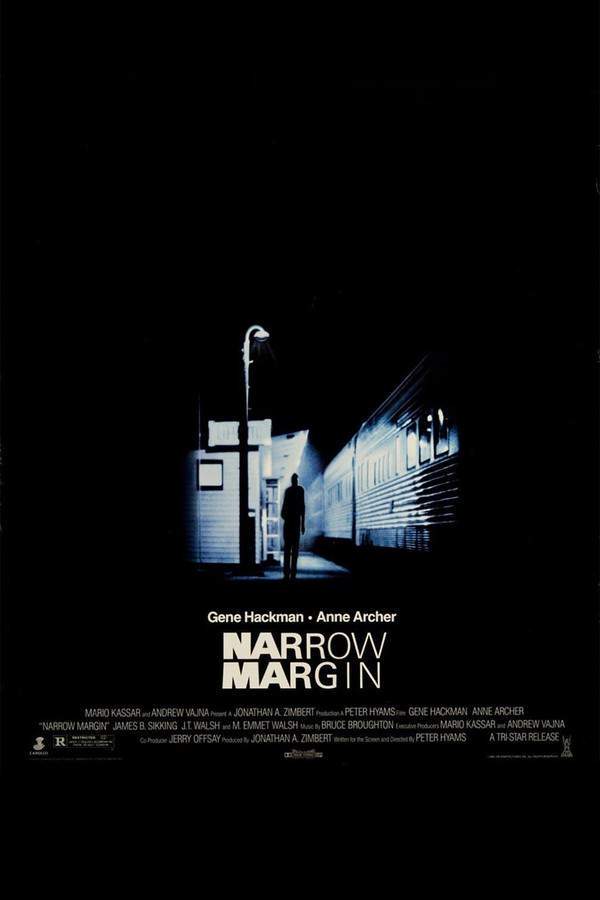
Psychological Gaslighting Horror movies like Fear No More

Stories where the threat is as much in the mind as it is in the world. If you liked the mind-bending tension of Fear No More, explore these similar psychological horror and thriller movies about gaslighting, mental health stigma, and the terrifying unraveling of reality.

  • unsettling
  • psychological
  • paranoid
  • suspenseful
  • anxious
  • claustrophobic
  • Tone: tense, unsettling, ambiguous
  • Pacing: fast to steady, suspense-driven
Why these movies?

The story pattern: The narrative structure is built around a central ambiguity: is the protagonist experiencing a supernatural conspiracy or a psychological break? The plot presents evidence for both possibilities, often through the device of an unreliable narrator, creating a deeply immersive and unsettling experience where the truth is deliberately obscured.

Why they belong together: This thread connects films that share a core thematic focus on mental health stigma and gaslighting, a tense and unsettling tone, and a narrative complexity that forces the audience to actively question the reality presented on screen.

Every angle

Fear No More (1961) Explained: Plot, Timeline & Characters

Everything about Fear No More in one place: what happens in the plot summary, the timeline in chronological order, the characters and meaning and a spoiler-free summary. What's After the Movie adds the cast, box office and post-credit scenes.

Coming soon on iOS and Android

The Plot Explained Movie Summary App

Plot summaries, endings explained and timelines on your phone. Catch up on any movie in minutes, save your favorites and never miss a twist again.

Be the first to know when we launch. Your email stays private, always.

Learn more about the app