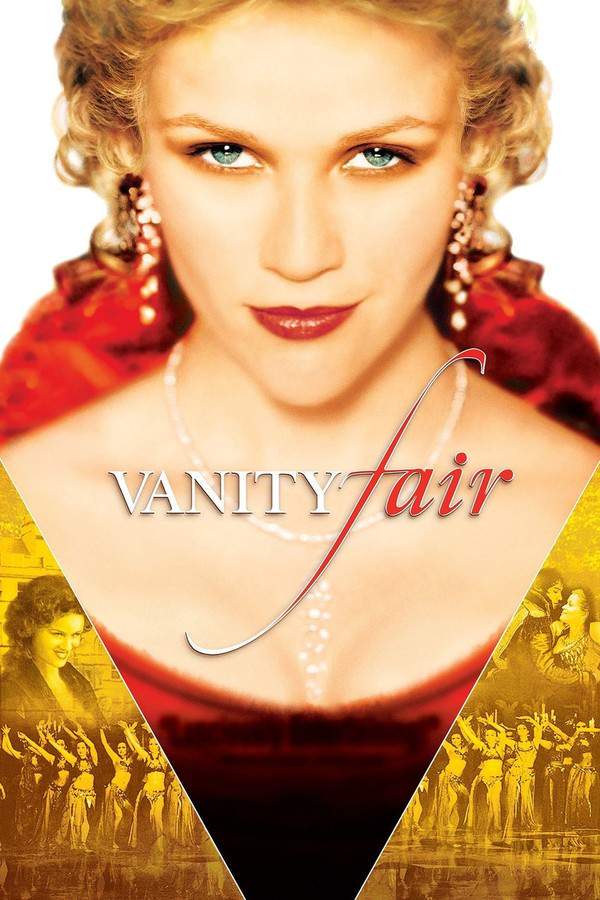
Year: 1932
Runtime: 78 mins
Language: English
Director: Chester M. Franklin
A fiercely ambitious and cunning young woman, initially employed as a governess, manipulates and seduces her way through the rigid hierarchies of Regency England, using charm, romance and daring tactics to ascend from modest beginnings to the coveted heights of British high society, where power and desire intertwine.
Warning: spoilers below!
Haven’t seen Vanity Fair yet? This summary contains major spoilers. Bookmark the page, watch the movie, and come back for the full breakdown. If you're ready, scroll on and relive the story!
Read the complete plot breakdown of Vanity Fair (1932), including all key story events, major twists, and the ending explained in detail. Discover what really happened—and what it all means.
Set between 1920 and 1933, this film follows the rise-and-fall arc of Becky’s social ambitions and the consequences that ripple through everyone around her. In the opening scene, a limousine glides along a road just outside London, carrying two twenty-something women: Becky Sharp and Amelia Sedley. Amelia comes from a comfortable, well-connected family, while Becky has no real backing or security. To Becky, the invitation to spend Christmas at the Sedley estate is a chance to enter a world she has only glimpsed; she views wealth and status as the ultimate prizes to be won.
At the Sedley manor, a wary matriarch watches Becky with growing unease. Becky’s plan is clear and relentless: use her charm and wit to climb England’s social ladder, starting with Joseph Sedley, Amelia’s much-older brother. When Becky’s matchmaking gambit with Joseph backfires, suspicion falls on her, especially after she’s seen close to Amelia’s fiancé, George Osborne. The family’s mistrust swells, and Becky accepts a bold, if less than noble, career move: she departs to become governess for the formidable and older Sir Pitt Crawley.
Becky does not stop there. In Lord Crawley’s household, she quickly captures the affections and appetites of both the elderly [Sir Pitt Crawley] and his son, Rawdon Crawley. Her audacious manipulations blur lines of propriety as she moves between the two men, and soon she and Rawdon begin a clandestine affair. When Sir Pitt discovers them together, Becky and Rawdon reveal that they had wed the previous day, a revelation that enrages the old lord and forces the young couple to flee his estate.
From there, Becky and Rawdon relocate to a townhouse in Mayfair, where the weight of reputation and money starts to press hard. They try to sustain themselves through gambling and small-time deception, but the bills pile up fast. Becky schemes to improve their lot by leaning on a string of lovers and by blackmail, collecting gifts that momentarily ease their financial strain. Among her lovers is [George Osborne], now bound to Amelia, and Becky’s schemes grow more audacious as the couple’s fortunes dwindle. Rawdon’s tolerance dwindles too, and after a night when Becky is found with another lover and Rawdon is released from police custody for bad checks, he ends the marriage in a harsh, final moment and makes it plain: if she ever calls herself “Lady Crawley,” he will hunt her down.
Years pass, and Becky drifts into a grimmer, largely French-speaking corner of London’s nightlife. She drinks from the last of her resources, moving from bar to casino and preying on men to stay afloat. In this time, she learns that Amelia’s life has not aligned with Becky’s assumptions: Amelia remains loyal to the memory of her late husband, George, and spurns proposals from long-time admirer Dobbin. Becky, ever calculating, arranges a tense reunion with Amelia and confesses her own affair with George, even goading Amelia to abandon her stubborn grief and wed Dobbin. The moment hints at a pivot in Amelia’s fate, one Becky wants to force, though the outcome remains uncertain on screen as time slips forward.
More years pass, and Becky’s bravado fades into a daily struggle marked by petty crime, subsistence, and a wary sense of fading beauty. One evening in a shabby apartment, Becky exchanges banter with Joseph Sedley, whose temper flares as he learns Amelia has sent yet another check her way. He tears the check, and in the dust the word Finis is scratched—The End. In the mirror above the dresser, Becky’s face briefly shifts from present weariness back to a memory of youth and glamour. Joseph slips away, and Becky is left to confront the toll her choices have taken as she collapses into quiet, heartbroken tears.
Last Updated: October 09, 2025 at 14:05
Discover curated groups of movies connected by mood, themes, and story style. Browse collections built around emotion, atmosphere, and narrative focus to easily find films that match what you feel like watching right now.
Stories charting a cunning protagonist's ruthless ascent and humiliating descent through high society.Explore films that capture the dramatic rise and fall of ambitious social climbers. If you liked watching Becky Sharp's journey in Vanity Fair, you'll find similar movies about cunning characters navigating class struggles, moral decay, and the harsh realities of high society.
These narratives typically follow a clear chronological arc: a protagonist from modest beginnings employs daring and often ruthless tactics to infiltrate a coveted social world. The story builds steadily towards a peak of perceived success, which is inevitably followed by a precipitous fall due to overreaching ambition, exposed secrets, or the inherent cruelty of the system they sought to conquer.
Movies in this thread are grouped by their shared focus on a specific character arc—the ambitious social climber—and the dark, cynical tone that accompanies their journey. They feature steady pacing, moderate complexity in character relationships, and often end on a sad or bleak note, creating a cohesive experience of ambition and its consequences.
Cynical dramas where ambition leads to moral compromise in a ruthless world.Discover cynical and grim dramas similar to Vanity Fair, where characters use ambition and manipulation to survive in a rigid society. These movies explore themes of moral decay, power, and desire, perfect for viewers who enjoy stories with a dark tone and steady, character-driven pacing.
The narrative pattern revolves around a central conflict between personal ambition and societal constraints. The protagonist makes a series of increasingly questionable moral choices in their pursuit of power or status, navigating a world where desire and power intertwine. The plot is driven by character decisions rather than external action, often culminating in a sense of hollow victory or tragic isolation.
These films share a dominant dark tone, a steady pacing that allows for character study, and a focus on the theme of ambition corroding morality. The viewing experience is defined by a medium emotional weight and a consistently cynical, sometimes decadent, mood that questions the cost of success.
Don't stop at just watching — explore Vanity Fair in full detail. From the complete plot summary and scene-by-scene timeline to character breakdowns, thematic analysis, and a deep dive into the ending — every page helps you truly understand what Vanity Fair is all about. Plus, discover what's next after the movie.
Track the full timeline of Vanity Fair with every major event arranged chronologically. Perfect for decoding non-linear storytelling, flashbacks, or parallel narratives with a clear scene-by-scene breakdown.
Discover the characters, locations, and core themes that shape Vanity Fair. Get insights into symbolic elements, setting significance, and deeper narrative meaning — ideal for thematic analysis and movie breakdowns.
Get a quick, spoiler-free overview of Vanity Fair that covers the main plot points and key details without revealing any major twists or spoilers. Perfect for those who want to know what to expect before diving in.
Visit What's After the Movie to explore more about Vanity Fair: box office results, cast and crew info, production details, post-credit scenes, and external links — all in one place for movie fans and researchers.
Discover movies like Vanity Fair that share similar genres, themes, and storytelling elements. Whether you’re drawn to the atmosphere, character arcs, or plot structure, these curated recommendations will help you explore more films you’ll love.
Vanity Fair (1932) Scene-by-Scene Movie Timeline
Vanity Fair (1932) Movie Characters, Themes & Settings
Vanity Fair (1932) Spoiler-Free Summary & Key Flow
Movies Like Vanity Fair – Similar Titles You’ll Enjoy
Persuasion (2022) Movie Recap & Themes
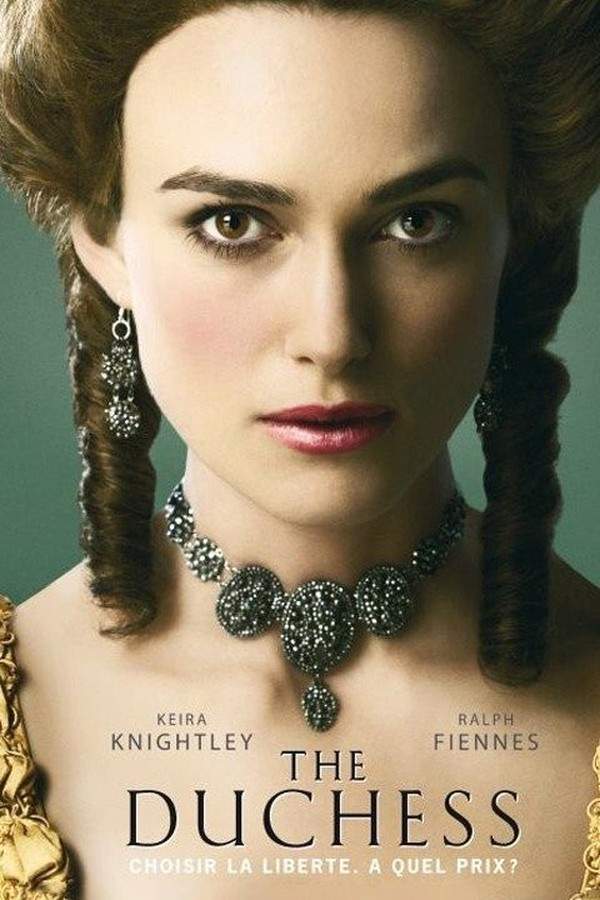
The Duchess (2008) Story Summary & Characters
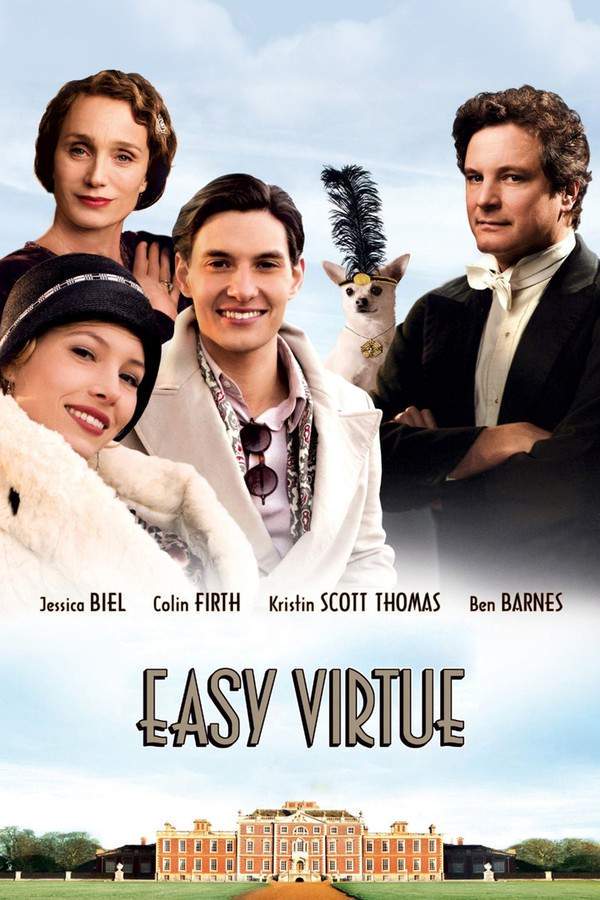
Easy Virtue (2009) Film Overview & Timeline
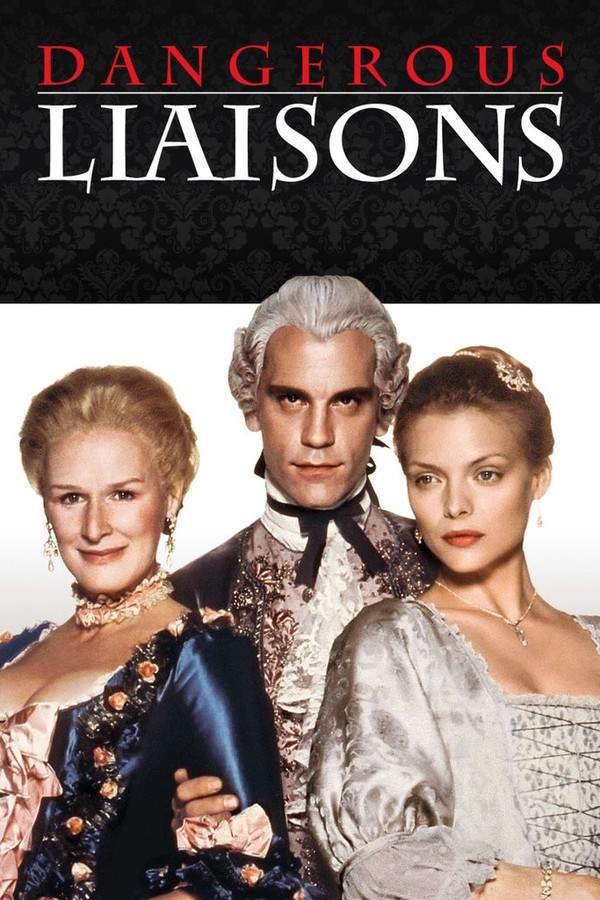
Dangerous Liaisons (1988) Movie Recap & Themes
Vanity Fair (2004) Film Overview & Timeline
Vanity Fair (1000) Spoiler-Packed Plot Recap
Northanger Abbey (1987) Complete Plot Breakdown
Vanessa: Her Love Story (1935) Ending Explained & Film Insights
Lady with a Past (1932) Complete Plot Breakdown
The Lady Refuses (1931) Full Summary & Key Details
Fanny by Gaslight (1944) Ending Explained & Film Insights
Tarnished Lady (1931) Full Movie Breakdown
Vanity Fair (1000) Film Overview & Timeline
Ivy (1947) Full Summary & Key Details
Vanity Street (1932) Complete Plot Breakdown