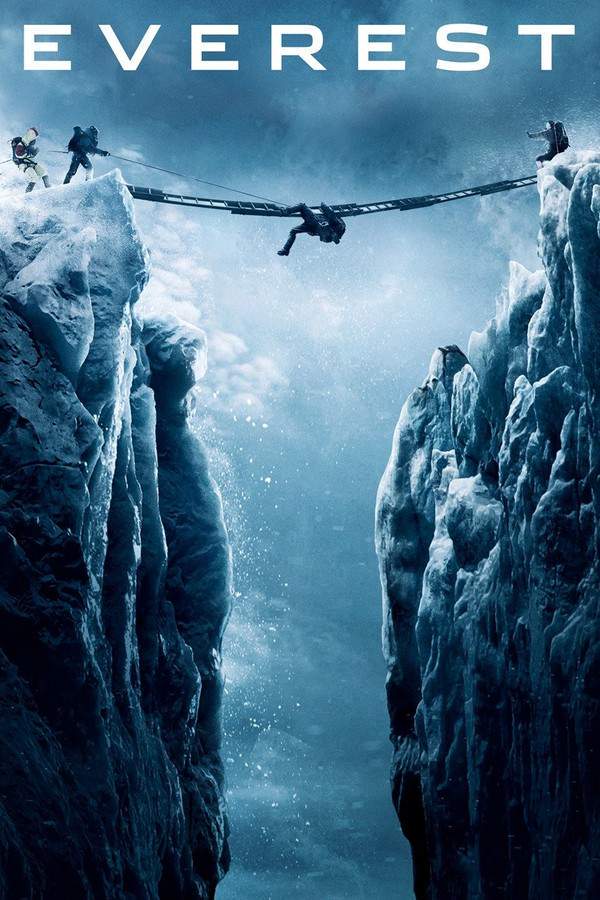
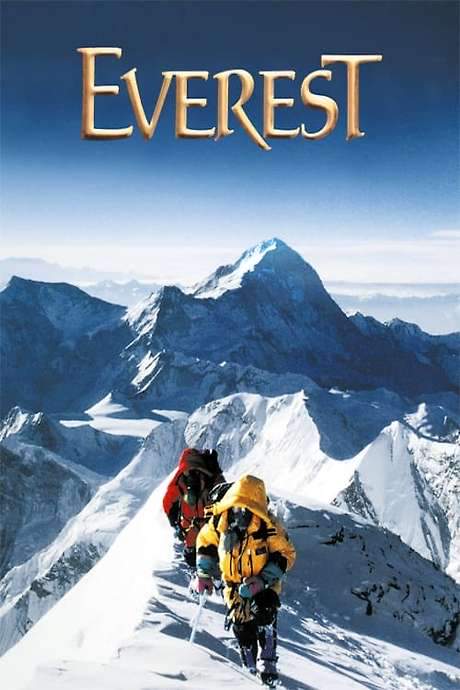
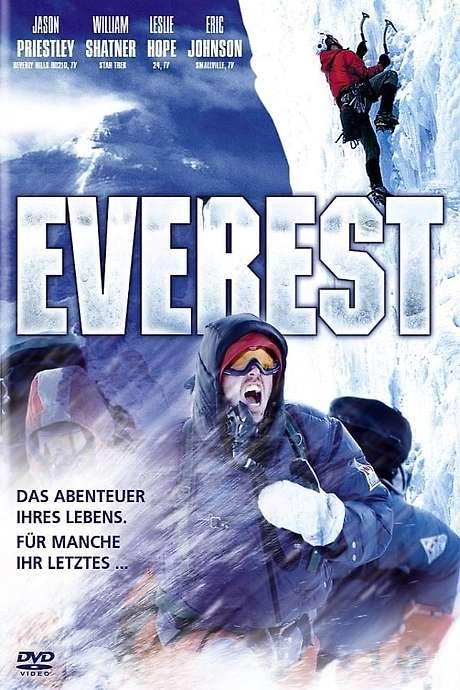
The ending of Everest is a sober reminder of the mountain’s unforgiving danger. After the disaster, the surviving climbers are reunited with their loved ones, with Beck returning home severely frostbitten and having lost his nose and both hands due to his ordeal. His rescue was one of the film’s most dramatic moments, made possible by the brave efforts of the rescue team and his wife Peach, who insisted on getting him off the mountain despite the extreme risks involved. The film shows Beck’s long road to recovery, emphasizing how close he came to death and how much he had to overcome physically and emotionally.
In the mountain’s treacherous descent, Beck and Yasuko were mistakenly believed to be beyond help and were left behind by overwhelmed climbers trying to prioritize those they thought still had hope. Unfortunately, Yasuko died during that night, and Beck was left to fight the freezing conditions alone. His survival was due in part to his resilience and the extraordinary rescue efforts that eventually saved him. The scene where Andy Harris’s hallucinations lead him to tear off his clothes and slip down Everest symbolizes the deadly effects of hypoxia and hypothermia, which impair judgment and can cause climbers to act against their own survival. His fate remains uncertain in real life, but the film depicts his tragic end as a cautionary reminder of how extreme Everest’s conditions are.
The movie underscores that the key danger on Everest isn't just the mountain itself, but the inexperience and underestimation of its risks. Many victims were climbers who lacked the skills or knowledge necessary to handle such extreme conditions, often exacerbated by hurried ascents and competitive pressure. The film’s portrayal ultimately reveals that Everest is a brutal and deadly challenge that demands respect and preparation.
The ending drives home the harsh reality that Everest is a mountain that can easily take lives, regardless of bravado or experience. The final shot of Rob Hall’s body frozen in the snow serves as a powerful testament to its peril. The film’s tone remains somber and realistic, emphasizing that even with courage and effort, nature often has the last word. While the story aims to honor those who faced its dangers, it also leaves viewers with a sobering reflection on the risks and sacrifices involved in climbing the world’s highest peak. The mixed critical response indicates that Everest’s conclusion succeeds in its authenticity but can feel emotionally distant for some, balancing factual truth with the challenge of creating a deeply resonant story. Ultimately, the film reminds us that Everest’s allure is shadowed by the very real threat of death, a truth as relevant today as it was in 1996.