Plot Explained Spoilers guaranteed!
Plot Explained

Browse by genre

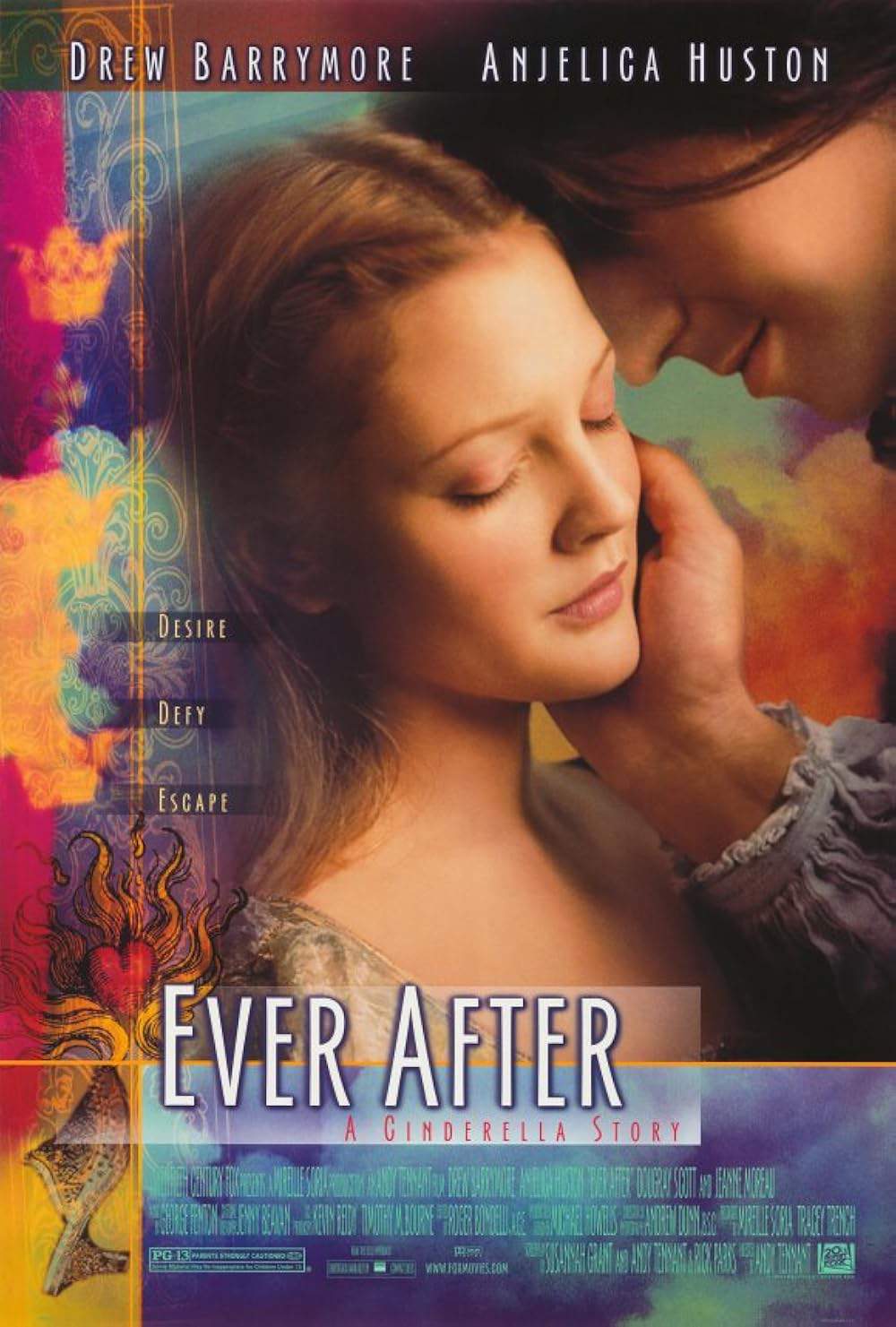
Ever After (2018) movie poster

Plot Summary

Ever After (2018) Plot Summary Explained

Release, runtime and language
2018 · 90 mins · German
Loading streaming availability…
Directed by
Carolina Hellsgård
Starring
Trine Dyrholm, Barbara Philipp, Maja Lehrer, Marco Albrecht, Yûho Yamashita, Axel Werner
Budget
$1.8M

After a zombie apocalypse wipes out most of humanity, survivors Vivi and Eva find refuge in the last strongholds of Weimar and Jena. They must work together to combat the undead hordes and confront the painful memories that haunt them, struggling to rebuild a world shattered by loss and overrun by the terrifying undead.

On this page (5)
  1. 1 Where to watch
  2. 2 What happens: full plot
  3. 3 Plot questions answered
  4. 4 Movie threads
  5. 5 Every angle
Loading streaming availability…

Full plot summary · contains spoilers

What Happens in Ever After: Full Plot Summary

The whole story of Ever After (2018) explained, from the opening scene to the final frame: every key event, every twist and what it all adds up to. Read it as a quick recap before the sequel, to check a scene you missed, or to finally understand what really happened.

The film opens with a playful, meta storytelling frame: the Brothers Grimm are invited to meet a formidable Grande Dame who expresses disappointment with their version of Cinderella. She lays out a twist on the familiar tale by presenting a portrait and a glass slipper as concrete evidence of a story that blends myth with historical truth, inviting the audience to see the legend through a different lens.

Set in the French Renaissance, the narrative follows Danielle, the daughter of Auguste de Barbarac, who has been forced into servitude under her harsh stepmother, the Baroness Rodmilla de Ghent, and her two sisters. Daniell e’s daily life is defined by chores and quiet resilience as she navigates a world where class and privilege shape every interaction. In a tense early moment, she unexpectedly crosses paths with Prince Henry, who is fleeing an arranged betrothal to Princess Gabriella of Spain. What begins as a chance encounter—Henry slipping Danielle a small bribe for secrecy—soon unfolds into a sequence of risks and choices that reveal her courage, intelligence, and unwavering sense of self.

Henry’s escape is intercepted by the Royal Guard after he intervenes to stop bandits who threaten Leonardo da Vinci, whom King Francis has invited to the royal court. This act of protection deepens Henry’s conscience and indirectly links Danielle to the life of the court. To safeguard her new-found opportunity, Danielle disguises herself as a noblewoman and uses Henry’s bribe to secure a place at the palace, where she hopes to reclaim Maurice, a loyal companion who had been sold by Rodmilla. The jailer is challenged and Danielle’s argument with him leaves a mark on Henry, who orders Maurice’s release after witnessing her determination.

To protect her true identity, Danielle adopts her late mother’s name, Countess Nicole de Lancret, at the moment the court prepares for a grand masquerade ball. The king’s ultimatum adds dread and urgency to the plot: Henry will announce his engagement to the woman of his choosing at midnight, or the king will declare his engagement to Gabriella. Rodmilla doubles down on her scheming, nudging Henry toward Marguerite while neglecting Jacqueline, a dynamic that plants seeds of tension and sympathy within the palace walls. Danielle begins spending secret moments with Henry, and a fateful outing to the library of Franciscan monks hints at a broader world beyond the castle.

A moment of danger and romance arises when a gypsy troupe ambushes them; Danielle’s bravery and warmth charm the gypsy leader, who offers help instead of harm, and the pair share their first quiet kiss in a moment shaded by possibility and secrecy. Rodmilla and Marguerite intensify their plot to steal Nicole’s gown and the famed glass slippers so Marguerite can present herself as the court’s perfect match. Tensions escalate as Marguerite insults Nicole, and Danielle defends her mother’s memory, while Jacqueline voices sympathy for Danielle and disapproves of Marguerite’s cruelty.

A high society luncheon hosted by Queen Marie becomes a turning point: Rodmilla and Marguerite deduce Danielle’s true identity as Countess Nicole de Lancret, confounding the confidences of the palace. Danielle arrives to confront her truth, but Henry’s resolve wavers under the weight of danger and reputation, and she flees in fear of jeopardizing his standing. Gustave helps by attending the ball in Nicole’s attire to recruit Leonardo’s help for an escape plan, while Leonardo, Gustave, Paulette, and Louise quietly prepare Danielle’s disguise in the same garments Nicole once wore.

Danielle returns with a heartfelt resolve to reveal her truth to Henry, but Rodmilla exposes her again, and Henry’s heart falters as he misreads the situation. He breaks with the ball’s ceremony and clasps, only to discover that Rodmilla has driven Danielle away by selling her to Pierre Le Pieu after the ball. Henry and Laurent mount a rescue mission, only to find Danielle has already freed herself. In a moment of reconciled devotion, Henry apologizes, professes his love, and completes the challenge of true recognition by fitting the glass slipper on Danielle’s foot, sealing their bond with a quiet, lasting certainty.

With the couple’s future now secured, royal justice arrives for Rodmilla, Marguerite, and Jacqueline. They are summoned to account for their lies and misuse of power; while Marguerite and Rodmilla fear exile, Danielle’s grace prevails. Instead of vengeance, she calls for fairness, asking that Rodmilla be afforded the same courtesy she had shown Danielle. The verdict leaves Rodmilla and Marguerite stripped of titles and relegated to the palace laundry as a humbling consequence of their schemes.

In the final chapters, Danielle and Henry build a university, a lasting contribution that embodies the couple’s values: education, inquiry, and opportunity. Leonardo’s portrait of Danielle is preserved as a gift to the couple and eventually passed down to the Grande Dame, a reminder of the lineage that shaped their fate. The Grande Dame closes the tale by summing up the moral: while Danielle and Henry’s lives go on to enjoy a form of happily ever after, the important takeaway is that they lived—together, with purpose, and with a commitment to a better future. The story, framed by the Grande Dame’s reflection on truth and legend, lingers with a sense of quiet triumph and enduring possibility.


Last updated: October 01, 2025 at 13:05

Was this helpful?

Plot questions answered

Ever After Plot Explained: Your Questions Answered

The questions people ask most about Ever After (2018): what happens in the confusing scenes, why the characters do what they do, the twists, hidden details and what the ending means. Each answer contains spoilers.

Q1

Why does Danielle disguise herself as a noblewoman to enter the palace?

Danielle disguises herself as Countess Nicole de Lancret to gain access to the palace where she can rescue Maurice, a loyal servant who was sold by Rodmilla. She uses the bribe money Henry gave her to secure her place at court, believing this is the only way to free Maurice from imprisonment.

Foreshadowing: The disguise is possible because Danielle adopts her late mother's name, Nicole, connecting to the gown and slippers she later wears.

  • danielle disguise
  • palace
  • countess nicole
  • maurice rescue
Q2

Why does Henry agree to marry Princess Gabriella despite his feelings for Danielle?

Henry agrees to marry Gabriella after he mistakenly believes Danielle betrayed him by arriving at the ball in Nicole's gown while still being disguised. His rejection stems from feeling deceived and hurt, leading him to default to the king's arranged marriage as his duty.

Foreshadowing: Henry's tendency to prioritize duty over his heart appears when he first flees the arranged betrothal, showing his conflict between desire and obligation.

  • henry
  • princess gabriella
  • marriage
  • rejection
  • duty
Q3

Why does Rodmilla sell Danielle to Pierre Le Pieu after the ball?

Rodmilla sells Danielle to punish her for refusing to reveal where the glass slippers and Nicole's gown were hidden. After Danielle escapes captivity using Leonardo's help, Rodmilla's desperation to eliminate her rival leads to this cruel act of selling her to a miller.

Foreshadowing: Rodmilla's cruelty intensifies throughout the film, from burning Auguste's gift to imprisoning Danielle in the pantry.

  • rodmilla
  • pierre le pieu
  • sale
  • punishment
  • slavery
Q4

How does the glass slipper fit Danielle at the end when she already left the ball?

Leonardo leaves a single glass slipper behind at the ballroom after Danielle flees. When Henry later searches for her and apologizes, he produces the slipper and successfully fits it on her foot, confirming her true identity and sealing their reunion.

Foreshadowing: The slippers were central to Rodmilla and Marguerite's scheme to steal Nicole's belongings, making their presence at the climax symbolically powerful.

  • glass slipper
  • fit
  • confirmation
  • identity
  • leonardo
Q5

Why does Jacqueline help Danielle despite being part of the Ghent family?

Jacqueline shows sympathy for Danielle because she recognizes the cruelty of her mother Rodmilla and sister Marguerite. She criticizes Marguerite's treatment of Danielle and eventually informs Maurice about Rodmilla selling Danielle, helping Henry locate her.

Foreshadowing: Jacqueline's disapproval of Marguerite's cruelty is evident when she speaks against the burning of Auguste's gift.

  • jacqueline
  • help
  • sympathy
  • ghent family
  • betrayal
Q6

Why does Danielle ask for mercy for Rodmilla instead of harsh punishment?

Danielle asks the court to show Rodmilla and Marguerite the same courtesy they showed her, working in the palace laundry, because she believes in fairness over revenge. Her grace demonstrates her moral strength and refusal to become like those who oppressed her.

Foreshadowing: Danielle's kindness and resilience throughout the film establish her character as compassionate despite suffering.

  • danielle
  • mercy
  • rodmilla
  • punishment
  • fairness
  • forgiveness
Q7

Why is the story framed by the Grande Dame and what is her connection to Danielle?

The Grande Dame presents herself as a descendant of Danielle and Henry, revealing that Leonardo's portrait of Danielle has passed down through centuries to her collection. She frames the tale to prove the Cinderella legend is based on her ancestor's true story.

Foreshadowing: The portrait of Danielle that Leonardo paints becomes the physical link connecting the historical couple to the Grande Dame in the present.

  • grande dame
  • framing
  • descendant
  • portrait
  • cinderella legend
Q8

What happens during the gypsy ambush and why does it matter?

During a library outing, gypsies ambush Danielle and Henry, but Danielle's bravery and warmth convince the gypsy leader to help them instead of harm them. This moment leads to their first kiss and strengthens their bond, while also showing Danielle's character beyond her servitude.

Foreshadowing: The gypsies' willingness to help foreshadows the community support that helps Danielle escape captivity later.

  • gypsy
  • ambush
  • kiss
  • bond
  • bravery
Q9

Why does Leonardo da Vinci help Danielle escape from Rodmilla's house?

Leonardo helps Danielle because he is grateful to Henry for saving him from bandits earlier in the story. When Gustave pleads for help, Leonardo uses his resources and cleverness to create a disguise and orchestrate her escape from Rodmilla's pantry.

Foreshadowing: Henry's earlier act of protecting Leonardo from bandits creates the debt that leads to Leonardo's assistance.

  • leonardo
  • escape
  • help
  • disguise
  • gratitude
Q10

Why does Henry break off his wedding to Gabriella at the ceremony?

Henry stops the wedding when he realizes Danielle is present among the guests. Having learned from Maurice and Jacqueline that Rodmilla sold Danielle, he chooses love over duty and abandons the arranged marriage to pursue reconciliation with Danielle.

Foreshadowing: This moment completes Henry's arc from a prince bound by duty to someone who follows his heart.

  • wedding
  • gabriella
  • break off
  • danielle
  • love
Q11

Why do Rodmilla and Marguerite steal Nicole's gown and glass slippers?

Rodmilla and Marguerite steal the gown and slippers so Marguerite can wear them to the masquerade ball and present herself as the mysterious Countess Nicole, hoping to capture Henry's attention and secure a royal engagement.

Foreshadowing: The stolen items become central to the identity confusion at the ball and the eventual slipper test.

  • gown
  • slippers
  • steal
  • marguerite
  • ball
  • disguise

Movie threads

More Movies Like Ever After, by Mood & Story

Curated lists built around what makes Ever After tick: the same mood, the same kind of story or the same emotional payoff. Each list explains why these movies belong together.

Hopeful post-apocalyptic stories like Ever After

Stories where survivors find light and build anew in a broken world. If you liked the hopeful resilience in Ever After, explore more movies where survivors find purpose and build new beginnings after a world-ending event. These similar stories balance the weight of loss with the triumph of the human spirit.

  • hopeful
  • resilient
  • triumphant
  • post-apocalyptic
  • character-driven
  • emotional
  • Tone: hopeful, resilient
  • Pacing: steady, character-driven
Why these movies?

The story pattern: This narrative pattern begins with a world shattered by disaster, but quickly shifts focus from survival to restoration. Characters grapple with loss and memory while forming new bonds and communities. The central conflict often involves protecting these fragile new beginnings from external threats, leading to a climax that reaffirms hope and the possibility of a future.

Why they belong together: Movies are grouped here for their shared tone of hopeful perseverance within a post-apocalyptic setting. They share a medium emotional weight, balancing genuine hardship with uplifting character arcs, and typically feature a steady pacing that allows for both character development and purposeful plot progression toward a positive resolution.

Elegant historical and fantasy retellings like Ever After

Classic stories reimagined with rich character development and heartfelt emotion. Fans of Ever After's elegant take on a classic story will enjoy these movies that reimagine familiar tales with depth and heart. Discover similar historical fiction and fantasy films that blend romance, strong characters, and a hopeful tone.

  • elegant
  • historic
  • romantic
  • hopeful
  • triumphant
  • character-driven
  • Tone: hopeful, elegant, romantic
  • Pacing: steady, purposeful
Why these movies?

The story pattern: Stories in this thread use a known framework—a classic fairy tale, a historical era, or a well-known narrative—as a springboard for deeper exploration. The plot follows the expected beats but invests heavily in character motivation and emotional truth. The journey is one of personal growth, where protagonists overcome adversity through intelligence and integrity, leading to a satisfying and emotionally resonant conclusion.

Why they belong together: These films are connected by their approach to adaptation and genre. They share an elegant, often historic aesthetic, a straightforward yet emotionally engaging narrative complexity, and a core focus on character arcs involving self-discovery and empowerment. The tone is consistently hopeful, and the pacing is steady, allowing the emotional and thematic layers to unfold effectively.

Every angle

Ever After (2018) Explained: Plot, Timeline & Characters

Everything about Ever After in one place: what happens in the plot summary, the timeline in chronological order, the characters and meaning and a spoiler-free summary. What's After the Movie adds the cast, box office and post-credit scenes.

Coming soon on iOS and Android

The Plot Explained Movie Summary App

Plot summaries, endings explained and timelines on your phone. Catch up on any movie in minutes, save your favorites and never miss a twist again.

Be the first to know when we launch. Your email stays private, always.

Learn more about the app