


Plot Explained Spoilers guaranteed!
Plot Explained

Browse by genre

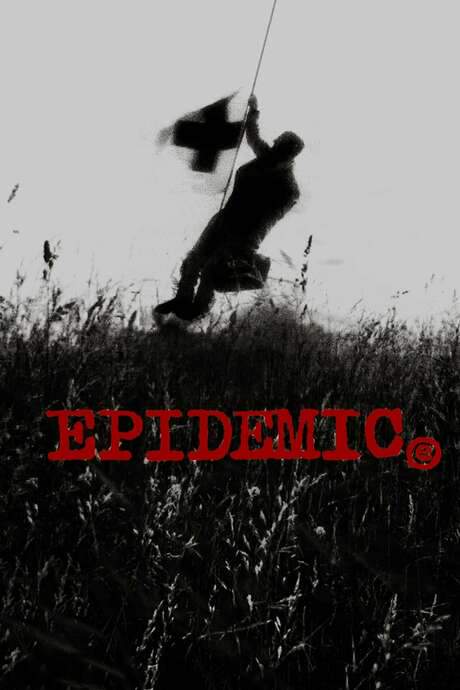
Epidemic (1987) movie poster

Characters & Themes

Epidemic (1987) Characters, Setting & Themes Explained

Release, runtime and language
1987 · 106 mins · Danish
JustWatch #23,113
Starring
Udo Kier, Lars von Trier, Michael Simpson, Leif Magnusson, Ole Ernst, Cæcilia Holbek Trier

A director and a screenwriter write a screenplay together about a globally spreading epidemic. Unbeknownst to them, an outbreak develops around them in the real world.

On this page (8)
  1. 1 Where to watch
  2. 2 Characters explained (4)
  3. 3 Where & when it takes place
  4. 4 Themes & meaning (3)
  5. 5 Character & meaning questions
  6. 6 Movie threads
  7. 7 Movies like Epidemic
  8. 8 Every angle

Where to watch

Where to Watch Epidemic (1987)

Where can you watch Epidemic? Stream, rent or buy it in the US, including on MUBI: current JustWatch availability with up-to-date prices.

Streaming availability powered by JustWatch

4 main characters · contains spoilers

Epidemic Characters Explained: Who Is Who

The main characters of Epidemic (1987), heroes and villains: what drives them, how they change over the course of the story and what each of them reveals about the film's bigger ideas.

  • Lars (Lars von Trier)

    A screenwriter figure who contends with the loss of a script and the creation of a new epidemic-centered narrative. He navigates the film’s metafictional layers, reflecting on authorship, obligation, and the way fiction can reflect or distort reality.

    • 🧑‍💼 Screenwriter
    • 🧠 Reflective
    • 🗣️ Meta-narrative
  • Niels Vørsel

    The co-writer who witnesses the unfolding disease plot and its encroachment on their fiction. He becomes entangled in the investigation of the illness’s origins and the ethical implications of their storytelling.

    • 🧭 Co-writer
    • 🕵️‍♂️ Investigator
    • 🧩 Narrative integration
  • Dr. Mesmer

    played by Lars von Trier

    A doctor who goes against the Faculty of Medicine to aid the sick in the countryside. His medical kit and actions become central to the plot, raising questions about medical ethics and the consequences of acting outside established rules.

    • 🧪 Doctor
    • 🩺 Rebel
    • 🧭 Medical ethics
  • Udo Kiev (Udo Kier)

    A guest who recounts the Allied bombing of Cologne, providing historical context that threads into the epidemic narrative. His narration links war memory to contemporary fears of disease.

    • 🗺️ War memory
    • 🗣️ Narrator
    • 🧭 Historical context

Last updated: February 18, 2026 at 23:07

Was this helpful?

Setting

Where and When Does Epidemic Take Place?

The setting of Epidemic (1987): the year and time period, the places and locations, and how they shape the characters, the mood and the tension of the story.

Time period

1980s

The events unfold in a contemporary late-20th-century setting, as screenwriters attempt to draft a new script about an epidemic. The plot alternates with historical references, notably World War II and the bombing of Cologne, suggesting a dialogue between past and present. This temporal layering situates the film within a period when metafiction and self-referential cinema were prominent. The shifting timeline highlights how memory shapes fear and narrative form.

Location

Cologne, Germany, German countryside

The narrative shifts between urban Cologne and the surrounding countryside, grounding the epidemic in a real European setting. Cologne’s wartime memory, including the Allied bombing, provides a historical texture that bleeds into the present-day metafiction. Rural scenes emphasize isolation and the strain of caring for the ill outside established institutions. The blending of medical spaces with domestic interiors mirrors the film’s meta approach to storytelling.

  • 🗺️ Europe
  • 🏥 Medical history
  • ⚔️ War history
  • 🌆 City setting

Last updated: February 18, 2026 at 23:07

Was this helpful?

3 major themes

Epidemic Meaning: Themes & Message Explained

What is Epidemic (1987) really about? The emotional, social and philosophical themes the film keeps returning to, its symbolism and the message beneath the surface.

  • Epidemic

    The outbreak drives the action, tracing how fear and contagion spread through communities. Illness acts as a catalyst that tests limits of social order and medical response. The line between fiction and reality blurs as the script mirrors real events, intensifying the sense of danger.

  • Metafiction

    A film within a film explores how writers shape reality, while reality intrudes on the narrative they create. The characters debate endings and plot turns, only to see those lines of fiction begin to manifest in real-world consequences. This meta-structure interrogates authorship, responsibility, and the power of storytelling.

  • Ethics in Medicine

    Mesmer’s defiance of the Faculty of Medicine probes medical autonomy and the moral costs of spiritual and practical intervention. The spread of the disease through medical means becomes a warning about hubris and liability. The story questions who bears responsibility when urgent action overrides caution, and how blame shifts as tragedy unfolds.

Last updated: February 18, 2026 at 23:07

Was this helpful?

Character & theme questions

Epidemic Characters & Meaning: Your Questions Answered

The questions people ask about Epidemic (1987): who the characters really are, their relationships, what the symbols mean, where it takes place and what the movie is really about. Each answer contains spoilers.

Q1

Where is the film set?

The story takes place primarily in Cologne, Germany and the surrounding German countryside. Urban Cologne provides a modern metropolitan setting, while rural areas emphasize isolation and care outside institutional medical spaces. The city's wartime history, particularly its Allied bombing during World War II, adds historical texture that echoes through the narrative.

  • cologne
  • germany
  • german countryside
  • setting
  • locations
Q2

What time period does the film take place in?

The events unfold in the 1980s, set in contemporary late-20th-century Germany. The story weaves in historical references to World War II and the bombing of Cologne, creating a dialogue between past and present. This temporal layering reflects how memory shapes fear and narrative.

  • 1980s
  • time period
  • contemporary
  • world war ii
  • historical references
Q3

How does World War II factor into the story?

The Allied bombing of Cologne during WWII provides historical context that threads through the epidemic narrative. Character Udo Kier recounts these wartime events, linking past trauma to contemporary fears of disease and catastrophe. The film suggests a cyclical nature of disaster and memory.

  • world war ii
  • allied bombing
  • cologne
  • history
  • war memory
Q4

What is the metafictional element about?

The film employs a film-within-a-film structure where screenwriters create a screenplay about an epidemic that then manifests in reality. This self-referential approach interrogates authorship, responsibility, and the power of storytelling. The characters debate plot points that subsequently come true, blurring fiction and reality.

  • metafiction
  • film within film
  • storytelling
  • authorship
  • reality vs fiction
Q5

What does the epidemic represent thematically?

The epidemic serves as both literal plot device and metaphor for how fear spreads through communities. The disease tests social order and medical response while the line between the screenplay's fictional outbreak and real-world illness blurs. This creates intensifying danger that reflects anxieties about contagion and uncertainty.

  • epidemic
  • contagion
  • disease
  • spread of fear
  • social order
Q6

What is Dr. Mesmer's role in the story?

Dr. Mesmer is a doctor who defies the Faculty of Medicine to aid the sick in the countryside. His medical kit and actions become central to the plot, raising questions about medical autonomy and the moral costs of intervention. The story questions who bears responsibility when urgent action overrides established protocols.

  • dr mesmer
  • medical ethics
  • doctor
  • medical intervention
  • faculty of medicine
Q7

Who is Lars in the film?

Lars represents a screenwriter figure who contends with the loss of a script and the creation of a new epidemic-centered narrative. He navigates the film's metafictional layers, reflecting on authorship, obligation, and how fiction can reflect or distort reality. His character embodies the film's exploration of the creator's relationship to their creation.

  • lars
  • screenwriter
  • von trier
  • authorship
  • creator
Q8

Who is Niels Vørsel?

Niels Vørsel is the co-writer who witnesses the fictional disease plot begin to encroach on their reality. He becomes entangled in investigating the illness's origins and faces the ethical implications of their storytelling. His character represents the collaborator caught between fiction and manifestation.

  • niels vorsel
  • co-writer
  • investigation
  • ethics
  • collaborator
Q9

Who is Udo Kier's character?

Udo Kier plays a guest who recounts the Allied bombing of Cologne, providing historical context that threads into the epidemic narrative. His narration bridges war memory with contemporary fears, serving as a vehicle for the film's temporal layering and connection between past and present disasters.

  • udo kier
  • guest narrator
  • war memory
  • allied bombing
  • historical context
Q10

How does the film blur fiction and reality?

The screenplay about an epidemic begins manifesting as real-world disease, with the writers' plot developments appearing in actual events. Characters debate endings and plot turns only to see those fictional lines become real consequences. This creates existential dread as the boundary between created narrative and lived experience dissolves.

  • fiction
  • reality
  • manifestation
  • boundary blur
  • consequences
Q11

What is the tone and atmosphere of the film?

The film carries a dark, intense tone rooted in existential dread and psychological horror rather than traditional scares. Variable pacing shifts between the deliberate construction of the screenplay and sudden violent intrusions of the epidemic. The atmosphere is bleak, dealing with unstoppable disease and the terrifying power of art to manifest reality.

  • tone
  • atmosphere
  • dark
  • intense
  • psychological horror
  • existential dread
Q12

What does the film say about the power of art?

The film suggests that storytelling carries dangerous creative power, the screenplay's epidemic becomes real, implying creators bear responsibility for their narratives. This explores how fiction can both reflect and distort reality, and raises questions about whether art merely imitates life or can actively shape it with devastating consequences.

  • art
  • power of storytelling
  • creative responsibility
  • manifestation
  • fiction vs reality

Movie threads

More Movies Like Epidemic, by Mood & Story

Curated lists built around what makes Epidemic tick: the same mood, the same kind of story or the same emotional payoff. Each list explains why these movies belong together.

Metafictional horror movies like Epidemic

Stories where the act of creation unleashes uncontrollable forces. Discover movies like Epidemic where storytelling becomes a dangerous act. If you liked seeing the line between fiction and reality blur in Epidemic, explore these films about artists, writers, and filmmakers whose creations come to life with terrifying consequences.

  • metafictional
  • surreal
  • anxious
  • psychological
  • unsettling
  • existential
  • Tone: dark, surreal, anxious
  • Pacing: variable, deliberate
Why these movies?

The story pattern: These narratives typically follow creators—writers, directors, artists—who are working on a project that mirrors or directly influences the disturbing events unfolding around them. The plot structure often involves a parallel between the creative process and a real-world descent into chaos, leading to a crisis of identity and reality.

Why they belong together: Movies in this thread are grouped by their shared central theme: the metafictional collapse of narrative layers. They share a dark, intellectually challenging tone, a complex structure that blends multiple realities, and a pervasive sense of anxiety about the nature of creation.
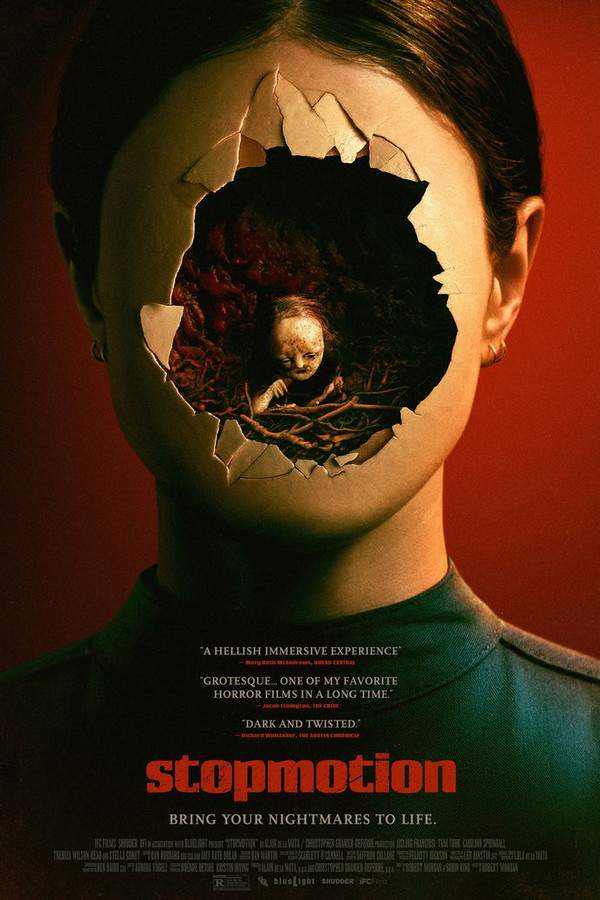
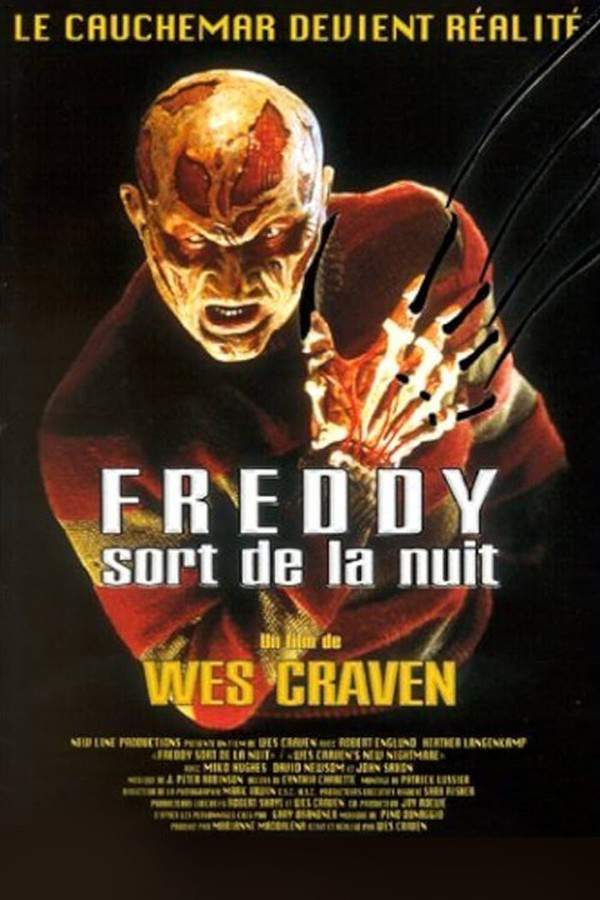
Psychological plague movies like Epidemic

A descent into chaos where disease is a metaphor for deeper dread. Find more films like Epidemic that explore the psychological horror of epidemics. If you were fascinated by Epidemic's bleak and surreal vision of an outbreak, these movies offer similar experiences where disease serves as a backdrop for existential terror and societal breakdown.

  • bleak
  • oppressive
  • existential
  • apocalyptic
  • surreal
  • anxious
  • Tone: bleak, oppressive, disorienting
  • Pacing: variable, immersive
Why these movies?

The story pattern: The narrative follows characters as they witness or are caught in an inexplicable outbreak. The progression of the disease often mirrors a psychological unravelling, leading to a bleak conclusion that emphasizes the fragility of sanity and social order rather than offering a cure or hope.

Why they belong together: These films are united by their use of a plague as a central metaphor for existential anxiety and societal decay. They share a bleak tone, heavy emotional weight, and a focus on the surreal, disorienting experience of collapse from within, rather than an external monster.

If you liked this

Movies Like Epidemic

Similar movies to Epidemic: the same genre, themes or kind of story. Each one comes with its own plot summary, timeline and ending explained.

Browse all movie summaries

Every angle

Epidemic (1987) Explained: Plot, Timeline & Characters

Everything about Epidemic in one place: what happens in the plot summary, the timeline in chronological order, the characters and meaning and a spoiler-free summary. What's After the Movie adds the cast, box office and post-credit scenes.

Coming soon on iOS and Android

The Plot Explained Movie Summary App

Plot summaries, endings explained and timelines on your phone. Catch up on any movie in minutes, save your favorites and never miss a twist again.

Be the first to know when we launch. Your email stays private, always.

Learn more about the app