Plot Explained Spoilers guaranteed!
Plot Explained

Browse by genre

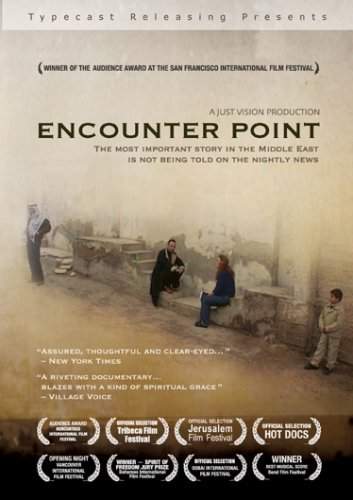
Encounter Point (2006) movie poster

Timeline

Encounter Point (2006) Timeline Explained – Every Event in Order

Release, runtime and language
2006 · 89 min · Arabic
Loading streaming availability…
Directed by
Julia Bacha, Ronit Avni

This moving documentary explores the experiences of more than 500 Palestinian and Israeli families deeply affected by loss and conflict. It portrays their difficult journey as they seek reconciliation and a path toward peace, offering a poignant look at the human impact of the ongoing struggle and the potential for connection even in the face of profound grief.

On this page (6)
  1. 1 Where to watch
  2. 2 Events in order (12)
  3. 3 Timeline questions answered
  4. 4 Movie threads
  5. 5 Movies like Encounter Point
  6. 6 Every angle
Loading streaming availability…

12 events in order · contains spoilers

Encounter Point Timeline: Events in Chronological Order

Every key event of Encounter Point (2006) in order, scene by scene, with when and where it takes place. Use it to untangle flashbacks, time jumps and parallel storylines, to refresh your memory before the sequel or to find the exact scene you are thinking of.

  1. Introduction of Robi Damelin

    The documentary opens with Robi Damelin, whose son, David, lost his life while serving in the Israeli army. His death, caused by a sniper at a checkpoint, highlights the personal toll of the ongoing conflict.

  2. Formation of the Bereaved Families Forum

    Following her profound loss, Robi joins the Bereaved Families Forum, a group that connects individuals who have experienced similar heartache. This community provides her solace and a platform for shared grief.

  3. Robi's Advocacy for Peace

    Robi becomes an active proponent for peace, striving to bridge the gap between Israeli and Palestinian families. Her story illustrates the power of empathy and understanding in the face of conflict.

  4. Introduction of Ali Abu Awwad

    Ali Abu Awwad is introduced as a key figure in the documentary, showcasing his journey toward promoting non-violence. His personal experiences serve as a backdrop to his activism.

  5. Ali's Injury and Recovery

    Ali suffers a gunshot wound delivered by an Israeli settler and is transported to Saudi Arabia for urgent medical care. His experience emphasizes the physical and emotional scars borne from the ongoing conflict.

    Where
    Saudi Arabia
  6. Devastating News of Yusef's Murder

    While recovering, Ali learns of his brother Yusef's murder at the hands of an Israeli militant. This tragedy propels him deeper into the mission of peace and reconciliation.

  7. Ali Joins the Bereaved Families Forum

    After the loss of his brother, Ali also becomes involved with the Bereaved Families Forum. He teams up with other bereaved individuals, promoting a message of non-violence and understanding.

  8. Introduction of Shlomo Zagman

    The film introduces Shlomo Zagman, a long-time resident of an Israeli settlement. His views represent a significant and challenging aspect of the Israeli-Palestinian conflict, particularly regarding extremism.

  9. Shlomo's Extremist Views

    Shlomo holds strong beliefs that Palestinians should be expelled to neighboring Arab nations. His perspective is a stark contrast to that of Robi and Ali, highlighting the diverse narratives within the region.

  10. Shlomo's Evolution

    Despite facing resistance from both family and community, Shlomo begins to challenge his previously held beliefs. This transformation illustrates the possibility of change in deeply ingrained ideologies.

  11. Formation of Realistic Religious Zionism

    Eventually, Shlomo becomes a founding member of the Realistic Religious Zionism group. His efforts are geared toward encouraging settlement residents to rethink their positions on the Occupied Territories.

  12. The Shared Goal for Peace

    The documentary culminates in a powerful message of collaboration among Robi, Ali, and Shlomo. Despite their differing backgrounds and beliefs, they unite in their aspiration for peace amidst the ongoing conflict.

Last updated: November 15, 2024 at 16:44

Was this helpful?

Timeline questions answered

Encounter Point Timeline Explained: Your Questions Answered

When does it happen, and why in that order? The questions people ask about the chronology of Encounter Point (2006): time jumps, flashbacks, cause and effect between scenes and the correct order of events, each answered with spoilers.

Q1

Why did Robi Damelin join the Bereaved Families Forum?

Robi Damelin joined the Bereaved Families Forum after her son David was killed by a sniper at a checkpoint while serving in the Israeli army. The forum connected her with other families who had also lost loved ones to the conflict, providing both solace and a platform for shared advocacy. Through this community, she found purpose in working toward peace alongside both Palestinian and Israeli families who understood her grief.

  • robi damelin
  • bereaved families forum
  • david
  • loss
  • peace advocacy
Q2

Why did Ali Abu Awwad become an advocate for non-violence?

Ali Abu Awwad became an advocate for non-violence after being shot by an Israeli settler and then learning that his brother Yusef had been murdered by an Israeli militant while he was recovering in Saudi Arabia. Rather than seeking revenge, Ali channeled his grief into joining the Bereaved Families Forum and working with both Palestinians and Israelis to promote peaceful resolution. His personal tragedies transformed him into a committed activist for non-violent resistance.

  • ali abu awwad
  • non-violence
  • yusef
  • bereaved families forum
  • transformation
Q3

Why did Shlomo Zagman change his views about Palestinians?

Shlomo Zagman, who previously held extremist beliefs that all Palestinians should be expelled, eventually changed his views despite fierce resistance from his family and community. The documentary shows his evolution as he came to believe that the Israeli settlements posed a grave threat to Israel's future. This transformation led him to co-found Realistic Religious Zionism, a group dedicated to encouraging settlers to leave the Occupied Territories.

  • shlomo zagman
  • settlement
  • realistic religious zionism
  • transformation
  • occupied territories
Q4

Why was Ali Abu Awwad transported to Saudi Arabia for medical treatment?

Ali Abu Awwad was transported to Saudi Arabia for urgent medical care after being shot in the lower body by an Israeli settler. The documentary indicates he received critical medical treatment there, which is where he was when he learned about his brother's murder. The choice of Saudi Arabia likely reflected access to medical facilities or personal connections in the region.

  • ali abu awwad
  • saudi arabia
  • gunshot wound
  • medical treatment
Q5

What is the purpose of the Bereaved Families Forum?

The Bereaved Families Forum is an organization that connects individuals who have lost family members due to the Israeli-Palestinian conflict. It provides a space for shared grief while enabling members to work together toward reconciliation and peace. Both Robi Damelin and Ali Abu Awwad joined this forum, finding community with others who understood their specific losses regardless of which side they came from.

  • bereaved families forum
  • reconciliation
  • peace
  • community
  • grief
Q6

How did David Damelin die?

David Damelin, Robi Damelin's son, was killed while serving as a soldier in the Israeli army. He was shot by a sniper at a checkpoint that was meant to protect an Israeli settlement built on Palestinian land. His death at this checkpoint highlights one of the many ways the ongoing conflict directly impacts military personnel and their families.

  • david damelin
  • sniper
  • checkpoint
  • soldier
  • death
Q7

Who killed Ali Abu Awwad's brother Yusef?

Ali Abu Awwad's brother Yusef was murdered by an Israeli militant. This devastating news reached Ali while he was recovering in Saudi Arabia from his own gunshot wound. Yusef's murder further deepened Ali's commitment to non-violence as a response to the cycle of violence affecting both communities.

  • yusef abu awwad
  • murder
  • israeli militant
  • ali abu awwad
  • brother
Q8

What is Realistic Religious Zionism?

Realistic Religious Zionism is a group co-founded by Shlomo Zagman that advocates for Israel to withdraw from the Occupied Territories. The organization's mission is based on the belief that continuing the settlements poses a grave threat to Israel's future. Shlomo uses this platform to persuade other settlers to reconsider their positions and leave the West Bank settlements.

  • realistic religious zionism
  • occupied territories
  • settlements
  • shlomo zagman
  • withdrawal
Q9

Why are the Israeli settlements on Palestinian land controversial?

The Israeli settlements built on Palestinian land are controversial because they are located in territories that Palestinians claim for a future independent state. The international community generally considers these settlements illegal under international law, and they remain a major obstacle to peace negotiations. The documentary shows how figures like Shlomo Zagman came to believe these settlements threaten Israel's long-term security and future.

  • settlements
  • occupied territories
  • palestinian land
  • controversy
  • west bank
Q10

How do checkpoints affect civilians in the conflict?

Checkpoints like the one where David Damelin was killed are security measures established by Israel in the West Bank and Gaza Strip. While intended to protect Israeli citizens, they often restrict Palestinian movement and have been sites of violence. The documentary highlights how these checkpoints create tension and tragedy for both communities, as demonstrated by the deaths of soldiers like David and the daily hardships faced by Palestinians.

  • checkpoint
  • west bank
  • security
  • palestinian movement
  • violence

Movie threads

More Movies Like Encounter Point, by Mood & Story

Curated lists built around what makes Encounter Point tick: the same mood, the same kind of story or the same emotional payoff. Each list explains why these movies belong together.

Movies about grief fueling reconciliation like Encounter Point

Powerful stories where profound personal loss sparks a difficult journey toward peace. If you were moved by Encounter Point's portrayal of loss leading to peace activism, explore more movies like it. These films, including powerful documentaries and dramas, follow individuals and communities who turn profound grief into a force for healing and social change, offering stories of hard-won hope.

  • somber
  • hopeful
  • grieving
  • heartfelt
  • uplifting
  • serious
  • Tone: hopeful, somber, heartfelt
  • Pacing: steady, reflective
Why these movies?

The story pattern: The narrative pattern begins with a foundational tragedy or loss that defines the characters' world. Instead of succumbing to despair or vengeance, they embark on a difficult, often non-linear path toward healing and reconciliation. The central conflict is both internal (grappling with pain) and external (navigating hostile environments), culminating not in a tidy resolution but in a renewed sense of purpose and connection.

Why they belong together: These films are grouped together because they share a unique emotional alchemy: they balance the heavy weight of sadness with a dominant, active tone of hope. They feature steady, character-driven pacing and focus on the realistic, challenging process of building bridges from a place of deep personal suffering.
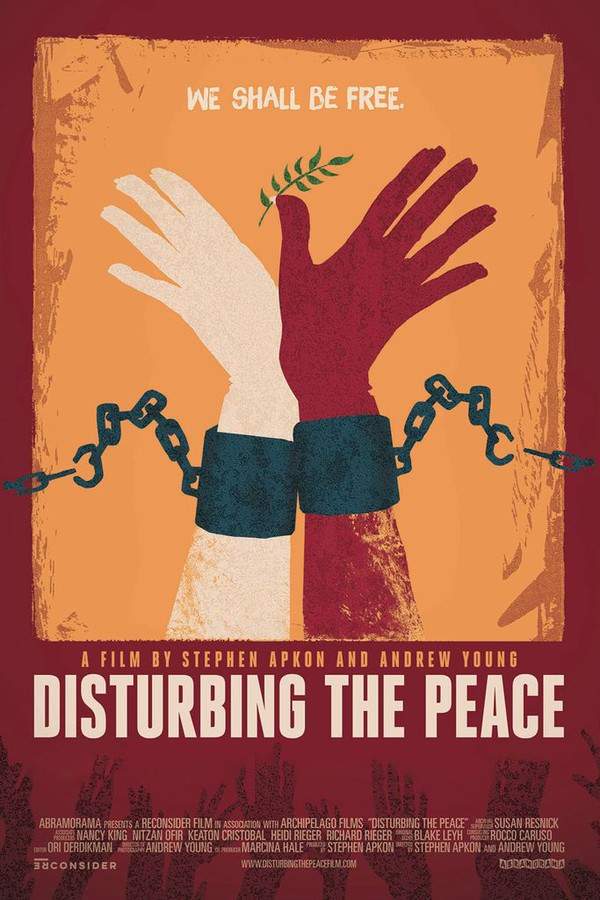
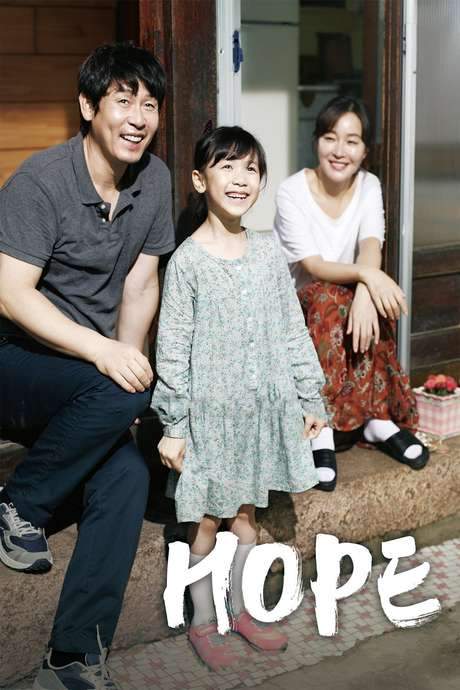
Personal stories within political conflict like Encounter Point

Ground-level views of large-scale conflicts, told through deeply personal human stories. Seeking more films like Encounter Point that explore political issues through personal narratives? This collection features movies that delve into conflicts like the Israel-Palestine struggle, war zones, and social upheaval by focusing on the heartfelt, candid stories of ordinary people and families striving for a better future.

  • serious
  • candid
  • heartfelt
  • reflective
  • somber
  • realistic
  • Tone: serious, candid, reflective
  • Pacing: steady, straightforward
Why these movies?

The story pattern: Narratives in this thread use a straightforward, often chronological structure to follow individuals or families as they navigate the pressures of a larger political conflict. The plot is driven by their personal struggles, relationships, and moral choices, which illuminate the human cost of the overarching issue. The focus is on emotional truth and character transformation rather than providing a comprehensive political analysis.

Why they belong together: These movies are united by their method: using intimate, character-driven storytelling to make vast political issues relatable and emotionally resonant. They share a steady pacing, a serious and reflective mood, and a commitment to showing the human face of conflict, often with a heartfelt or hopeful perspective.

If you liked this

Movies Like Encounter Point

Similar movies to Encounter Point: the same genre, themes or kind of story. Each one comes with its own plot summary, timeline and ending explained.

Browse all movie summaries

Every angle

Encounter Point (2006) Explained: Plot, Timeline & Characters

Everything about Encounter Point in one place: what happens in the plot summary, the timeline in chronological order, the characters and meaning and a spoiler-free summary. What's After the Movie adds the cast, box office and post-credit scenes.

Coming soon on iOS and Android

The Plot Explained Movie Summary App

Plot summaries, endings explained and timelines on your phone. Catch up on any movie in minutes, save your favorites and never miss a twist again.

Be the first to know when we launch. Your email stays private, always.

Learn more about the app