Plot Explained Spoilers guaranteed!
Plot Explained

Browse by genre

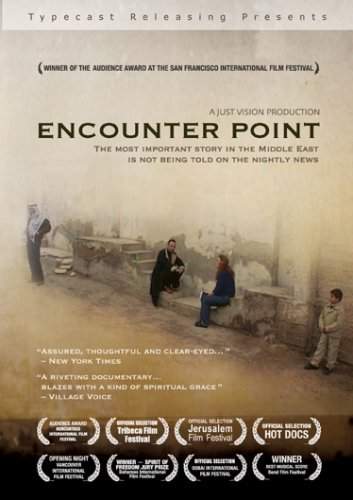
Encounter Point (2006) movie poster

Spoiler-Free Summary

Encounter Point (2006) Spoiler-Free Summary – What It's About

Release, runtime and language
2006 · 89 min · Arabic
Loading streaming availability…
Directed by
Julia Bacha, Ronit Avni

This moving documentary explores the experiences of more than 500 Palestinian and Israeli families deeply affected by loss and conflict. It portrays their difficult journey as they seek reconciliation and a path toward peace, offering a poignant look at the human impact of the ongoing struggle and the potential for connection even in the face of profound grief.

On this page (7)
  1. 1 Where to watch
  2. 2 What it is about
  3. 3 Is it worth watching?
  4. 4 After you watch
  5. 5 Movie threads
  6. 6 Movies like Encounter Point
  7. 7 Every angle
Loading streaming availability…

Spoiler-free summary · safe to read

What Is Encounter Point About? (No Spoilers)

The plot of Encounter Point (2006) without spoilers: what it is about, who it follows and where it takes place, told without the twists or the ending. Enough to decide whether it is your next watch, not enough to ruin it.

In a landscape scarred by decades of tension, the documentary Encounter Point opens a quiet window onto everyday life in both Palestinian villages and Israeli settlements. The camera moves gently through bustling markets, cramped living rooms, and the stark lines of contested borders, inviting viewers to feel the weight of history without ever feeling lectured. A hushed, contemplative score underlines a tone that is both intimate and far‑reaching, suggesting that the personal grief of families can echo across entire societies.

At the heart of the film are three individuals whose stories anchor the larger mosaic. Robi Damelin is introduced as a mother whose world has been reshaped by loss, navigating a path that leads her into a community of others who share her pain. Ali Abu Awwad appears as a figure marked by personal sacrifice, quietly embodying a steadfast belief in non‑violence even as his surroundings press in on him. Shlomo Zagman arrives from a settlement where rigid ideas have long dictated daily life, yet hints of introspection begin to surface as he confronts the reality around him. Their introductions are careful, painting broad emotional strokes rather than specific incidents.

The film’s central space—the Bereaved Families Forum—acts as a fragile bridge, a gathering place where sorrow becomes a conduit for dialogue. Through candid conversations, lingering glances, and moments of shared silence, the documentary captures the tentative steps families take toward understanding each other. The visual language is deliberately restrained: lingering close‑ups on weathered hands, the soft rustle of prayer beads, the distant hum of traffic, all underscoring a mood that is both mournful and hopeful.

By focusing on these personal encounters, Encounter Point suggests that reconciliation is not a grand political decree but a collection of ordinary humans daring to look beyond entrenched narratives. The film’s measured pacing and reverent storytelling leave the audience poised on the edge of discovery, wondering how far empathy can travel when it begins in the quiet rooms of those who have known loss most deeply.

Last updated: August 10, 2025 at 09:55

Was this helpful?

What to expect

Is Encounter Point Worth Watching? What It Feels Like

Is it dark, sad, slow, intense or confusing? The mood of Encounter Point (2006) in a few tags, without a word about how it ends. Each tag opens a list of movies that feel the same.

After you watch

Seen Encounter Point? Now Read the Spoilers

Once you have watched Encounter Point (2006), come back for the full story: the plot summary with spoilers, the timeline in chronological order, the characters and meaning.

Movie threads

More Movies Like Encounter Point, by Mood & Story

Curated lists built around what makes Encounter Point tick: the same mood, the same kind of story or the same emotional payoff. Each list explains why these movies belong together.

Movies about grief fueling reconciliation like Encounter Point

Powerful stories where profound personal loss sparks a difficult journey toward peace. If you were moved by Encounter Point's portrayal of loss leading to peace activism, explore more movies like it. These films, including powerful documentaries and dramas, follow individuals and communities who turn profound grief into a force for healing and social change, offering stories of hard-won hope.

  • somber
  • hopeful
  • grieving
  • heartfelt
  • uplifting
  • serious
  • Tone: hopeful, somber, heartfelt
  • Pacing: steady, reflective
Why these movies?

The story pattern: The narrative pattern begins with a foundational tragedy or loss that defines the characters' world. Instead of succumbing to despair or vengeance, they embark on a difficult, often non-linear path toward healing and reconciliation. The central conflict is both internal (grappling with pain) and external (navigating hostile environments), culminating not in a tidy resolution but in a renewed sense of purpose and connection.

Why they belong together: These films are grouped together because they share a unique emotional alchemy: they balance the heavy weight of sadness with a dominant, active tone of hope. They feature steady, character-driven pacing and focus on the realistic, challenging process of building bridges from a place of deep personal suffering.
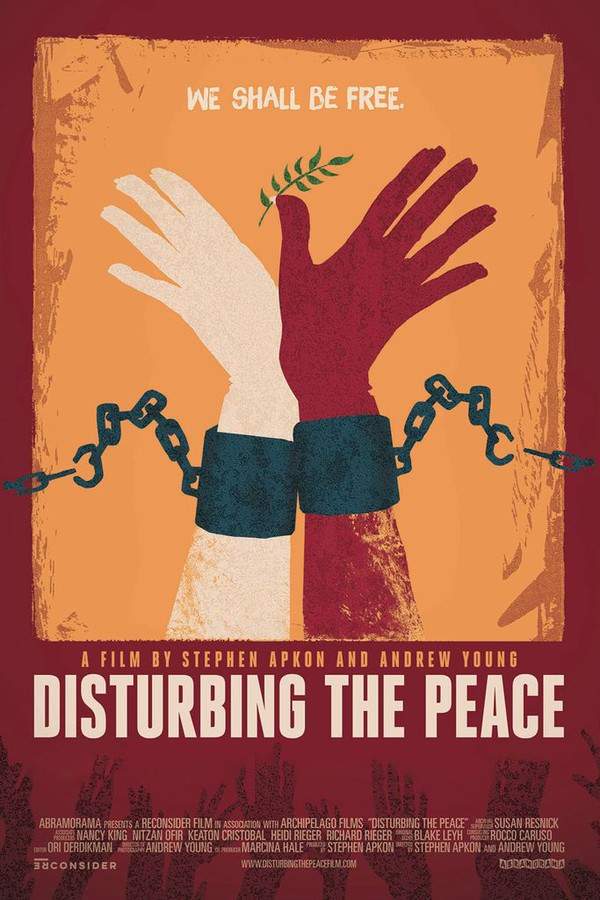

Personal stories within political conflict like Encounter Point

Ground-level views of large-scale conflicts, told through deeply personal human stories. Seeking more films like Encounter Point that explore political issues through personal narratives? This collection features movies that delve into conflicts like the Israel-Palestine struggle, war zones, and social upheaval by focusing on the heartfelt, candid stories of ordinary people and families striving for a better future.

  • serious
  • candid
  • heartfelt
  • reflective
  • somber
  • realistic
  • Tone: serious, candid, reflective
  • Pacing: steady, straightforward
Why these movies?

The story pattern: Narratives in this thread use a straightforward, often chronological structure to follow individuals or families as they navigate the pressures of a larger political conflict. The plot is driven by their personal struggles, relationships, and moral choices, which illuminate the human cost of the overarching issue. The focus is on emotional truth and character transformation rather than providing a comprehensive political analysis.

Why they belong together: These movies are united by their method: using intimate, character-driven storytelling to make vast political issues relatable and emotionally resonant. They share a steady pacing, a serious and reflective mood, and a commitment to showing the human face of conflict, often with a heartfelt or hopeful perspective.

If you liked this

Movies Like Encounter Point

Similar movies to Encounter Point: the same genre, themes or kind of story. Each one comes with its own plot summary, timeline and ending explained.

Browse all movie summaries

Every angle

Encounter Point (2006) Explained: Plot, Timeline & Characters

Everything about Encounter Point in one place: what happens in the plot summary, the timeline in chronological order, the characters and meaning and a spoiler-free summary. What's After the Movie adds the cast, box office and post-credit scenes.

Coming soon on iOS and Android

The Plot Explained Movie Summary App

Plot summaries, endings explained and timelines on your phone. Catch up on any movie in minutes, save your favorites and never miss a twist again.

Be the first to know when we launch. Your email stays private, always.

Learn more about the app