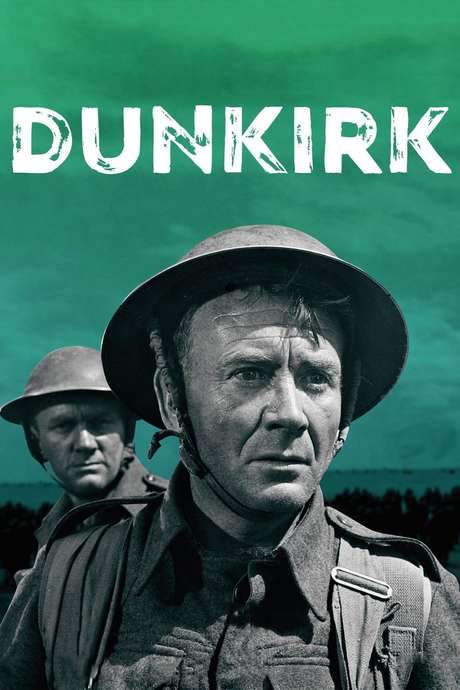
Dunkirk's ending leaves us with a mix of resolution and lingering questions. As the film concludes, Tommy and Alex escape from the chaos on the beach aboard Mr. Dawson’s boat, carrying with them a sense of relief but also uncertainty. They arrive in Woking, expecting failure or shame after their harrowing ordeal, but instead find themselves celebrated for their bravery. The contrast between their perception of defeat and the national narrative of victory highlights the film’s exploration of how stories are told and understood differently. The victory, as celebrated back home, is rooted in the grand speech and propaganda, while the soldiers themselves see their actions as a retreat, a loss. The film emphasizes that heroism can look different depending on perspective.
Meanwhile, the story of Mr. Dawson, the civilian boat owner, culminates in his saving a pilot and some soldiers, but at a personal cost. His heroic act leads to the death of George, a young soldier pushed down the stairs by a panicked comrade. Dawson and his son lie to the soldier about George’s fate, choosing to preserve the story of heroism rather than the harsh reality. Their decision underscores how the power of storytelling often outweighs the truth in shaping collective memory and morale.
In the "Sea" segment, Dawson’s calm desperation shows how ordinary people are pushed to their limits by war. His efforts to save soldiers are driven by emotion, and in the end, he and his son embellish the story to protect the memory of their brave friend, George. This act reveals that, in war, the stories we tell are more impactful than the facts, serving to bolster morale and honor sacrifices—sometimes at the expense of truth.
The "Air" sequence is the most temporally compressed, yet its stakes are just as high. Farrier’s final dogfight and subsequent capture symbolize the relentless pressure of duty and sacrifice. The film ends with him being led away to a prisoner of war camp, and the story concludes with an ambiguous note—Farrier's fate unknown, and the future of the war still uncertain. Nolan intentionally leaves these threads open-ended, emphasizing that this moment in time is a snapshot—an intense, visceral experience that captures the chaos, heroism, and hope of Dunkirk without delving into broader political or historical conclusions. Ultimately, the ending invites viewers to reflect on the different ways stories are constructed and how individual sacrifice, collective heroism, and the perception of victory are nuanced and multifaceted, echoing Nolan’s recurring themes about storytelling, time, and duty.