Year: 2003
Runtime: 73 min
Language: English
Director: Guy Maddin
Budget: $1.6M
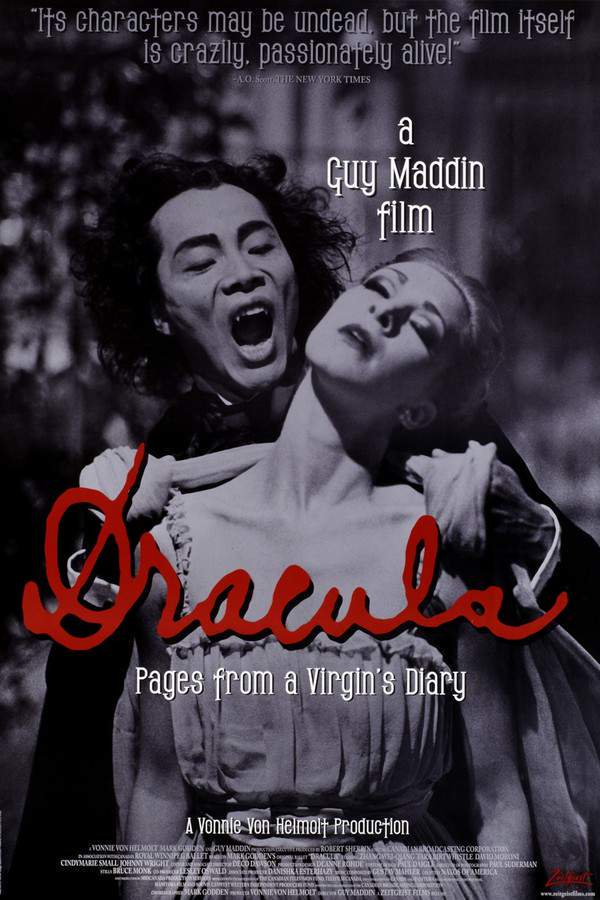
A seductive and eerie ballet adaptation of Bram Stoker's Dracula unfolds in London, where the titular character casts a spellbinding dance with the innocent Lucy. As she falls under his influence, her three suitors pledge vengeance, but their attempts only worsen the situation. With chaos erupting, Van Helsing arrives to confront the Prince of Darkness in a thrilling and dramatic showdown.
Warning: spoilers below!
Haven’t seen Dracula: Pages from a Virgin's Diary yet? This summary contains major spoilers. Bookmark the page, watch the movie, and come back for the full breakdown. If you're ready, scroll on and relive the story!
Explore the full timeline and setting of Dracula: Pages from a Virgin's Diary (2003). Follow every major event in chronological order and see how the environment shapes the story, characters, and dramatic tension.
Last updated: October 22, 2024 at 21:27
Meet the key characters of Dracula: Pages from a Virgin's Diary (2003), with detailed profiles, motivations, and roles in the plot. Understand their emotional journeys and what they reveal about the film’s deeper themes.
Last updated: October 22, 2024 at 21:27
Explore the central themes of Dracula: Pages from a Virgin's Diary (2003), from psychological, social, and emotional dimensions to philosophical messages. Understand what the film is really saying beneath the surface.
Last updated: October 22, 2024 at 21:27
Browse frequently asked questions about Dracula: Pages from a Virgin's Diary (2003) focused on characters, relationships, themes, symbols, setting, and story context. This movie info FAQ gives spoiler-aware explanations for character arcs, world details, and thematic interpretation so readers can better understand what the film is really about.
The movie is set primarily in Victorian-era London, a bustling metropolis known for its rich history and culture during the late 19th century. Castle Dracula, shrouded in mystery and darkness, serves as the antagonist's lair and symbolizes sinister power and allure.
Castle Dracula serves as the home of Count Dracula and functions as a symbol of his sinister power and seductive danger. It represents the contrast between the darkness of the supernatural world and the light of Victorian London society.
The story takes place in 1897, a period marked by significant changes in European society including the rise of science and the diminishing power of superstition. This era saw the growth of Gothic fiction and themes of horror and the supernatural that reflected societal anxieties about science and morality.
The film explores supernatural horror through Count Dracula and his vampiric powers, highlighting the fear of the unknown and the clash between modernity and ancient superstition. This horror is both physical and psychological, evident in Lucy's transformation and the struggle against manipulation by dark forces.
Love is a central theme as characters navigate relationships amid supernatural chaos. Lucy's tragic downfall reveals how love creates vulnerability, leading to betrayal as she turns against her fiancé. Mina's struggle between affection for Jonathan and Dracula's allure shows how love can be both a strength and a weakness.
The story emphasizes the courage of Van Helsing and his companions as they face Dracula's terrifying threat. Their willingness to sacrifice safety to save others and vanquish the vampire highlights bravery and the fight against evil. The final confrontation symbolizes triumph over darkness, albeit at a great cost.
Count Dracula is the enigmatic antagonist representing the story's malevolent force. With a charming demeanor, he lures Lucy and Mina, revealing his seductive and dangerous nature. He embodies Victorian-era fears regarding sexuality and the unknown, existing between life and death.
Dr. Van Helsing is the determined, knowledgeable protector of Lucy and Mina, embodying science and rationality fighting against superstition. His character is defined by unwavering courage and expertise in identifying Dracula's true nature, playing a crucial role in the battle against dark forces.
Lucy Westenra is a tragic figure whose innocence is corrupted by Dracula's influence. Initially vibrant and lively, her character transforms into a tormented soul under the vampire's spell. Her descent into darkness and eventual death underscore the horror of losing one's identity to malevolent forces.
Mina is Lucy's best friend who struggles between loyalty to Jonathan and Dracula's insidious charm. As the story progresses, she evolves from a passive figure to one who actively confronts Dracula, showcasing strength and resilience despite the psychological torment she endures.
As a ballet adaptation, the story uses expressive dance to convey emotional and psychological states rather than dialogue. This narrative compression creates a dense, relentless experience where movement and choreography replace traditional exposition, allowing the story to move swiftly through pivotal scenes.
The film reflects Victorian anxieties about sexuality, the unknown, and the clash between science and superstition. Dracula embodies the fear of corruption and the transgression of moral boundaries, while the setting of 1897 London represents a society grappling with modernity's impact on traditional values.
Discover curated groups of movies connected by mood, themes, and story style. Browse collections built around emotion, atmosphere, and narrative focus to easily find films that match what you feel like watching right now.
Erotic and atmospheric stories where supernatural allure leads to ruin.If you enjoyed the dark romanticism and supernatural dread of Dracula: Pages from a Virgin's Diary, discover more movies like it. This thread collects gothic horror stories and erotic thrillers where themes of fatal attraction, female seduction, and the collision of desire with evil create a similarly intense and seductive viewing experience.
These narratives typically follow a pattern of intrusion and corruption. A supernatural or deeply charismatic force enters an ordered world, targeting an innocent or susceptible individual. The seduction is slow and atmospheric, leading to a loss of innocence, psychological torment, and often a violent or tragic confrontation as others attempt to intervene.
They are grouped by their shared focus on the erotic and destructive power of the 'other'. The mood is consistently one of gothic dread and melancholic beauty, with a fast or steadily building pacing that mirrors the inescapable pull of the central attraction. The emotional weight is heavy, dealing with themes of violation, obsession, and the high cost of desire.
Horror stories told through dance, music, or avant-garde visual artistry.Seeking more movies like Dracula: Pages from a Virgin's Diary? This thread highlights similar films that use dance, avant-garde techniques, or a strong theatrical aesthetic to tell their horror stories. These movies share a focus on visual expression, metaphor, and a unique artistic sensibility that sets them apart from standard genre fare.
The narrative in these films is often compressed or expressed symbolically. Character motivations and emotional states are communicated through physical performance—a dance of seduction, a choreographed battle, or a stylized sequence of terror. The plot serves the artistry, using its elements as a direct metaphor for the film's themes, such as using vampirism to explore desire or invasion.
They are united by their primary method of storytelling: artistic performance. This shared approach creates a specific vibe that is feverish, dramatic, and deeply atmospheric. While the subject matter may vary, the experience is consistently one of being swept up in a visually and aurally rich nightmare or dark fairy tale, where the pacing is often driven by the rhythm of the art form itself.
Don't stop at just watching - explore Dracula: Pages from a Virgin's Diary in full detail. From the complete plot summary and scene-by-scene timeline to character breakdowns, thematic analysis, and a deep dive into the ending - every page helps you truly understand what Dracula: Pages from a Virgin's Diary is all about. Plus, discover what's next after the movie.
Read a complete plot summary of Dracula: Pages from a Virgin's Diary, including all key story points, character arcs, and turning points. This in-depth recap is ideal for understanding the narrative structure or reviewing what happened in the movie.
Track the full timeline of Dracula: Pages from a Virgin's Diary with every major event arranged chronologically. Perfect for decoding non-linear storytelling, flashbacks, or parallel narratives with a clear scene-by-scene breakdown.
Discover movies like Dracula: Pages from a Virgin's Diary that share similar genres, themes, and storytelling elements. Whether you’re drawn to the atmosphere, character arcs, or plot structure, these curated recommendations will help you explore more films you’ll love.
Dracula: Pages from a Virgin's Diary (2003) Plot Summary & Movie Recap
Dracula: Pages from a Virgin's Diary (2003) Scene-by-Scene Movie Timeline
Dracula: Pages from a Virgin's Diary (2003) Spoiler-Free Summary & Key Flow
Movies Like Dracula: Pages from a Virgin's Diary – Similar Titles You’ll Enjoy
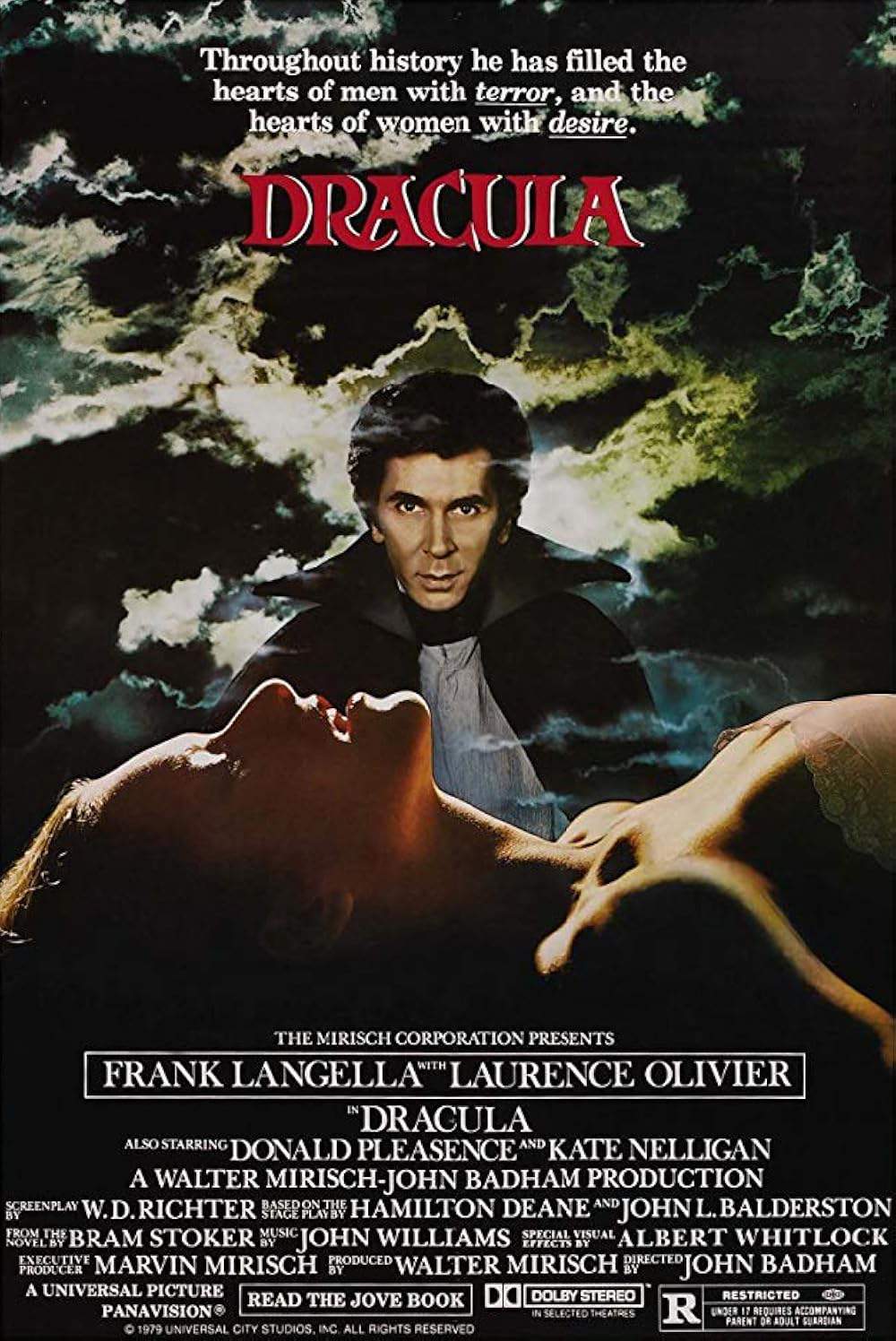
Dracula (1979) Complete Plot Breakdown
Dracula in Love (2018) Ending Explained & Film Insights
Dracula’s Fiancée (2002) Spoiler-Packed Plot Recap
Dracula’s Widow (1988) Full Movie Breakdown
Dance of the Damned (1989) Plot Summary & Ending Explained
Dracula: The Original Living Vampire (2022) Complete Plot Breakdown
Dracula: Prince of Darkness (1966) Film Overview & Timeline
The Monster of the Opera (1964) Story Summary & Characters
Drácula (1931) Complete Plot Breakdown
Dracula’s Guest (2008) Story Summary & Characters
Countess Dracula (1971) Film Overview & Timeline
The Vampire and the Ballerina (1960) Story Summary & Characters
Dracula’s Daughter (1936) Plot Summary & Ending Explained
The Return of Dracula (1958) Movie Recap & Themes
Dracula and Son (1976) Story Summary & Characters