
Dowry Kalyanam
Year: 1983
Runtime: 138 mins
Language: Tamil
Friends Ganeshan and Ethiraj become estranged after a misunderstanding that drives a wedge between them. When Ganeshan’s sister’s marriage threatens to drain his fortune, he faces near‑total loss and is compelled to swallow his pride, reaching out to Ethiraj for help, reigniting the bond.
Warning: spoilers below!
Haven’t seen Dowry Kalyanam yet? This summary contains major spoilers. Bookmark the page, watch the movie, and come back for the full breakdown. If you're ready, scroll on and relive the story!
Dowry Kalyanam (1983) – Full Plot Summary & Ending Explained
Read the complete plot breakdown of Dowry Kalyanam (1983), including all key story events, major twists, and the ending explained in detail. Discover what really happened, and what it all means.
In Thiruninravur, Ganesan and Ethiraj are lifelong friends and trusted colleagues who navigate both work and personal ties. Ethiraj, a widower, lives with his young daughter and battles a stubborn struggle with alcohol, while Ganesan is wed to Uma and shares his life with his sister Gowri and a younger brother, Natesan. As a clerk, Ganesan brings home only modest earnings, which forces him to borrow money from Ethiraj and from Rowther, a Muslim grocer who runs a nearby shop. Uma quietly urges Ganesan to begin the search for a suitable groom for Gowri, pressing him to consider Gowri’s future more carefully than his own pride might allow.
Meanwhile, Ethiraj’s mother notices the close bond between Gowri and Ethiraj’s daughter and quietly proposes that Gowri be married to Ethiraj. Ganesan is wary, and when he confronts Ethiraj with the idea, he accuses his friend of using their friendship as a front to marry Gowri. Ethiraj denies any such plan, insisting that Gowri is like a sister to him. The argument erupts with heat, threatening to rupture their friendship forever. Ethiraj leaves in tears, challenging Ganesan to never see him again.
Ganesan, determined to give Gowri a grand wedding despite the odds, meets a marriage broker. He chooses the photograph of Mangupathi, the only son of Raja Kalavai and Rushyendramani, as the prospective groom for Gowri. To cover the costs for the groom’s family visit, Ganesan is compelled to pawns Uma’s gold bangle. Rowther steps in with a lifeline, lending Rs. 200 in exchange for Ganesan’s cheaper watch, a gesture that signals a fragile but real solidarity among friends.
During the visit from Gowri’s potential in‑laws, the family tries to mask their poverty, presenting a composed front that masks the underlying strain. The first meeting goes well, and Uma and Ganesan proceed to visit Mangupathi’s parents. There they uncover a dowry-driven pressure cooker: Rushyendramani, a domineering matriarch, holds sway over the whole family, while Raja Kalavai is cowed by her. The dowry demands soon become explicit: Rushyendramani asks for Rs. 15,000, and Uma negotiates to compress this to Rs. 8,000 along with forty pounds of gold jewelry. After further bargaining, Uma secures a lower target of 25 pounds of gold and Rs. 7,500 worth of silver utensils, while Rushyendramani items off a long list of other tasks and demands.
To assemble the funds for Gowri’s wedding, Ganesan drafts letters to relatives. His paternal uncle Jalandhar Subbudu and maternal uncle Kuselan pledge their help, and even Ganesan’s elderly grandmother volunteers to cook for the family’s table. The workplace suggests borrowings from provident funds, loans, and gifts from colleagues; Rowther offers to supply the groceries needed for the wedding. [Jalandhar Subbudu] visits Thiruninravur, delivering Rs. 2,000, and Natesan secures a job at a chit funds office that requires a deposit of Rs. 1,000, which Ganesan pays. A note of anxiety hangs over the plans as Ganesan writes to Rushyendramani to explain that the family cannot meet the dowry. In his absence, Raja Kalavai visits in person and negotiates a reduction to 10 pounds of gold instead of 25, providing a temporary relief.
Soon, a cascade of complications tests the family’s resilience. Subbudu’s wife falls ill, compelling Uma to return the Rs. 1,000 she had set aside to aid him so he could return to his family. The entire Rs. 2,000 from Subbudu’s contribution is consumed by the wedding preparations and urgent bills. On the eve of the wedding, Rowther is in a road accident yet ensures the groceries are delivered on time, a selfless act that nevertheless costs him dearly as he passes away from his injuries. Natesan misappropriates Rs. 1,865 from his company fund to cover the mounting expenses, while Ganesan’s aging grandmother contributes Rs. 700 from her own savings.
A mysterious figure claiming to be Kuselan appears, and Ganesan mistakes him for his uncle. The groom’s family, along with their extended entourage, arrives at the wedding hall with a laundry list of commands. They taunt Gowri’s family and demand more and more items, threatening to cancel the wedding if their demands are not met. Rushyendramani shouts at Uma for not arranging a full kitchen, prompting Gowri’s grandmother to step forward and take on the role of cook, a move that underscores the family’s susceptibility to dowry-driven pressures.
Amid the chaos, a thief slips away from the pursuing police and blends into the throng at the wedding hall, leaving behind the very money that would have covered some of the outstanding expenses. The real DIG Kuselan finally arrives and discovers his mother, Gowri’s grandmother, being forced to work in this way. He apologizes, but she refuses to forgive him, recounting past neglect of their family. Kuselan quietly offers to assist Gowri’s wedding if his mother can forgive him and, in the meantime, provides his address.
The family continues to believe that the imposter Kuselan is truly the uncle they have been waiting for, while the truth about Kuselan’s identity remains to unfold. As the wedding progresses, Ganesan confesses to Raja Kalavai that the dowry cannot be fully paid, and the latter counsels honesty with Rushyendramani. An ultimatum is issued: the dowry must be paid by morning or the marriage will be canceled. Then the real Kuselan arrives with funds to cover the dowry, and Ethiraj appears with money of his own, reversing the estrangement that had once seemed permanent. With the money finally in hand, the wedding proceeds, and Gowri’s marriage is solemnized.
Yet even as the ceremony concludes, Gowri hints that the borrowed gold jewelry should be replaced soon, signaling that the dowry cycle may surface again in the future. Meanwhile, Neelakanda Sastrigal’s elder daughter finds herself drawn to Mangupathi’s friend, Kalyanam, hinting at a broader web of relationships that extends beyond Gowri’s wedding. In a parallel development at the same venue, Ganesan’s younger brother, Natesan, marries the daughter of the marriage hall owner, Karar Kandhasamy, without any dowry demanded, a quiet counterpoint to the central drama of the dowry system.
This is a sweeping family saga that explores loyalty, pride, and the social pressures surrounding marriage. It centers on the complexity of friendships strained by money, status, and tradition, and it asks whether true generosity can withstand the relentless demands of dowry while affirming that love and responsibility can still find a way to endure.
Last updated: October 09, 2025 at 14:49
Dowry Kalyanam (1983) Plot Questions Answered – Summary FAQ
Explore frequently asked questions about Dowry Kalyanam (1983) with spoiler-rich answers covering the full plot summary, major story beats, character motivations, hidden details, and ending meaning. This movie summary FAQ helps explain confusing scenes, plot twists, and narrative decisions in clear, searchable detail.
Why did Ganesan and Ethiraj have a fight over Gowri's marriage?
Ganesan's mother noticed the close bond between Gowri and Ethiraj's daughter and proposed that Gowri marry Ethiraj. Ganesan accused his friend of using their friendship as a front to get Gowri as a wife. Ethiraj denied this, insisting he viewed Gowri like a sister, and left in tears, challenging Ganesan never to see him again.
Earlier scenes show the two friends sharing both work and personal matters, making the sudden breach more impactful.
How did Ganesan manage to raise money for Gowri's wedding?
Ganesan borrowed from multiple sources: his uncle Jalandhar Subbudu gave Rs. 2,000, his grandmother contributed Rs. 700 from her savings, Natesan misappropriated Rs. 1,865 from his company funds, and friend Rowther provided groceries. Additionally, his workplace offered provident fund withdrawals and loans from colleagues.
Early scenes show Ganesan borrowing money from Ethiraj and Rowther, establishing his financial struggles.
What were the dowry demands in the movie?
Rushyendramani, the domineering matriarch of Mangupathi's family, initially demanded Rs. 15,000 and forty pounds of gold jewelry. After negotiations through Uma and the broker, the demands were reduced to 10 pounds of gold and Rs. 7,500 worth of silver utensils, though additional tasks and demands kept appearing.
The first meeting with the groom's family hints at their material expectations when they observe the family's modest circumstances.
Who was the mysterious man claiming to be Kuselan?
A thief fleeing from police slipped into the wedding crowd and posed as Kuselan, Ganesan's maternal uncle. The real DIG Kuselan only arrived later at the wedding hall to apologize to Ganesan's grandmother and offer financial help.
The sudden appearance of someone claiming to be an uncle and offering assistance comes right when the family needs help most, which should raise suspicion.
What happened to Rowther in the movie?
Rowther, the Muslim grocer who helped Ganesan with loans and groceries for the wedding, was hit by a road accident on the eve of the wedding while ensuring the groceries were delivered on time. He passed away from his injuries, making his final act one of selfless friendship.
Why did Natesan steal money from his company?
Natesan, Ganesan's younger brother, misappropriated Rs. 1,865 from his company fund at Kousalya Chit Funds to help cover the mounting wedding expenses. The family was desperate to meet the dowry demands and other wedding costs that had exhausted their available resources.
Earlier, Natesan secured a job that required a Rs. 1,000 deposit, which Ganesan paid, showing his involvement in the financial pressures.
How did Gowri's wedding finally take place despite all the problems?
The wedding proceeded when both the real DIG Kuselan and Ethiraj arrived with funds. Kuselan brought money to cover the dowry, and Ethiraj, despite their earlier rift, appeared with additional money. Raja Kalavai had also previously negotiated a reduced dowry of 10 pounds of gold. With these combined funds, the wedding could proceed.
Ganesan had confessed to Raja Kalavai that the dowry couldn't be paid, and the ultimatum was issued for morning payment or cancellation.
Why did Ethiraj help Ganesan after their fight?
Despite the bitter fight over the marriage proposal, Ethiraj swallowed his pride and appeared at the wedding with money to provide the remaining dowry. This act restored their friendship, showing that true friendship could withstand the strain of money and pride.
Earlier, Ethiraj's mother had proposed the match, showing the families were interconnected, making reconciliation more natural.
What happened to the stolen money at the wedding hall?
A thief fleeing from police slipped into the wedding crowd and Blend in with the guests, leaving behind money he had stolen. This money would have helped cover some of the wedding expenses, though the family didn't realize its origin.
Police pursuit is mentioned just before the thief enters the wedding scene, setting up this coincidence.
What happened to Natesan's marriage at the end?
Ganesan's younger brother Natesan married Karar Kandhasamy's daughter, the wedding hall owner, at the same venue. Importantly, no dowry was demanded for this marriage, which serves as a contrast to Gowri's difficult dowry negotiations and suggests a hopeful shift in social attitudes.

Explore Movie Threads
Discover curated groups of movies connected by mood, themes, and story style. Browse collections built around emotion, atmosphere, and narrative focus to easily find films that match what you feel like watching right now.
Movies about friendships tested by society like Dowry Kalyanam
The strong bonds of friendship are strained by rigid customs and financial pressures.If you enjoyed the way Dowry Kalyanam pits friendship against social pressure, you'll like these movies. They feature similar heartfelt dramas where the central bond between friends is pushed to its limits by external expectations, financial burdens, and complex family dynamics.

Friends with Money
2006

Life Partners
2014

Best Friends
1982

Friendship
2025

Friendship!
2010

Beware of Dogs
2014

Oh My Friend
2011

A Woman as a Friend
2014

Dinner with Friends
2001

Just Between Friends
1986

Just Friends
2023

Friends for Life
1955

Old Acquaintance
1943

Peter’s Friends
1992

My Friends
1975
Narrative Summary
These stories typically begin with a strong, established friendship that encounters a major societal obstacle. The conflict forces characters to make difficult choices, often leading to a rift. The journey involves navigating shame, financial hardship, and emotional distance, culminating in a hard-won reconciliation or resolution that reaffirms the value of the bond.
Why These Movies?
They are grouped together because they share a core theme of loyal friendship being challenged by external forces. The mood is consistently heartfelt and strained, with a steady pacing that allows the emotional weight of the conflict to build, leading to a cathartic, often hopeful resolution.
Anxious family dramas about financial strain like Dowry Kalyanam
Families navigate high-stakes social rituals under the shadow of financial ruin.Find movies similar to Dowry Kalyanam that capture the specific anxiety of a family facing financial ruin over a social event. These films explore the dramatic tension, heartfelt moments, and social commentary that arise when money troubles threaten a family's stability and happiness.

The Wedding Plan
2017
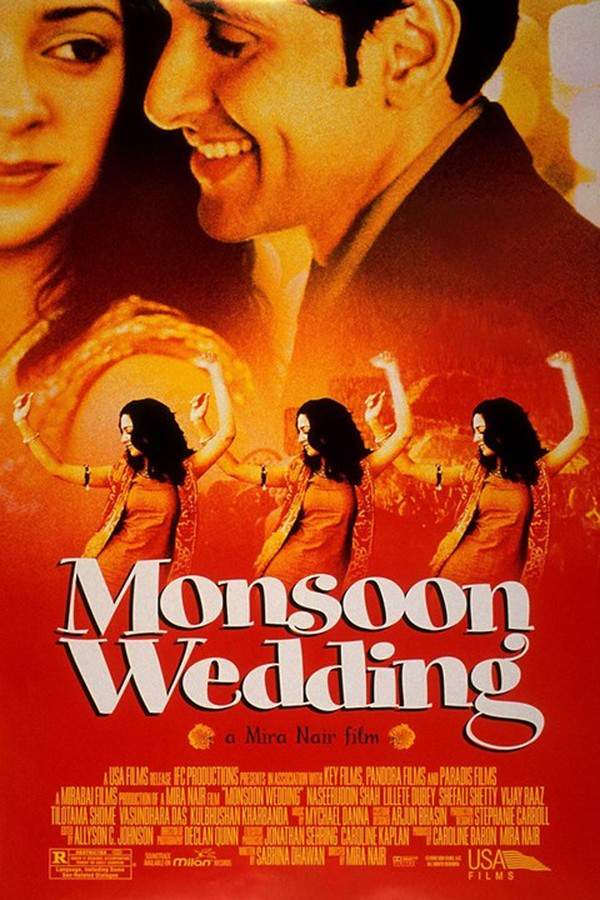
Monsoon Wedding
2002

The People We Hate at the Wedding
2022

The Family
2013

Our Family Wedding
2010

Jenny's Wedding
2015

A Family Man
2017

A Simple Wedding
2020

Four Sisters and a Wedding
2013

Aan Devathai
2018

Four Sisters Before the Wedding
2020

Money Not Enough 2
2008

The Family Star
2024

The Family Way
1966

Let’s Get Married
2023
Narrative Summary
The narrative follows a family unit as they prepare for a significant, costly event. A series of setbacks and escalating costs create a palpable sense of dread and strain. The plot revolves around finding solutions, often involving swallowed pride and seeking help, leading to a resolution that provides relief but is tempered by the sacrifices made.
Why These Movies?
These movies share a unique blend of family drama and financial thriller elements. They create a specific vibe of domestic anxiety, where everyday life is overshadowed by a looming financial crisis, resulting in a steady-paced, medium-intensity viewing experience that is both tense and emotionally engaging.
Unlock the Full Story of Dowry Kalyanam
Don't stop at just watching - explore Dowry Kalyanam in full detail. From the complete plot summary and scene-by-scene timeline to character breakdowns, thematic analysis, and a deep dive into the ending - every page helps you truly understand what Dowry Kalyanam is all about. Plus, discover what's next after the movie.
Dowry Kalyanam Timeline
Track the full timeline of Dowry Kalyanam with every major event arranged chronologically. Perfect for decoding non-linear storytelling, flashbacks, or parallel narratives with a clear scene-by-scene breakdown.

Characters, Settings & Themes in Dowry Kalyanam
Discover the characters, locations, and core themes that shape Dowry Kalyanam. Get insights into symbolic elements, setting significance, and deeper narrative meaning - ideal for thematic analysis and movie breakdowns.


