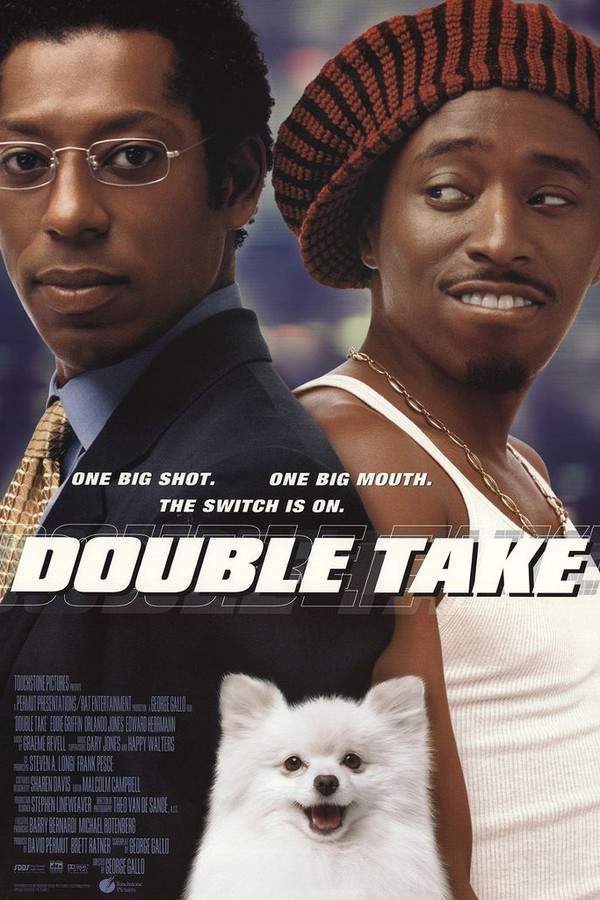
Year: 2010
Runtime: 80 min
Language: english
Director: Johan Grimonprez
This documentary/fiction hybrid explores Alfred Hitchcock’s films from the 1950s and 1960s through the lens of Cold War anxieties. Filmmaker Johan Grimonprez combines archival footage with a narrative imagining Hitchcock meeting his doppelgänger during filming. The film investigates how fear became a commodity in modern history, examining the influence of mass media, advertising, and the Hollywood studio system.
Find where to stream, rent, or buy Double Take (2010) in the US with current JustWatch availability, up-to-date pricing, and platform listings for subscription, rental, and digital purchase options.
Get a spoiler-free look at Double Take (2010) with a clear plot overview that covers the setting, main characters, and story premise, without revealing key twists or the ending. Perfect for deciding if this film is your next watch.
In a daring blend of documentary rigor and fictional imagination, Alfred Hitchcock becomes both subject and specter of a meditation on the anxieties that haunted the Cold War era. The film stitches together archival clips from the master’s 1950s‑and‑1960s catalog with newly shot sequences, creating a kaleidoscopic portrait of a Hollywood that turned fear into a marketable commodity. As newsreels, advertising jingles and classic studio portraits flicker on screen, a subtle, almost tactile tension hangs in the air—a feeling that the very images meant to entertain are also instruments of persuasion.
Amid this layered backdrop, the narrative introduces a speculative encounter: the celebrated director steps away from a bustling Universal Studios set and finds himself in a timeless, hotel‑style tearoom that seems to exist outside any specific location. Here, he meets an older version of himself, a doppelgänger whose presence amplifies the director’s own preoccupations with control, surveillance, and the uncanny. Their dialogue, rendered in hushed tones, feels less like exposition and more like a chess match of paranoia, each line echoing the omnipresent dread of a world perched on the brink of nuclear catastrophe.
The tone oscillates between austere scholarly analysis and dream‑like intrigue, inviting viewers to contemplate how mass media, advertising slogans and studio machinery conspired to shape public consciousness during those fraught decades. By positioning Alfred Hitchcock both as the creator of suspense and as a character haunted by his own legacy, the film crafts an atmosphere that is at once nostalgic and unsettling—prompting the audience to question where art ends and manipulation begins, all while never stepping beyond the initial, tantalizing premise of the imagined meeting.
Last updated: February 12, 2026 at 18:01
Discover curated groups of movies connected by mood, themes, and story style. Browse collections built around emotion, atmosphere, and narrative focus to easily find films that match what you feel like watching right now.
Films that dissect the influence of mass media through unsettling, self-aware narratives.If you liked Double Take's blend of archival footage and fiction to explore Cold War anxiety, you'll find similar films here. These movies use self-reflection and media critique to create thought-provoking and tense experiences.
Stories in this thread typically unfold through a layered structure, often juxtaposing historical footage with fictional elements. The narrative pattern involves characters confronting their own constructed realities, leading to a collapse of identity and a bleak realization about their place in a media-saturated world.
Movies are grouped here because they share a core interest in deconstructing the role of media, advertising, or propaganda. They create a specific intellectual tension through their hybrid documentary-fiction form, resulting in a paranoid and thought-provoking viewing experience.
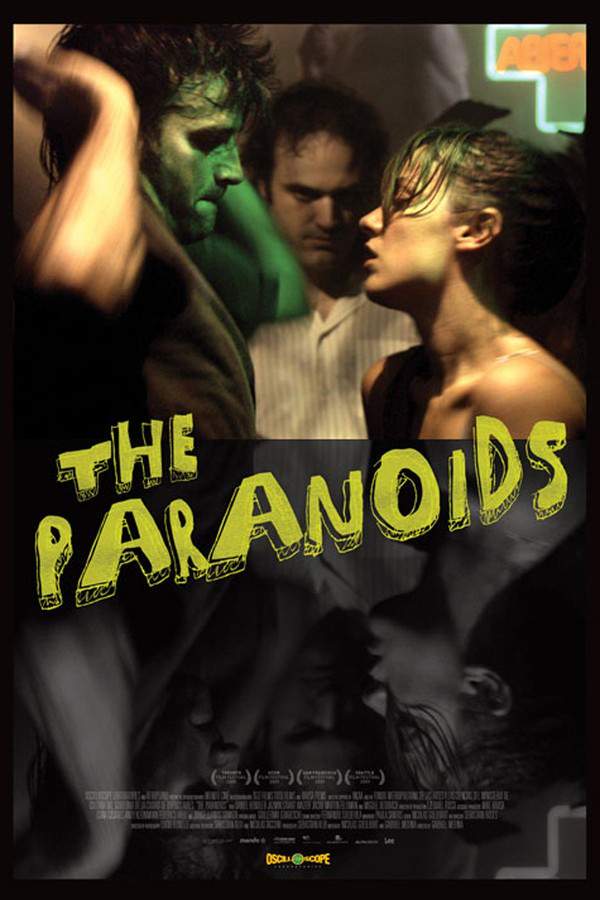
Stories where characters confront their sinister doubles, leading to existential crisis.Fans of Double Take's central conversation between Hitchcock and his double will enjoy these movies about identity crises and sinister look-alikes. These films create a specific kind of suspense rooted in existential dread.
The narrative pattern involves a character's gradual discovery and interaction with their double, which escalates into a confrontation with their own repressed fears or mortality. The journey is internal, often set against a claustrophobic backdrop, and leads to a bleak or ambiguous resolution.
These movies are grouped by their shared focus on the doppelgänger archetype as a catalyst for psychological unease. They generate a specific, foreboding atmosphere through the theme of doubled identity and the existential threat it represents.
Don't stop at just watching - explore Double Take in full detail. From the complete plot summary and scene-by-scene timeline to character breakdowns, thematic analysis, and a deep dive into the ending - every page helps you truly understand what Double Take is all about. Plus, discover what's next after the movie.
Read a complete plot summary of Double Take, including all key story points, character arcs, and turning points. This in-depth recap is ideal for understanding the narrative structure or reviewing what happened in the movie.
Track the full timeline of Double Take with every major event arranged chronologically. Perfect for decoding non-linear storytelling, flashbacks, or parallel narratives with a clear scene-by-scene breakdown.