Plot Explained Spoilers guaranteed!
Plot Explained

Browse by genre

Don’t Answer the Phone! (1980) movie poster

Characters & Themes

Don’t Answer the Phone! (1980) Characters, Setting & Themes Explained

Release, runtime and language
1980 · 95 mins · English
Loading streaming availability…
Directed by
Robert Hammer
Starring
Gary Allen, Chuck Mitchell, Nicholas Worth, Victor Mohica, Ben Frank, Denise Galik

A Vietnam‑war veteran spends his days photographing attractive women, but at night he stalks and strangles them. Driven by the haunting mantra “He’ll Know You’re Alone!”, he fixates on a late‑night radio psychiatrist’s callers, turning the psychiatrist’s patients into his next victims and using the airwaves as a hunting ground.

On this page (8)
  1. 1 Where to watch
  2. 2 Characters explained (5)
  3. 3 Where & when it takes place
  4. 4 Themes & meaning (3)
  5. 5 Character & meaning questions
  6. 6 Movie threads
  7. 7 Movies like Don’t Answer the Phone!
  8. 8 Every angle
Loading streaming availability…

5 main characters · contains spoilers

Don’t Answer the Phone! Characters Explained: Who Is Who

The main characters of Don’t Answer the Phone! (1980), heroes and villains: what drives them, how they change over the course of the story and what each of them reveals about the film's bigger ideas.

  • Kirk Smith (Nicholas Worth)

    A disturbed Vietnam veteran and methodical killer who stalks women, tortures his victims, and channels his rage through ritualistic acts. He is obsessed with control, often having imaginary conversations with his dead father, and he uses high-quality photography to document and commodify his crimes. His chilling calmness and precision make him seem unstoppable until finally confronted by Lt. McCabe.

    • 🩸 Serial killer
    • 🔪 Obsession
    • 🧭 Control
  • Dr. Lindsay Gale (Flo Lawrence)

    A psychologist with a radio show and private practice who becomes the killer's target. She shows resilience under threat, initially clashes with the detectives, and later forms a bond with Lt. McCabe, offering professional insight amidst terror. She balances clinical objectivity with compassion and remains a steady presence as the case escalates.

    • 🧠 Psychologist
    • 🎭 Authority
    • 💬 Radio show
  • Lt. Chris McCabe (James Westmoreland)

    A brusque, determined detective whose initial skepticism toward Dr. Gale gives way to partnership. He pursues Kirk with practical grit, braving danger to protect potential victims, and ultimately confronts the killer in a decisive showdown.

    • 🕵️ Detective
    • 💪 Bravery
    • ⚔️ Confrontation
  • Sam Gluckman (Chuck Mitchell)

    A pornography dealer who recognizes the killer's photographs and helps connect the case to Kirk Smith's past work. He reveals the city's underworld and provides crucial clues that steer the investigation toward the suspect.

    • 🎬 Informant
    • 🧩 Clues
    • 💼 Underworld
  • Carol (Paula Warner)

    Dr. Gale's patient who becomes one of the killer's victims. Her torture and death underscore the film's brutal stakes and the fragility of safety in a city saturated with crime.

    • 👩‍⚕️ Patient
    • 💀 Victim
    • 🔒 Vulnerability

Last updated: October 04, 2025 at 14:01

Was this helpful?

Setting

Where and When Does Don’t Answer the Phone! Take Place?

The setting of Don’t Answer the Phone! (1980): the year and time period, the places and locations, and how they shape the characters, the mood and the tension of the story.

Time period

Location

Los Angeles

Los Angeles provides a sprawling, neon-soaked backdrop for a spree of brutal murders. The city's dimly lit streets, rundown neighborhoods, and anonymous apartments create a lurid setting for the killer's stalking. The film uses this urban landscape to heighten tension as investigators piece together the pattern of Kirk Smith's crimes.

  • 🌃 Los Angeles
  • 💀 Crime thriller
  • 🎥 Exploitation cinema

Last updated: October 04, 2025 at 14:01

Was this helpful?

3 major themes

Don’t Answer the Phone! Meaning: Themes & Message Explained

What is Don’t Answer the Phone! (1980) really about? The emotional, social and philosophical themes the film keeps returning to, its symbolism and the message beneath the surface.

  • Obsession

    An all-consuming fixation drives Kirk Smith, shaping his methods and rituals. The film portrays obsession as something that distorts reality, turning fantasy into murderous acts. His control of victims, photography, and imagined conversations with his father reveal a psyche driven by unchecked hunger. The narrative links devotion to violence, hinting at how obsession can justify brutality.

  • Power & Control

    Kirk's dominance over victims and his manipulation of others demonstrate the dark side of power. Dr. Gale's professional authority is repeatedly challenged as she becomes the killer's target, while she remains morally steadfast. The detectives' pursuit tests the thin line between order and chaos, highlighting how control can slip away in the face of brutality.

  • Media & Voyeurism

    The killer uses Dr. Gale's radio show to taunt and trap victims, turning audience participation into a weapon. Investigators chase clues through the photographed victims, exposing a seedy underworld that thrives on exploitation. The film critiques how media and voyeurism can magnify violence and desensitize viewers to suffering. The tension between private trauma and public spectacle runs through the narrative.

Last updated: October 04, 2025 at 14:01

Was this helpful?

Character & theme questions

Don’t Answer the Phone! Characters & Meaning: Your Questions Answered

The questions people ask about Don’t Answer the Phone! (1980): who the characters really are, their relationships, what the symbols mean, where it takes place and what the movie is really about. Each answer contains spoilers.

Q1

Where is the movie set?

The film takes place in Los Angeles, using the city's dimly lit streets, rundown neighborhoods, and anonymous apartments as a lurid backdrop for the murders. This urban landscape creates tension and emphasizes the anonymity that allows the killer to operate.

  • los angeles
  • setting
  • location
  • urban
  • city
Q2

When does the story take place?

The film is set in 1980, reflecting the late 1970s and early 1980s era of Los Angeles depicted in the movie. The time period is implied by the film's production year and visual style.

  • 1980
  • time period
  • 1980s
  • era
Q3

What does the Obsession theme explore?

The film portrays obsession as a distorting force that turns fantasy into murderous reality. Kirk Smith's all-consuming fixation drives his methods and rituals, with his photography and imagined conversations with his dead father revealing a psyche shaped by unchecked hunger. The narrative links devotion to violence, showing how obsession can justify brutality.

  • obsession
  • Kirk Smith
  • psychology
  • fixation
  • theme
Q4

How is Power and Control depicted in the film?

Kirk's dominance over victims and manipulation of others demonstrates the dark side of power. Dr. Gale's professional authority is repeatedly challenged as she becomes the killer's target, though she remains morally steadfast. The detectives' pursuit tests the line between order and chaos, showing how control can slip away in the face of brutality.

  • power
  • control
  • dominance
  • Dr. Gale
  • authority
  • theme
Q5

What role does Media play in the movie?

The killer uses Dr. Gale's late-night radio show to taunt and trap victims, turning audience participation into a weapon. His photography documents and commodifies crimes, while the film critiques how media and voyeurism can amplify violence and desensitize viewers. The tension between private trauma and public spectacle runs throughout.

  • media
  • voyeurism
  • radio show
  • photography
  • theme
Q6

Who is Kirk Smith?

Kirk Smith is a disturbed Vietnam veteran and methodical killer who stalks, tortures, and strangles women. Obsessed with control, he uses high-quality photography to document his crimes and channels his rage through ritualistic acts. He has imaginary conversations with his dead father and fixates on Dr. Gale's radio show callers, using the airwaves as his hunting ground.

  • Kirk Smith
  • killer
  • villain
  • Vietnam veteran
  • serial killer
Q7

Who is Dr. Lindsay Gale?

Dr. Lindsay Gale is a psychologist with a late-night radio show who becomes the killer's primary target. She shows resilience under threat, initially clashing with detectives before forming a partnership with Lt. McCabe. She balances clinical objectivity with compassion and provides professional insight as the case escalates.

  • Dr. Lindsay Gale
  • psychiatrist
  • radio host
  • target
  • protagonist
Q8

Who is Lt. Chris McCabe?

Lt. Chris McCabe is a brusque, determined detective who pursues Kirk Smith with practical grit. Initially skeptical of Dr. Gale, his attitude shifts toward partnership as the case develops. He braves danger to protect potential victims and ultimately confronts the killer in a decisive showdown.

  • Lt. McCabe
  • detective
  • police
  • investigator
  • protagonist
Q9

Who is Sam Gluckman?

Sam Gluckman is a pornography dealer who recognizes the killer's photographs from Kirk Smith's past work as a photographer. He provides crucial clues that connect the case to the suspect, helping steer the investigation toward Kirk while revealing the city's underworld of exploitation.

  • Sam Gluckman
  • pornography
  • informant
  • underworld
  • clues
Q10

Who is Carol in the film?

Carol is one of Dr. Gale's patients who becomes one of Kirk Smith's victims. Her torture and death underscore the film's brutal stakes and the fragility of safety in a city saturated with crime, highlighting the killer's reach and the urgency for the detectives to stop him.

  • Carol
  • victim
  • patient
  • death
  • tragedy
Q11

What is the tone and atmosphere of the film?

The film has an overwhelmingly dark tone, defined by the killer's psychopathy, lurid violence, and themes of sexual obsession. Despite a straightforward narrative structure, the constant threat and explicit violence create heavy emotional weight. The exploitative atmosphere dominates even through the resolution.

  • tone
  • atmosphere
  • dark
  • violence
  • horror
  • thriller
Q12

What genre does the movie belong to?

Don't Answer the Phone! is a horror and thriller film, specifically falling into the subcategories of crime thriller and exploitation cinema. It features intense violence, sexual themes, and murder mystery elements typical of 1980s slasher and serial killer films.

  • genre
  • horror
  • thriller
  • exploitation
  • 1980s
  • slasher

Movie threads

More Movies Like Don’t Answer the Phone!, by Mood & Story

Curated lists built around what makes Don’t Answer the Phone! tick: the same mood, the same kind of story or the same emotional payoff. Each list explains why these movies belong together.

Gritty urban stalker thrillers like Don’t Answer the Phone!

Terrifying stories of killers who hunt their prey in the city's shadows. If you liked the unsettling urban dread of Don’t Answer the Phone!, explore more movies like it. This thread features similar thrillers and horror films where serial killers and stalkers use the anonymity of the city to hunt their victims, creating a gritty and anxious viewing experience.

  • gritty
  • sleazy
  • anxious
  • unsettling
  • oppressive
  • brutal
  • Tone: dark, oppressive, sleazy
  • Pacing: steady, methodical
Why these movies?

The story pattern: Narratives in this thread follow a cat-and-mouse structure, often from the perspectives of both the hunter and the hunted. The plot is typically straightforward, focusing on the killer's methodical stalking and the subsequent investigation or the victim's fight for survival. The cityscape—with its alleys, neon lights, and isolated apartments—provides the central, threatening backdrop for the action.

Why they belong together: Movies are grouped here for their shared focus on urban terror, the psychology of stalking, and a bleak, exploitative tone. They prioritize creating a constant, oppressive atmosphere of danger rooted in a recognizable, often seedy, reality. The pacing is steady, driving towards intense confrontations.

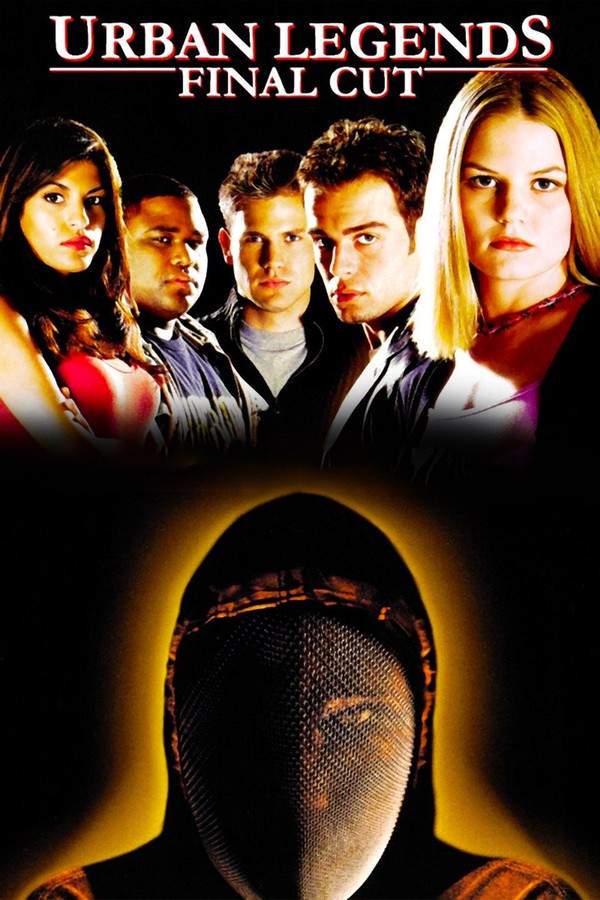
Brutal psychological exploitation horror movies like Don’t Answer the Phone!

Unflinching tales of graphic violence and psychological torment from a bygone era. For viewers who appreciated the raw, intense violence and psychological themes of Don’t Answer the Phone!, this thread collects similar exploitation horror and thriller movies. Discover more films from the same era that deliver a heavy, disturbing experience with straightforward narratives and a dark, unflinching tone.

  • brutal
  • exploitation
  • disturbing
  • intense
  • graphic
  • sleazy
  • Tone: dark, brutal, disturbing
  • Pacing: steady, focused
Why these movies?

The story pattern: The narrative pattern is typically straightforward, focusing on a cycle of violence perpetrated by a psychologically damaged antagonist. The story serves as a vehicle for delivering intense set pieces of terror and brutality. Character depth may be secondary to the atmospheric dread and the graphic depiction of the central conflict, often culminating in a violent climax.

Why they belong together: These films are grouped by their shared commitment to a high-intensity, heavy emotional experience defined by explicit violence and disturbing psychological themes. They possess a specific, unpolished aesthetic and a direct, often unsettling approach to storytelling that prioritizes impact over subtlety.

If you liked this

Movies Like Don’t Answer the Phone!

Similar movies to Don’t Answer the Phone!: the same genre, themes or kind of story. Each one comes with its own plot summary, timeline and ending explained.

Browse all movie summaries

Every angle

Don’t Answer the Phone! (1980) Explained: Plot, Timeline & Characters

Everything about Don’t Answer the Phone! in one place: what happens in the plot summary, the timeline in chronological order, the characters and meaning and a spoiler-free summary. What's After the Movie adds the cast, box office and post-credit scenes.

Coming soon on iOS and Android

The Plot Explained Movie Summary App

Plot summaries, endings explained and timelines on your phone. Catch up on any movie in minutes, save your favorites and never miss a twist again.

Be the first to know when we launch. Your email stays private, always.

Learn more about the app