
Devdas
Year: 2002
Runtime: 185 mins
Language: Hindi
Director: Sanjay Leela Bhansali
Set in early‑20th‑century Calcutta, the film follows Devdas Mukherjee, a wealthy zamindar whose love for his childhood sweetheart is thwarted by family opposition. Crushed by the loss, he spirals into heavy drinking and seeks the fleeting solace of a courtesan, illustrating his tragic resignation to fate.
Where to Watch Devdas?
Find where to stream, rent, or buy Devdas (2002) in the US with current JustWatch availability, up-to-date pricing, and platform listings for subscription, rental, and digital purchase options.






Warning: spoilers below!
Haven’t seen Devdas yet? This summary contains major spoilers. Bookmark the page, watch the movie, and come back for the full breakdown. If you're ready, scroll on and relive the story!
Timeline – Devdas (2002)
Trace every key event in Devdas (2002) with our detailed, chronological timeline. Perfect for unpacking nonlinear stories, spotting hidden connections, and understanding how each scene builds toward the film’s climax. Whether you're revisiting or decoding for the first time, this timeline gives you the full picture.
Last updated: October 09, 2025 at 16:53
Devdas (2002) Timeline Questions Answered – Chronology FAQ
Find frequently asked questions about the Devdas (2002) timeline, including chronological order, nonlinear jumps, cause-and-effect links, and scene sequence clarifications. This timeline FAQ helps explain when key events happen, how moments connect, and why the story unfolds in that specific order.
Why couldn't Devdas marry Paro?
Devdas and Paro were prevented from marrying primarily due to family opposition. Paro's mother resisted the alliance because of dowry practices and social standing concerns, while Devdas's own father Narayan Mukherjee had doubts about an early marriage. Paro's father Nilkantha Chakraborty sought a match that would secure her future based on wealth and status, ultimately viewing Devdas's proposal as insulting. The rigid social codes of early-20th-century Bengal prioritized lineage and wealth over personal happiness.
Earlier scenes show the two families living in close proximity with affectionate care, making the eventual rejection feel like a betrayal of that warmth.
Why did Devdas write to Paro suggesting they be just friends?
After fleeing to Calcutta in emotional conflict, Devdas wrote to Paro suggesting they be content as friends. This letter marked a turning point where he contemplated a life apart from her, likely influenced by his sense of guilt over failing to stand up to his family and the overwhelming pressure from both sides. The letter wounded Paro's faithful heart deeply, though Devdas later decided to return and try to win her love anyway.
The letter reflects the internal conflict Devdas felt during his flight to Calcutta, where he was torn between duty and desire.
Why did Paro marry Bhuvan Chaudhry?
Paro married Bhuvan Chaudhry, a wealthy zamindar and widower with children, because her family pursued a match that would secure her future in a society where wealth and status often dictated betrothals. After the marriage proposal failed with Devdas, Paro's father Nilkantha Chakraborty arranged this alliance to provide her with financial security and social standing, which he believed was more important than romantic fulfillment.
The earlier scenes showing Paro's mother's influence regarding dowry and social standing set the stage for this arrangement.
Why did Devdas start drinking heavily?
Devdas sank into heavy drinking and despair after being separated from Paro due to family opposition. His inability to marry the woman he loved, combined with his failure to fight for her, led him to a dissolute life in Calcutta. The heartbreak and emotional turmoil manifested in self-destruction, and his health began to fray as he oscillated between longing for Paro and the intoxication of his new world.
The moment Devdas fled to Calcutta in emotional conflict hinted at his fragile mental state and vulnerability to self-destruction.
Who was Chandramukhi and what was her role in Devdas's life?
Chandramukhi was a courtesan in Calcutta whom Devdas's friend Chunni Lal introduced him to. She became Devdas's caretaker and confidante, offering him beauty, compassion, and genuine loyalty despite his self-destructive path. She loved him with quiet, steadfast devotion and saw the real person beneath his drinking and despair. While she could not replace Paro in his heart, she provided understanding and tried to guide him toward a life worth living.
Chandramukhi's entrance into Devdas's world in Calcutta signals a shift from his earlier innocence to a life of corruption and compromise.
Why did Devdas travel to Hatipota to see Paro?
Devdas resolved to fulfill a vow to Paro by visiting her before he died, despite the distance and social barriers between them. Even as those around them feared the consequences of such a reunion and the potential gossip and scandal it might bring, Devdas made the arduous journey back toward Hatipota with the determination to see the woman he loved one last time, knowing his health was failing.
Earlier references to Devdas's wavering between longing for Paro and his current life set up this final desperate journey.
How did Devdas die at Paro's doorstep?
Devdas arrived at Paro's doorstep on a cold night after his long journey to Hatipota. His health had been severely deteriorated by years of heavy drinking and emotional turmoil. He collapsed and died before they could reconcile, making his death a final testament to a love thwarted by circumstance and time. The tragic homecoming fulfilled his vow to see her one last time, even if only in death.
The gradual decline shown throughout the film, with his health fraying from drinking, makes this outcome feel tragically inevitable.
Why was Paro prevented from going to Devdas when he died?
When Paro learned of Devdas's death, she rushed to the door, but was restrained by the people around her who feared the consequences of a public display of grief. They considered it dangerous or imprudent for her to appear at the doorstep of a man who was not her husband, especially given the strict social codes of the time that governed proper behavior for married women.
The rigid social customs that prevented their marriage now also prevent Paro from properly mourning Devdas.
What was the vow Devdas made to Paro?
Devdas made a vow to visit Paro before he died, a promise that symbolized his enduring love for her despite all the years and obstacles that had separated them. This vow represented the one final thing he needed to accomplish, and he was willing to risk everything, including facing the scandal such a visit might cause, to fulfill this promise to the woman he had never stopped loving.
Earlier moments when Devdas wrote about being content as friends reveal his internal struggle with this vow.
How did Chandramukhi know about Devdas's past with Paro?
Chandramukhi's understanding of what really happened between Devdas and Paro came through her deep emotional connection with him and her role as his confidante. She saw the person Devdas truly was beyond his self-destruction, and her insight into his history with Paro deepened the emotional ache that accompanied his decline. She recognized that his heart still belonged to Paro, which made her quiet loyalty even more poignant.
Chandramukhi's compassionate nature allows her to see through Devdas's exterior to the wound that Paro's absence created.
Why did Devdas flee to Calcutta after the marriage standoff?
After the marriage proposal failed and the elder generation resisted his wish to marry Paro, Devdas fled to Calcutta in a state of emotional conflict. He was overwhelmed by the pressure from both families and his inability to overcome the social barriers preventing their union. This departure was a decision made in despair, choosing escape over confrontation with the traditions that opposed his love.
The secret midnight plea from Paro, where she approached Devdas hoping they could forge a future together, directly preceded his flight.
What role did dowry play in preventing Devdas and Paro's marriage?
Dowry practices and concerns about social standing were significant barriers to Devdas and Paro's marriage. Paro's mother was influenced by practices that favored dowry and the social standing of the groom's family, which made her resist an alliance with Devdas. This material consideration, rather than the genuine connection between the two young people, became a deciding factor that led to the rejection of the proposal and ultimately shaped both their fates.
The story subtly introduces the families' differing priorities early on, showing how economic considerations gradually outweigh emotional bonds.
How does the story critique early-20th-century Bengali society?
The tale serves as a stark examination of Bengal's early-20th-century social customs that shaped the destinies of lovers. Devdas and Paro's romance was thwarted not by personal failing but by tradition, duty, and class distinctions. The story shows how rigid social codes, including dowry concerns, family hierarchy, and class boundaries, prevented genuine affection from finding fulfillment, ultimately leading to tragedy for both characters.
The consistent pattern of family decisions overriding personal desire builds toward this explicit social critique in the epilogue.
Why couldn't Devdas stand up to his family for Paro?
Devdas felt a weighty responsibility to honor his family's wishes and the social codes of his time, which made it impossible for him to openly defy his elders. When he told his father he wished to marry Paro, he faced resistance from the elder generation. Rather than fighting against tradition, Devdas chose to flee, showing his inability to reconcile his personal desires with the expectations placed upon him as the son of a respected Bengali family.
Even as a child, Devdas's sense of duty is evident in how he honors the affection between the two families.

Explore Movie Threads
Discover curated groups of movies connected by mood, themes, and story style. Browse collections built around emotion, atmosphere, and narrative focus to easily find films that match what you feel like watching right now.
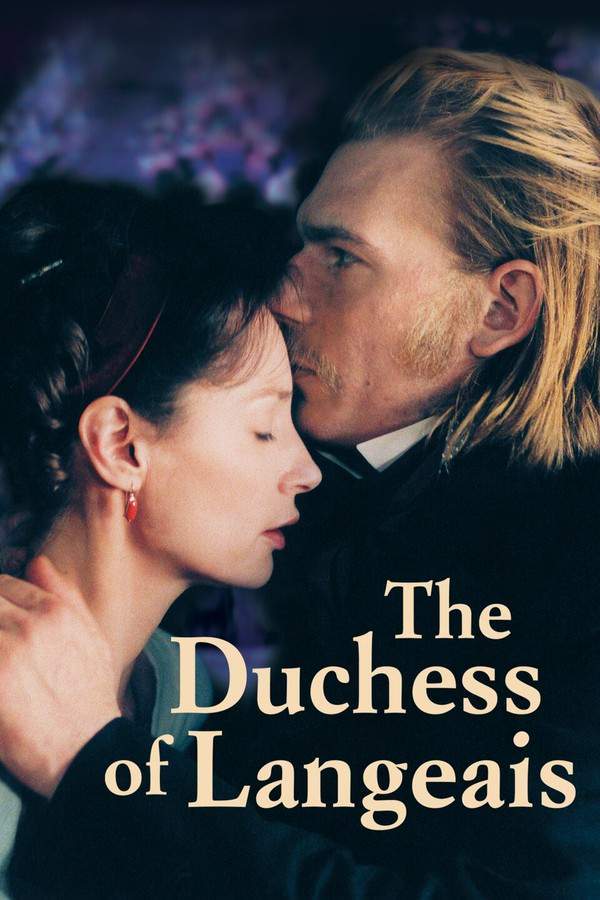
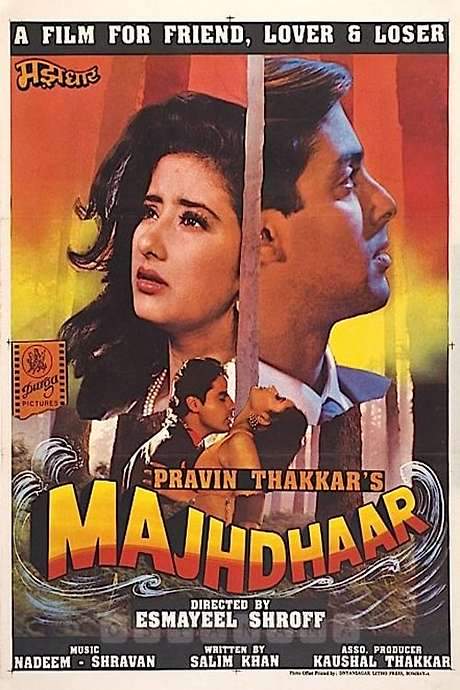
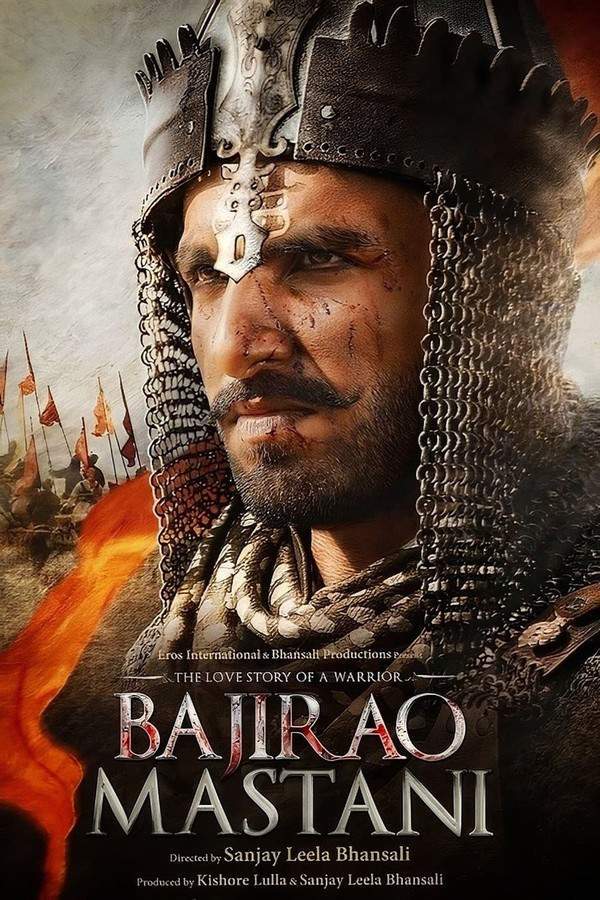
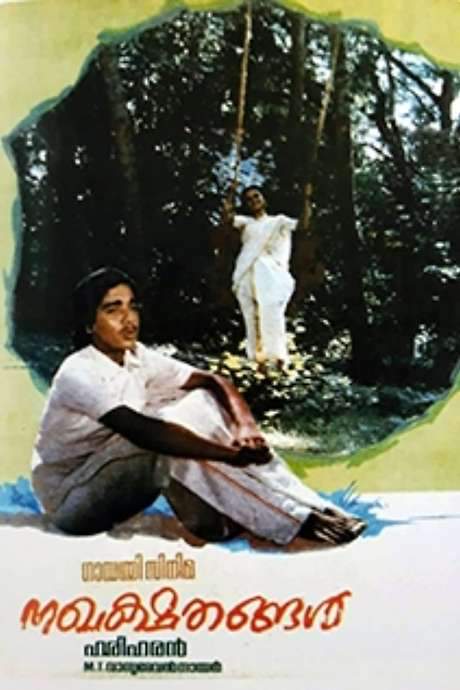
Tragic Romance Movies like Devdas
Epic love stories doomed by societal constraints and heartbreaking choices. For viewers who loved the passionate, doomed love story in Devdas. This collection features similar movies about forbidden love, where societal pressures and family duty create an insurmountable barrier to happiness, resulting in a deeply emotional and ultimately tragic narrative.








Narrative Summary
Stories in this thread typically follow a linear progression where two lovers are separated by external forces—be it family opposition, class divides, or rigid societal rules. The central conflict pits intense personal passion against impersonal duty, often leading to a spiral of despair, self-destruction, or sacrifice, culminating in a sorrowful conclusion.
Why These Movies?
These films are grouped together because they share a core focus on a romance that is both intensely beautiful and fundamentally doomed. They generate a powerful, melancholic mood through the collision of deep emotion with unyielding social structures, creating a consistent vibe of tragic inevitability and heavy emotional weight.
Movies about Self-Destruction like Devdas
Character-driven dramas about a slow, tragic unraveling fueled by loss. If you were captivated by Devdas's slow, poignant spiral into alcoholism and despair, explore these similar character studies. These movies delve into the psychology of self-destruction, where a major loss triggers a gradual but inevitable decline, portrayed with high emotional intensity and a melancholic tone.
Devdas
2002

The Last Time I Committed Suicide
1997
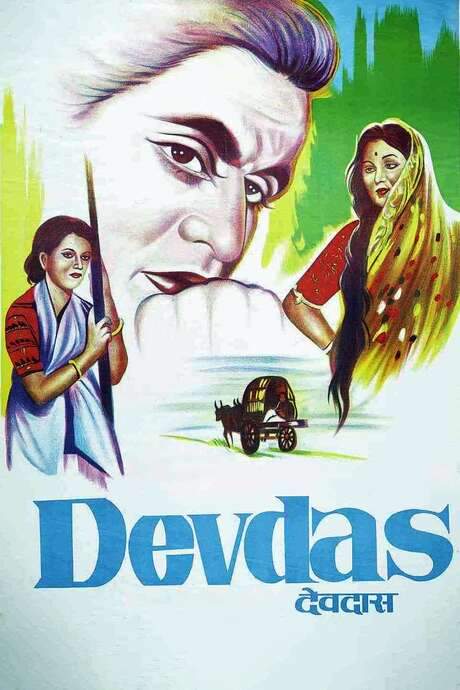
Devdas
1955

Natsamrat
2016

A Death in the Gunj
2016

Dark Illness
1990
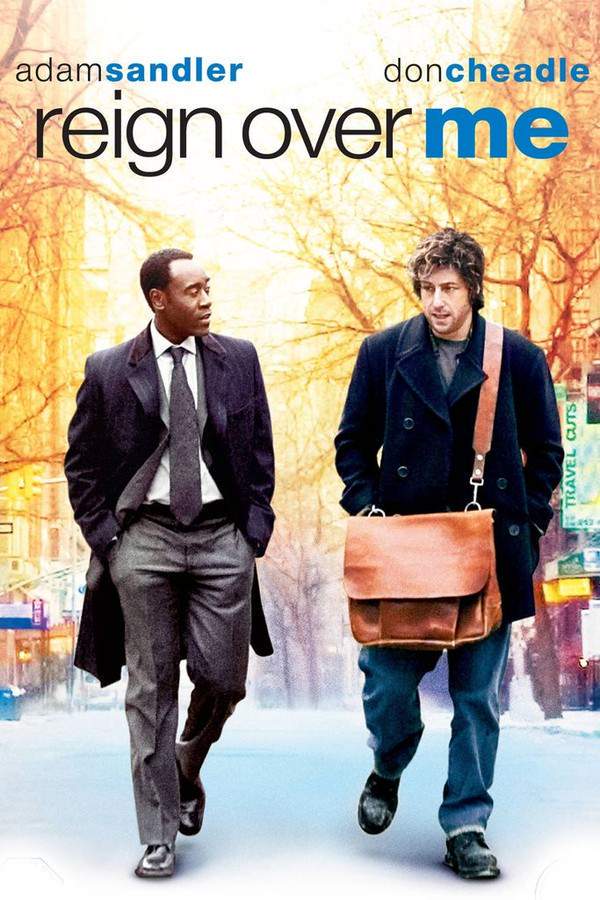
Reign Over Me
2007

Drive My Car
2021

The Souvenir
2019

The Beautiful Person
2008

Last Days
2005

The Happy Ending
1969

Goodbye First Love
2012

Samson and Delilah
2010

Moonlight Mile
2002
Narrative Summary
The narrative pattern centers on a character's reaction to a catalytic event, usually a heartbreak or betrayal. Instead of recovery, the story follows their downward trajectory as they embrace coping mechanisms like substance abuse that accelerate their ruin. The pacing is often slow, allowing the audience to fully feel the weight of each step towards the tragic endpoint.
Why These Movies?
These movies are united by their intense focus on a character's internal downfall. They share a melancholic tone, slow pacing that lets the despair settle, and a heavy emotional weight derived from witnessing a person consciously or unconsciously destroy themselves, creating a powerful sense of fatalism.
Unlock the Full Story of Devdas
Don't stop at just watching - explore Devdas in full detail. From the complete plot summary and scene-by-scene timeline to character breakdowns, thematic analysis, and a deep dive into the ending - every page helps you truly understand what Devdas is all about. Plus, discover what's next after the movie.
Devdas Summary
Read a complete plot summary of Devdas, including all key story points, character arcs, and turning points. This in-depth recap is ideal for understanding the narrative structure or reviewing what happened in the movie.

Characters, Settings & Themes in Devdas
Discover the characters, locations, and core themes that shape Devdas. Get insights into symbolic elements, setting significance, and deeper narrative meaning - ideal for thematic analysis and movie breakdowns.


