
Devdas
Year: 2002
Runtime: 185 mins
Language: Hindi
Director: Sanjay Leela Bhansali
Set in early‑20th‑century Calcutta, the film follows Devdas Mukherjee, a wealthy zamindar whose love for his childhood sweetheart is thwarted by family opposition. Crushed by the loss, he spirals into heavy drinking and seeks the fleeting solace of a courtesan, illustrating his tragic resignation to fate.
Where to Watch Devdas?
Find where to stream, rent, or buy Devdas (2002) in the US with current JustWatch availability, up-to-date pricing, and platform listings for subscription, rental, and digital purchase options.






Warning: spoilers below!
Haven’t seen Devdas yet? This summary contains major spoilers. Bookmark the page, watch the movie, and come back for the full breakdown. If you're ready, scroll on and relive the story!
Timeline & Setting – Devdas (2002)
Explore the full timeline and setting of Devdas (2002). Follow every major event in chronological order and see how the environment shapes the story, characters, and dramatic tension.
Last updated: October 03, 2025 at 10:24
Main Characters – Devdas (2002)
Meet the key characters of Devdas (2002), with detailed profiles, motivations, and roles in the plot. Understand their emotional journeys and what they reveal about the film’s deeper themes.
Last updated: October 03, 2025 at 10:24
Major Themes – Devdas (2002)
Explore the central themes of Devdas (2002), from psychological, social, and emotional dimensions to philosophical messages. Understand what the film is really saying beneath the surface.
Last updated: October 03, 2025 at 10:24
Devdas (2002) Character & Theme Questions Answered – Info FAQ
Browse frequently asked questions about Devdas (2002) focused on characters, relationships, themes, symbols, setting, and story context. This movie info FAQ gives spoiler-aware explanations for character arcs, world details, and thematic interpretation so readers can better understand what the film is really about.
Where is the movie set?
The story takes place in early 20th-century Bengal, primarily in the fictional village of Taalshonapur and later in the bustling city of Calcutta. The film contrasts the tight-knit rural community with the urban temptations of Calcutta, showing how both settings shape the characters' fates.
What time period does the film depict?
The film is set during the waning years of the British Raj in Bengal, specifically the late 19th to early 20th century. This era was marked by rigid social hierarchies, arranged marriages, and the growing tension between traditional values and modern influences.
What is the main theme of the movie?
The central theme is love versus duty, exploring how romantic desire conflicts with family obligations and social expectations. Devdas and Paro's relationship is destroyed not by lack of love but by rigid social codes that prioritize family honor and wealth over personal happiness.
Who is Paro in the story?
Parvati Chakraborty, called Paro, is Devdas's childhood sweetheart who is forced into an arranged marriage with wealthy zamindar Bhuvan Chaudhry. She remains loyal to her love for Devdas despite living a life of material comfort she did not fully choose, representing both the constraints and resilience of women in that era.
Who is Chandramukhi and what is her role?
Chandramukhi is a courtesan in Calcutta known for her grace and compassion. She becomes a source of solace for the grieving Devdas, offering understanding and companionship. Despite her kindness and genuine love for Devdas, her status as a courtesan bars her from social acceptance, making her love equally tragic.
Who is Devdas and what defines him?
Devdas Mukherjee is a wealthy young zamindar whose devotion to Paro becomes both his defining trait and his undoing. Unable to reconcile his personal desires with family duty, he spirals into self-destruction, turning to alcohol while remaining torn between love and social expectations.
Who is Bhuvan Chaudhry?
Bhuvan Chaudhry is the wealthy zamindar who marries Paro in an arranged match. He represents the social stability and status that Paro's family sought, embodying the era's belief that marriage should serve family honor and economic security rather than romantic love.
What makes this a tragic story?
The tragedy unfolds as passionate love collides with insurmountable social barriers. Devdas's descent into despair, Paro's constrained devotion, and Chandramukhi's unfulfilled compassion all culminate in a fatal finale. The film shows how rigid societal expectations destroy lives that might have been happy.
How do the village and city settings differ?
The rural village of Taalshonapur represents tradition, family honor, and tight social control, while Calcutta symbolizes modernity, pleasures, and moral looseness. This contrast highlights the widening gulf between old and new Bengal, with characters torn between staying true to tradition or succeding to urban temptations.

Explore Movie Threads
Discover curated groups of movies connected by mood, themes, and story style. Browse collections built around emotion, atmosphere, and narrative focus to easily find films that match what you feel like watching right now.
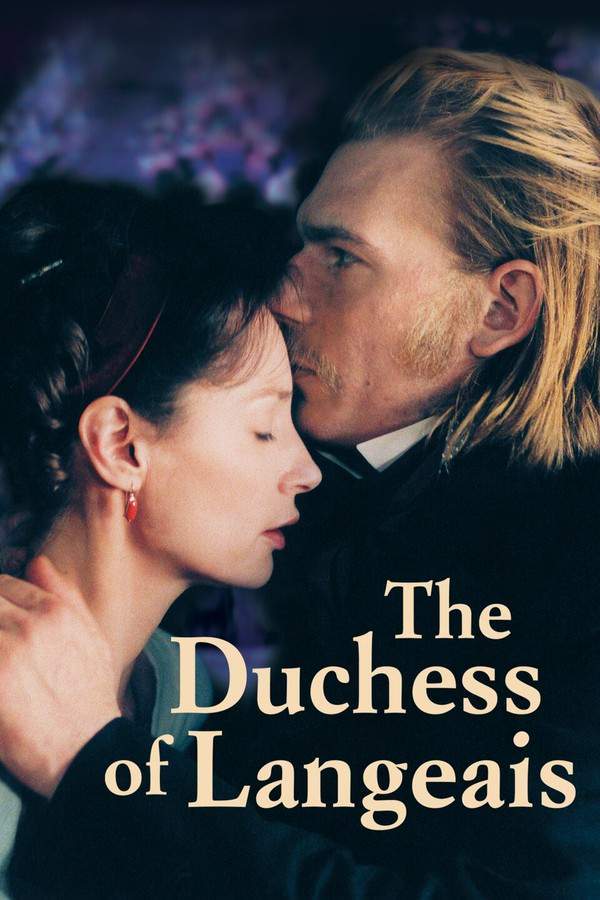
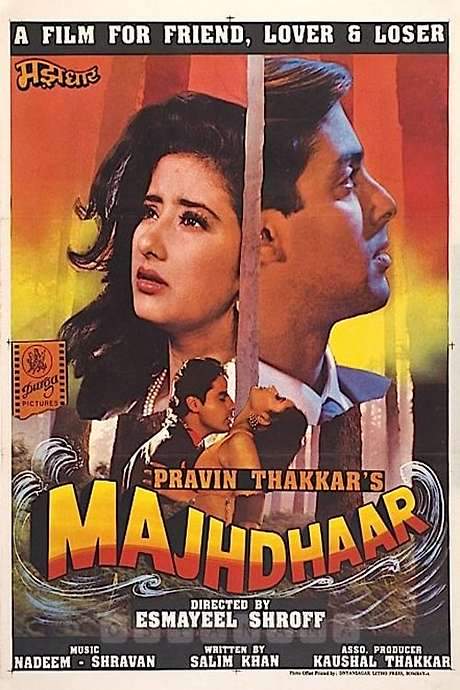
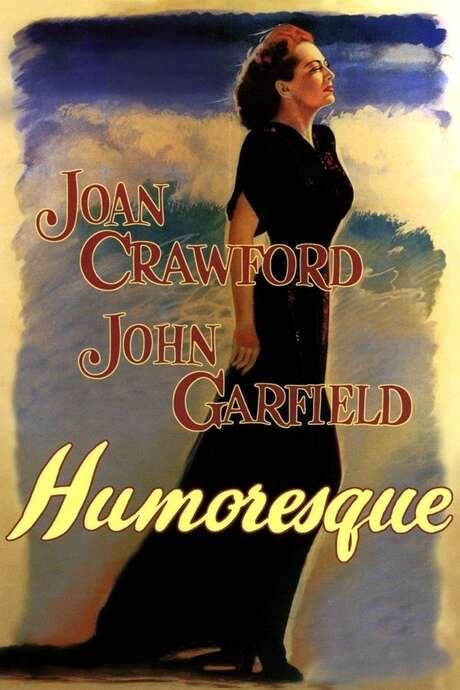
Tragic Romance Movies like Devdas
Epic love stories doomed by societal constraints and heartbreaking choices. For viewers who loved the passionate, doomed love story in Devdas. This collection features similar movies about forbidden love, where societal pressures and family duty create an insurmountable barrier to happiness, resulting in a deeply emotional and ultimately tragic narrative.









Narrative Summary
Stories in this thread typically follow a linear progression where two lovers are separated by external forces—be it family opposition, class divides, or rigid societal rules. The central conflict pits intense personal passion against impersonal duty, often leading to a spiral of despair, self-destruction, or sacrifice, culminating in a sorrowful conclusion.
Why These Movies?
These films are grouped together because they share a core focus on a romance that is both intensely beautiful and fundamentally doomed. They generate a powerful, melancholic mood through the collision of deep emotion with unyielding social structures, creating a consistent vibe of tragic inevitability and heavy emotional weight.
Movies about Self-Destruction like Devdas
Character-driven dramas about a slow, tragic unraveling fueled by loss. If you were captivated by Devdas's slow, poignant spiral into alcoholism and despair, explore these similar character studies. These movies delve into the psychology of self-destruction, where a major loss triggers a gradual but inevitable decline, portrayed with high emotional intensity and a melancholic tone.
Devdas
2002

The Last Time I Committed Suicide
1997
Devdas
1955

Natsamrat
2016

A Death in the Gunj
2016

Dark Illness
1990
Reign Over Me
2007

Drive My Car
2021

The Souvenir
2019

The Beautiful Person
2008

Last Days
2005

The Happy Ending
1969

Goodbye First Love
2012

Samson and Delilah
2010

Moonlight Mile
2002
Narrative Summary
The narrative pattern centers on a character's reaction to a catalytic event, usually a heartbreak or betrayal. Instead of recovery, the story follows their downward trajectory as they embrace coping mechanisms like substance abuse that accelerate their ruin. The pacing is often slow, allowing the audience to fully feel the weight of each step towards the tragic endpoint.
Why These Movies?
These movies are united by their intense focus on a character's internal downfall. They share a melancholic tone, slow pacing that lets the despair settle, and a heavy emotional weight derived from witnessing a person consciously or unconsciously destroy themselves, creating a powerful sense of fatalism.
Unlock the Full Story of Devdas
Don't stop at just watching - explore Devdas in full detail. From the complete plot summary and scene-by-scene timeline to character breakdowns, thematic analysis, and a deep dive into the ending - every page helps you truly understand what Devdas is all about. Plus, discover what's next after the movie.
Devdas Summary
Read a complete plot summary of Devdas, including all key story points, character arcs, and turning points. This in-depth recap is ideal for understanding the narrative structure or reviewing what happened in the movie.

Devdas Timeline
Track the full timeline of Devdas with every major event arranged chronologically. Perfect for decoding non-linear storytelling, flashbacks, or parallel narratives with a clear scene-by-scene breakdown.


How does the film portray social class and tradition?
The film heavily critiques the social mores of the era, showing how dowry expectations, class distinctions, and arranged marriages trap characters in lives they did not choose. Paro's forced marriage to a wealthy widower and Devdas's inability to secure his family's consent illustrate how tradition suffocates individual desire.