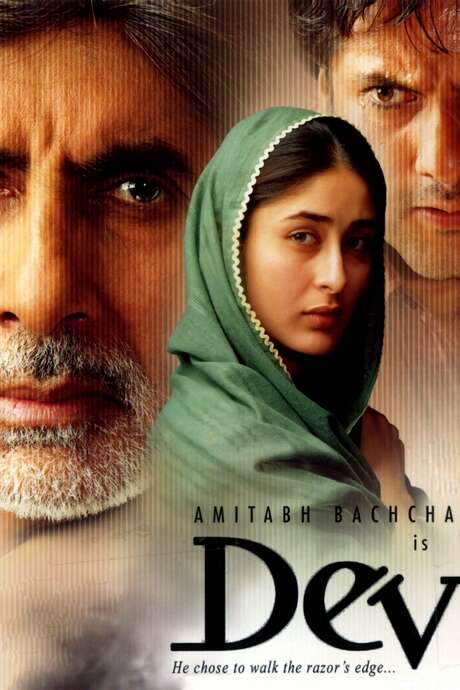
Dev
Year: 2004
Runtime: 176 mins
Language: Hindi
Director: Govind Nihalani
Joint Commissioner Dev Pratap Singh, an officer, and his friend, Special Commissioner Tejinder Khosla, balance Chief Minister Bhandarker’s politics. Law graduate Farhaan, raised on non‑violence, is wounded by Dev and sees his father killed, pushing him into rage. Corrupt Latif manipulates him, endangering the city; innocent Aalyn, Farhaan’s love, stands for truth.
Where to Watch Dev?
Find where to stream, rent, or buy Dev (2004) in the US with current JustWatch availability, up-to-date pricing, and platform listings for subscription, rental, and digital purchase options.





Streaming availability powered by 
Warning: spoilers below!
Haven’t seen Dev yet? This summary contains major spoilers. Bookmark the page, watch the movie, and come back for the full breakdown. If you're ready, scroll on and relive the story!
Timeline & Setting – Dev (2004)
Explore the full timeline and setting of Dev (2004). Follow every major event in chronological order and see how the environment shapes the story, characters, and dramatic tension.
Last updated: October 04, 2025 at 12:09
Main Characters – Dev (2004)
Meet the key characters of Dev (2004), with detailed profiles, motivations, and roles in the plot. Understand their emotional journeys and what they reveal about the film’s deeper themes.
Last updated: October 04, 2025 at 12:09
Major Themes – Dev (2004)
Explore the central themes of Dev (2004), from psychological, social, and emotional dimensions to philosophical messages. Understand what the film is really saying beneath the surface.
Last updated: October 04, 2025 at 12:09
Dev (2004) Character & Theme Questions Answered – Info FAQ
Browse frequently asked questions about Dev (2004) focused on characters, relationships, themes, symbols, setting, and story context. This movie info FAQ gives spoiler-aware explanations for character arcs, world details, and thematic interpretation so readers can better understand what the film is really about.
Where is the movie Dev set?
Dev is primarily set in Mumbai, the large Indian metropolis formerly known as Bombay. The city serves as more than just a backdrop, it reflects the crowded trains, markets, and conflicting communities that embody the film's tense communal climate. Some scenes also take place along the route from Surat to Mumbai.
When does Dev take place?
Dev is set in early 2000s India, during a period marked by political bargaining, police crackdowns, and communal unrest. The era reflects a modern urban crisis where political interests often overshadow justice and civil liberties are strained by security concerns.
Who is Farhaan Ali in Dev?
Farhaan Ali is a law graduate portrayed by Fardeen Khan who initially holds ideals of non-violence and patriotism. His character arc revolves around being wounded by Joint Commissioner Dev and witnessing his father's death at a peace demonstration, which pushes him toward rage and makes him a pawn in political manipulation.
Who is Dev Pratap Singh in Dev?
Dev Pratap Singh is the Joint Commissioner of Police played by Amitabh Bachchan. He is a duty-bound, self-righteous officer whose commitment to the law constantly clashes with political machinations from Chief Minister Bhandarker and others. He represents an honest cop fighting systemic corruption.
Who is Aaliya in Dev?
Aaliya, played by Kareena Kapoor Khan, is Farhaan's love interest who represents truth and non-violence amid the surrounding chaos. She anchors Farhaan to a righteous path and embodies resilience and compassion in a city torn by conflict.
Who is Latif in Dev?
Latif is a local Muslim political leader who exploits violence and unrest to advance his own agenda. He orchestrates actions to destabilize the city and manipulates communities through fear and rhetoric, profiting from communal strife.
What is the Power & Corruption theme in Dev about?
The Power & Corruption theme shows how politicians exploit fear and the police to advance their agenda. It examines how institutional corruption affects ordinary people, with Dev confronting systemic corruption while Latif and Chief Minister Bhandarker manipulate events. Farhaan's radicalization illustrates how power structures recruit individuals to their violence.
What does the Peace & Violence theme explore in Dev?
The Peace & Violence theme illustrates how civilian lives are sacrificed for political agendas. Riots erupt and retaliation follows as law enforcement appears to look the other way. The narrative juxtaposes fragile peace with brutal violence, suggesting peace is achievable only when power structures prioritize justice over vengeance.
What is the Identity & Loyalty theme in Dev about?
The Identity & Loyalty theme probes how identity and faith are exploited to fracture communities. Farhaan's arc shows how personal ideals can be manipulated by political players, forcing a choice between loyalty to a cause or to truth. Aaliya anchors Farhaan to non-violence, challenging what loyalty means when survival and justice are at stake.
Who is Mangal Rao in Dev?
Mangal Rao is a right-wing faction leader who organizes riots near Hindu temples, escalating violence against Muslims. He embodies the retaliatory backlash that drives the city toward further chaos and directly opposes peace efforts.
Who is Chief Minister Bhandarker in Dev?
Chief Minister Bhandarker is a corrupt political figure played by Amrish Puri who uses police and state machinery to shield his interests. His power plays drive much of the conflict, demonstrating how political ambition can override justice.
How does Dev portray Mumbai's communal tension?
Dev portrays Mumbai as a city with a tense communal climate where public spaces like temples, police stations, and riot-affected areas become theaters for political maneuvering and violence. The film shows how conflicting communities live in close proximity, making the city vulnerable to exploitation by political actors.

Explore Movie Threads
Discover curated groups of movies connected by mood, themes, and story style. Browse collections built around emotion, atmosphere, and narrative focus to easily find films that match what you feel like watching right now.
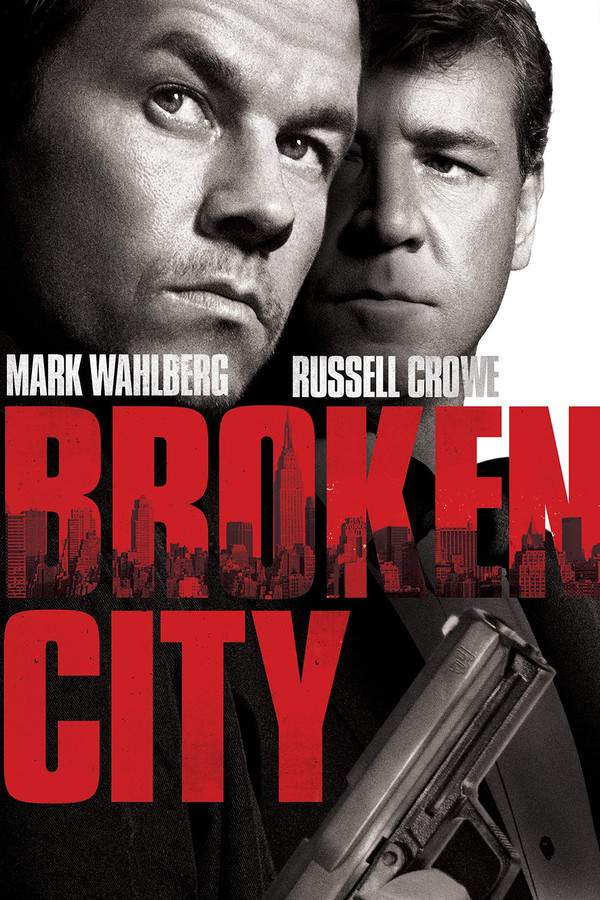
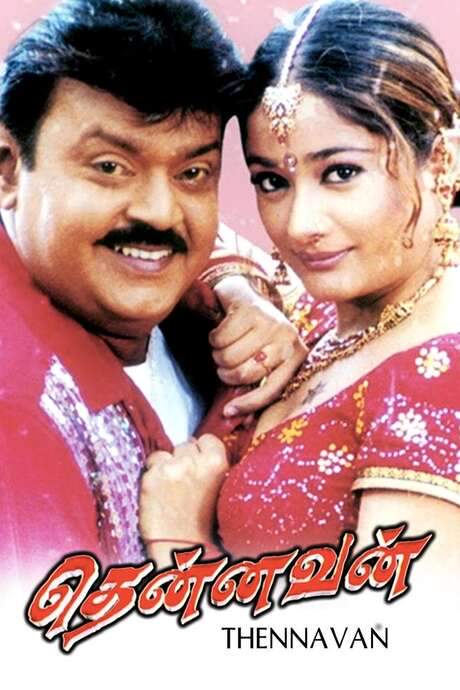
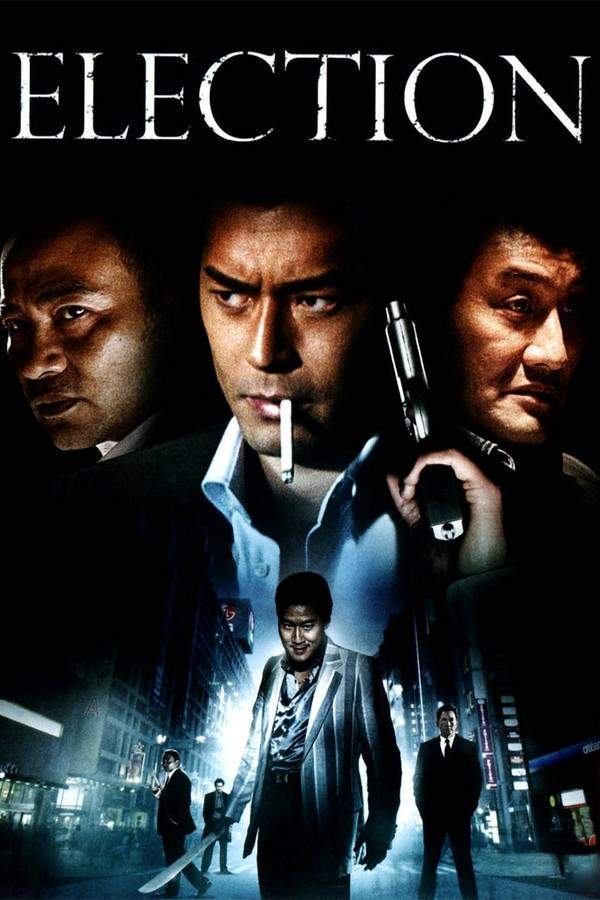
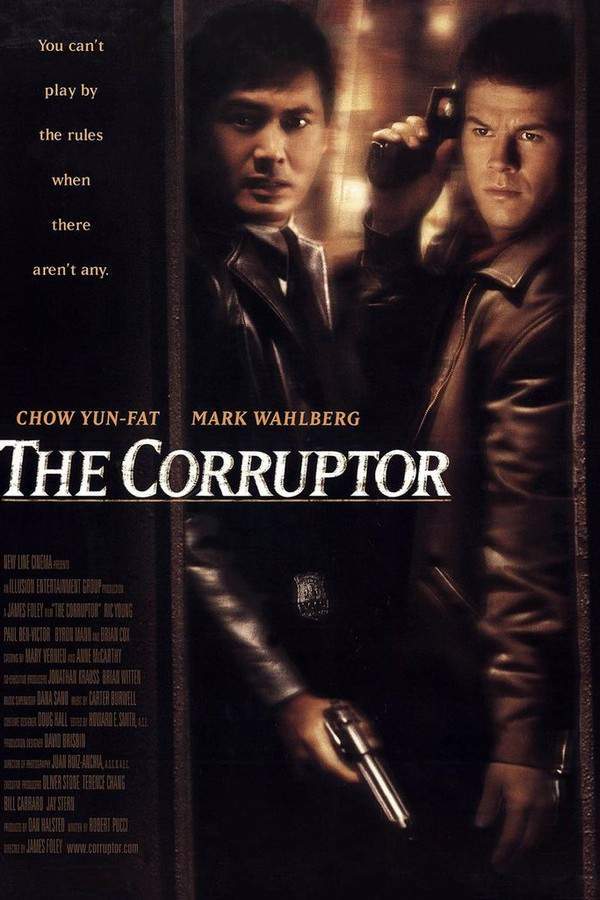
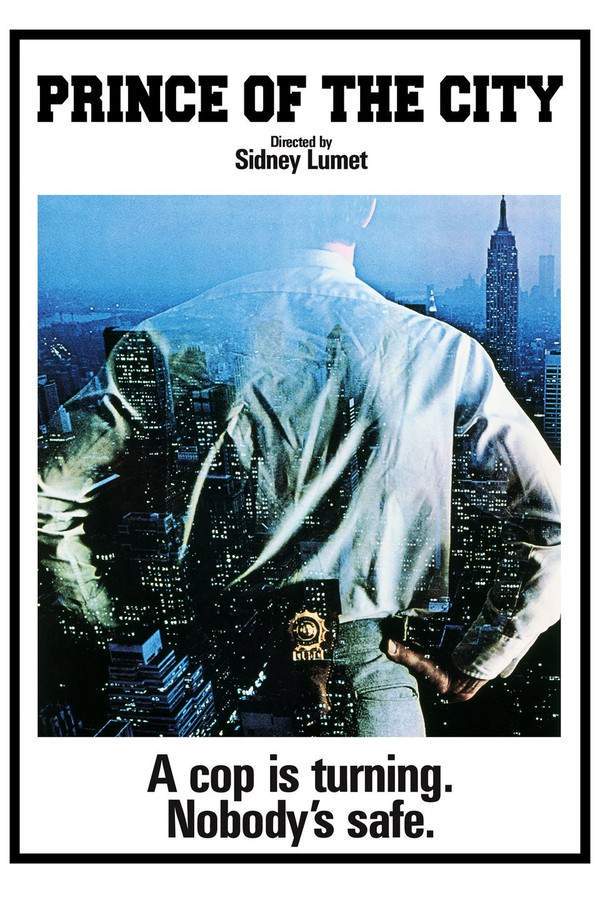
Gripping political thrillers like Dev set in corrupt cities
Intense stories where the city itself is a battleground of ideals and corruption.For viewers who liked Dev, this section features movies with similar themes of political manipulation and urban chaos. Explore other intense dramas that pit idealistic individuals against deeply entrenched systems of power, offering a sobering look at the cost of corruption.










Narrative Summary
The narrative typically follows multiple perspectives—often a principled official, a corrupted pawn, and an innocent civilian—as their lives collide within a volatile urban setting. The plot centers on a major political or criminal event that exposes the fragile seams of society, leading to widespread conflict and a testing of personal loyalties.
Why These Movies?
They are grouped by their shared focus on the breakdown of social order due to political machinations. The films share a high-intensity, tense atmosphere, a heavy emotional weight from dealing with betrayal and violence, and a steadfast pacing that builds toward a climactic confrontation.
Movies about radicalization and redemption like Dev
Stories of characters who lose their way to violence but fight for a path back.If you were captivated by Farhaan's journey in Dev, discover other films that explore the painful arc of radicalization and the struggle for redemption. These stories are character-driven, emotionally heavy, and often end on a bittersweet note, acknowledging the scars left by violence.

Redemption
2013

Let There Be Light
2017

A Good Person
2023

The Unforgivable
2021

Breaking the Frame
2014

Some Kind of Hero
1982

Beyond Dreams
2017

The Free World
2016

Like Dandelion Dust
2009

Troubled Water
2021

Sweet Bird of Youth
1962

It Ends with Us
2024

The Forgiven
2018

Desperation Road
2023

The Rhythm Section
2020
Narrative Summary
The narrative follows a protagonist who, due to a profound personal loss or injustice, is pushed from a path of peace into one of violence or extremism. They become a pawn in a larger conflict before a catalyst forces a reckoning, leading to a painful and incomplete redemption where some hope is found, but the damage done is irreversible.
Why These Movies?
These movies share a specific, heavy character arc centered on loss, rage, and the difficult quest for atonement. They are united by a bittersweet ending feel, a steady pacing that carefully charts the character's internal transformation, and a high emotional weight driven by themes of betrayal and the cost of violence.
Unlock the Full Story of Dev
Don't stop at just watching - explore Dev in full detail. From the complete plot summary and scene-by-scene timeline to character breakdowns, thematic analysis, and a deep dive into the ending - every page helps you truly understand what Dev is all about. Plus, discover what's next after the movie.
Dev Summary
Read a complete plot summary of Dev, including all key story points, character arcs, and turning points. This in-depth recap is ideal for understanding the narrative structure or reviewing what happened in the movie.

Dev Timeline
Track the full timeline of Dev with every major event arranged chronologically. Perfect for decoding non-linear storytelling, flashbacks, or parallel narratives with a clear scene-by-scene breakdown.


